Category: How to

  • How Much Does It Cost to Convert to Electric cars?

    How Much Does It Cost to Convert to Electric cars?

    In a time when the world is striving to reduce greenhouse gas emissions to protect the environment and the environment, convert to electric cars or all electric vehicle conversions have been on the rise. It’s no news that the U.S.

    The Environmental Protection Agency (EPA) recently announced stricter regulations on vehicle emissions and a ban on using diesel-powered vehicles within specific areas.

    How much does it cost to convert your car to electric

    With the current environmental crises and the rigours of diesel-powered vehicles, an EV conversion is the most practical way to ensure that cars can thrive soon.

    The concept that electronic vehicles (EV) conversion seems to be fairly new in popular consciousness. This is why there’s been plenty of doubt about its validity recently.

    Many people are sceptical about its validity of it. Some also question whether it’s legal to drive in specific geographical locations.


    Also Read:

    Top 5 Electric Cars in 2023


    What is the Electric car Conversion?

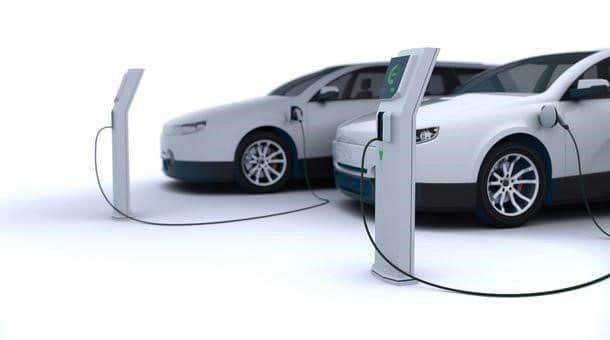
    Conversion to electric vehicles is a revolutionary method of replacing a car’s engine motor and drivetrain parts with an electric motor and a large battery bank. Ultimately, it creates an all-electric vehicle that is free of emissions from fuel.

    Why should you convert to electric cars

    As appealing as it is, knowing the procedure and purpose behind the electronic conversion is crucial before beginning the EV project. By understanding this, you will have more clarity about the outcomes you can expect.

    Why should you convert to electric cars?

    • There are many motives to convert your vehicle to electric. Here are a few of the most commonly used ones:
    • The main benefit is the massive reduction in emissions. The more electric vehicles on the roadway, the lower emissions from the tailpipe. This, in turn, will result in cleaner air for your city.
    • Another advantage is the low operating cost. With prices for fuel at record highs, driving your car with electricity will cost you less. This means that you quickly recuperate the cost of the electric car kit you’d have spent.
    • Since there are fewer components in an electric vehicle compared to a traditional car with the Internal Combustion Engine (ICE), there’s much less wear and wear and tear. This results in lower maintenance expenses.
    • Since electric vehicles don’t use fossil fuels, you won’t be required to deal with the hassle of regular pollution checks and purchases of PUCs.
    • The Delhi-NCR government has mandated that electric and diesel cars are scrapped after 10 and 15 years and vice versa; there’s no legally binding limit for an electric vehicle.

    What is The Electric Cars Conversion Process?

    Identifying the Right Vehicle

    The process of conversion begins with selecting the best vehicle to convert. To qualify, the car to be converted must be powered by diesel or petrol.

    Substituting And Extracting The Drivetrain

    The actual conversion process begins. Think of it as an operation during which organs are removed and replaced by new ones. For EV conversion, the fuel tank, the engine and gearbox, the starter, and the other intricately related hardware are just like the organs, which are then removed.

    When the car is unloaded, the removed parts are replaced by new components for the drivetrain, including the electric motor and batteries. The result is that your vehicle will get a new life!

    Deciding on the appropriate power type/source

    The DC system is the most commonly used alternative for replacement. However, an AC system is also an alternative. The choice of motor size will be largely based on the car’s weight and size. However, performance preferences may also play a role.

    Selecting the Right Battery

    A battery will naturally power the motor. Lead-acid batteries are a common choice for installation, but they generally have a limited operating range when charged. Lithium cells can also be an alternative with more extensive performance, not to mention they’re smaller and lighter.

    The number of batteries needed will depend on the dimensions of your car. Larger batteries, in general, require more space to accommodate.

    Configuring the Power And Charging System

    A reliable charging system is required to charge the batteries using an electrical circuit to regulate the energy flow between the battery, motor wires, the battery, and other complex components. To make the most from this EV conversion, you must control your car’s heating, air conditioning or power steering units with other equipment. It is also essential to remember that this might be a cost to install.

    Cost of an E-EV Conversion

    Examining

    Once your car is modified, The automotive technician or specialist will evaluate your car’s performance and safety before giving the go-ahead for the wheels on the road.

    Converting to an electric vehicle costs approximately $6,000 for the parts and between $1,000 and $3000 for installation and batteries. A more costly retrofit may cost you at least $20,000. For all this, you’ll receive an emissions-free car that will cost you just about a couple of cents per mile. Electric cars will also be more reliable and require far less maintenance than a traditional ones.

    What vehicles are ideal for EV conversion and why?

    The most suitable vehicles to convert an electric vehicle provide enough space for batteries and larger components of the drivetrain so that you’ll have a wider performance and more options.

    How long does it take to convert my car?

    Because the work involved in the conversion to EV is a lot of moving components and configurations, the estimated time to convert your vehicle to electric takes three to six months.

    What’s the time to charge electric vehicles converted to electric?

    A- Most manufacturers of kits for conversion to electric state that it takes 5-6 minutes to charge batteries. In addition, many kits come with quick charging facilities that allow the battery to reach 80% charging within less than one hour. The timing of charging will depend on the conversion kit utilized.

    A battery-powered electric-powered vehicle (EV) convert project has many moving parts that need time and money. If you’re considering ordinary car to convert to electric cars , be prepared to invest more in batteries and other components of the drivetrain.
     

  • How Much Do You Know About Car Engines

    How Much Do You Know About Car Engines

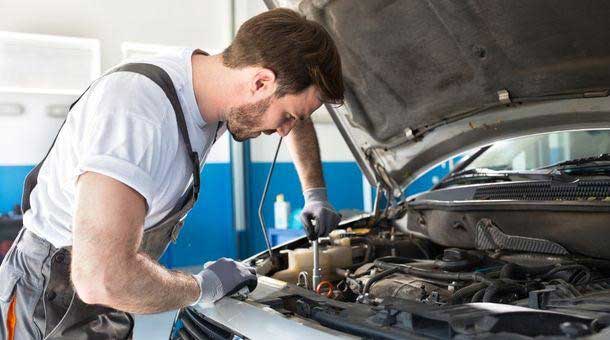
    It’s not just enjoyable to comprehend the way something functions, but it makes it simpler to pinpoint and repair problems. This is particularly true for automobiles, so the more you understand what’s happening under the hood, the more you’ll know.

    How Much Do You Know About Car Engines

    How Much Do You Know About Car Engines

    How Do Car Engines Work?

    The ease of turning the key to start a car is why engines are usually assumed to be a given. Many drivers don’t think about the technology underneath the hood when they drive from A to B, yet the engine is an impressive achievement in engineering.

    Engines depend on internal combustion. Small controlled explosions create energy. This is due to sparking the mixture of fuel and air in the various cylinders in the vehicle. This process happens hundreds of times per minute, which allows the car to move.

    The method of powering the engine is known as”the combustion cycle. It is mostly made up of four stages or strokes (hence the name four-stroke engine).

    These are intake and compression, combustion and exhaust. In the next section, we’ll take an in-depth look at how these strokes are connected to the combustion process of the car’s engine.

    Intake:

    As the pistons go up and down in line according to the movement of the crankshaft, enter the valves mounted in the camshaft. When the piston is moving down, the timing belt spins the camshaft, which causes the valves to open and let out the fuel-air mixture. This is known as intake.

    Compression:

    The compression motion occurs when the piston rises by pushing the mixture of air and fuel into a tightly-packed space.

    Combustion:

    Just as the piston is moved down, the spark is produced by the spark plug sparking the mixture of fuel and air, producing a small explosive blast. This causes the piston to fall quickly, generating energy that powers the engine.

    Exhaust:

    When the piston is at its lowest point, it opens the exhaust valve. As the piston goes back upwards, it releases the gasses released by the explosion into the valve for exhaust. Then, the exhaust valve is shut at the top, and the process continues.

    This combustion process occurs in a single cylinder of an internal combustion engine with four strokes. Naturally, cars come with many cylinders of various capacities, in addition to various layouts and configurations based on the car’s model and power output.

    Common Car Engine Layouts

    Common Car Engine Layouts

    Automobile manufacturers employ different layouts of cylinders for specific engines, mostly for increasing power or ensuring that the engine can fit into an area of tightness underneath the bonnet. This article will examine the most popular engine cylinder layouts for cars.

    1: Straight

    In a straight engine, the cylinders are placed in a straight line that runs parallel to the automobile from forward to back. This arrangement permits more cylinders. Straight engines are usually used in saloons with powerful engines like BMW or Mercedes.

    2: Inline

    Inline layouts are the arrangement of the cylinders parallel to each other in a proper arrangement in the area of the engine parallel to the vehicle.

    This makes it possible to build a small engine that is small and compact, along with additional components (radiator and battery, as well as a cooling system, etc.) placed around the exterior of the. These are by far the most popular kind of engine and can be found on a lot of hatchbacks as well as small family vehicles.

    3: V-shaped engine

    A V-shaped engine refers to the form in which the cylinders are placed in front. The cylinders inside the V engine are positioned on their sides at a 60deg angle, having two rows facing the outside with an engine crankshaft located at the bottom of the V-shaped. Since it’s possible to fit many cylinders on an engine designed in a V shape, they are often found in luxury cars and other high-end vehicles.

    4: Flat

    Flat engine layouts are where the cylinders are placed horizontally, with two rows facing the outside. While not standard flat engines are highly regarded as they provide a low centre of gravity inside engines, which improves handling.

    One of the most prominent producers of flat engine cylinders is Porsche, which uses a flat engine in its renowned 911 sports car.

    Configurations of Engine Cylinders

    Configurations of Engine Cylinders

    In the past, the larger the number of cylinders an automobile had, the better performance it would have – however, this is no longer the case.

    The advancement of powerful fuel injection systems and turbochargers means that cars with smaller cylinders can now beat larger engines. Here, we take an in-depth look at the most common engine cylinders and the types of vehicles they’re likely to be seen.

    1: Twin-Cylinder

    Twin-cylinder engines are rare because they provide the lowest energy output and a limited capacity. But some manufacturers now use turbochargers to make tiny, eco-friendly twin-cylinder engines. For instance, the Fiat TwinAir is a great example and is used on cars like the Fiat 500 TwinAir and Fiat Panda Aria. Fiat Panda Aria.

    2: Three-Cylinder

    Three-cylinder engines are commonly found on small vehicles. However, the advent of turbochargers has resulted in them appearing in larger hatchbacks for families like Ford Focus.

    Ford Focus. Three-cylinder engines emit a distinct roar and are well-known for their shuddering sound due to the irregular number of cylinders that affect the balance of the engine.

    Four-Cylinder

    The most popular design, four-cylinder engines, can be used in most mid to small-sized automobiles. They are always designed in an inline arrangement. Four cylinders provide a substantial amount of output from the engine and can be made extremely powerful by introducing turbochargers.

    3: Five-Cylinder

    Five-cylinder engines are scarce and experience similar vibrations to those of a three-cylinder motor. Volvo is one company that frequently uses five-cylinder engines because the car’s comfort and luxury neutralize the vibration effects.

    4: Six-Cylinder

    Six-cylinder engines are commonly found in high-end sports and performance automobiles and are typically mounted with a straight or V engine arrangement. In the past, engines with six cylinders were not considered very powerful. However, thanks to turbochargers that they’re fitted to, they’re found on some of the most powerful vehicles.

    5: Eight Cylinders

    Cars with at least eight cylinders are classified as supercars due to their enormous capacity and power output. They are typically set up in a V-shaped configuration and are referred to by the numbers V8, V10, or V12. Up until recently, V12 was the largest engine that was available. However, it all changed after introducing the ultra-fast Bugatti Chiron, which boasts 16 cylinders.

    Common Engine Problems

    Common Engine Problems

    With the many components performing various tasks at a whirlwind speed, in time, parts can be worn out and cause your vehicle to behave differently. These are the most frequently encountered engine issues and their symptoms:

    • Inadequate compression can cause the failure of power, malfunctioning or no-start.
    • A broken engine block causes excessive heat, smoke out of the exhaust or leaks of coolant, typically found by the side of the engine.
    • Damaged Rings, Pistons or Cylinders You may hear rattling sounds and blue smoke from the exhaust, rough idle, or fail an emissions test.
    • Wear or broken Rods, Bearings, & Pins can cause clicking or ticking sounds, low oil pressure metal shavings inside engine oil, or rattles upon acceleration.

     Car engines can appear complicated, but their function is quite simple: to move your car forward. With so many parts that work together to create that motion, it’s essential to ensure that your vehicle is maintained to prolong its life.

    Regularly scheduled oil changes, flushes of fluid and changing hoses and belts according to the suggested intervals is an excellent method to prevent the unfortunate event of a damaged engine.

  • What is an Automatic Transmission, and How Does it Work?

    What is an Automatic Transmission, and How Does it Work?

    What is an Automatic TransmissionIf you’ve ever driven an automobile with an automatic transmission you are aware of two major differences between an automatic and a manually operated transmission:

    1. It is impossible to use a clutch pedal inside the automatic transmission vehicle.
    2. There isn’t any gear shift on an automatic transmission vehicle. When you place the transmission in drive the rest of the operation is completely automatic.

    Automatic transmissions (plus their transmission’s torque converter), as well as the manual ones (with their clutch), do similar things, only they accomplish it in completely different ways. The method an automatic transmission uses to do it is absolutely incredible!

    We’ll be working to understand an automated transmission. The first step is the most important to the entire system which is the Planetary gearsets. Then, we’ll look at the mechanism of transmission constructed and learn about how it works, and then discuss the complexities involved in controlling a gearbox.

    Why Automobiles Need Transmissions

    Why Automobiles Need Transmissions

    It doesn’t take an expert in technology to comprehend the reason why cars require an engine. It is the force that drives to propel the vehicle.

    It is evident that it is essential to transmit the power through the motor to be able in order to propel the vehicle. The mechanism that accomplishes this is known as transmission. There’s more than just a mechanical connection between the drive wheels and the engine.

    Internal combustion engines produce energy and power with a limited operating range. This means that the vehicle is equipped with gears that allow the engine to function within its operating range while the vehicle increases speed, attains the same cruising speed, and then slows down. Without this, a car’s ability to speed is severely limited.

    In the case of an internal combustion engine vehicle that has a manual transmission drivers change gears. An easy mechanical setup allows the driver to utilize a shift lever to select the particular gear from the various gears that are appropriate to the driving conditions of the moment.

    Manually shifting between gears demands regular disconnecting of the engine and reconnecting to the driving mechanism – the propellor shaft and half-shafts which connect to the drive wheels during any drive. Mechanical clutches are the method of disconnecting and reconnecting.

    It’s operated with the foot by the pedal of the car’s clutch. Moving gears requires dexterity and physical effort. Although doing it right is fun but it requires effort.

    From Manual to Automatic Transmissions

    From Manual to Automatic Transmissions

    It didn’t take too long for automotive innovators to get started to automate the process of changing gears. This would make driving easier and provide the flexibility and comfort of personal transport for those who lack the ability or the strength to switch gears manually by following the standard procedure.

    It wasn’t until the 1930s, that General Motors engineers developed a practical method of automating gear shifts. It was a system that we call today” automatic transmission.

    Although it has evolved and been improved over time, most recently with the introduction of electronic controls, the original concept of engineering from the 1930s still remains the core of the automated transmissions that shift gears in our cars, trucks, and SUVs.

    Key Components of Automatic Transmissions

    Automatic transmissions do something that is easy to explain in terms of. It shifts gears with no guidance from the operator apart from selecting Drive Reverse, Neutral, and Park. However, to make that occur requires a number of components that have to work together under various situations repeatedly. These are the essential factors:

    Torque Converter

    An electronic torque converter represented a major discovery that led to the development of real-time automatic transmission.

    A torque converter basically performs the same function as mechanical clutches perform in manual transmission. It allows for the connection of the engine to the driveline in order for the ease of changing gears.

    Fluid dynamics may transfer torque to the engine when required by the vehicle to propel itself forward however it will absorb the torque when moving forward isn’t required.

    This option lets you take your car out of Drive when you keep your feet firmly on the brakes when you’re stopped at the stoplight. If you ease off the brake on the car, the torque converter allows the car to accelerate.

    Planetary Gears

    If your vehicle was equipped with a torque converter, as well as one forward gear, your speed forward will be greatly limited because of the engine operating limit and its torque production capability. This is why changing gears is essential.

    Automatic transmissions use a different kind of set of gears than manual vehicles. It utilizes a set of planetary gears in order to produce different ratios of gears, as the hydraulics of an automatic transmission control the gears.

    Brake Bands and Clutches

    Brake bands and clutches trigger the shifting of gears within the set of gears in the planetary gear set. Brake bands tighten in order to hold the gear in place or loosen up to allow the device to turn. It comes from the mixture of spinning and stationary gears that creates each specific gear ratio.

    The transmission’s clutches serve a similar purpose in helping determine what particular ratio of gear the planetary gearset has created at the time. The process of changing the gear ratio to the next requires the tensioning and loosening of clutches and bands. This is controlled by electronics, hydraulics, or a combination of both.

    How Automatic Transmissions Works

    If you are driving a car that has an automatic transmission, placing the car in Drive triggers the system. When you press your accelerator, the crankshaft of the engine is able to move more quickly, which, in turn, results in increased pressure in the converter.

    As the car speeds forward the transmission’s hydraulics and electronic sensors detect the acceleration in conjunction with its engine speed and alter its gears in response.

    In the traditional automatic transmission, the hydraulics inside the transmission is able to detect when speeds change. The hydraulics activate the other hydraulics to shift the gears of the gear set planetary.

    Nowadays, electronic devices augment this sensing procedure while the auto transmission operates together with the vehicle’s other systems.

    When you take your car for a drive be aware there are millions of mathematic calculations that are made into the gear the transmission selected at the time. Your car is performing lots of work each second to make driving more enjoyable for you.

  • HOW AND WHERE IS CARBON FIBER USED IN CAR-MAKING?

    HOW AND WHERE IS CARBON FIBER USED IN CAR-MAKING?

    HOW AND WHERE IS CARBON FIBER USED IN CAR-MAKING?Carbon fiber is the latest buzzword in car manufacturing companies across the globe. Many manufacturers in the field including German BMW as well as Porsche have already begun introduction of this material in their most recent models.

     If you already have a car and want to make it more modern, several smaller studios or bigger firms develop and produce carbon fiber parts. The use of spoilers, diffusers or wraps with distinctive patterns are among the most popular items on the UK motorists’ lists.

    What is Carbon Fiber?

    Carbon fiber is a term used to describe a substance composed of carbon atoms that are arranged in thin, long crystals, which are then connected by braiding or weaving to form a fabric. The fabric can be made with epoxy in nearly any shape.

    Due to the arrangement of crystals of carbon fiber, it’s extremely robust when compared in size. Because of this, carbon fiber materials are lighter than other materials with the same strength, as carbon fiber has begun to break up into different industries to replace aluminum and steel components.

    How Are Carbon Fiber Car Parts Made?

    How Are Carbon Fiber Car Parts Made?

    Carbon fiber car parts like bumpers and spoilers are extremely robust, and weigh only 1/5 the weight of steel ones. In recent years, more car makers use carbon fiber for the production of car parts since a vehicle that weighs less speeds up more quickly , and consequently uses less fuel.

    Customized spoilers, bumpers, and other components can make a car more aerodynamic. If these components are made from carbon fibers, they can create this effect, without the burden of weight.

    Carbon fiber components are composed from fabric that is knitted with extremely thin threads of almost pure carbon. To convert the material into a vehicle part experts use a particular technique.

    It begins with a pre-built fiberglass mold, to the edges of which a double-sided butyl tape is placed in the beginning. The next step is to apply a sealing layer. Its purpose can be used to seal any cracks that may occur in the mold. It is also used as a masking material to shield the mold’s lip.

    A second layer of separation that is based on polyvinyl alcool is incorporated into the fiberglass shape. It assists in the separation of the completed carbon-based product out of the mold.

    Then, it’s time to apply the carbon fiber to be sprayed. It is enrolled , then is sprayed. It is sprayed layer-by-layer, with beginning with the initial layer. It is bonded to the mild by special spray adhesive that is then absorbent into the resin.

    It is crucial that the first layer is placed precisely in the shape of the mold, and that the appearance that the material has is perfectly laid out.

    There aren’t any wrinkles in the mold at this point. Each piece of carbon is placed over the previous one and is then fixed using spray glue. The carbon fabric has its own strength, making it easy to cut off excess.

    The fabric is then layered seven times, and then rearranged according to the patterns in the mold. Then comes the polyester layer to separate fabric, which forms an insulating layer between carbon fiber and synthetic mesh which is laid over it.

    The function of the mesh is essential to proper vacuuming of the piece and also the movement of vacuum through the resin. In this manner the mold is now ready to be sealed with vacuum foil. It is then glued to the outside of the mold. It is then glued to the and double-sided, butyl-based tape.

    In addition, it is essential to keep the “bellies” on the foil so that the added volume that is created, will allow the foil to be pressed completely over the entire size that the mold is.

    Once the mold is sealed, it is now ready for vacuuming, an operation in which the mold’s material is pressurized to a high degree and air is removed completely when the vacuum is turned on. When the vacuum pulls in air, all the layers inside the mold are being compressed. It’s time to let loose the epoxy from the other end of the mold.

    This is, thanks to the vacuum applied, slowly absorbs the carbon fiber layer inside the mold, which ensures the bonding in the carbon fiber automobile part. After additional heating, the piece is now ready to be removed and out of the mold. After it has been cleaned after that, the solid fusion between epoxy resin and carbon fiber fabric are formed.

    Carbon fiber is able to be made into virtually any car accessory. Its versatility is among its biggest advantages. Most of the time carbon fibers aren’t painted in a deliberate manner but are coated with colourless varnish in order to preserve the unique 3D view of the carbon fibers that are intertwined.

    HOW IS CARBON FIBER MADE?HOW IS CARBON FIBER MADE?

    Carbon fiber can be described as a composite material used for car manufacturing components, like BMW M Performance Parts, or as complete carbon fiber chassis components.

    The main ingredients used for production are carbon fibers, as well as the supporting structure that is made of thermosetting plastics referred to by the term matrix.

    It is made up of a variety of substances like synthetic resins. The matrix is used to join the fibers, and fill the gaps between them. Because the synthetic resin will start to crosslink after long time at temperatures of room temperature and is then stored into coils and stored at -0.4degF (-18degC). It is heated to room temperature about one day prior to the next stage of processing.

    Carbon fibers are extremely thin, they usually measure only 10 percent of the width of hairs on a human. The direction that the fibers are laid out is essential to the stability of the structure A carbon structure is only very strong with respect to the direction of the fibers.

    When it comes to the next stage for structural elements, about fifty thousand of these filaments are bundled into fiber bundles referred to rovings , and then rolled up.

    For visible carbon components There are approximately 3000 filaments. These rovings are used to create flat fabrics with various fiber orientations to ensure that they are rigid across all directions. When placed over the other the rovings form stacks.

    They are then put into molds and “baked”. This stage, also known as the autoclave process the thermosetting matrix is solidified – at 248degF (120degC) with high pressure and a time of about two hours. 

    The resin bonds and gives the part its final form. The result is carbon fiber car components that are able to be joined to form larger parts (bodywork elements) depending on the need. The visible parts are then coated by a transparent lacquer it ensures that the distinctive structure of carbon fibers remains clear and, in the same way it ensures that the material is kept safe.

    Visible carbon components are produced mostly by hand, which is which is a lengthy procedure. It could take up to a full day to create one single piece. Cutting, preparation and curing with the autoclave, milling, demolding, lacquering, all of these require some time. They also provide the highest standard of excellence and quality.

    Properties of and benefits of carbon fiber

      Properties of and benefits of carbon fiber

    Carbon fiber properties

    A few characteristics that are related with composites, particularly those using carbon fiber for one component are as follows:

    • Strength
    • Stiffness
    • Resistance to corrosion
    • EM Transparency
    • Attractiveness
    • Low density
    • Fatigue and fatigue-related life
    • Conductivity of heat

     Benefits of carbon fiber  


    In describing the characteristics of carbon fiber , one should compare it to other materials that are available for production components in order to understand the advantages. The most obvious choices for components are metals, and the main carbon fibers’ main competitors are titanium alloys, aluminum alloys, and steels.

    For structural purposes, the relation between strength and stiffness weight is the most important element for designers. Cost is an important aspect, however for vehicle applications, the performance of the material generally surpasses the cost for the life that the car.

    The three metals mentioned have specific stiffness ratios of around 25 (GPa / G/cm3). Carbon fibre composites can range between 66 and 150 (GPa / grams/cm3) in accordance with the their orientation and the kind of reinforcement. It’s a ratio that is 3 to six times higher.

  • How to Keep Your Car Cool When Car AC Is Not Working?

    How to Keep Your Car Cool When Car AC Is Not Working?

    How to Keep Your Car Cool When Car AC Is Not Working? If it’s hot outside, your car’s interior becomes hotter, particularly when you don’t have air cooling. Yikes! But there are ways to keep cool by using ice cubes, wearing lighter clothing, or increasing the airflow in your vehicle.

    You could even take different directions or lower temperatures during the day to fight the summer heat.

    12 Ways How to Keep Your Car Cool When Car AC Is Not Working?

    Keep Your Car Cool When Car AC Is Not Working

    1: Time your travels

    It’s an easy solution to a fairly simple issue. Since no sun equals less heat, using your air conditioner in the early morning or later into the evening is much more comfortable.

    If you have to go out at the end or late in the morning, you may want to consider Uber and Grab if you’re taking a drive early in the morning.

    2: Avoid areas with traffic congestion

    Driving in the early hours provides the comfort of cooler temps, but it will also allow you the freedom to travel on the roads without traffic with your windows shut.

    Keep Your Car Cool

    You’re able to take the same route on EDSA at rush hour. However, we all know that tight roads, tons of vehicles, and hot temperatures are three factors that don’t mix well.

    3: Dress to impress

    Are you in the middle of a cooling problem? Get rid of those long-sleeved jeans and flannel tops. Or, better yet, put them neatly in the gym bag so you can switch them out when you’re at the office.

    It’s not worth dressing as the magazine cover fashion model when you’re likely to be sweaty in the first place. Choose shorts and breathable tees, and then change your clothing.

    4:  Make use of an electrical fan

    They’re not the big models but smaller versions powered by your car’s USB ports, charging ports or even solar power.

    You can also bring small handheld units powered by normal AAA or AA batteries. These aren’t expensive, and you’ll frequently find vendors selling them.

    5: Purchase a cooling cushion

    Purchase a cooling cushion

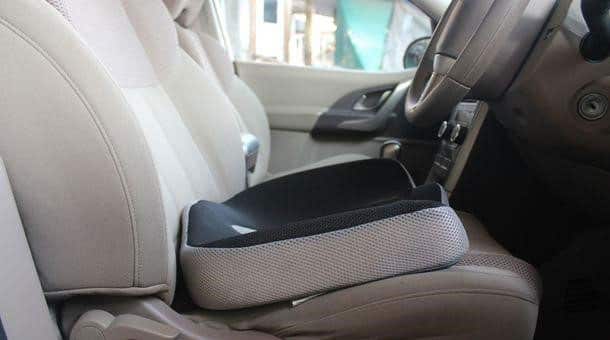
    These cushions don’t need to be equipped with fans or packed with gel cooling. Mesh cushions or even those Tito seats that have wooden beads are suitable.

    What you want is breathable and also something that can keep your sweaty back from rotting the seats.

    6: Park in the Shade

    There aren’t many experiences that are as painful as stepping into a car and sweating in the sun all day. Make your car’s interior less uncomfortable by parking it in the shade.

    When your air conditioner isn’t running, and you’re in a shaded area, finding a location is vital, even if you must walk farther.

    It’s an excellent idea to purchase an auto sunshade that blocks the sun’s harmful rays. You might also want to buy a parking spot in a garage during summertime.

    7: Crack a Window

    Another method to keep the car that is not in your car cool until the return trip: Keep your windows closed, but just a bit, to let air flow.

    The little airflow can stop the heat from accumulating quickly, meaning you’ll be less sweaty as you travel again. You don’t need to roll them down very far but just enough to let air circulate and keep thieves from getting in.

    Read More about Why Is My Car AC Blowing Hot Air?

    8: Buy a Cooling Seat Cover

    It doesn’t matter how much air can make its way through the windows if your back is sweltering against a hot car seat. Make sure you have a cool head and back by covering your seat with one like the SNAIL cool car cushion that massages.

    The cover is plugged into your vehicle’s 12-volt system with an intake fan on the bottom that circulates air through 24 outlets on the cushion to keep your body cool even when your car’s AC is running low.

    9: Bring a Cold Drink

    A cool beverage in your cup holder is an excellent way to reduce the heat and help you stay cool and comfortable during an extended drive. Choose the premium thermos to keep your drink cool for hours.

    Fill the thermos with water, iced tea or lemonade, add some ice cubes, and you’ll be ready to go. Are you planning a road trip? Put a cooler filled with water bottles and ice in the trunk, so you’ll always have a chilled drink in your bag.

    10: Grab a Cooling Towel

    There is a reason amusement parks can sell tiny cooling towels at an exorbitant price. The good thing is that you can get these for less in your local home shop.

    After you’ve purchased your own, ensure that it’s ready for those hot summer days regardless of whether you’re driving. To reap the benefits of a cool towel, use cool water, pour it over it, squeeze it dry and wrap it around your neck.

     11: Try a DIY Fix

    A variety of things can go wrong with your car’s AC system. However, some of them are easy to fix. If, for instance, your system is not running enough refrigerant, You can purchase a refill kit from the local auto parts store.

    Make sure you buy the correct kind of refrigerant suitable for your vehicle, and also note that you’ll require a recharge line if the kit you purchase doesn’t come with one.

    The hose’s one end connects to the container of refrigerant; the other end is connected to an under-hood connector. If you’re afraid of auto repairs, contact the personnel at the auto parts shop for assistance.

    Another cause of an AC failure is the stretched or torn belt on the compressor. The belts are fairly simple to repair if you follow the online instructions or YouTube tutorial.

    Do some study and see if you can identify the issue. If the compressor pulley is still spinning freely, the solution might be more affordable and simple than you think.

    12: Dashboard sun shade

    The best way to protect yourself from heat is to be a good attacker! Cover your dashboard with a piece of cloth to ensure that your vehicle’s interior is cool and limit the quantity of heat released. A sunshade can reduce the sun’s rays that get into the car.

  • How Steering Wheel Locks Prevent Cars from Theft?

    How Steering Wheel Locks Prevent Cars from Theft?

    How Steering Wheel Locks Prevent Cars from. Theft An examination of the effectiveness of locking the steering wheel in preventing theft of cars and other alternatives that could be more efficient.

    Everybody is trying to find ways to safeguard their car from theft. In the past, “The Club” brought lots of interest to lock on the steering wheel. 

    Steering Wheel Locks

    Although these devices have increased in popularity, many are unsure about their effectiveness. Can steering wheel locks protect cars from theft?

    In the article below we’ll examine How Steering Wheel Locks Prevent cars from Theft. The guide also explains what to look for when purchasing the lock on your steering wheel. We also offer some tips to ensure your car is secure.

    What is a Steering Wheel Locks?

    The locking mechanism for the steering wheel is fairly simple to explain. It’s a tool which locks the wheel to ensure it stays in place and prevents the car from being taken away.

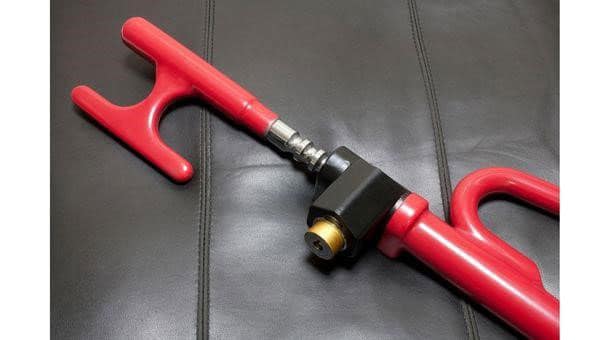
    Two components make up the steering lock. It has a locking mechanism, as well as an external structure that is attached directly to the wheel. The most well-known version can be described as “The Club.”

    How Steering Wheel Locks Prevent Car from Theft?

    The steering wheel’s locking mechanism can protect the vehicle on a certain level. But, it’s possible to overcome by putting in the time and effort. 

    The steering lock can be picked. However, this requires some time. The lock can also be cut, but most criminals won’t take the time to make this happen.

    Since the invention of locks, people have searched for ways to get around the mechanism. If you have the right skills, it can take an intruder a couple of seconds to break the lock.

     But cutting off the lock will require a longer time and may draw more interest. Most thieves don’t want to stay in the car they stole for this long.

    Steering Wheel Locks Types:

    Steering Wheel Locks Types

    1. Traditional Lock

    The classic lock is the most popular. It’s the classic bar design that is seen in The Club.

    There are hooks on either side, which attach to the wheel’s spokes. The wheel cannot be turned until it is secured in its place.

    2. Enclosed Lock

    The enclosed steering lock protects all of the wheels. The security level is higher than that of this kind of lock. But, they are heavier and bulkier than traditional locks. It might be difficult to get it stored away when not used.

    3. Wheel-to-Pedal Lock

    The lock for the pedal on the wheel could be the most advanced. It is connected to the steering wheel and the brake or clutch pedal.

    With this two-layer of protection, you’ll have greater security. The system is not as visible to potential thieves, which means most of them won’t even notice it until they’ve entered the premises and gotten inside, which is a disadvantage.

    How to Choose a Steering Wheel Lock?

    1. Compatibility

    A lock for the steering wheel is only effective if it’s compatible with your car. If it’s not going to work, then there’s no way it will protect your vehicle from theft.

    When purchasing the lock, be sure it’s compatible with your make and model. The lock you choose should match the wheel size of your vehicle. For a perfect fit, the lock must go further than simply measuring the diameter of the wheel and finding a functional lock.

    It would help if you verified the compatibility and the fitment on the site you purchased from. Enter the model and make of your vehicle to ensure that your selected car will work.

    2. Construction

    To guarantee maximum security, the lock on the steering wheel should be constructed from top-quality materials. A weak structure isn’t likely to stand up to a constant thief.

    Beware of products composed mostly of plastic. They are easily broken. If you can buy a model made of more vital, durable components, then that’s a better choice.

    It is also advisable to be looking at the mechanism that locks. Be sure you’re not buying a cheap lock; otherwise, you’ll be dealing with a stuck locking cylinder that leaves you without an alternative to free it.

    3. Visibility

    To secure your vehicle, you need a lock that is easily seen. It might sound counterintuitive; however, if thieves can see the lock on your steering wheel, they’re less likely to try breaking into. Thieves seek targets that are easy to catch and don’t want to exert too much effort.

    Certain products boast a subtle design, but it isn’t what you are looking for. Instead, opt for the most noticeable design that you can get from a trusted brand.

    4. Budget

    You must remain within your budget when buying brand-new car accessories or security items. Sometimes, trying to save the money you spend is a good decision.

    However, buying a wheel lock should not be an opportunity to take shortcuts. Instead, it’s important to be focused on how to ensure your car is protected. If your vehicle has been stolen, how much will you lose?

    Review the various brands available and choose those that have a high rating. Although they may cost more upfront, they will reduce time and effort over the long haul.

    Do Steering Wheel Locks Damage the Steering Wheel?

    When the locking isn’t calibrated for your particular vehicle, it could not be fitting well. When the fitting isn’t ideal, it could leave scratches and marks of scuffs left on the wheel.

    But, if you choose the correct lock to secure your steering wheel, there should be no damage. However, you can safeguard the steering wheel by applying an even layer of cushioning between your lock and the steering wheel.

    How to Prevent Your Car from Being Stolen?

    1. Hide Valuable Goods

    Your car is valuable, regardless of whether it’s a bit older. Older cars can fetch a significant amount of cash when parts are being sold.

    In this way, you should not give a thief a reason to take your car. If you keep valuables to the elements, you can make your car look more attractive.

    2. Use Multiple Methods

    A steering wheel lock can be an ideal device to stop theft; however, it shouldn’t be the only thing you are using. It is best to increase security if you’re trying to safeguard your vehicle.

    Install an alarm to alert you when someone attempts to get inside. Many of these alarms are available for installation at an affordable price and will give you greater security. Many newer models of cars have excellent alarms that the factory installs, but.

    3. Lock the Doors

    This may seem simple to some, but most people walk away from their vehicles with locked doors. When you exit the car, make sure you check the doors to make sure they’re locked.

    In addition, you must be sure to inspect the windows. Even a burglar can quickly enter the vehicle if you don’t close them.

    4. Park in a Well-Lit Area

    Look around the area you’re parking in. If it appears shady and uninviting, it might not be the ideal place to park your vehicle.

    Choose a more populated place where thieves will be easily noticed. If you’re parking at night, you should look for an area with plenty of light. It is not advisable to place your car in a dark room where thieves can operate your vehicle unnoticed.

  • How Car Safety has evolved Overtime

    How Car Safety has evolved Overtime

    How Car Safety has evolved Overtime

    In this article, we will discuss how Car Safety has evolved Over the course. In the past, from safety belts for seats from seat belts to Electronic Stability Control, car safety has improved dramatically since the first cars were created in the 18th century.

    Safety for cars can be as ancient as the automobile itself. The first fatality recorded in automobiles occurred in 1869, when Mary Ward, an Anglo-Irish scientist, died after falling beneath the wheels of an experimental steam vehicle constructed by her cousins. The incident likely caused authorities to implement road and vehicle security measures to safeguard not just drivers but also pedestrians.

    The History of Car Safety: A Timeline

    The Ford Model T was declared the first low-cost American automobile that was simple to drive and could reach speeds of 40 or 45 miles an hour (mph).

    While top rates in certain motor vehicles of this time can exceed 100 mph, a crash with a car travelling at 45 mph and not equipped with anti-lock brakes, sturdy structures, or seat belts can cause death. Ontario MTO notes that more than 1,000 accidents in 2009 involved vehicles with no safety devices.

    Safety in the automobile has made significant strides. Here is a list of essential changes implemented to safeguard passengers and drivers over the years.

    • 1930 Safety glass is made an integral part of all Ford automobiles.
    • 1934 General Motors conduct the first crash test
    • 1935 Canada created 1935 the Department of Transport
    • 1937 Many automakers add smooth, flat dash, round door handles, and a windshield washer to their vehicles, along with additional cushioning for the rear of the front seats to provide better protection for passengers in the backseat.
    • 1949 Chrysler incorporates disc brakes in their Crown Imperial
    • In 1958 United Nations established the World Forum for Harmonization of Vehicle Regulations, which helps develop a common set of rules for the safety of vehicles, theft and rules for environmental protection, and much more.
    • 1958 1958 Three-Point Seat Belt was invented and is integral to all Volvo automobiles.
    • 1959 Headrests are now an option for front seats
    • 1964 – Cars that are sold on or after 1st January 1st must have front lap belts on the outside of the car throughout the United States
    • 1964 Volvo introduces the world’s first rear-facing child car seat
    • 1971 Canada introduces the motor safety of vehicles act to establish safety standards for the design, development and importation of motor vehicles.
    • 1974 General Motors begins to offer airbags as an option for certain cars.
    • 1976 Ontario is the first province in the world to require the requirement of a seat belt
    • 1979 1979: The United States National Highway Transportation Safety Administration starts crash-testing popular cars and publishes the outcomes.

    How Car Safety Features Have Evolved Over The Years

    How Car Safety Features Have Evolved Over The Years

    In the past 135 years of cars, safety features have changed drastically to make the roads one of the most secure modes of transport.

    A series of innovations in car safety throughout the years has saved the lives of many. Here are a few technological breakthroughs that have transformed the notion of security in the car.

    Seat Belts Arrived In 1958

    While seat belts were created and patent-protected before 1998, the most efficient version we are seeing today wasn’t invented until 1958. British engineer George Cayley developed the first seat belt in the latter part of 1800 to secure pilots in their gliders.

    But the first seat belt designed for automobiles was invented in the late 1800s by Edward J. Claghorn of America, who developed it to secure taxi drivers.

    The seat wasn’t considered to be “crucial until 1954. Some scientists recognized the importance of belts in seats during tests of their effectiveness. They were able to prove their opinions became a reality when they were incorporated into the Sports Car Club of America required the inclusion of seat belts in each racing automobile.

    The real change in design and technology for seat belts and the widespread use of seat belts in cars was initiated by Volvo. It was in 1958 that Swedish engineer Nils Bohlin created a new and more efficient three-point belt still in use.

    Volvo recognized the significance of using a belt, engaged Bohlin to continue developing the technology, and fitted its cars with three-point seat belts. Volvo also published an estimate in 2002 that showed seat belts saved more than a million people since they were introduced.

    Airbags Arrived In 1951

    Following seat belts, the most crucial safety feature to be found included airbags. It shielded the passengers and drivers from head-on collisions and side-impact crashes.

    The first basic designs of airbags were developed in 1951 by German Walter Linderer and American John Hetrick 1951. Walter Linderer’s airbag was built on compressed air that was released following a crash on the bumper or manually removed from the vehicle’s driver. John Hetrick’s airbag was inspired by the same system that he dubbed “Safety Cushion Assembly for Automobile Vehicles.’

    Anti Lock Braking System (ABS) – 1978

    In addition to collisions, slippery and wet roads were also a problem for drivers of cars. The lock brakes of the old system did not work well at stopping the car under these conditions.

    Drivers generally lose control of the vehicle. ABS was developed to answer this issue, and Mercedes-Benz is undoubtedly the first in this area. ABS ABS permits the wheels of the car to slow down their rotation when under severe brakes, allowing the driver to move the vehicle with steering.

    Daimler created this system to keep wheels from sliding in 1953. This resulted in the development of the Mercedes-Benz/Teldix Anti-Block Systems in 1966, which the German firm developed together with Teldix built on an electro-hydraulic brake system.

    On the opposite side of the globe, Chrysler also worked with Bendix to create a “Sure Brake” technology unveiled in 1971. In the same year, an American car maker, Ford, introduced a single-channel system version.

    It was later which was followed by General Motors’ Trackmaster. Similar efforts were made within Japan through Toyota along with Nissan.

    Electronic Stability Control (ESC) – 1980

    Oversteering could be as fatal as understeering. Drivers are susceptible to oversteering in stressful situations, which leads to total loss of control of the vehicle and fatal accidents.

    BMW was the first to recognize the tendency of drivers to oversteer and designed an engine management system which lowered the torque when a stability issue was identified. It was the initial model of ESC.

    By reducing the torque, the ESC reduced the slip angle and slowed the vehicle’s spin. In the wake of BMW, Mercedes launched its ESC using its sophisticated ABS and created it into Electronic Traction Control (ETC) and Acceleration Skid Control (ASC). In addition, a more sophisticated variant of ESC was created by Toyota under the name of Vehicle Stability Control System (VSC).

    FAQ About How Car Safety has evolved Overtime


    What was the evolution of the car over time?

    Benz’s first car was three-wheeled, shaped like an elongated tricycle. It also seated two people. Gas-powered four-wheeled vehicles were made available in 1891. The development of the gas-powered car marked the start of the vehicle’s story in America

    What’s the most significant impact on safety in the auto industry?

    With all the safety features and road enhancements, the driver’s behaviour significantly influences road safety. Proper use of safety belts, car seats and other seats, defensive driving methods and impaired awareness of the road can dramatically improve road safety.

    What safety features did the initial car come with?

    In 1908, features such as the windshield, headlights and speedometer were added as optional features in the most popular automobile on the road that year, the Ford Model T.

    The first car to feature regular security glass (employing lamination to make sure the glass did not break into tiny fragments that were contained instead of shattering into large dangerous shreds).

    Are vehicles safer than they were 20 years ago?

    The fatality rate in car accidents has decreased significantly in the last two decades. (In the US, the fatalities for every 100 million miles travelled decreased by 1.73 from 1994 to 1.08 in 2014.) However, structural improvements and upgrades to new technologies such as airbags only save a few lives.

    Are the latest cars safer?

    The latest cars are indeed safer than older models. Modern technology and better structures make the latest models ideal for your family. NHTSA statistics show that fatality rates rise for those who drive older cars

  • How Car Suspension Work

    How Car Suspension Work

    In this blog, we’ll describe how car suspension works. There are many ways of connecting your wheels to the vehicle, so they can be moved up and down using their dampers and springs and all with the least amount of change possible between the adjacent wheels or in the angles of the tires for the road.

    The front wheels need to be able to pivot freely around the the steering swivels. The wheels that are driven, rear or front, should also be able to turn along with their drive shafts.

    Non-independent Car Suspension

    A car with rear-wheel drive typically comes with an active axle, which is an axle that contains both shafts for the purpose (half shafts) as well as the gears for differential. A four-wheel drive car could have a live front axle, too.

    Dead axles – also known as the rigid beam- are currently employed at the front of trucks and vans. Some front-wheel-drive vehicles come with dead rear axles.

    A rigid axle is equipped with springs and links to stop the movement of the sides.

    Independent Car Suspension

    A double-wishbone suspension. Wishbones are attached at their outer ends to the steering swivel members’ top and bottom. The two forks on each wishbone extend outward to pivot over the frame. A tie rod, also known as a steadying bar, is positioned to the structure and the lower wishbone.

    Instead of sharing an axle of an automobile with an independent suspension attached to the frame or body. Different springs may be utilized.

    When the driven wheels are suspended independently, the differential is attached to the frame. It then drives the wheels using joined drive shafts.

    Car Suspension Parts

    A car’s suspension system is, in fact, an element of its chassis that is comprised of all crucial outlines that are located underneath the body of the vehicle. The systems comprise:

    • Frame: frame is a structural, load-carrying element that helps support the car’s engine and body and is supported by the suspension.
    • The suspension is a setup that helps support the weight, absorbs and reduces shock, and assists in maintaining contact between the tires.
    • A control system can be described as a mechanism allowing the driver to steer the vehicle.
    • They are the wheel and tires are elements that make the vehicle’s motion possible via grip or friction with the road.

    The suspension is one of the most important components of any vehicle.

    With this overview of the big picture in mind, it’s time to examine the three main elements of a suspension: dampers, springs and Sway bars.

    Springs

    The springing systems of today are designed around four basic designs:

    • They are by far the most popular type of spring. They are torsion bar of heavy-duty that is wrapped around an axle. Coil springs expand and compress to take in the movement of wheels.
    • Leaf springs are made of many layers of steel (called “leaves“) bound together as one unit. Leaf springs first appeared in carriages pulled by horses, which were used on most American automobiles from 1985 onwards. They’re still used in the majority of heavy-duty trucks and cars.
    • The bars that are used for torsion use the twisting characteristics of steel bars to give the appearance of coil springs. They work as follows The first end of the bar is fixed to the vehicle’s frame. The other is linked to a wishbone. It is an adjustable lever that is perpendicular to the bar. When the wheel encounters bumps, the vertical movement will be transferred onto the wishbone, and the levering process then transfers it, it is transferred onto the torsion bar. The torsion bar is then twisted around its axis, providing spring forces. European automobile manufacturers, like Packard and Chrysler, used this method extensively throughout the United States through the 1950s and 1960s.
    • Air springs comprise an air-filled cylindrical chamber between the wheels and the vehicle’s body. They use the properties of compression to absorb the wheel’s vibrations. This technology is utilized in a wide variety of luxury vehicles; however, the concept is more than a century old and may be found on buggies drawn by horses. Air springs of this time were constructed from air-filled diaphragms of leather, similar to bellows. They were replaced with moulded rubber air springs in the 1930s.

    Based on the location where springs are situated on a car i.e. between the frame and the wheels. Engineers often prefer to speak about the spring-loaded mass and that of the not-sprung groups.


    What are Off-Road Vehicles (ORVs)?

    Off-road vehicles come with broad definitions and cover many types of vehicles for working and leisure. They include:

    • Snowmobiles
    • All-terrain cars (ATVs) (also called “quads”), both single and “two-up” vehicles
    • Off-road motorcycles
    • Side-by-side offroad vehicles (also called “Argos”, “rhinos”, and “razors”)

    ORVs are designed to be off-highway vehicles and operate in harsh conditions like non-public roads and trails. While other cars like jeeps, trucks, SUVs and other motor vehicles on the highway can be used off-road, the main focus of this document is on cars specifically designed for use off-road.

    For instance, all-terrain vehicles (ATVs) are motorized vehicles that are typically open-wheeled four-wheeled vehicles that have oversized deep treads. These big tires are non-pneumatic or low pressure. The operator is seated in a saddle-like chair and steers using the handlebars.

    ATVs can have speeds of up to 100 kilometres and weigh at least 360 kilograms (approximately 800 pounds). They can also move swiftly. They are made specifically to function as “driver-active”, meaning the driver’s body movements aid in steering the ATV.

    All ATVs currently manufactured come with four wheels. Although not recommended, ATVs with three wheels are still in use. Due to safety issues, manufacturers stopped producing three-wheeled models in 1988.

    What are some tips when travelling by ORV?

    • Review the manufacturer’s manuals for any limitations on your slope (steepness of an uphill) that the vehicle has been designed to traverse safely.
    • Always be aware and think ahead. Be mindful of the surroundings and where you’re planning to go.
    • Before you take a trip which could be hazardous, be sure to walk the route. Look for
      • Unstable ground
      • Loose rocks
      • Deep holes
      • Low hanging branches
      • Space to turn in a safe manner
      • Maintain a safe distance from the other ORVs in your group.
      • Do not drive while pedestrians are in the vicinity.

    FAQ about how Car Suspension work


    What are the three types of Car Suspension ?

    There are three main kinds of car suspension components: linkages, springs, and shock absorbers. The links are the bars or brackets that support the wheels. They also include springs and shock absorbers.

    What is the cause of car suspension problems?

    The significant elements of the car suspension system include shock absorbers, springs, suspension struts and control arms, and many more. As they sit at the bottom of the vehicle, these components are always subject to debris such as speed bumps, rocks, potholes, and other road hazards that can cause damage to components.

    Which is the best Car Suspension ?

    The air suspension is among the most comfortable load-bearing breaks. This is the reason they are found in the majority of the top-of-the-line sports and luxury cars. Due to their load-bearing capacity, they are also found in various buses and trucks.

    How long should Car Suspension last?

    “With frequent usage, you may consider replacing the vehicle at 40,000 or 50,000 miles or earlier. In normal circumstances, 75,000 to 90,000 miles could be a reasonable estimate.

    How do you keep Car Suspension ?

    • Check Your Wheel Alignment
    • Maintain Proper Tire Pressure
    • Check Your Tire Treads
    • Check the Power Steering Fluid and Belt
    • Suspension System Inspection
  • Auto Shipping: How It Works and What to Expect

    Auto Shipping: How It Works and What to Expect

    Are you interested in shipping a car?

    auto shipping

    Approximately 286.8 million cars are currently on the road in the US. Automobiles are some of the most widely used modes of transportation. With that many cars on the road, the odds are high that you’ll be driving at some point soon.

    If you don’t know how it works and what to expect before you avail of an auto shipping service, we can help you with that.

    Read on to learn more.

    Ships by Car Carriers


    How car shipping works? Auto or car shipping is the process of transporting vehicles by car carriers. They specifically designed car carriers to transport vehicles, and equipped them with ramps and lifting equipment to load and unload vehicles.

    Shipping a car using carriers is the most common method of shipping vehicles, and it is typically the cheapest way to ship a car. Below are the types of carriers that they are using to transport vehicles/cars:

    Open Carriers

    These carriers are the most common type of carrier used by auto transport companies. They are also the most economical way to ship a car. Open carriers can carry up to 10 vehicles at a time, so your car may share the ride with other vehicles.

    Enclosed Carriers

    Enclosed carriers protect your car from the elements and potential damage that can occur during transport. Your car will close completely in a metal container and secured with straps to keep it from moving around during transport.

    Find a Reputable Company

    It is essential to do your research to find one that is reputable and has a good track record. Some things to consider are the company’s experience, their insurance coverage, and what type of shipping options they offer.

    You can also check with the Better Business Bureau to see if the company has complaints against them. Once you have found a company that meets your needs, you can expect the process to be fairly straightforward.

    Choose a Shipping Method

    Auto-shipping is safe to process and convenient. It allows you to ship your car to any destination in the world. But, there are two shipping methods to choose from.

    Door-to-door shipping is the most convenient option, as the shipper will pick up your car from your home and deliver it to the specific address you provide. However, door-to-door shipping is more expensive than other methods. Terminal-to-terminal shipping is the most economical option, you will drop off your car at a terminal and the shipper will transport it to another terminal for pickup.

    Prepare Your Car for Shipping

    Make sure it’s clean and free of any loose items that could fall out and cause damage during transport. Secure if the battery is fully charged and the tires are on the proper pressure. Just ensure you’re prepared before the auto shipping process, and you’ll have no problems.

    Choose the Best Auto Shipping Company

    The more you know about auto shipping, the more likely you will have a positive car carrier shipping experience. In choosing the exemplary service, find a reputable company and select your preferred shipping method. You must prepare your car and provide them with the information beforehand to avoid problems during the car shipping process.

    So, enjoy the shipping experience.

    If you find this article helpful, read more on our blog posts!

  • How Do Car Air Conditioning System Work

    How Do Car Air Conditioning System Work

    How Do Car Air Conditioning System Work

    This article will explain How Do Air Conditioning System Work in a Car. The car air conditioning system is a smaller version of the elements of the typical air conditioner. It includes an evaporator, compressor condenser, an expansion device, and a fan in a car to ensure air circulation in the passenger compartment.

    The system for air conditioning draws energy from the engine’s crankshaft and can be operated by passengers in the cockpit through the push button assigned to the system.

    What is an air conditioning system?

    A cooling system is an electric device designed to eliminate an area’s moisture and heat. It is a method that is used in a variety of ways to provide a comfortable space, primarily for humans as well as other animals.

    Why do We Need an Automobile or Car Air Conditioning System?

    As we’ve already stated, the cabin’s air conditioning system must create a comfortable and healthy environment for people. This, in turn, offers comfort that is vital to the well-being of any human being. However, it is necessary for a vehicle because of the following motives.

    • If a vehicle travels through cities such as Delhi in India, the passengers will have to be faced with a lot of traffic which results in slowing the cars. This is why a vehicle needs to have the ability to offer a comfortable environment for passengers.
    • In India, during summers, there’s plenty of humid and hot air that makes it difficult for drivers to drive and for the passengers to travel, which is why in summer the need for a reliable cooling system for the air is needed in the car to create an air-conditioned and dry space inside the car’s passenger compartment.
    • Air conditioning is not just used to improve the air quality inside a passenger’s cabin but also provides clean air that is essential in cities such as Delhi due to the dangerous air pollution which can lead to health problems for the passengers.
    • In winter, a car is faced with the issue of fog or vapors that form over the front mirror, which can cause issues with visibility and makes it challenging for drivers to operate a vehicle which is why a car must be fitted with equipment to tackle this issue.
    • There are a lot of changes in the climate in countries such as India in the long-term use of a vehicle that could create health problems for passengers. Therefore, a car must be able to maintain the human environment in its cabin throughout the journey.

    Because of these issues, nearly every automobile on the roads nowadays is fitted with cooling systems, which is now necessary for every human being.

    Components of Car Air Conditioning System.

    The components of the car’s AC system are almost the same as that of an air conditioner in a room. However, there are many adjustments to car AC to keep it more compact and to make it compatible with the engine’s components. The parts used in car AC are:

    Compressor

    Its compressor is the heartbeat of your AC system. It’s a pump that moves the refrigerant across all other parts. The compressor has some moving parts that get worn out and may require replacement. At Natrad, we carry a complete range of compressor kits for more than 200 top vehicle brands and models.

    Condenser

    Its condenser is similar to a mini radiator. It converts the refrigerant in gas into a liquid and then releases the heat it has been carrying out of your vehicle by circulating it through fins and cooling coils. There are a variety of reasons your condenser may not work:

    First, it’s usually near the side of the automobile. Therefore, it can be damaged easily in head-on collisions. Condensers can also be blocked or leak and must be replaced if they fail.

    Evaporator

    The Evaporator is located beneath the dashboard and is responsible for cooling the air before being blown out to the car’s interior. The liquid that is refrigerant evaporates and forms gas within the Evaporator. The fan then pushes the air through the cold tube.

    Receiver-Dryer

    It’s a security measure used in a car or vehicle air conditioning system since there is a possibility the opposite of vapors, a liquid is also flowing towards the compressor, which could damage the compressor.

    Hence, the receiver dryer is placed between the compressor and Evaporator to turn the liquid into vapors before sending it to the compressor to be compressed.

    Valve for expansion

    It is a device used in the car air conditioning system to boost the high-pressure, low-temperature liquid refrigerant sent out to the condenser to reduce the pressure of the refrigerant before transferring it to an Evaporator for further processing.

    Working in an Automobile or Car AC

    The operation of an auto AC system is almost identical to the standard AC; however, there isn’t much difference.

    1. The Evaporator, another heater used in AC, draws the heat from the passenger cabin, which then transforms the refrigerant liquid flowing through the Evaporator into the form of vapors, which then provide cooling through the blower fans.
    2. This vapor with a high temperature but low pressure is transferred to the compressor, which increases the pressure of the vapors. This converts the refrigerant in vapors into liquids.
    • The refrigerant is now in high pressure and a high-temperature liquid state.
    1. This high-temperature, the high-pressure liquid refrigerant then goes to the condenser that lowers the temperature of the refrigerant via forced convection produced through the condenser fan. This fanis the radiatorfan or the separate fan.
    • Now, the refrigerant is operating at a low temperature. However, the liquid’s pressure is similar to that of the liquid.
    1. The high pressure and the low-temperature refrigerant then go into the expansion valve, releasing the refrigerant’s stress and transforming it back into its original form.
    2. The refrigerant is delivered to the Evaporator to complete the next cycle.

    Conclusion

    Air conditioning is nearly one-third of a vehicle’s most significant auxiliary load. Air conditioning systems today reduce the fuel efficiency of standard cars so any incremental improvement can provide substantial benefits in the near term because of the huge number of new vehicles sold yearly. However, for cars with high fuel efficiency, the current air conditioning systems have an incompatible impact on fuel efficiency.

    FAQs about How Do Air Conditioning System Work in a Car


    What kind of model system for an air conditioner is utilized in automobiles?


    It is the expanding valve in the system. A fixed orifice tube is a system.

    What is the power that car AC consumes?


    The amount of energy your vehicle consumes is contingent upon your car’s model, make, and condition. On average, it requires around 3 kW to run your AC. It’s about 180 amps from your alternator circuit. The central compressor of your A/C is 750 watts and typically consumes between one to two Kilowatts in power.

    Can turn off AC makes the car run faster?


    The RAY says: Yes, it does, but you shouldn’t. It can provide an increase in power, but it doesn’t harm the vehicle.

    Does AC deplete the battery in your car?


    Switching on the AC creates an additional burden on the system, leading to the absence of the charging system. This, in turn, drains batteries.