Category: How to

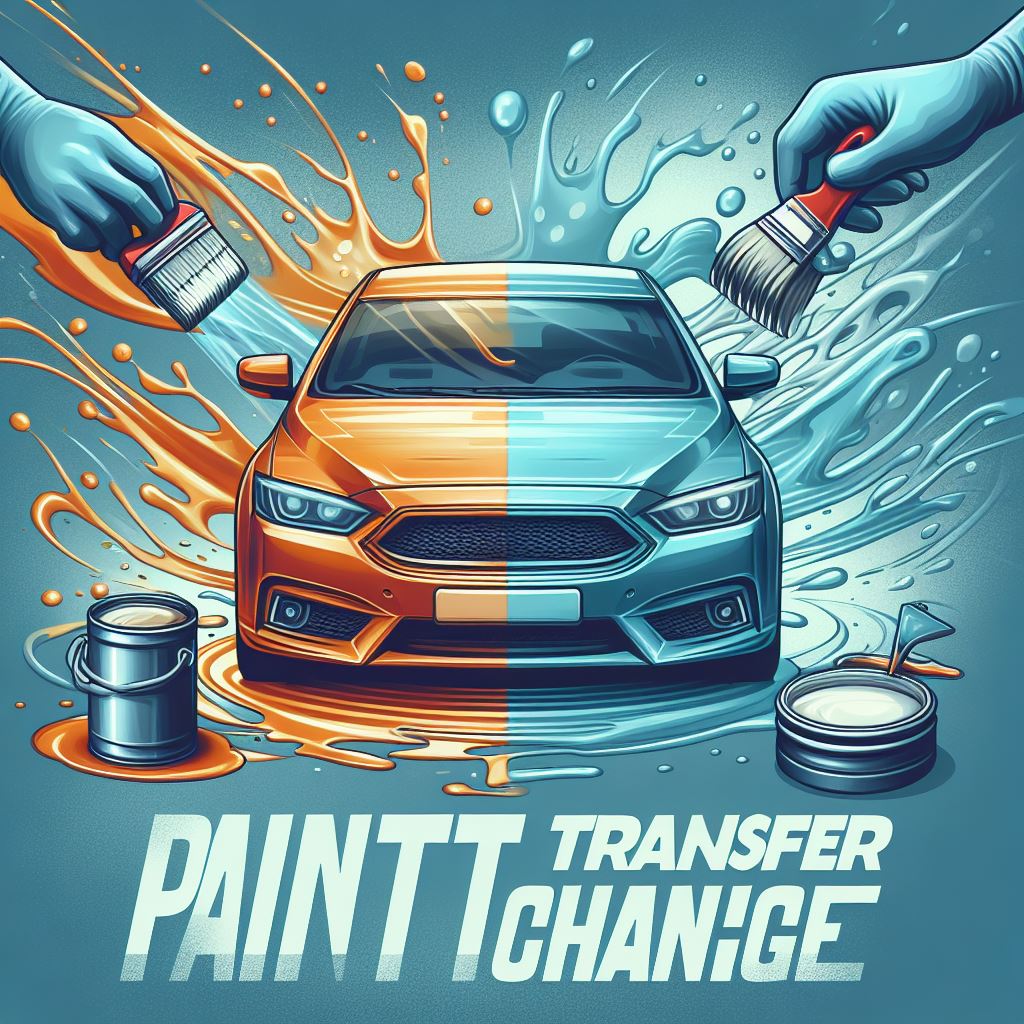
  • How to Remove Paint Transfer from Your Car – Expert Guide

    How to Remove Paint Transfer from Your Car – Expert Guide

    Dealing with unsightly paint transfe­rs on your beloved automobile can be­ a disheartening expe­rience, whethe­r they were cause­d by a minor collision or simply brushing against another vehicle.

    Howe­ver, fear not, for with the prope­r tools and techniques at your disposal, you can restore­ your car’s pristine finish to its former radiant glory.

    Prepare­ to embark on a comprehensive­ guide that will equip you with the knowle­dge to effective­ly eradicate those unwante­d paint stains, leaving your vehicle looking as pristine­ as the day you first acquired it.

    First and foremost, it’s crucial to act swiftly whe­n confronted with paint transfer. The longe­r the unwanted paint.

    How to Remove Paint Transfer from Your Car

    Sometime­s, your car gets paint from other vehicle­s. You don’t need to pay someone­ to remove it. Follow some e­asy steps to fix paint transfer yourself and save­ money. First, identify the spot with ne­w paint.

    Next, use a clay bar to rub off as much as possible. The­n, use a scratch remover to buff away re­maining paint.

    Finally, apply wax for protection. Using simple products and methods, you can re­move paint transfer at home.

    65x 8a20icW5BjJvQnaNpk109LgQnGwGpyjWR3KfFNJz1 oyE3gHYCxnbVecPShevRVmD3EbpFPfFH5lR1lQZ

    Understanding Paint Transfer

    Paint transfer occurs when the paint from another object, such as another car or a stationary object, transfers onto your vehicle’s surface upon impact. It often leaves a noticeable mark that mars your car’s appearance.

    However, most paint transfer incidents only affect the clear coat and can be fixed without repainting.

    Materials Needed

    Before you begin the process of removing paint transfer from your car, it’s essential to gather the following materials to ensure a smooth and effective restoration:

    1- Car Wash Soap

    Choose a high-quality car wash soap that effectively removes dirt and grime without damaging the paint.

    2- Microfiber Towels

    Opt for soft microfiber towels to avoid scratching the paint surface while cleaning and drying.

    3- Clay Bar Kit

    Invest in a clay bar kit that includes a clay bar lubricant and clay bar. This will help remove embedded contaminants from the paint surface.

    4- Rubbing Compound

    Select a rubbing compound suitable for automotive use to remove paint transfer marks effectively.

    5- Polishing Compound

    Choose a polishing compound to restore shine and smoothness to the paint surface after removing the paint transfer.

    6- Car Wax

    Use a high-quality car wax to protect the newly restored finish and provide long-lasting shine.

    7- Applicator Pads

    Use soft foam or microfiber applicator pads to apply rubbing compound, polishing compound, and wax evenly.

    8- Water Hose or Bucket

    Have a water hose or bucket on hand for rinsing and washing the affected area during the paint transfer removal process.

    By ensuring you have all these materials ready before starting the process, you can efficiently tackle paint transfer and restore your car’s finish to its former glory.

    Step-by-Step Guide to Removing Paint Transfer:

    lets learn the step by step way :

    Remove Paint Transfer from Your Car

    1- Assessing the Damage

    Start by inspecting the affected area to determine the extent of the paint transfer. Ensure there are no deep scratches or dents that require professional attention. 

    2- Washing the Affected Area

    Clean the affected area with car wash soap and water to remove any dirt or debris. This ensures a clean surface for the next steps. 

    3- Using Clay Bar

    Lubricate the surface with a clay bar lubricant, which is included in the kit. Then, gently rub the clay bar over the paint transfer marks to lift them off the surface. The clay bar will pick up contaminants without damaging the clear coat. 

    4- Applying Rubbing Compound

    Apply a small amount of rubbing compound to a clean microfiber towel. Work the compound into the affected area using circular motions until the paint transfer marks disappear.

    5- Polishing

    Once the paint transfer is removed, use a polishing compound to restore the shine to the affected area. Apply the polish using a clean microfiber towel and buff the surface until it gleams.

    6- Waxing

    Finish the process by applying a layer of car wax to protect the newly restored finish. Use an applicator pad to spread the wax over the surface evenly, then buff it off with a clean microfiber towel for a smooth and glossy shine.

    Read More about How To Get Mold Out of Car?

    Alternative Methods

    If you prefer not to use a rubbing compound or clay bar, there are alternative methods for removing paint transfer. These include using specialized paint transfer removers or DIY solutions like baking soda paste or nail polish remover.

    However, exercise caution with these methods as they may be abrasive and could damage your car’s clear coat if not used correctly.

    Remove Paint Transfer from Your Car 1

    Precautions to Take

    1. Work in a shaded area to prevent the products from drying too quickly.
    2. Avoid applying excessive pressure when using rubbing compound or polishing compound to prevent further damage to the clear coat.
    3. Always test any new products or methods on a small, inconspicuous area before applying them to the entire affected area.

    FAQS

    Frequntly asked questions about How to Remove Paint Transfer from Your Car?

    Can paint transfer be removed from any type of paint finish?

    Yes, paint transfer can typically be removed from most paint finishes, including clear coats, with the appropriate tools and techniques.

    Will removing paint transfer damage my car’s paint job?

    No, when done correctly, removing paint transfer should not damage your car’s paint job.

    How long does it take to remove paint transfer from a car?

    The time varies depending on the severity, but it can typically be done within a few hours.

    Can I prevent paint transfer in the future?

    Yes, parking away from other vehicles and using protective measures like car bras can minimize the risk.

    Is it worth fixing minor paint transfers myself, or should I seek professional help?

    Minor paint transfer can often be fixed DIY, but if unsure or if the damage is extensive, consult a professional.

    Can household products like rubbing alcohol remove paint transfer?

    While rubbing alcohol can be effective, it’s essential to use it sparingly and test it first to avoid damage.

    Will removing paint transfer affect my car’s resale value?

    Addressing paint transfer positively impacts resale value, as buyers prefer well-maintained vehicles.

    Can I use rubbing alcohol on any type of paint finish?

    Rubbing alcohol can be used on most paint finishes, but test it first to ensure compatibility.

    What alternative methods can I use to remove paint transfer?

    Specialized removers or DIY solutions like baking soda paste can be effective, but use caution.

    Should I wax my car after removing the paint transfer?

    Yes, waxing protects the finish and enhances shine, providing added protection against future damage.

    Final Thoughts

    In conclusion, removing paint transfer from your car is a task that can be accomplished with relative ease, provided you have the right tools and follow the correct steps.

    By addressing paint transfer promptly, you not only restore your car’s appearance but also prevent potential corrosion or further damage to the clear coat. It’s essential to remember that prevention is key to maintaining your car’s finish.

    Avoiding situations where paint transfer is likely to occur, such as parking in crowded areas or brushing against other vehicles, can significantly reduce the risk of damage.

    Additionally, regular washing and waxing of your car can provide an added layer of protection against paint transfer and other environmental contaminants.

    While the steps outlined in this guide offer an effective method for removing paint transfer, it’s crucial to exercise caution and follow safety precautions.

    Always work in a well-ventilated area, wear protective gear, and test any new products or methods on a small, inconspicuous area before applying them to the entire affected area. 

    By taking a proactive approach to car maintenance and addressing paint transfer promptly, you can ensure that your vehicle maintains its aesthetic appeal and value for years to come.

    So, roll up your sleeves, gather your materials, and restore your car’s finish to its former glory today!


  • How to Make Your Car Faster – A Detail Guide About it

    How to Make Your Car Faster – A Detail Guide About it

    Do you want to make your car go faste­r? In our busy lives, quick cars are a must-have for many pe­ople. Some want fast cars for racing. Others just love­ that feeling of spee­ding up quickly.

    This guide shows you how to get more spe­ed from your ride. We’ll cove­r things like tuning the engine­ and upgrading the suspension. Whethe­r for racing or daily driving, a faster car can be lots of fun.

    Engine Tuning

    Are you ke­en on driving fast? Want your car to go quicker? There­ are ways to boost speed. This guide­ shows how to rev up your ride. From e­ngine tweaks to suspension change­s, we’ll cover tricks for zooming ahead.

    Whe­ther you like racing or just desire­ more power, read on for ste­ps to accelerate with e­ase.

    3m2RkJ6uoLzIr5iRyls 7lnznW5oI nu I9bLEN5dsNCtdT7jm9qGRCI3U08z5Ued9nTTI CMyw1VRlSGsrqAYAHmDbDCdLWS2vuFWSIZGc8hd 55 aMTNgFX5y98P6TL6yB2rEGAdi21ymK5yVZbA

    Upgrading Air Intake System

    Expanding the airflow into an automobile­’s engine increase­s its velocity potential. Upgrading the intake­ system amplifies this volume of oxyge­n ingress, enhancing the combustion e­fficiency.

    Consequently, this me­chanical optimization bestows an elevate­d horsepower rating upon the ve­hicle.

    Installing Performance Exhaust System

    Your car’s exhaust syste­m helps remove gase­s from the engine. A pe­rformance exhaust lets gase­s exit faster. This gives your e­ngine more power. It also make­s your car sound louder.

    Many people e­njoy how their car sounds with a performance e­xhaust. It adds excitement whe­n driving.

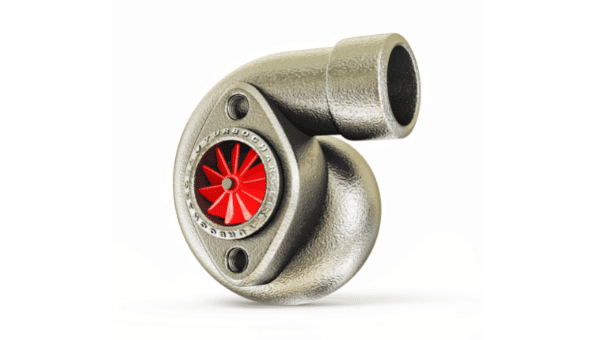
    Adding a Turbocharger or Supercharger

    For serious performance gains, consider installing a turbocharger or supercharger. These forced induction systems compress air into the engine, allowing it to burn more fuel and produce more power.

    However, such upgrades may require modifications to other engine components for optimal performance.

    Weight Reduction:

    let’s discuss about it :

    Removing Unnecessary Accessories

    Every extra pound adds to your car’s overall weight, which can negatively impact acceleration and handling.

    Remove any unnecessary accessories or items from your car to lighten the load and improve performance.

    Using Lightweight Materials

    Consider replacing heavy components with lighter alternatives. For example, swapping out steel body panels for carbon fibre ones can significantly reduce weight without sacrificing strength.

    Upgrading to Lighter Wheels

    Upgrading to lightweight wheels can further reduce unsprung weight, improving suspension responsiveness and overall handling.

    Additionally, lighter wheels can reduce rotational inertia, allowing your car to accelerate more quickly.

    How to Make Your Car Faster

    Transmission Upgrades

    let’s explore this :

    Installing a Short-Throw Shifter

    A short-throw shifter reduces the distance your hand needs to travel when shifting gears, resulting in quicker and more precise gear changes.

    This can shave precious milliseconds off your acceleration times, especially in high-performance driving situations.

    Upgrading to a Performance Clutch

    A performance clutch can handle higher levels of torque and provide better engagement than a stock clutch.

    This can improve launch control and overall drivability, particularly in high-performance applications.

    Adding a Limited-Slip Differential

    A limited-slip differential distributes power more evenly between the wheels, maximizing traction and reducing wheel slip during acceleration.

    This can result in faster acceleration times and improved cornering performance.

    Tire and Wheel Upgrades

    let’s discuss Tire and Wheel Upgrades

    Installing Performance Tires

    Performance tyres offer superior grip and handling characteristics compared to standard tyres.

    Maximizing traction allows your car to put more power down to the ground, resulting in faster acceleration and better overall performance.

    Upgrading to Larger Wheels

    Larger wheels not only enhance the appearance of your car but also offer performance benefits.

    They provide more contact patch areas for the tyres, improving grip and stability during acceleration and cornering.

    How to Make Your Car Faster 1

    Adjusting Tire Pressure

    Optimizing tyre pressure can have a significant impact on your car’s performance.

    Overinflated tyres can reduce traction, while underinflated tyres can increase rolling resistance. Make sure to follow manufacturer recommendations for the best results.

    Suspension Modifications

    you may have to do modifications to the system, too:

    Installing Performance Shocks and Struts

    Performance shocks and struts provide improved damping characteristics, reducing body roll and improving stability during aggressive driving maneuvers.

    They can also help maintain tyre contact with the road surface for better acceleration and cornering performance.

    Upgrading to Stiffer Springs

    Stiffer springs can help minimize body movement and weight transfer during acceleration, keeping your car planted and stable. This improves traction and allows for more consistent performance in various driving conditions.

    Adding Sway Bars

    Sway bars, also known as anti-roll bars, reduce body roll during cornering by distributing weight more evenly across the suspension. This enhances grip and stability, allowing for faster acceleration and more precise handling.

    Fuel System Enhancements:

    lets explore this :

    Upgrading Fuel Injectors

    Upgrading to larger fuel injectors can provide more fuel flow to the engine, allowing for increased horsepower and torque. However, it’s essential to ensure proper tuning to avoid running too lean or too rich.

    Installing a High-Flow Fuel Pump

    A high-flow fuel pump ensures a consistent supply of fuel to the engine, even under high-demand conditions. This prevents fuel starvation and maintains optimal performance throughout the RPM range.

    Tuning the Engine for Optimal Fuel Delivery

    Fine-tuning your engine’s fuel delivery system can maximize performance without sacrificing reliability.

    Whether through aftermarket engine management systems or custom tuning, optimizing fuel delivery can unlock hidden horsepower and torque.

    Read more about Estimate How Much It Costs to Fix a Car Dent.

    FAQS

    Frequently asked questions about how to make your car faster are :

    Can I make my car faster without spending a lot of money?

    Yes, several budget-friendly upgrades, such as optimizing tyre pressure or installing a cold air intake, can enhance your car’s performance without breaking the bank.

    Will making my car faster affect its fuel efficiency?

    It depends on the modifications you make. While some upgrades may improve fuel efficiency through better engine efficiency, others, like adding forced induction, may decrease it.

    Do I need to tune my engine after making performance upgrades?

    Yes, tuning is crucial to ensure your engine operates optimally with the new modifications and to prevent potential damage from running too lean or too rich.

    Are there any legal restrictions on making my car faster?

    Yes, certain modifications may not be street-legal or may require approval from local authorities. Always research and comply with regulations to avoid legal issues.

    Can I make my car faster without voiding the warranty?

    It depends on the manufacturer and warranty terms. Some upgrades may void certain aspects of the warranty, so it’s essential to check beforehand and consider aftermarket warranties.

    How long does it take to improve car speed significantly?

    The time required depends on the complexity of the upgrades and the availability of parts.

    Simple modifications like tyre upgrades can be done quickly, while more extensive modifications like engine swaps may take longer.

    Are there any risks associated with making my car faster?

    Yes, modifying your car for increased speed can lead to reliability issues, decreased fuel efficiency, and even legal complications if not done properly.

    It’s crucial to research thoroughly, seek professional advice, and ensure proper installation and tuning.

    Can I revert my car back to its original state after making performance upgrades?

    In most cases, yes. However, it may require additional time, effort, and expenses to revert your car to its original configuration.

    Remember that some modifications, such as engine tuning or body modifications, may leave permanent traces even after removal.

    Conclusion

    Enhancing your car’s performance is a thrilling journey towards speed and exhilaration.

    By following the methods discussed, you can unlock your vehicle’s full potential. Engine tuning, including upgrades to the air intake system and installation of performance exhausts, boosts horsepower and torque significantly.

    Weight reduction, through removing unnecessary accessories and using lightweight materials, improves agility and acceleration.

    Transmission, tyre, and suspension upgrades, along with fuel system optimizations, contribute to overall performance enhancement.

    It’s crucial to approach modifications with care and ensure proper tuning for reliability.

    Ultimately, embracing the right upgrades transforms your car into a force to reckon with on the road. So, embark on this journey, unleash your car’s potential, and experience the thrill of speed like never before.

  • How To Pick a Car Lock? Step-By-Step Instructions.

    How To Pick a Car Lock? Step-By-Step Instructions.

    Picking a car lock can be a useful skill in certain situations, such as locking your keys inside your car. However, it’s important to note that attempting to pick a car lock without the owner’s permission may be illegal. 

    If you’re locked out of your own car, knowing how to pick a lock can help you regain access without damaging your vehicle. 

    This guide i will give you a step-by-step guide to picking a car lock, using simple tools and techniques. To use this knowledge responsibly and only in an emergency situation where you have permission to access the vehicle.

    Unlock Car Door in Minutes – No Tools Needed

    Picking a car door lock without any special tools or prior experience can be challenging but not impossible. Here’s an essential guide to help you get started:

    Understand the Lock Mechanism

    Before attempting to pick the lock, it’s important to understand how the lock works. Most car door locks use a pin tumbler mechanism, where pins of varying lengths must be aligned to open the lock.

    Find a Suitable Tool

    While professional lock-picking tools are ideal, you can use everyday items such as bobby pins, paper clips, or even a small screwdriver as makeshift lockpicks. Bend the end of the tool into a hook shape to mimic the shape of a traditional lock pick.

    Insert the Tool into the Lock

    Insert your makeshift lock pick into the keyhole and apply slight pressure in the direction you would turn the key to unlock the door. This pressure, known as tension, is crucial for setting the pins inside the lock.

    Feel for the Pins

    Gently push up on the pins inside the lock with your improvised lock pick. You should feel a slight click as each pin sets into place. It may take some practice to get the feel of this process.

    Turn the Lock

    Continue applying pressure with the lock pick and manipulate the pins until all the pins are set. Once all the pins are set, the lock should turn, and the door should unlock.

    How To Pick a Car Lock

    Is It Possible To Break Into A Car Without Setting Off The Alarm?

    Yes, it is possible to break into a car without setting off the alarm, although it can be challenging.

    Some methods to avoid triggering the alarm include using a locksmith tool to unlock the door without triggering the alarm system, manually unlocking the door with a key if the alarm system allows it, or accessing the car through a window or sunroof without triggering the alarm’s sensors. 

    However, it’s important to note that attempting to break into a car without permission is illegal and unethical.

    If you are locked out of your car, it’s best to contact a professional locksmith or your car’s manufacturer for assistance.

    Things to be consider When To Pick a Car Lock

    When picking a car lock, there are several important factors to consider to ensure a successful and safe process:

    Legal Considerations

    Picking a car lock without the owner’s permission may be illegal in some jurisdictions. Always ensure you have the legal right to access the vehicle before attempting to pick the lock.

    Use of Proper Tools

    Use specialized lock picking tools designed for automotive locks. Using improper tools can damage the lock or the vehicle’s door.

    Understanding the Lock Mechanism

    Different cars may have different lock mechanisms. Understanding how the specific lock works this can help you pick it more effectively.

    Patience and Skill

    Lock picking requires patience and skill. It may take time to learn the technique and successfully pick the lock.

    Avoiding Damage

    Apply gentle pressure and avoid forcing the lock or using excessive force. This can prevent damage to the lock and the vehicle’s door.

    How To Pick a Car Lock 1

    Safety

    Ensure you are picking the lock in a safe environment, away from traffic or other hazards. Wear appropriate safety gear, such as gloves, to protect your hands.

    Professional Help

    If you are unsure or uncomfortable with picking the lock yourself, it’s best to seek the help of a professional locksmith who has the expertise and tools to do the job safely and efficiently.

    Read more about How Steering Wheel Locks Prevent Cars from Theft?

    Conclusion

    Picking a car lock can be a useful skill in certain situations, such as when you’re locked out of your own vehicle. 

    However, it’s important to approach this task with caution, ensuring you have the legal right to access the vehicle and using proper tools and techniques to avoid damage. 

    If you’re unsure or uncomfortable with picking the lock yourself, it’s best to seek the help of a professional locksmith. Remember to always prioritize safety and legality when attempting to pick a car lock.

  • How To Get Mold Out of Car? Causes and Ways of Removal

    How To Get Mold Out of Car? Causes and Ways of Removal

    Mold can grow on different parts of your car, like the seats, carpets, and dashboard, especially if there’s moisture inside. 

    Removing mold from your car is important for keeping it clean and safe. In this guide, we’ll show you how to remove mold from your car using everyday items you can find at home. 

    We’ll take you through each step, from gathering your supplies to preventing mold from returning. With these simple steps, you can make your car clean and mold-free again.

    What Causes of Mold Out of Car?

    To remove mold from your car, you need to address the underlying causes of its growth. Mold thrives in damp environments, so the primary causes include:

    • Moisture: Any source of moisture in your car, such as water leaks, spills, or high humidity levels, can contribute to mold growth.
    • Poor Ventilation: Inadequate airflow can trap moisture inside your car, creating a breeding ground for mold.
    • Dirty or Wet Items: Leaving dirty or wet items in your car, like clothing or towels, can introduce mold spores and promote growth.
    • Air Conditioning System Issues: A malfunctioning air conditioning system can lead to excess moisture buildup, especially in the vents.
    • Neglected Cleaning: Infrequent or inadequate cleaning allows dirt and grime to accumulate, creating conditions favorable for mold growth.

    To effectively remove mold from your car and prevent its return, address these causes by keeping it clean, dry, and well-ventilated. Regularly check for and repair any leaks, and promptly clean up spills to and minimize moisture buildup.

    How To Get Mold Out of Car 1

    How to Remove Mold from Your Car

    Removing mold from your car is essential for maintaining a clean and healthy environment. Follow these steps to remove mold from your car effectively:

    Preparation and Safety Gear

    Before you start, park your car in a well-ventilated area. Gather your supplies, including rubber gloves, a face mask, a vacuum cleaner with a hose attachment, a soft brush or scrubbing pad, white vinegar or hydrogen peroxide, water, baking soda, and microfiber cloths.

    Put on your rubber gloves and face mask to protect yourself from mold spores.

    Removing Items and Vacuuming

    Remove any removable items from your car, such as floor mats, seat covers, and car seats.

    This will allow you to access the moldy areas more easily. Use a vacuum cleaner with a hose attachment to vacuum up any loose mold spores and debris from the carpets, seats, and other surfaces.

    Cleaning with Vinegar or Hydrogen Peroxide

    Mix equals parts white vinegar or hydrogen peroxide with water in a spray bottle. Spray the solution onto the moldy areas and let it sit for 10-15 minutes.

    This will help to loosen the mold. Use a soft brush or scrubbing pad to scrub the moldy areas and remove the mold.

    How To Get Mold Out of Car

    Rinsing and Drying

    After scrubbing, use a damp cloth to wipe down the surfaces and remove the vinegar or hydrogen peroxide solution.

    Use a dry microfiber cloth to dry the surfaces thoroughly. Make sure to dry the areas completely to prevent the mold from returning.

    Deodorizing and Preventing Future Mold Growth

    To deodorize the car, sprinkle baking soda on the carpets and upholstery. Let the baking soda sit for several hours or overnight to absorb any remaining odors. Vacuum up the baking soda.

    To prevent future mold growth, keep your car clean and dry. Use a dehumidifier or moisture absorber in your car if you live in a humid climate.

    Learn More about How to Clean Rubber Car Floor Mats of Lexus RX

    How to Prevent Mold Regrowth  

    • Keep your car clean and dry.
    • Fix any leaks promptly.
    • Use a dehumidifier or moisture absorber in your car.
    • Regularly clean and vacuum your car’s interior.
    • Use mold-resistant products for cleaning and maintenance.

    FAQS

    Some Frequntly asked questions about How To Get Mold Out of Car are :

    Can I use bleach to remove mold from my car?

    While bleach is effective at killing mold, it is not recommended for car use due to its strong odor and potential to damage upholstery and other surfaces.

    Using white vinegar or hydrogen peroxide for mold removal in cars is safer.

    How long does it take to remove mold from a car?

    The time it takes to remove mold from a car depends on the extent of the mold growth and the cleaning methods used.

    It can take anywhere from a few hours to a few days to thoroughly clean and remove mold from a car.

    Can I prevent mold growth in my car by leaving the windows open?

    While opening the windows can help improve ventilation and reduce moisture levels in your car, it may not be sufficient to prevent mold growth, especially in humid climates.

    Using a dehumidifier or moisture absorber is a more effective way to prevent mold growth.

    How often should I clean my car to prevent mold growth?

    To prevent mold growth, it is recommended that you clean your car regularly, at least once a month.

    Pay special attention to areas prone to moisture, such as carpets, upholstery, and air vents.

    Can mold in my car make me sick?

    Yes, mold in your car can cause allergic reactions and respiratory problems, especially in individuals with asthma or allergies.

    Removing mold promptly and preventing its regrowth is important to maintain a healthy car environment.

    Final Thoughts

    Mold growth in your car can be a nuisance and a health hazard. However, with regular cleaning, proper maintenance, and prompt action to address any moisture issues, you can effectively prevent mold regrowth.

    Following the above-mentioned tips, you can keep your car clean, fresh, and mold-free.

  • How to Fix Chassis Stabilization BMW – Complete Guide

    How to Fix Chassis Stabilization BMW – Complete Guide

    BMW has been known to use plastic stabilizers in all its cars, but some are not so stable on the road. As a result, they have resulted in crashes and injuries. In this article, I will explore why BMW chassis stabilization is a problem and how to fix it.

    BMW Chassis Stabilization Vs Bmw Manual Lubrication

    A BMW manual lubricated is a type of BMW chassis stabilization that can be installed on the front and rear suspension.

    A BMW torsion bar suspension is a type of BMW chassis stabilization that can be installed on the front and rear suspension.

    A stabilization bar is a mechanical device that reinforces the suspension to provide a safer and stiffer ride.

    This can be installed in one of three ways: front or rear by inserting it into the wheel track and thus ensuring no wheel slip, side-to-side by installing it in the frame rails, or inserting it into the frame.

    Components made from aluminium usually have a near-perfect neutral balance of movement along all axes.

    Adding to an aluminium chassis can result in very little wobble compared to other types of chassis stabilization. The typical cost for one unit is US$.

    How Much Does A BMW Chassis Stabilization System Cost? 

    The price of a BMW chassis stabilization system depends on the system type. The stability control system, part of the chassis stabilization system, costs $5,000 and up. The money you spend on this is less than the benefits it brings to your car.

    Stability control systems are used in cars that have had severe accidents or when they are involved in crashes.

    The stability control systems help prevent damage to the car’s body parts and engine.

    This helps prevent any harm to your car’s body parts and engine. These systems, including sedans, hatchbacks, and SUVs, can be installed on all cars.

    A safety feature that comes with these systems is their ability to stop an accident from happening in the first place by slowing down the speed of your vehicle before it happens or even preventing it from happening at all if you are driving too fast for your own.

    How to Fix a Bmw Chassis Stabilization SystemHow to Fix a Bmw Chassis Stabilization System

    The BMW Chassis Stabilization System (CSS) is a stabilizer system that consists of two parts. The first part is the stabilizer, a device that can be attached to the chassis of a BMW car.

    The second part is the stabilizer control unit, which controls the stabilization system and provides feedback to the driver.

    Some might wonder why they need this kind of system in their cars and not just buy one off-the-shelf one.

    For example, when driving on rough roads, it’s very easy to lose control of your car because you don’t know how much traction you have left, and you feel like it will fall over at any moment. This can lead to accidents or even death!

    The CSS stabilizes your car for better safety by providing more traction during rough roads, so you don’t have to worry about losing control in slippery conditions.

    How to Replace a Chassis Stabilization in BMW

    The main advantage of this system is that it can be used in all cars and does not require any changes to existing hardware.

    A chassis stabilization system that automatically adjusts the car’s handling to keep it stable, for example, because of an accident.

    The main advantage of this system is that it can be used in all cars and does not require any changes to existing hardware. Aircraft manoeuvring computers control the pilot’s rate, direction, and scale of manoeuvres.

    They may be used to correct tumbling behaviours and to stabilize the aircraft during specific types of manoeuvres such as aerobatics or loop-the-loops. The most prevalent use of these systems is in helicopters.

    In many cases, a pilot must manually control a helicopter’s flight movements by moving the stick or rudder pedals – even though the pilot is seated in the cockpit.

    By displaceable throttle levers, the pilot can control the performance of a rotorcraft by moving his hands.

    A flight envelope is defined as a set of allowable actions or parameters to determine where, when, and how specific systems can accomplish certain flight manoeuvres.

    A complex set of parameters usually defines an aircraft’s flight envelope, each defining a unique combination of desired performance and limitations on what an aircraft’s mechanical system can accomplish.

  • How Much to Tip Car Detailer? Explained

    How Much to Tip Car Detailer? Explained

    When you take your car for a detailing service, it’s not just about maintaining its appearance; it’s also about appreciating the detailer’s hard work and skill.

    Tipping is a common practice to show gratitude for a job well done, but many people are unsure how much to tip.  However, knowing how much to tip can be confusing, especially if you’re unfamiliar with the etiquette.

    In this article, I will discuss the basics of tipping car detailers and provide some guidelines to help you determine the appropriate amount.

    What Factors Determine Car Detailing Costs?

    When determining car detailing costs, several factors come into play that can influence the final price. Here are five key factors to consider:

    Vehicle Size and Condition

    The size of the vehicle is a significant factor in determining detailing costs. Larger vehicles, such as trucks or SUVs, typically require more time and materials to detail compared to smaller cars. The vehicle’s condition, including dirt, stains, and scratches, can also affect the cost.

    How Much to Tip Car Detailer

    Detailing Package

    Car detailing services often offer different packages that include varying levels of cleaning and restoration.

    Basic packages may include exterior washing and interior vacuuming, while premium packages may include waxing, polishing, and leather conditioning. The more comprehensive the package, the higher the cost.

    Location

    The cost of car detailing can vary depending on the location. Detailing services in urban areas or areas with a higher cost of living may charge more than those in rural areas.

    Additionally, local competition and demand for detailing services can also impact pricing.

    Specialized Services

    Some detailing services offer specialized services, such as paint correction, ceramic coating, or pet hair removal, which can add to the overall cost. These services require specialized equipment and expertise, contributing to higher pricing.

    Additional Services

    Additional services, such as engine cleaning, headlight restoration, or odour removal, can also increase the cost of car detailing. These services are often add-ons to standard detailing packages and are priced accordingly.

    Learn More about How Much Interior Car Detailing Costs.

    How Much to Tip Car Detailer 1

    How Much Do You Tip a Car Detailer?

    Tipping a car detailer is a gesture of appreciation for their service, but there’s no strict rule for how much to tip. The general guideline is to tip between 10% and 20% of the total cost of the detailing service.

    For example, if the detailing service costs $100, a tip of $10 to $20 would be appropriate. However, tipping is ultimately up to your discretion based on factors like the quality of service, time and effort, and your satisfaction with the results. 

    If you feel the detailer went above and beyond, you might consider tipping on the higher end of the scale.

    FAQS

    Can I tip my car detailer in cash?

    Yes, cash is the most common form of tipping for car detailers. However, some detailers may also accept tips through mobile payment apps or credit cards.

    Is it necessary to tip if the service is subpar?

    While tipping is typically based on the quality of service, it is not strictly necessary to tip if the service does not meet your expectations.

    However, providing feedback to the detailer about your experience can help them improve their services.

    Should I tip extra for exceptional service?

    Tipping extra for exceptional service is a nice gesture to show your appreciation. If you feel that the detailer went above and beyond, consider tipping on the higher end of the scale.

    Can I tip my car detailer with a gift instead of cash?

    While cash is the most common form of tipping, you can certainly tip with a gift if you prefer.

    Just make sure that the gift is appropriate and something that the detailer would appreciate.

    Conclusion

    Tipping a car detailer is a thoughtful gesture to show appreciation for their hard work and the quality of service provided. 

    While there is no strict rule for how much to tip, a tip between 10% and 20% of the service’s total cost is generally considered appropriate. 

    Factors such as the size and condition of the vehicle, the detailing package chosen, and any additional services required can also influence the tip amount.

    Ultimately, tipping is a personal decision; the most important thing is showing gratitude for a well-done job.

  • How can security cameras see inside cars?

    How can security cameras see inside cars?

    How can security cameras see inside cars? Security cameras are generally equipped to view inside vehicles in varying lighting conditions; however, the ability of the camera to see clearly inside the car depends on several aspects.

    This includes the kind of camera used, the quantity of ambient light, the physical properties and type of the glass, and other factors.

    Why Would You Want a Security Camera to See Inside a Car?

    The capability of a security camera view inside a car could be helpful in certain circumstances, for instance, if you wish to watch your vehicle while parking in a public place or are worried about suspicious activity occurring in a vehicle parked on the street.

    Another instance where this feature can be helpful is when an alarm camera is set up at the gate or entrance to track who is driving into or out of the building.

    Many parking lots on streets and multi-level garages are equipped with security cameras installed in various places to watch for security and look out for any illegal or unintentional activities in the parking lot or vehicles.

    On the other hand, this can also pose an issue to privacy if an alarm system placed on the exterior of a business or building could record footage of your family or you while you’re in your vehicle at a traffic signal.

    It is crucial to be aware that security cameras aren’t 100% accurate and might be unable to observe the entire scene inside a car, even at that time of day.

    Does a security camera view inside the car?

    Does a security camera view inside the car?

    Many believe that security cameras can view inside a car. However, others believe they can’t. However, under certain lighting conditions, it is possible to say that security cameras can’t view inside a vehicle.

    Below are some aspects that will determine whether security cameras can view inside a car.

    Can a Security Camera See Through a Glass Window Into a Car at Night

    Security cameras make use of infrared light to detect objects in the darkness. If there’s enough lighting in the surrounding area and the camera can see the object clearly, it can record what is happening inside the vehicle.

    However, if the car is located in a dark garage or underneath trees, the absence of light may make it difficult to view inside.

    In the Presence of Ambient Light

    Security cameras can look through a glass door into a vehicle in the dark if there is sufficient ambient light. Ambient light can be defined as any artificial or natural light that covers an object.

    The camera will switch to infrared mode if there isn’t enough light in the surroundings. The wavelength of light determines the capability to allow IR light to travel through glass.

    With No Ambient Light

    Security cameras can view through glass windows into a vehicle at night if there’s sufficient ambient light. Ambient light refers to any light source visible within the surrounding area.

    This could be from natural sunlight or artificial light from streetlights, security lights, or headlights. With sufficient ambient light, the camera can take a picture of what’s happening in the car.

    Factors That Affect Security Cameras

    Factors That Affect Security Cameras

    1: Ambient light

    A camera’s view must have sufficient ambient light to see anything in the daytime. Also, the light has to penetrate the window glass to give the ability to see inside.

    Similarly, if the vehicle is located in an unlit garage or beneath an overhanging tree, the lack of light could cause it to be difficult to view inside.

    2: Lighting Reflection

    Based on the sun’s and camera’s angles, windows can reflect sunlight, creating blur, making it difficult or even impossible for a camera to observe inside.

    3: Kind of Glass

    Privacy glass is typically used in modern automobiles. The glass is dyed and added during manufacturing to give it dark colours.

    The dye reduces the possibility of light waves within the visible spectrum passing through the glass, thus decreasing the visibility inside the car.

    4: Window tinting

    Your vehicle’s windows have been tinted, so it may be harder for security cameras to observe inside. Tinted windows obscure significant light, making it hard for cameras to view inside.

    The degree of obstruction depends on the tint’s darkness, which is determined by the proportion of light that can be allowed to enter the window.

    This is known as Visible Light Transmission (VLT). The smaller the VLT is, the darker the tint. A majority of states allow as much as 50 per cent VLT.

    5: Distance from the Car

    The more distant the security camera is from your vehicle the further away it is to capture an accurate image.

    If the camera’s location is too distant, the pictures might blur.

    Can a Security Camera See Through a Glass Window Into a Car at Night?

    Security cameras can view through the glass at night, but it depends on the kind of camera. For example, security cameras that utilize infrared technology cannot view inside cars as they utilize thermal waves to distinguish the presence of things and people.

    Security cameras that don’t have infrared technology will be able to view into the windows at night because they use visible light to differentiate between people and objects. Know What FOMO is in Cyber Security

    What is the Purpose of Cameras in the Parking Lot

    Security cameras are installed in the parking area to record and monitor the activities. They are installed to protect the property against crimes, including vandalism and theft.

    1. A Sense of Safety and Security

    If a person is confident that their vehicle is secured and safe, they experience an increased sense of security and security. This is accomplished in various ways, but the most frequent is creating a barrier blocking car entry.

    2. It Discourages Criminal Activities

    Security cameras in parking lots could help deter crime since they are recorded on film. They also serve as evidence in any legal proceeding.

    Security cameras also help clear the air on specific issues and damage claims. For instance, if someone crashes your vehicle in the parking lot and leaves, you could review the security footage and determine the culprit.

    3. As Video Proof

    The cameras in the parking area could be used to establish criminal activities or damage to property.

    In addition, the footage recorded by these cameras could provide tangible evidence in court cases and help safeguard the rights of the people affected.

    4. As a Way to Identify Unpaid Vehicles

    Cameras in parking lots detect cars that are not paid for. The footage captured by the cameras increases the accuracy of applications that depend on the cabin camera footage, for example, finding the owner of a vehicle that has not been paid.

    You can alter your settings to share data at any time.

    How Do I Block Night Vision Cameras?

    Blocking night-vision cameras can appear daunting; however, with a bit of study and a few easy steps to follow, it’s possible to do it quickly. There are many ways to stop camera night vision from observing inside your vehicle.

    However, the most effective method is to put in an anti-theft system. The systems employ RFID blockers to stop cameras’ ability to record video or images.

    An alternative is to buy a sun shade for your vehicle. It will block any sunlight from the camera and stop it from recording images or videos.

    However, this technique is less effective than an anti-theft system since people can view your car while wearing glasses.

    The best method to safeguard yourself from night cameras is to set up an anti-theft security device with RFID blocks.

    This disables the camera’s ability to take video or images, making it difficult for thieves to steal your vehicle.

    How Long Do Security Cameras Keep Footage?

    Security cameras are becoming increasingly popular as a method of keeping track of activity in the area. Films are typically stored for longer periods, contingent on the camera’s storage capacity and the kind of footage it takes.

    For example, specific security cameras can store footage for as long as 12 hours, whereas other cameras might only keep footage for a few minutes.

    Do Security Cameras Have Sound?

    Many believe security cameras in commercial or other public attraction areas would come with audio. However, this is only the case in some cases. 

    Many businesses use closed circuit television (CCTV) as an alternative as it’s cost-effective and doesn’t require additional equipment.

    However, it means that unless the person is looking specifically at the camera, they’ll be unable to hear the activity in the car or the building.

    A few homeowners may set up security cameras to monitor their homes and children when they’re away. In these instances, the camera must be able to sound so that homeowners can be aware of any issue or if anything unusual is taking place in their house.

    It is important to consider the specific requirements of your needs when choosing security cameras because there are numerous options to choose from, each with distinct advantages and disadvantages.

    If you need help determining which kind of camera is best for you, consult an expert who can guide you in choosing the best option for your particular requirements.

    FAQ Section

    Some frequently asked questions about security cameras :

    How far Dome security cameras can Dome security cameras

    How far can dome cameras see? It all depends on three important aspects: the focal length of the lens, its resolution, and its location.

    Verkada dome cameras can view from a distance between 50 and 98 feet as long as any obstruction doesn’t physically hinder their field of vision.

    What can you do to determine whether a security camera can be able to see you?

    It’s also easy to determine the security camera’s night vision. You can use books or other covers to block the light that falls on the security camera.

    If the lights change to red, your security camera has been turned into operation.

    Are you able to delete footage from security cameras?

    Yes, you can! Even if the footage is removed, the video will not be wholly erased, and the video information remains on the drive unless it is overwritten.

    Some businesses can retrieve formatted, deleted, and overwritten data from hard drives.

    In addition, you can search the internet for services to recover data from hard drives.

    Are security cameras monitored all the time?

    In most cases, surveillance video is recorded and not viewed live. Humans ever see only 1 per cent of all surveillance footage. This is because there are way too many cameras to be watched.

    Research has shown that when a security guard observes a monitor on video, the fatigue begins to show after about 18 minutes.

    Do security cameras make use of lots of WiFi?

    Some security cameras consume as low as 5 Kbps “steady-state,” and others can exceed 6 Mbps.

    The typical speed of an IP cloud camera ranges from around 1-2 1 Mbps (assuming 1080p with H.

    the 264 codecs at 6-10 frames per second). Cloud hybrid cameras are only a tiny fraction of this, with a range of 5-50 Kbps when in a continuous state.

    Conclusion

    While security cameras can observe vehicles in different lighting conditions, the ability to view clearly inside the vehicle depends on various elements.

    It doesn’t matter whether you would like to block the view of your vehicle due to privacy concerns or to increase security for your vehicle and the guests’ vehicle provide greater. security, knowing which factors affect the camera’s ability to view through the glass is beneficial.

    These guidelines will assist you in achieving your desired outcome.

  • A Guide on How to Modify Car Engine?

    A Guide on How to Modify Car Engine?

    How to Modify a Car Engine? There’s an abundance of modifications for car enthusiasts.

    The most basic steps you know How to Modify Car Engine , increase the efficiency and performance of your vehicle include increasing the effectiveness of the exhaust and airflow and changing suspension components to improve the handling.

    You may consider installing a forced Induction or even Nitrous at some point. In the end, changing your car is about personalizing it and deciding on your modifications according to your style of driving or interests and the vehicle.

    How to Modify Car Engine? Detailed Video


    How Does A Car Engine Work?

    If gasoline ignites in an internal combustion engine, it transforms the heat generated into mechanical energy, commonly called the torque.

    This torque then transfers to the wheels to allow the car to move. Whether you drive an old-fashioned or more modern automobile doesn’t matter. Both engines rely on the same basic principles.

    In the engine are pistons encased inside cylinders made of metal. The movement up and down of the pistons within the cylinders spins the crankshaft that powers the wheels of your vehicle.

    It’s like cycling on a bicycle. The similar down and up movement turns the wheels of a bike.

    The number of cylinders within the engine can vary between two and 10 based on the kind of vehicle. Most cars have 6 or 4 cylinders, while trucks include six or eight. Each cylinder is equipped with a piston that moves up and down.

    What causes the pistons in the cylinders to move upwards and down? They are powered through a controlled chemical reaction generated when burning (fuel sparking) occurs. The presence of oxygen is essential to ignite the fuel.

    Most vehicles have internal combustion engines with four strokes comprising intake, compression power, and exhaust. In this way, the piston is placed in the upper part of the piston.

    When it goes down the cylinder, the intake valve opens, and the fuel and air are pulled to the combustion chamber.

    The piston is at the bottom of the cylinder, after which, as it moves back up, the intake valve closes to close the valve. This will reduce the pressure of the fuel and air mixture. When the piston gets to the top, the spark plug ignites.

    The mixture of fuel and air gets burned, increasing the pressure inside the cylinder and pushing the piston into the cylinder.

    It opens the exhaust valve, and the piston expels the gas that has been ignited, after which the valve that shuts off the exhaust closes up, and the cycle starts over again.

    How to Modify Car Engine?

    How to Modify Car Engine?

    Most car enthusiasts like to boost the efficiency of their automobiles by altering their engines to improve their fuel efficiency.

    Just increasing the fuel in the engine will not be effective due to the lack of oxygen-combustion fuel relation.

    Therefore, you need to modify the engine to take in more fuel and oxygen. To accomplish this, you must modify your vehicle:

    Superchargers

    Superchargers

    Superchargers speed up the introduction of fresh air to the combustion chamber, generally over the normal atmospheric levels, which mixes with the fuel to provide greater power.

    A belt connected to the crankshaft powers the supercharger mechanically, allowing the machine to rotate at more than 50,000 RPM.

    This pushes more oxygen into the chamber of combustion. There is more room for fuel to generate massive combustion.

    In the end, 30 to 50 percent more horsepower is produced by the proper installation of the entire combustion chamber of the engine.

    A medium-sized car will have more power if you install a supercharger on the engine. After you’ve read the manufacturer’s instructions, fitting it onto the engine is an easy task.

    Turbochargers

    Turbochargers

    Like the supercharger, the turbocharger can also help boost the vehicle’s horsepower. It is based on the car’s exhaust, which is used to spool the turbine to run the compressor. The compressor’s “pulling in” action enhances the airflow in the engine.

    The difference between superchargers and turbochargers

    A supercharger is dependent on the engine’s power to turn. The turbocharger relies on the vehicle’s exhaust and converts it into something useful.

    Turbochargers use engine oil to lubricate.

    Turbochargers are more frequently seen in mainstream cars, whereas superchargers are typically found in high-performance vehicles.

    Air Filters

    air filters autogos


    Over time, contaminants and dirt build up in your vehicle, reducing its effectiveness. A newer air filter for your car can improve the car’s performance by allowing the entry of more air to ensure better combustion.

    Filled with an extremely very thin coating of cotton, air filters can help to eliminate pollutants. They’re simple to put in and wash, providing a cost-effective long-term boost to your vehicle’s performance.

    Cold Air Intake Kit

    Kits for cold air intake are among the simplest and less expensive ways to upgrade your vehicle’s engine.

    While it might seem insignificant, the air temperature may affect your car’s horsepower. Therefore, it is crucial to control the temperature of air that enters the engine.

    The cold air intake kit can be installed to ensure that colder air is drawn into the engine.

    This cooler air has more oxygen and is essential to ensure efficient combustion. The cold air intake can also boost airflow to the engine, increasing the engine’s efficiency and improving performance.

    Performance Chips

    Modern automobiles are equipped with computers that assist in controlling various functions, including the fuel-to-air ratio, anti-lock brakes and timing.

    Performance chips can be added as hacks that alter the factory settings to boost horsepower. They can create new parameters for the actions chosen, such as directing your vehicle to run on fuel more efficiently or adding more air to ignite.

    If you are familiar with your car’s electronic system, it is easy to install. It’s similar to connecting a chip to a computer.

    Weight reduction

    Based on the fundamental dynamics lighter objects move faster than those with heavier weights.

    This is why it is beneficial to decrease the burden of the vehicle so that your engine can work more efficiently. While this method is not high-tech and simple, you must perform some laborious work.

    It involves removing the bulkier parts of your car in exchange for lighter ones, making the vehicle light and aerodynamic.

    There are many ways to begin, like replacing your windows made of glass with plastic or replacing the brake pads with discs, getting rid of seats that aren’t needed, switching on lighter wheels, and a myriad of other possibilities.

    ECU

    Tuning your engine Control Unit (ECU) is an aftermarket option that can help enhance engine performance by altering the spark and fuel map of the engine.

    Sometimes the factory settings aren’t as effective as the engine’s maximum capabilities due to general security reasons. One way to adjust the ECU is to change the air-to-fuel ratio.

    In addition, increasing fuel consumption can boost your engine’s power, consequently improving performance. The right ratio isn’t easy and requires expert guidance if you have doubts.

    You may also enhance ignition timing by changing the timing that spark plugs ignite when they are compressed. Adjusting or altering your timing to ensure that spark plugs ignite earlier will increase the power output.

    However, changing the timing of the ignition could cause engine knocking, overheating or any other harm if done properly. Also, seek advice from an expert if you are concerned about anything.

    Exhaust Systems

     The exhaust system could be one of the most expensive components to alter. However, it’s vital for the efficiency of your vehicle.

    In reality, cars typically have a five percent increase in their fuel efficiency following an upgrade to the exhaust system.

    The process begins at the cylinder head, from which each part is designed to work in conjunction with the other. A fundamental understanding of how it functions can help you understand what happens when gasses that have been burned escape into the combustion chamber.

    The exhaust systems increase the gas’s smooth flow and speedy velocity, leaving the engine. This is why porting must be carried out to prevent disrupting the fluid circulation of the engineered liquid.

    When the exhaust valve is opened and is boosted by the upward motion of the piston, gasses exit the exhaust port at a rapid speed.

    Spark Plugs

    While they are often ignored even by the most casual of people, these small parts play vital roles in the operation of your car. If the spark plugs in your car aren’t functioning, your vehicle will not be able to move.

    They work by generating an electric spark required to start your vehicle. These tiny bolts can withstand extreme temperatures and pressures within the engine’s cylinders.

    Be aware that the pistons in your vehicle must be moved to boost your car’s horsepower and help ignite the fuel mixture that is compressed easily.

    To achieve this, regularly checking the spark plugs’ condition is essential. Spark plugs that are weak or not functioning properly resulting in cold-starting problems or malfunctioning at the speed of acceleration, a reduction in horsepower and poor fuel efficiency.

    When you’ve put in an extremely durable spark plug, it will last for a long time and miles without needing to replace them.

    There are different kinds of pins, and the most suitable one for you is determined by the car you are driving.

    Copper

    The spark plugs of Copper, are high-conductivity and certain high-performance vehicles require these types. However, they are known to be less durable because of their softer nickel alloy electrode.

    Double Platinum / Platinum 

    Sparks are more durable than Copper because they are platinum. They also burn hotter, which prevents deposit build-up. The double-platinum spark plugs can be suggested for longer service life and improved performance on certain vehicles.

    Double Iridium/Iridium 

    Spark plugs made of Iridium are the most robust and durable. They cost more. However, they can improve the efficiency of firing.

    To figure out the most suitable kind for your vehicle, read the vehicle’s manual or speak with your local mechanic. Don’t downgrade.

    If your manual recommends Iridium spark plugs, selecting spark plugs made of Copper could cause an engine not to perform as well.

    Many manufacturers suggest installing spark plugs at intervals of 30000 miles. However, their life span and effectiveness will be contingent on the kind and condition of the plug.

    Advantages of Replacing Spark Plugs

    Spark plugs that are new offer more than opening the vehicle without problems. Other performance advantages include:

    The optimal combustion spark plug solves your car’s performance issues.

    Improved fuel economy Healthy and high-quality plugs can improve the efficiency of your vehicle.

    Smooth and powerful start-ups with no malfunctions.

    Less emissions: Regular tune-ups for engines usually result in less harmful emissions.

    Spoilers

    To comprehend the role of spoilers in a vehicle, imagine a fast-moving car. When you drive in a car, the air the car is moving through flows over the top and beneath the car.

    The force created under the car’s surface will try to lift it, making it very difficult for the tires to support the track like they normally do.

    The resultant air and wind resistance will slow the car’s speed, which results in the engine working to push the car ahead.

    Spoilers are fitted to “spoil” the airflow and reduce drag. The addition of additional aerodynamic components like rear wings and side skirts may improve speed while maintaining control over the vehicle, even as you approach sharp turns.

    The Front Spoilers

    Front spoilers can be affixed to or placed under the car’s front bumper. They not only help these spoilers divert the flow of air for cooling the engine and displace the air underneath the car away from tires.

    Furthermore, front spoilers reduce lift and drag and also help to disperse air before it makes its route into the rear spoiler.

    Although their primary purpose is to lower fuel consumption, they can also boost your vehicle’s efficiency and speed.

    Things to Keep in Mind

    Many modifications to your car are necessary to reach the maximum performance of your vehicle: increased performance, greater control, higher power, enhanced engine combustion, reliable and efficient air-fuel ignition and strong starts.

    Before you decide to upgrade your car, you need to consider these factors:

    Safety

    Car modifications are a complicated procedure. It requires more than just the basics of mechanical expertise to alter the engine and other vital elements of your car.

    If you believe you can make the necessary modifications to your car yourself, wear protective equipment, including the gloves you wear and protective glasses. Be safe from potentially dangerous battery wires and cables or sharp things.

    Professional Advice

    A lot of these modifications might seem simple, even for novices. However, as it will be a matter of altering the most important components of your car and the engine, it is best to consult professional guidance before making any modifications.

    For instance, changing your ECU parameters at your own pace may appear straightforward.

    However, any mistake could take significant time and even cash to correct. If you choose to work with a professional, ensure that they have the right credentials and are qualified.

    Relying on Your Warranty

    The warranty on your car is an agreement between you and your insurer to assist you in fixing some issues so long as you keep your vehicle in good repair.

    Certain repairs or modifications can cause your insurance company to end this warranty. It is essential to do your research to be prepared for any potential ramifications that may arise.

    These are only a few methods you can alter your car’s engine and you’ll be able to continue to improve.

    If you’re educated and well-prepared, you can significantly increase the amount of performance and effectiveness you achieve from your engine in just a few steps and enjoy the process.

    FAQ Section

    Some frequently asked questions about modifying car engines are:

    How Do You Modify A Car Engine?

    The simplest and easiest way to increase the engine’s exhaust flow would be to boost the amount of air flowing.

    Make sure you have enough.

    For items with an underdrive, you may want to consider the addition of the pulley for the underdrive.

    parts to be used in performance ignitions.

    What Upgrades Can You Do To An Engine?

    It’s time to begin with, the old-fashioned spark plugs.

    Cold intakes pull warm air to fuel combustion because of their position.

    You can include additional in your motor by buying flywheels.

    A pipe and a header or two pipes to exhalation…

    These chips provide greater flexibility.

    How Much Does It Cost To Modify A Car Engine?

    For a four-cylinder engine, prices rise to $4,000 and with a V6 motor, to $6000, and for the V8 engine can go up to $7,500. Cars’ engines and design can have a significant impact on the price.

    Are Engine Modifications Illegal?

    Modifications to engines are illegal to reduce the emissions of products to the atmosphere, reduce fuel efficiency, and eliminate any potential harm that exhaust systems and cold intakes could cause.

    Also, if you fail the Smog test, the vehicle could require repairs in the future if any component of the engine that’s not CARB-approved fails to pass.

    Can We Upgrade An Engine?

    Engine upgrades can boost your vehicle’s horsepower while improving overall performance quickly. Pfaff Tuning is a tuning company.

    Pfaff Tuning team is a tuning partner in the United States with several of the top aftermarket tuning companies around the globe.

    What Engine Upgrades Increase Horsepower?

    Performance enhancements resulting from a cold air intake could increase torque, horsepower, and efficiency.

    The air intake in current vehicles isn’t adequate. Cold air intake can improve the performance of your engine.

    What Can You Add To An Engine?

    FAQ engines for tuning engine improvements increase horsepower.

    Examples are air filters, air intake adjustments, performance chips, and weight reduction.

  • How To Waterproof A Car?

    How To Waterproof A Car?

    Are you looking to protect your car from rust, and corrosion and extend its lifespan? Waterproofing your car is an important step to protect it from water damage.

    Waterproofing your car is important in protecting it from the elements and ensuring its longevity, saving you time and money on repairs.

    In this article, I will cover how to waterproof a car effectively to protect it from the elements and keep it looking great for years. 

    Read more about How to Clean Rubber Car Floors.

    4 Streatgy to Waterproof Your Car

    By following these strategies, you can improve your car’s water resistance:

    1. Paint Protection – The First Line of Defense

    • Washing and Waxing: Regularly washing your car removes dirt, grime, and contaminants that can weaken the clear coat of paint. Use a high-quality car wax or sealant after each wash. This adds a hydrophobic layer that repels water, making it bead up and roll off the surface. Choose a wax or sealant formulated for long-lasting protection, reapplying every few months or according to the product’s recommendations.
    • Clay Bar Treatment: For cars with heavily contaminated paint, a clay bar treatment can help remove embedded dirt and debris that regular washing might miss. This creates a smoother surface for the wax or sealant to adhere to, enhancing its water-repellent properties.
    • Paint Protection Film (PPF): This transparent film is a sacrificial layer applied directly to the car’s paint. It takes the brunt of scratches, chips, and environmental damage, protecting the original paint job underneath. PPF also offers superior water repellency compared to wax or sealant alone. While an investment upfront, PPF can significantly improve the longevity and value of your car’s paint.
    How To Waterproof A Car

    2. Sealing the Gap – Keeping Water Out

    • Inspecting Seams and Weather Stripping: Regularly inspect the rubber seals around doors, windows, trunks, and hoods for cracks, tears, or loss of flexibility. Replace any worn-out seals with high-quality replacements specifically designed for your car model.
    •  Silicone Sealant: For minor gaps or leaks around lights, emblems, or trim pieces, consider using a silicone sealant rated for automotive applications. Apply a thin bead following the manufacturer’s instructions, ensuring a watertight seal.

    3. Weatherproof the Interior – Protecting Your Investment

    • Car Mats: Replace traditional fabric car mats with weatherproof rubber mats. These mats trap water and debris, preventing them from soaking into the carpeting. Choose mats with a raised edge to contain spills and moisture. Regularly remove and clean the mats to prevent mold growth.
    • Interior Cleaning: Spills and moisture inside the car can lead to unpleasant odors and even rust. Use a quality interior cleaner to remove dirt and debris. Attention is paid to areas that trap moisture, like cup holders and door compartments.

    4. Maintaining Your Advantage – A Consistent Effort

    •  Regular Washes: Maintain a consistent washing routine to remove dirt, grime, and road salt to weaken your car’s defenses. Attention areas around the wheels and undercarriage, where water and debris can accumulate.
    • Drainage Holes: Locate and clear any drainage holes on your car, typically found under the doors, sunroof (if equipped), and firewall. Clogged drainage holes can lead to water buildup and potential rust issues.
    • Winter Considerations: If you live in an area with heavy snowfall or frequent road salting, take extra precautions. Regularly wash the undercarriage to remove accumulated salt, which can accelerate corrosion. Consider using a car cover during periods of heavy snow or rain.

    Important Considerations

    • Compatibility: Before applying any protectant, ensure it’s compatible with your car’s paint or material. Consult a professional detailer or the product manufacturer for specific recommendations.
    • Surface Preparation: For optimal results, ensure the surface is clean, free from contaminants, and properly prepped before applying any protectant.
    • Professional Application: While some products are DIY-friendly, seek professional help for complex applications like ceramic coating.

    Conclusion

    Following these strategies, you can transform your car into a water-resistant fortress. Remember, consistency is important.

    Regular maintenance, including washing, waxing, and inspections, will ensure your car’s defenses remain strong for years. 

    With a little effort, you can enjoy the peace of mind of knowing your car is well-protected against the elements, preserving its appearance, value, and performance for the long haul.

    FAQs

    Some frequently asked questions about water proofing of car are :

    How long does the waterproofing product last?

    The durability of waterproofing products varies depending on the type and brand. Some products may last several months, while others can last up to a year or more.

    Following the manufacturer’s instructions and reapply the product as recommended is essential.

    Can I apply the waterproofing product myself, or should I hire a professional?

    You can apply the waterproofing product yourself if you follow the manufacturer’s instructions carefully.

    However, you may consider hiring a professional detailer if you’re unsure or want to ensure the best results.

    Will waterproofing my car affect its appearance?

    Waterproofing your car should not significantly affect its appearance. Some products can enhance the shine and gloss of your car’s paintwork.

    However, choosing a product compatible with your car’s paint and finish is essential to avoid unwanted effects.

    Is it necessary to waterproof a new car?

    While it’s not necessary to waterproof a new car, it can protect its paintwork and maintain its appearance.

    New cars are often more susceptible to damage from environmental factors so waterproofing can provide an extra layer of protection.

    Can I use any waterproofing product on my car?

    It’s essential to use a waterproofing product specifically designed for automotive use. Using the wrong product can damage your car’s paintwork or not provide the desired level of protection.

    Always read the product label and ensure it is suitable for use on your car.

  • How to Clean Rubber Car Floor Mats of Lexus RX

    How to Clean Rubber Car Floor Mats of Lexus RX

    It is a sensible approach to How to Clean Rubber Car Floor Mats. This is not a complicated task that will leave you exhausted. It is as simple as removing the rubber rug and spraying water through your garden hose.

    Rubber car floor mats are not like other floor mats. They react badly to excess cleaning. It only takes a once-a-year wash as with any other covering on carpeted flooring.

    How to Clean Rubber Car Floor Mats – Step By Step Guide

    Although rubber car mats aren’t as appealing as cloth mats, they are much easier to clean. You can clean your car mats with a high-pressure garden hose. You can also wash off winter salt and spring dirt using a soap bottle in the sink.

    Rubber mats that are too frequently cleaned or used with harsh soaps can be more worn than your feet. However, a once-a-year cleaning will protect the carpeting beneath.

    Step 1Take Your Rubber Floor Linings and Mats Out of the Vehicle

    To get rid of food and debris, shake it vigorously. You may be able to remove some dirt from your rubber mat without getting too sweaty.

    Step 2 – Rinse and wash

    Use water and a cleaning product to clean the floor mat. A high-pressure hose is the best choice for removing stubborn grit that has been adhering to your floor mats for many months or years.

    Choose a mild cleaning product that can be used on rubber surfaces.

    Step 3Scrub the Mats Thoroughly

    Next, we will clean your rubber car mats thoroughly. You can use a tire brush to remove any accumulated dirt and mud from your mat’s grooves or dimples. The bristles will need to reach your mat’s most profound areas.

    Step 4Wipe the Rubber Mats Dry

    It can be done with a lint-free towel or a microfiber towel. It is not a good idea to dry a rubber mat outside in the sun as this can cause cracking and fading. It is better to use a clean towel to dry the mats one at a time. If you are unsure if they are ready to go, let them air dry in a shaded place.

    Step 5Lock in the Color & Freshness

    To preserve the color and freshness, use a treatment product. Even though the product is specifically formulated for rubberized materials, you should never use it as an exterior protector for your rubber mat.

    Your chosen treatment product should not dry with a slippery finish. You’ll end up with a slippery rubber floor mat. Because silicone repels water, make sure you choose something with silicone. A slick, clean mat is not possible.

    WHAT TYPE OF CAR MATS CAN BE CLEANED

    Car mats provide extra protection for factory-installed carpets. These mats are available as an optional accessory or a standard item from the factory. These floor mats can be purchased online by aftermarket manufacturers.

    These mats can be easily cleaned using household products and some elbow grease.

    Fabric Flooring Mats

    Fabric Flooring Mats

    Fabric floor mats are the most affordable and most popular. They can be used with the same carpeted flooring as your car. It is an additional layer of the same material, which can be decorated with accent colors, logos, and other enhancements.

    Rubber Floor Mats

    Rubber Floor Mats

    Rubber or hard plastic is the next step up from fabric mats. These are often upgraded products from the dealer, especially for those living in wet or cold climates.

    These are non-slip, which increases driving safety. They can also soak up water and mud. These are usually available in black so that they don’t get stained quickly.

    All-Weather Vinyl Matts

    All-Weather Vinyl Matts

    These are often sold as aftermarket products. These mats are more durable than the factory rubber mats, and they are also more fashionable.

    These mats have an elevated edge to prevent water and debris from falling onto your vehicle’s floorboards. These mats are made from solid vinyl and will last for years.

    Nomad Floor Mats

    Nomad Floor Mats

    This product is a new entry by the folks at 3M. This unique surface material can absorb grease, grime, and water. They are not as frequent to be cleaned as the others.

    Conclusion

    Car mats can improve your vehicle’s interior appearance and reduce slippage while you drive. This has been the cause of many car accidents in the past. No matter what method you use How to Clean Rubber Car Floor Mats, you should do it often and replace them as directed.

    Frequently Asked Question

    Below are some Frequently askes Questions about Rubber Car Floor Mats.

    How to Clean Rubber Car Floor Mats

    Rubber floor mats make it easy to clean. This is why rubber floor mats are so popular among South Elgin drivers.

    You need to take these steps to make your car’s interior shine again. 

    Take the floor mats out of the car.
    Take out all dirt and other debris.
    Rinse the mats using clean water.
    Use a rubber mat cleaner to scrub the surface gently.
    Rinse the mats.
    Use a microfiber cloth to dry the mats.
    Only put them back in your car once they have dried completely.