Category: Guides

  • Don’t Let a Cracked Windshield Slow You Down: Here’s What to Do

    Don’t Let a Cracked Windshield Slow You Down: Here’s What to Do

    As a driver, you rely heavily on your windshield to keep you safe while on the road. Unfortunately, cracked windshields are a common issue that many drivers face. Whether it’s a small chip or a larger crack, it’s important to address the issue as soon as possible to ensure your safety on the road. In this article, we’ll provide you with all the information you need to know about cracked windshields and what to do if you encounter this problem.

    windshield replacement service

    Understanding Windshield Damage

    Windshields are made of laminated glass, which consists of two layers of glass and a layer of vinyl in between. This design allows the windshield to absorb impact and prevent the glass from shattering, keeping you safe inside your vehicle. However, this design also means that even small chips and cracks can compromise the structural integrity of the windshield.

    What Causes Windshields to Crack?

    There are several reasons why windshields may crack. One of the most common causes is temperature changes. When the temperature drops, the glass in your windshield contracts, and when the temperature rises, it expands. This constant expansion and contraction can weaken the glass over time and lead to cracking.

    Another common cause of windshield cracks is impact. Rocks, debris, and other objects that hit your windshield can cause chips or cracks. These can often be repaired if they’re caught early, but if left unattended, they can grow and become much larger.

    Common Causes of Windshield Damage

    Windshield damage can be caused by a variety of factors, including:

    • Rocks and debris on the road
    • Extreme temperatures
    • Construction work
    • Accidents and collisions

    Related Articles, you may be interested

    Stay Cool and Protected: The Benefits of Paint Protection and Window Tinting
    10 Easy Ways to Keep Your Tires in Good Shape

    How to Prevent Windshield Cracks

    While it’s not always possible to prevent windshield cracks, there are some things you can do to reduce your risk. Here are a few tips:

    • Avoid following too closely. When you’re driving behind another vehicle, give yourself plenty of space. This will give you more time to react if something hits the other car and causes debris to fly back at you.
    • Avoid extreme temperature changes. If you live in an area with extreme temperature changes, try to park your car in a garage or covered area whenever possible. This will protect your windshield from rapid temperature changes that can weaken the glass.
    • Keep your windshield clean. Dirt and debris on your windshield can scratch the glass and weaken it over time. Regular cleaning can help prevent this.
    • Replace worn wiper blades. Old or worn wiper blades can scratch your windshield, which can weaken it over time.

    What to Do When You Have a Cracked Windshield

    If you notice a crack or chip in your windshield, it’s important to take action immediately. Here are the steps you should follow:

    • Assess the damage: Take a close look at the crack or chip to determine how severe the damage is. If the crack is longer than six inches or if there are multiple cracks, you will likely need a windshield replacement.
    • Temporarily fix the damage: If you can’t get your windshield fixed right away, you can use clear tape to cover the crack or chip. This will prevent dirt and debris from getting inside the crack and making the damage worse.
    • Schedule a windshield replacement service: Contact a professional auto glass company, like My Auto Glass Center, to schedule a windshield replacement service. A professional technician will assess the damage and recommend the best course of action.

    Benefits of Prompt Windshield Replacement

    Getting your windshield replaced promptly has a number of benefits, including:

    • Improved safety: A new windshield will provide maximum protection in the event of an accident or collision.
    • Better visibility: Cracks and chips in your windshield can obstruct your view of the road, but a new windshield will provide clear visibility.
    • Protection against the elements: A new windshield will protect you from wind, rain, and other weather conditions.

    How to Choose a Windshield Repair Shop

    When it comes to choosing a windshield repair shop, there are a few things you should consider. Here are some tips:

    • Check for certification. Look for a repair shop that is certified by the National Windshield Repair Association or a similar organization. This will ensure that the technicians are trained and qualified to repair your windshield properly.
    • Ask for recommendations. Ask friends, family, and coworkers for recommendations. Word-of-mouth referrals are often the best way to find a reputable repair shop.
    • Check online reviews. Look for reviews of the shop online to see what other customers have to say. Check websites like Yelp, Google Reviews, or Angie’s List to get an idea of the shop’s reputation.
    • Get multiple quotes. Contact several repair shops and ask for a quote. This will help you compare prices and choose the best option for your budget.
    • Ask about materials and warranties. Make sure the shop uses high-quality materials and offers a warranty on their work. This will give you peace of mind knowing that your windshield repair will last.

    DIY Windshield Repair: Yay or Nay?

    There are DIY windshield repair kits available on the market, but should you use them? While they may seem like a cost-effective solution, there are some risks involved.

    First of all, these kits are not as effective as professional repairs. They may be able to fix a small chip or crack, but they often don’t provide a long-term solution. In addition, if the repair is not done properly, it can make the crack worse and require a full replacement.

    Another risk of DIY repairs is that they can be dangerous. The materials used in these kits can be harmful if not handled properly, and the process of repairing a windshield can be complicated and difficult for someone without experience.

    In general, it’s best to leave windshield repairs to the professionals. A certified repair shop will have the experience and equipment necessary to repair your windshield safely and effectively.

    A cracked windshield can be a major safety concern for any driver, but it’s important to address the issue as soon as possible. By assessing the damage, temporarily fixing the issue, and scheduling a windshield replacement service, you can ensure your safety on the road. My Auto Glass Center is a reputable company that offers windshield replacement services, as well as window tinting for cars. Don’t let a cracked windshield slow you down – contact My Auto Glass Center today to get back on the road safely.

  • Stay Cool and Protected: The Benefits of Paint Protection and Window Tinting

    Stay Cool and Protected: The Benefits of Paint Protection and Window Tinting

    If you’re looking to protect your car from the elements and enhance its overall appearance, paint protection and window tinting are two great options to consider. These services offer a variety of benefits, from keeping your car cooler to protecting your investment from scratches and chips. In this article, we’ll explore the advantages of paint protection film and window tinting, and why they’re worth considering for your vehicle.

    Protect Your Paint

    One of the primary benefits of paint protection film is its ability to safeguard your vehicle’s paint from damage. This includes chips, scratches, and other types of wear and tear that can occur over time. Paint protection film is a clear, self-healing film that’s applied to the exterior of your car. It acts as a barrier against rocks, debris, and other hazards that can cause damage to your paint.

    Keep Your Car Looking New

    In addition to protecting your paint, paint protection film also helps your car look new for longer. It maintains the shine and gloss of your vehicle’s exterior, while also preventing damage that can make it look older and more worn. This is particularly important if you’re looking to sell your car in the future, as a well-maintained exterior can significantly increase its resale value.

    Stay Cool in the Heat

    Window tinting is another popular option for vehicle owners, and for good reason. By blocking out UV rays and reducing the amount of heat that enters your car, window tinting can help you stay cool and comfortable even on the hottest days. This can also reduce the strain on your air conditioning system, which can improve fuel efficiency and save you money on gas.

    Protect Your Interior

    In addition to keeping you cool, window tinting can also protect your car’s interior from fading and cracking. UV rays can cause your dashboard, seats, and other interior components to fade and deteriorate over time. Window tinting blocks out these harmful rays, preserving the look and feel of your car’s interior for years to come.

    Enhance Your Privacy

    Window tinting also offers the added benefit of privacy. By darkening your windows, you can keep prying eyes from seeing into your car, whether you’re parked in a busy parking lot or driving down the highway. This can add an extra layer of security and peace of mind, particularly if you frequently transport valuable items in your car.

    Saves Money in the Long Run

    While it may seem like an unnecessary expense, paint protection can actually save you money in the long run. Without paint protection, your vehicle is more susceptible to damage, which can lead to expensive repairs down the line. By investing in paint protection now, you can avoid these costs and keep your vehicle looking great for years to come.

    Enhanced Protection

    When you combine paint protection and window tinting, you’re giving your vehicle enhanced protection from the elements. Not only does the paint protection protect the exterior of your vehicle, but the window tinting protects the interior as well. This combination can help your car stay in top condition for years to come.

    Improved Aesthetics

    In addition to the protection benefits, the combination of paint protection and window tinting can also improve the overall aesthetics of your vehicle. With a sleek and shiny exterior and cool, comfortable interior, you’ll feel like you’re driving a brand new car every time you hit the road.

    Importance of Professional Installation

    While there are DIY options available for both paint protection and window tinting, it’s highly recommended to have these services done by a professional. Proper installation is key to ensuring that the film adheres properly and provides the maximum protection and benefits. Professional installers have the necessary experience and tools to do the job right the first time.

    Proper Maintenance Tips

    Once your paint protection and window tinting are installed, it’s important to follow proper maintenance tips to keep them looking and performing their best. For paint protection, avoid using abrasive cleaners or wax, as they can damage the film. For window tinting, avoid using ammonia-based cleaners, as they can cause the film to peel or bubble. Regular cleaning with a mild soap and water solution is recommended for both services.

    Frequently Asked Questions

    How long does paint protection last?

    Paint protection can last anywhere from 5-10 years, depending on the quality of the film and how well it’s maintained.

    Will window tinting interfere with my car’s electronics?

    No, window tinting should not interfere with your car’s electronics. However, it’s important to choose a reputable installer to ensure that the tinting is installed properly and does not cause any issues.

    Can I still see out of the windows with tinting?

    Yes, you can still see out of tinted windows. In fact, many people find that the reduced glare actually makes it easier to see while driving.

    Can I wash my car immediately after installation?

    It’s recommended to wait at least 48 hours before washing your car after paint protection or window tinting installation. This allows the film to fully adhere to the surface of your vehicle.

    How much does paint protection and window tinting cost?

    The cost of paint protection and window tinting varies depending on the make and model of your vehicle, as well as the quality of the film and the level of service you choose. It’s best to contact a professional installer for an accurate quote.


    In conclusion, paint protection and window tinting offer a variety of benefits for vehicle owners. From protecting your investment to keeping you cool and comfortable on hot days, these services can help you get the most out of your car. If you’re interested in learning more about paint protection film and window tinting, Dynamite Braz is the place to go. Their team of experts can help you find the right solutions for your vehicle, ensuring that you stay cool and protected on the road. With proper professional installation and maintenance, you can enjoy the benefits of paint protection and window tinting for years to come.

  • Why Your Engine Oil Smells Like Gas & How To Fix it?

    Why Your Engine Oil Smells Like Gas & How To Fix it?

    Fuel within the oil is awful to your engine and might harm it. Here are the reasons your oil smells like fuel and what to do.

    5 Reasons Your Engine Oil Smells Like Gas:

    Reasons Your Engine Oil Smells Like Gas

    Faulty Injectors

    Properly functioning injectors atomize fuel with each pop-off. This atomization permits gas to burn thoroughly and in the most efficient manner feasible.

    However, aging injectors regularly fail to atomize gasoline in the same manner, main to a less than ok burn. As a result, unburnt gas washes beyond the piston earrings of the affected cylinder, blending with the engine’s lubricating oil.

    Ignition System Issues

    An engine’s ignition machine functions with numerous man or woman additives, all working together to ignite the fuel introduced into an engine’s cylinders. If any of those additives fail (faulty spark plugs, an example), power can be left unburnt within one or extra cylinders.

    In extreme cases, this gas will wash beyond a cylinder’s piston jewelry, at which factor it will begin mixing with oil found inside the sump.

    Bad Piston Rings

    Piston rings are an essential part of a car that facilitates engine painting well. They act as heat conductors, gas combustion seals, and engine lubrication controllers.

    If piston earrings go through damage, they’ll fail to perform all these responsibilities with maximum efficiency. Your car may additionally be afflicted by gas leaking into the oil pan. You may perform a compression look at to confirm that failing piston jewelry is the actual motive of the leak.

    Faulty Carburetor

    While a faulty carburetor generally affects the best older vehicles, it’s worth knowing this purpose if you own an older car with oil smelling of gas.

    The carburetor is the tool that brings air and fuel together in the correct ratio for the combustion procedure. Because of this, if the carburetor starts malfunctioning, it can get combos with awful ratios that are too wealthy, resulting in an engine backfiring and overheating.

    Using Gas Instead of Oil

    In relatively uncommon instances, if your car’s oil smells like gas, it may scent like that because it’s miles, certainly gasoline. It may not be possible to confuse a fuel box with a box of oil. However, errors happen, so do no longer rule out the opportunity.

    Symptoms Of Oil And Gas Mixing

    If a huge enough quantity of gas had been to locate its way into the oil pan, you’d want to look for a few commonplace signs and symptoms.

    • Strong Fuel Smell
    • White Exhaust Smoke
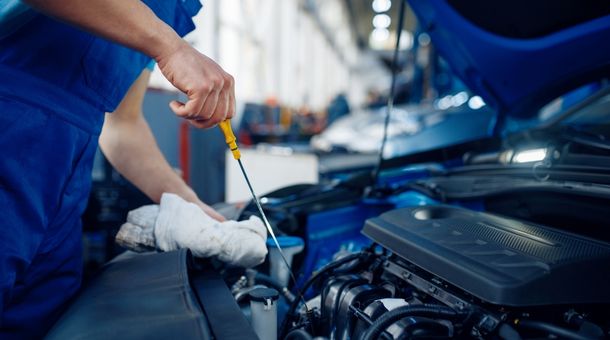
    • The Dipstick Smells Like Gas
    • High Oil Level

    How To Fix Oil SmellHow To Fix Oil Smell

    Since there are many approaches for this problem to arise, we endorse diagnosing each part of the automobile we’ve noted. This consists of your injectors, piston earrings, and your engine. Once you trust you have fixed the problem, you can update your oil clear out and pan.

    Faq 

    What do you do if your car oil smells like gas?

    Any harm in the piston jewelry will lead a sizable amount of gas into the oil pan, making the oil smells like fuel. You can do a leak down look at or a compression test to detect if there may be any hassle with the rings.

    Is gas oil harmful?

    Fuel oils are liquid combinations constituted of petroleum, and their use primarily includes burning them as fuels. Drinking or respiration fuel oils might also cause nausea or frightened gadget consequences. However, exposure under regular use situations is not likely to be dangerous.

    How do you fix gas in oil?

    Step 1: Drain Your Oil

    Step 2: Examine the Drained Oil

    Step 3: Replace the Drained Oil

    4; Step four: Measure Your Oil Level and Perform a Smell Test

    5 Step: If You Still Have Gasoline in Your Oil, Get Your Vehicle Checked Out

    Can gas in oil cause a misfire?

    Some small engines (2-stroke) use a mixture of oil and gasoline. In this example, if the oil changed into significantly contaminated, it is viable; it can cause misfires or even a stalled engine.

  • What is the best 4×4 for off-roading

    What is the best 4×4 for off-roading

    Despite having the same aggressive design and four-wheel drive system, 4x4s have better off-road performance than conventional SUVs. These versions can conquer the harshest terrain, including deep mud and rough rock.

    However, the processing capacity of each 4×4 model is different. So, what is the best 4×4 for off-roading? I tested and found the top list in the article below for your reference. Now let’s jump straight in!

    What is a Good 4×4?

    Before we get to the best 4x4s for off-road driving, let’s look at some critical information affecting the vehicle’s overall handling.

    Performance

    Performance is judged on multiple criteria, such as braking, horsepower, deceleration time, and traction.

    Every driver has their performance requirements. Standards in these related attributes will vary depending on the driver’s driving habits.

    Fuel Economy

    Fuel economy is a factor you should consider when choosing a 4×4 car. The best all-terrain vehicles will conquer rough terrain without adding to your fuel bill.

    Safety

    A reliable off-road vehicle needs safety features such as automatic emergency braking, blind spot monitoring, adaptive cruise control, and more.

    A vehicle’s safety score should be on crash test results from the National Highway Traffic Safety Administration. Your options are better off getting a safety rating from this agency.

    What is the Best 4×4 for Off-Roading?

    Cherokee XJ, Jeep Renegade, Toyota 4Runner, Lexus GX470, Suzuki Samurai, Land Rover Defender, Toyota Land Cruiser, Chevrolet Colorado, Toyota Tundra, Suzuki Jimny, and Mercedes-Benz G-Class are outstanding models. 

    These models meet performance, fuel economy, and safety standards well. If you are looking for the best 4×4 models for off-roading, refer to the names below.

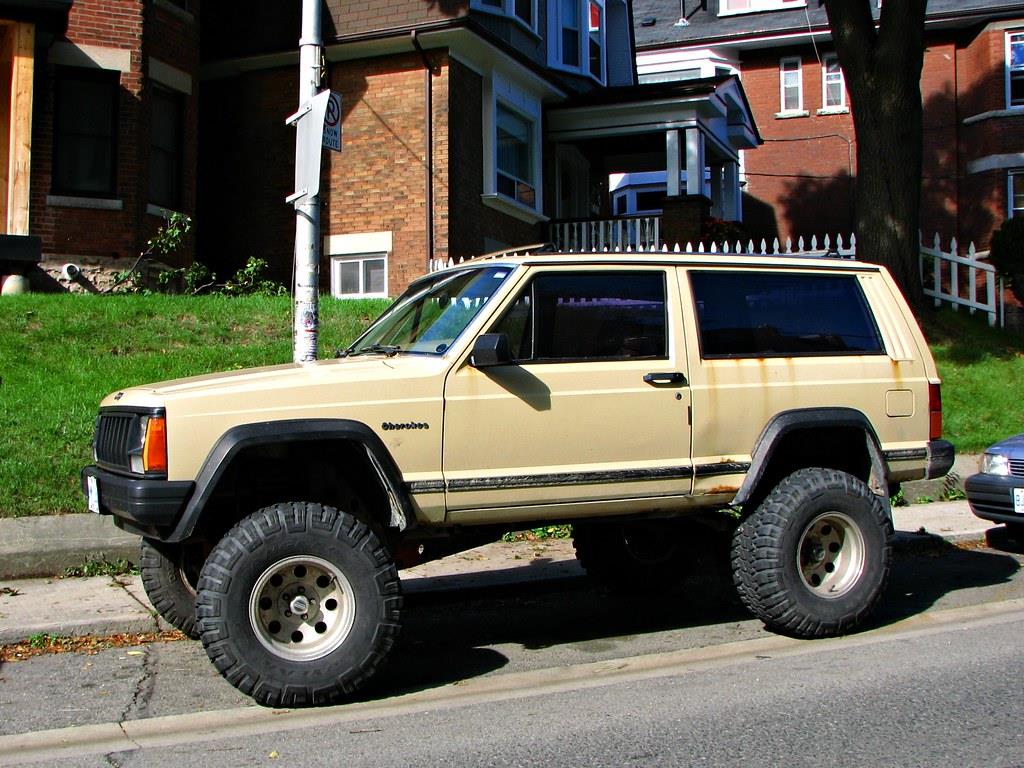
    Cherokee XJ

    Cherokee XJ best 4x4 for off-roading

    Image-Source: Cherokee XJ (link)

    The Jeep Cherokee XJ is an off-road vehicle that appeared quite early. Although it has been discontinued, it is still sought after by off-road driving enthusiasts.

    Its success comes from its reliability and certainty. It also offers two options, including two and four doors, to suit various audiences.

    Since it is no longer in production, finding an affordable Cherokee XJ will be challenging for any buyer.

    Jeep Renegade

    The Jeep Renegade is a 4×4 that uses an off-road capable all-wheel-drive model. Unlike its tough-driving competition, the Jeep Renegade is more enjoyable.

    This model also has a spacious design to help the driver feel comfortable. Yet, its interior is not as luxurious and comfortable as the driver expects.

    Toyota 4Runner

    Toyota 4Runner

    Image-Source: Toyota 4Runner (link)

    Older versions of the Toyota 4Runner are great models for off-road driving. It is powerful with good handling to conquer different terrain conditions.

    Newer versions of the Toyota 4Runner also have excellent performance. However, the V6 models will have quite a high price tag.

    Lexus GX470

    You can’t doubt handling a Lexus GX470, which is reliable in conquering rough terrain. Even in some respects, the GX470’s performance is as excellent as a Land Cruiser. In short, this model is ideal for the whole family’s off-road trips.

    Suzuki Samurai

    Suzuki Samurai

    Image-Source: Suzuki Samurai (link)

    Suzuki Samurai does not have a bulky design like many competitors. It’s compact, lightweight, and doesn’t support extensive tire upgrades well.

    These disadvantages make Suzuki Samurai not the first choice of off-road driving lovers. However, the Suzuki Samurai is a reasonably reliable car to run off the road. It handles well and meets the needs of conquering the harshest terrain.

    Land Rover Defender

    The Land Rover Defender is one of those 4×4 models perfect for muddy terrain, rock crawling, ramp extensions, and more.

    Its commendable handling power comes from its 40-degree approach, departure angles, and 291mm ground clearance. The above parameters have become standard for 4×4 off-road vehicles.

    The latest versions use the D300 diesel engine with torque for fuel efficiency.

    This model also offers a variety of models, such as three-door and five-door. So, it becomes the choice for conquering rough off-road tracks and street travel.

    Toyota Land Cruiser

    Toyota Land Cruiser is a model that can conquer the harshest environments in the world. Its ladder-shaped chassis is very supportive for on-road use, such as backpacking. It is reliable enough to use a 2.8-liter diesel engine.

    It also excelled in many traction tests, wading ability, and harsh road handling.

    This version also possesses several other unique advantages, such as a spacious and durable five-door model for long-term durability.

    Chevrolet Colorado

    Chevrolet Colorado

    Image-Source: Chevrolet Colorado (link)

    This 4×4 model will not be a truck that impresses the driver at first contact. It doesn’t offer too many accessories and doesn’t look as aggressive as many options currently on the market.

    However, Colorado has a 6,000 pounds towing capacity. This truck model is also one of the most challenging options for you to conquer the most impressive terrain in the price range.

    Toyota Tundra

    Toyota Tundra is a good model for the budget. Unlike the cheap old models, the Toyota Tundra is powerful and has a hefty load capacity.

    Its maximum towing capacity is 10,300 pounds, with a payload of 1,650. This ability helps it to conquer all harsh terrain with many obstacles.

    Suzuki Jimny

    This model is noisy on the road and does not have much space. Yet, Suzuki Jimny is still one of the 4×4 models worth considering because of its reliability and reasonable operating costs.

    In particular, with a design with a tiny overhang, this model has a much better approach angle and breakthrough speed than some competitors. Its compact design also dramatically helps with handling muddy and gravel terrain.

    With all the above advantages, it is not difficult to understand that even though the model has been on the market since 1998, the Suzuki Jimny is still a model that has received much attention.

    In particular, its updated versions have conquered many drivers who love off-road driving worldwide.

    Mercedes-Benz G-Class

    The Mercedes G-Class is luxurious and stylish with the ability to conquer harsh roads. Despite being a model that operates on rough roads with rough handling, the Mercedes-Benz G-Class retains its luxurious design and beautiful decorative details. Not many 4x4s have top-notch build quality like the Mercedes.

    Plus this model is also quite powerful. Its sophisticated engine and all-wheel drive system are enough to handle whatever terrain you take.

    Conclusion 

    Hopefully, this list above can help you answer the question: What is the best 4×4 for off-roading? You are almost not limited to finding suitable 4×4 templates because the above models can meet your needs and habits.

  • Top 10 Tips: How to Prepare Your Car for Winter

    Top 10 Tips: How to Prepare Your Car for Winter

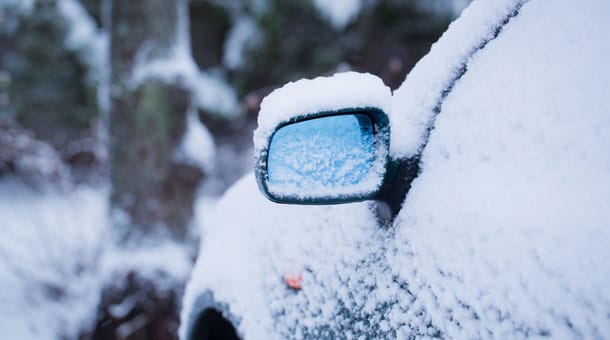
    The cold weather is upon us, and there are many things you must be aware of.

    As with the changes you can make to your clothing to keep warm, your car may require a cold-weather revamp to work correctly.

    If you’re looking for savings, then winterizing your car is vital. The money you spend today on the best fluids, new tires and brakes, wipers and other small improvements can help you save money later on.

    And if these correct winter car maintenance tips can help you avoid mishaps or accidents, every dollar and effort you make today will be worth it.

    TOP 10 Tips  HOW to prepare your car  for Winter


    1:  Check your Car brakes

    Check your Car brakes

    Your brakes should be in top condition, especially in winter. If they sound squeaky, create other sounds or strange sensations, have the problem checked. If you’re planning to take your vehicle out after a few days of being left unattended during the winter, you can set it off gently to see if the discs, callipers, or handbrake are frozen.

    2: Make sure the battery is charged

    As temperatures begin to fall, it’s vital to ensure your car is ready for colder weather. One method to ensure this is to test your battery. Colder weather can cause freezing of the battery fluid and make it difficult to start the vehicle.

    To avoid this, you must ensure the battery’s terminals are clear and clean of corrosion. Also, check the battery to determine whether it can hold a charge. If it’s not, it could require replacement.

    It’s also an excellent idea to have an extra battery in your trunk in the event there’s an emergency. With these easy steps, you’ll be able to make sure that your car is ready for any winter storm that comes it’s way.

    3: Check Your Car’s Belts and Hoses

    The belts and hoses under your car’s hood are usually examined when your vehicle is scheduled to be tuned up (usually every 30 miles).

    However, even if you’re not scheduled for an annual tune-up, it’s never hurt to ask a mechanic to check the condition of everything within your motor.

    The cold temperatures can cause damage to the belts and pipes, and when something breaks or snaps while you’re on the road and you need to get it fixed, a tow truck may be the only option to fix it.

    4: Check Your Car Tire Tread

    Check Your Car Tire Tread

    Tires with worn-out treads are among the most common reasons for winter accidents. Tires that have worn out or are old and worn make stopping more difficult and decrease stability, which is particularly the case in winter conditions. So the first step is to examine the depth of the tread.

    Measure tread depth with the help of a penny. Then, insert a penny into the tread with Lincoln’s head in the downward direction. If your tread appears higher than the height of the head, it’s time to replace your tires.

    Furthermore, check tire pressure and keep a gauge of pressure handy in your vehicle. Pressure drops on tires when the temperature gets colder.

    For example, a temperature drop of 10 degrees can lead to a one-psi decrease in weight. Inflated tires wear out more quickly and could result in sliding across slippery roads.

    5: Check Your Car’s Oil

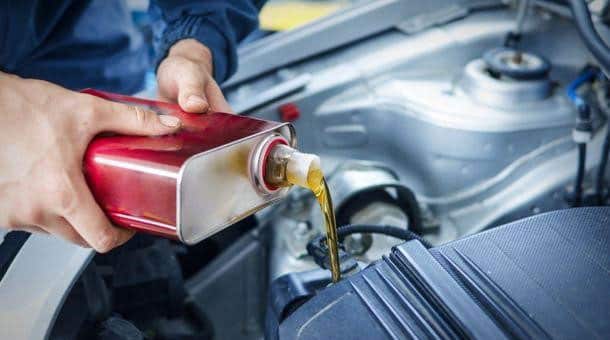
    To ensure that your vehicle can run smoothly in winter, You’ll need to test your oil to ensure the level isn’t low and is of the correct consistency. Always ensure that you’ve checked the owner’s manual of your vehicle to confirm that you’re making use of the recommended type of oil to maximize your vehicle’s performance.

    6: Have the emergency kits in your car

    6: Have the emergency kits in your car

    For any driver who has experience conditions in winter can turn unpredictable and hazardous. Snow, ice, and frigid temperatures can be treacherous, even a brief journey. Therefore, it’s important to be prepared by making sure you have a vehicle emergency kit for winter.

    The most important items are a shovel, an ice scraper cable, jumper cables tow strap, a first aid kit, and blankets. It’s also recommended to carry non-perishable food items and water if you are stuck. With a preparedness plan, you’ll be able to ensure that you’ll get to your destination safely.

    7: Install winter wipers

    They come with rubber to prevent snow from getting in the edges. Make sure you remove the blades when spring arrives. Since winter wipers weigh more than regular ones, leaving them on at all times adds stress to the wiper’s motor.

    7: Guard your paint job

    The winter weather can cause temperatures to fall and drop. You should think about the location you park your car. Complete exposure to cold and freezing elements isn’t a good idea, and constantly brushing snow and scraping ice off of your vehicle can cause scratches. A shelter of some kind will protect your car’s shiny exterior.

    If you own garage space, we recommend getting rid of it to allow enough space for your vehicle. However, investing in a top-quality car cover could be worthwhile if you do not have a garage.

    A sturdy garage cover or shelter can protect your vehicle while in a garage; however, what happens when you’re driving? The slush of snow and rock salt can cause damage to the car’s bodywork.

    To avoid this, routine washing of your vehicle in the winter months and even a protective wax during the winter months can help maintain the appearance of your paint.

    9: Headlights and Foglamps

    In addition to the temperature, another factor that is worthy of winter car care advice is fog. While fog isn’t an everyday phenomenon throughout India, it is prevalent, particularly in Northern regions.

    The most significant impact it can have on your driving in fog is visibility. Therefore, you should ensure that your lighting systems are in full health. Foglamps are more crucial in cutting in the fog than the headlamps in your car.

    Today, almost all vehicles have front fog lamps, and back fog lights are becoming more common. If your vehicle is old and is not equipped with fog lamps, it would make sense to purchase an aftermarket lamp if you live in areas prone to fog.

    10: Replace Your Car Air Filter

    Replace Your Car Air Filter

    If you are in an area that has frigid winter temperatures, the likelihood is that you’re about to spend the next couple of months travelling with the windows closed. With the heat and the defroster, your inside fan is in operation for the majority of winter time, and it’s not only about comfort.

    A well-flowing defroster can clear your windshield quicker, making safe driving conditions. The issue is that some vehicles come with the cabin’s blocked air filters, and eventually, the blockage will adversely affect airflow throughout the ventilation system.

    Dirty filters are less efficient in purifying the air, and the effect of a clean filter is twofold. First, it increases the security of the vehicle’s passengers and all other motorists in the roadway.

    Most of the time, your cabin’s air filter will be straightforward to replace, and it is a replacement that can be found for a reasonable price.

    For some relatively new vehicles, the air filters may be purchased from the dealer, and in that case, they’ll be costlier.

    However, the interior filters of the most popular models can be found on eBay at lower prices. The latest filters are typically more efficient than the OEM model, which means they are more efficient; however, there are many OEM filters to choose from on eBay too.

  • Top 9 Ways to Remove Car Dent

    Top 9 Ways to Remove Car Dent

    Top 9 Ways to Remove Car Dent
    Remove Car Dent

    Autogos another wonderful tips about best ways to remove car dent. Three things in life are guaranteed: death taxes and abrasion in your vehicle or truck. Even if you’re as cautious as you can be, you won’t be able to predict the possibility of runaway shopping carts, hurled footballs, light posts that are out of nowhere, and other annoyances that happen in the real world.

    If you’ve got a dent or scratch, now the most important thought you’re thinking about is most likely how to remove it.

    You can bring it to the body shop or your local mechanic to repair it; however, their quotes are often outrageous, particularly when trying to get rid of all the paint or apply to fill the area with body paint.

    TOP 9 DIY WAYS TO REMOVE CAR DENT

    SUCTION Using A Plunger By following this method, you’ll be able to have a little fun within a matter of minutes. Use a plunger on your car the same as you would for a sink. The suction created will lift the dent away from the side panel or door.

    Be sure to use an oblong plunger instead of a flange plunger, as the latter will not have sufficient suction to pull the ding out. To test whether the dent will let go, wet the plunger and dent, and then pull it a few times.

    Be careful not to be rough, as the dent could need more suction than a plunger could provide.

    BOILING WATER

    This is the 2nd way to follow the best DIY methods to eliminate your car’s dent. Modern automobiles with plastic bumpers allow them to be more flexible regarding the release of dents.

    If you’ve got an issue with the bumper on your vehicle or truck, remove it using boiling water to press the scratch-off plastic. Just bring boiling water to the point of being able to sprinkle it on the damaged area.

    Grab the dent in your fingers and pull it out using your hands. As the plastic has warmed, it will be more flexible, which makes it easier to get rid of the dent.

     Use a Hair Dryer & Compressed Air

    Another technique for getting car dents from plastic is using two well-known household appliances: a hair dryer and compressed air.

    Begin by heating the car’s dent using the hair dryer at the maximum temperature. This will cause the plastic to expand on the car. Once it is hot enough, take the container filled with compressed air and turn it upside down and start spraying the same region. Since cold air causes the plastic to shrink and expand, it will break and pop off.

     Use Dry Ice

    Primarily utilized to cool the air, dry ice is a great option to eliminate tiny dents on your vehicle. If you’re wearing gloves that are protected, put a bit of dry ice to the dent and rub it until you can hear the dent disappear.

    Use the dry ice as frequently as possible; however, it will come out eventually if your dent isn’t too significant. It is also possible to heat the dent before you do this, using something similar to an air dryer (similar to the hairdryer and the compressed air tip mentioned above). Then, apply the dry ice.

     Use a Vacuum Cleaner & Pot

    Suction is a method to eliminate the dent; however, the challenge is finding a puller for the dent with the correct quantity of power. So, why not build your own?

    All you require is an empty bucket or pot (or bucket) and or bucket), a vacuum, and some tape, and you’ll be able to get that scratch from your vehicle in no time.

    Create small holes under the pot, tape the pot to the dent, place your vacuum cleaner’s hose over the hole beneath the pot, and switch on your vacuum. If the hole isn’t too deep, the created suction will make your dent pop out.

    Use Hot Glue, Wooden Dowels, & Screws

    If you try to fill off dents on your own, You run the possibility of causing further damage to your vehicle if you make the damage worse or scratch the paint. A practical method to remove large dents on your vehicle is to use some wooden dowels, screws and hot glue guns.

    Put two nails on each dowel, and then put the hot glue on the bottom. Lay the dowels glue-side up on the area around the dent. Repeat until you’ve used them all to cover the area and allow them to dry, then remove each one until the dent has disappeared.

    Put and pull the same dowels from different locations over the dent till all of it is released. If you’re considering this method, ensure you have enough glue and a bit of patience. Utilize the rubbing alcohol or the heat to remove adhesive from the vehicle.

    If a car is damaged by dents in your car, the material does not just go inwards. The edges surrounding the dent can also move upwards, making the appearance of a small volcano. So, popping the dent from beneath isn’t the best way to go about it.

    Set and pull the dowels at various places in the dent until most of them fall out. If you’re considering this method, ensure you’ve enough glue and patience. Use rubbing alcohol or heat to remove the glue from the vehicle.

     Use a Long Metal Rod & Knockdown

    If a car is damaged by dents in your vehicle, the metal doesn’t just go into the interior, but the edges also rise to make an erupting volcano. Removing the dent from the bottom is not the best option.

    George Gjokaj, a master Paintless Dent Repair (PDR) technician, can repair dents by working at both ends. Utilizing a combination of a long rod of steel beneath it and a tap down or knockdown instrument (wooden or rubber) on the top and bottom, he can completely take the dent out of your car. It’s a good thing because it does work.

    Make use of a special tool

    If you’re not experiencing success with any of these above strategies, you might also try Pops-a-Dent and a suction cup-based dent removal tool.

    These nine DIY techniques can help you when you encounter any issues related to your car’s dents. Always ensure you have a good car cover to shield your vehicle when not being used since it will help prevent any damage to your car or truck.

    Be aware of driving in the same area as other vehicles or objects because this is the place most likely to cause damage. Occur.

    Before you give up hope on removing a scratch from your vehicle or truck, consider these methods a shot; the results will be awe-inspiring. The best part is that the dent can be erased regardless of how large or awful.

    Using a plunger or a vacuum cleaner to eliminate scratches on your car is just one of the DIY methods. If these methods fail, then seeking help from an expert is the best choice.

  • Top 9 Winter Safety and Driving Tips 2022

    Top 9 Winter Safety and Driving Tips 2022

    No matter if you’re driving in winter for the first time or an experienced driver needing an easy refresher, there are some great winter driving tips that apply to everyone. Since the conditions vary in every Canadian city, we’ve created an array of winter driving tips to keep you safe during the coldest period of the entire year.

    The winter driving season in Canada is just beginning, and most areas of Canada’s True North will see lots of ice and snow on the roads for the next six months.

    Every region has their unique set of winter driving rules, including whether winter tires are necessary or not, and driving during the winter season is a different experience from driving during the spring, fall and summer.

    If you’re in the cold Maritimes provinces, the frigid Prairies or the temperate GTA or Vancouver regions, these guidelines will help you stay safe while you traverse the cold Canadian climate.

    Top 9 Winter Safety and Driving Tips

    Early Checks

    You need to conduct a few simple inspections on your vehicle before driving off throughout the year.

    1: Fluids Check:

    Winter Safety and Driving Tips
    Winter Safety and Driving Tips
    • Check the oil in your engine. The oil should be in the top state and be in the correct amount (otherwise, fill it up with the help of your mechanic)
    • Check the coolant (Known as antifreeze). It protects against corrosion and assists the engine in maintaining the temperature in the summer. In winter, it lets the heater throw warm air and prevents freezing the water in the radiator.
    • Transmission fluid (usually Gear oil) should be examined regularly to keep your transmission in good condition.
    • Check that the battery in your vehicle is fully charged (also verify the battery’s age and ensure cables aren’t loose)

    2: Visual Clearance:

     Make sure you check the side mirrors (they must not be in a damaged condition).

    • Install rear cameras (if possible) for rear (Reverse) clearance.
    • Use liquid soap to clean windows and windscreens.
    • Make sure to check the blades of your wipers. Replace the wiper blades if needed.

    3: Tires:

    • Make sure that your tires are in good shape.
    • It is essential to regularly monitor the tire’s pressure and condition, particularly in winter.
    • If the tread thickness of the tire is less than 2 millimeters, then it’s time to replace the tires on time to prevent any driving accident.

    4: Lights:

    • Check that your car’s front, rear, and Indicators are operating correctly.
    • Driving with low beams is dangerous due to high beams cause high reflection.
    • Fog lights should only be used in foggy or rainy weather conditions.
    • Fog light provides the best view when on the road.

    5: Clear your car of SNOW AND ICE

    Clear your car of SNOW AND ICE
    Winter Safety and Driving Tips

    If you’re taking an excursion when it’s stormy, rainy or bitterly cold out, ensure that your car is clean to view the driver’s windows. Make sure you clean all the windows on your vehicle’s front side, and your headlights and your backlights.

    Cleaning the car’s top inadvertently could cause water or snow to spill over your windscreen as you descend. In some areas, it could result in a fine for the offence.

    Ice formation is on the car’s surface because of cold weather conditions. The deicing spray is a good solution if it’s difficult to remove the ice from your windshields. Ensure your wipers are up before you leave the car to keep them from freezing on the windscreen.

    6: MAINTAIN A SAFE DISTANCE

    Others who are not experienced on roads with ice or do not have correct tires installed are a big risk when driving during winter. Reduce your speed as you drive.

    If you are driving during winter, maintaining an appropriate distance between the vehicles is crucial because you require sufficient space to brake properly.

    You could risk losing traction if you take a lot of force with your brakes. So, you must keep your speed low and let other vehicles overtake you if they choose to follow you or accelerate.

    A VERY SIMPLE RULE OF THUMB is that, during normal driving conditions, keep a distance from the VEHICLE in front equal to the distance you’ll cover in 3SEC at a given speed. If you are driving in fog or slick ROAD CONDITIONS, INCREASE THE DISTANCE to the equivalent of 6SEC.

    7: Drive With Extreme Caution in the Freezing Rain

    Drive With Extreme Caution in the Freezing Rain

    Driving in rainy and cold temperatures is a necessity in some cities. Temperature variations are typical across many areas, resulting in various road conditions. If there’s a lot of freezing precipitation, you’ll see many slippery and icy roads.

    If driving during this kind of weather, motorists must be extra cautious as the risk of losing control of the vehicle is greater, and visibility can be reduced.

    9: Make a winter driving safety Plan Ahead

    Notice and Be Notified

    Being visible to pedestrians and vehicles is among the best ways to prevent accidents. Make sure your headlights are on and free of frost, and ensure a safe distance between your vehicle and others according to the guidelines. Being able to see other vehicles that are in your blind spot could be difficult, especially in the winter months. Be cautious with your speed and keep alert for any movement on the road.

    Beware of driving in very bad conditions.

    If the forecast for the weather says it’s going to be a miserable day, you should avoid getting in a vehicle. It’s better to be patient until you’re stable enough to drive and confident the road-maintenance vehicles will return.

    WHEN IT’S SLICK, KEEP YOUR COMPOSURE AND CONTROL

    If it’s snowing or freezing, do not put too much pressure when you brake. The brakes are pumped to make you stop fast and not slip when you have to stop immediately.

    If your vehicle is equipped with modern braking technology called Anti-Lock Braking System (ABS), that will aid you in stopping under difficult conditions by pressing the brakes.

    If your vehicle is equipped with a standard transmission, accelerating by shifting the gears rather than brakes will reduce the speed.

    This is particularly useful in the case of descending a slope. Be sure not to let the clutch flutter when you release it. Otherwise, you’ll be able to start an unintentional skid.

    In snowy winter conditions, do not slow or accelerate too quickly in curvy turns. If you begin sliding when stopping, remove your foot from the brakes and turn the steering wheel in the direction you wish to.

    Safely driving in winter weather can be challenging, particularly in the northern regions prone to snow and ice. Driving in winter can be difficult even for the most experienced driver. However, not all drivers are the same.

    If you’re trapped and helpless If you are in a bind, follow these steps:

    • Be in the car until assistance arrives.
    • Don’t drive away from your vehicle unless you are sure of the exact location of the vehicle.
    • To attract attention, wave a bright cloth, then turn off the parking lights.
    • If you think you can alter your situation, take your time, energy, and thoughts to eliminate that circumstance.


  • 12 Steps to Easy Drive a Manual Car

    12 Steps to Easy Drive a Manual Car

    Manual driving can be among the more difficult tasks, particularly when driving with a vehicle full of people watching along with comments to go with it. However, it’s among the most rewarding learning techniques, especially if you plan to use more advanced driving methods such as tracking your car, road racing, etc.

    How to drive a manual car

    12 Steps to driving a car

       Step 1: Ensure You’re Neutral 

    Put your car in neutral gear by shifting the gear selector towards the middle of the boot. To confirm the car is neutral, move the stick shifter and check whether it can move freely. If it’s not moving quickly, check if you’re sure that your gear selection truly is in the middle or not.

    Step 2: Place Your Foot Onto the Clutch Pedal

    Place Your Foot Onto the Clutch Pedal

    After our car is in neutral, We can move on to our next step, which is to begin the manual transmission.

    To begin the manual transmission car, you must use your left foot to push the clutch pedal completely until the car’s floor. This is a security feature found in many modern cars – to reduce the risk of accidents.

    Step 3: Safety Check

    Check that the car remains in neutral by moving the gear shifter towards the midpoint of the gear shifter, shifting the gear selector back and forth, and then verifying that the stick shifter is moving freely, and also confirming whether the pedal for the clutch is pressing until it reaches the ground. We can proceed to the next step.

    Step 4: Search for the ignition

    To turn on the car, you need to find the ignition. They are usually located close to the steering column. Certain vehicles come with push-to-start options. Be sure to read the owner’s manual if you’re unsure about your vehicle’s ignition Location.

    Step 5: Change the ignition Halfway

    To begin the engine, you need to adjust the ignition to halfway so that all of the vehicle’s sensors register their readings.

    Step 6: Turn on the vehicle On

    When you have your feet on the pedal to the clutch fully, with your gear selector in a neutral setting, you can switch your vehicle’s engine over and then start the engine.

    Step 7: Disengage the Handbrake/Parking Brake

    Disengage the Handbrake Parking Brake

    You must remove the handbrake to begin moving ahead in your vehicle with a manual transmission. Check your owner’s manual to determine if your vehicle has an electronic handbrake because these vehicles do not show as having an electronic handbrake.

    The handbrake is not just risky because of the heat it creates and the heat it creates, but it’s also extremely harmful to your vehicle.

    If you are disengaging the handbrake, ensure you sit on a level floor. If not, you can put the brake pedal in place by using your right foot while taking off the handbrake or e-brake.

    Step 8: Prepare Yourself for Rolling Forwards

    After we’ve got our vehicle going, we’ll be able to take the next steps of driving with a manual. At this moment, it’s recommended to breathe deeply, take a deep breath, count to ten, and ease your muscles.

    We will then try our first steps at using a manual transmission.

    It’s a good idea to buckle your seat belt if you aren’t yet and to alter your seat in the most comfortable posture possible.

    Step 9: Place Foot On Clutch Fully

      To begin with, the procedure going forwards, we have to release the clutch completely. This is because this is the instrument we will employ to propel the manually-driven vehicles forward.

    Step 10: Move Gear Selector Into Its First Gear

    Once the clutch is fully engaged, Move the gear selector to its first gear. To do this, look up the stick shift pattern on the upper end of the shifter. If you can’t find any shift patterns in your stick shift car, it’s okay. The first gear on most vehicles is situated in the top left corner of the gear selector.

    However, you can shift your gear selector light up and down. Be aware that certain vehicles can make this procedure a bit difficult. It’s very much about trial and trial and.

    Step 11. Begin Moving Forward

     Once the clutch is fully engaged with the selector of your gear shifted into the initial gear position, it can start moving forward.

    To start moving within your vehicle with a manual transmission, lifting your foot on the pedal is necessary. The faster you release your pedal, the less likely you’ll stall and the greater chances of you moving forward.

    Remember, stopping your car the first 50 to 100 times you attempt driving manually is normal. Don’t be afraid to let the motor stall or apply the brakes whenever you need to because beginners built most modern automobiles with the idea that dropping the clutch and then stalling does not cause damage to your vehicle.

    Step 12: Pat Yourself on the Back!

    Manually driving can be a difficult procedure. More than a few people have failed their initial attempts to learn how to do it. Don’t be discouraged, as many drivers who learned to drive manuals failed in their first go-round. Keep at it, and you’ll be rewarded with the knowledge in a declining art: operating a manual.

    Is it the brake then the clutch to stop?

    Slowly driving, clutch, then brake at the point of stopping. When you’re driving faster, brake and the clutch to lower.

    How do you slow down a manual car in traffic?

    For a slowing down of your car To slow your car down, press the brakes. Let the accelerator off (obviously); when the engine’s RPM is close to 1000, you can press the clutch.

    You can choose from three options concerning the amount you’d like to speed up and what you’re planning to do. 

    • Take the gas off.
    • Make use of the brake.
    • Switch to a lower gear.

    Can you skip gears when slowing down?

    Engineering Explained tackled the common method in the latest episode. The short answer is that skipping gears while changing gears or upshifting is acceptable. However, these practices must be carried out with some background information.

    How to drive a manual car on a hill

    When you drive uphill with an automatic car, you’ll typically require changing to a lower speed or losing energy. It’s all about speed. You can switch one or two gears and continue driving as usual.

    You might require putting your foot in the throttle more than normal to achieve the same speed as you climb. Be careful that you do not fall back to a level surface, and prepare to take the accelerator off and switch to a higher speed.

    For a hill start, you must follow the steps above. However, you might need to activate the handbrake rather than using the footbrake. This is to ensure that you can use one of your feet for the clutch and the other to accelerate as quickly as you can, which helps you avoid sliding backwards.

    It’s also crucial to ensure you have the most powerful bite when using the clutch during hills. Check out our complete hill-start guide for more tips.


  • 3 Things Should Consider While Changing Gears

    3 Things Should Consider While Changing Gears

    Here Autogos provides best things to consider while changing gears, The first thing you’ll need to do as you begin driving school is know how to switch gears. It’s crucial to determine what gear is appropriate for the speed you’re driving at, your acceleration level, specific features and conditions of the particular road you’re driving on.

    The proper gear will allow you to drive your car without risk, while the wrong gear can result in stalling, hazardous actions or an excessive rate of revving.

    Modern cars often advise the driver on when to shift gears. If you’re learning in a car equipped with this option, you’ll probably be considering buying a lower-priced, older car after you’ve finished.

    Therefore, it’s essential not to depend on the vehicle’s gear-related prompts. Instead, you should have an in-depth understanding of when to switch between the gears in a manual vehicle via sound, feeling and speed.

    How to Changing Gears

    Let’s begin with the fundamentals. The majority of cars contain seven or six gears: five or six forward gears, and a reverse gear. They are typically controlled with an instrument that is located between the front and driver seats. It is aptly called “gear stick”.

    To switch gears, press on the clutch and shift it to the gear you want to change into. Once you’ve changed gears, pull your foot gradually out of the clutch while pressing the accelerator. When you’re pulling back from the accelerator, you’ll need to determine the point of friction to ensure that you don’t get stuck.

    Things Should Consider While Changing Gears

    The steps will likely become routine to you as time passes however, initially you could make mistakes. If, for instance, your clutch is not fully engaged when you turn it, then you might be able to hear an unpleasant noise. This is also known as grinding your gears and is harmful for your car..

    Things One Should Consider While Changing Gears for Their Vehicle

    1. Change gear as early as possible

    The ability to know when to shift gears when you’re driving a car that has a manual transmission is crucial to ensure that your engine doesn’t get overloaded. This can happen when you’ve picked the lowest gear, and the engine’s speed (indicated by the revolutions per Minute or RPM counter that you see on the dashboard) is at a high level.

    Different cars have various gear ratios, which respond more to downshifts and upshifts at different speeds and rev ranges.

    Additionally, the gear you’re required to be in at any moment will be determined by external resistance factors like gravity, wind (i.e. when you’re driving on the uphill) and rolling resistance of the tyres as well as mechanical resistance generated by the drivetrain.

    In general the goal is to keep the rev counter at 1500-2500rpm when you’re moving at a constant speed. Naturally, you’ll want to go higher than this when driving up an incline as a higher speed is required to accelerate against resistance.

    A study carried out in the name of Engineer Explained suggests that selecting the right car can help you save the equivalent of 20.5mpg This sort of distinction is what will determine whether you select one car model over the other.

     2. If you have it, make use of a gear change indicator

    If you have it, make use of a gear change indicator

    The gear change indicator became obligatory in passenger vehicles from 2012 onwards Therefore, the chance that you’ve got one installed in your vehicle is highly likely.

    These helpful driver assistance functions will let you know the perfect time to shift to a lower or higher gear in your vehicle. It’s a great option if you’re not sure about the RPM dial as well as your speedometer at the same time to determine when the time is right to switch.

    The majority of indicators for gear changes are placed within your view as well for easy usage, like on the steering wheel controls or on your driver’s display on your instrument.

    1. Skip gears when overtaking

    There’s nothing more annoying than when you’re driving along an extremely fast road and come upon an unmoving vehicle that needs to pass. In the beginning, the best step is slow down but you’ll then need to gradually lower all the gears (e.g. between fifth and fourth and then third etc.) before having enough energy to overcome safely and in a timely way.

    But what if you were able to save yourself this trouble with a bit of planning and skipping gear? The positive news is that you can.

    If you are able to see that you’re coming up against the speed limit of a vehicle and are aware that you have to pass then you are able to shift from third to fifth for instance. If you make sure that you’re applying enough revs that match the range of operation for the particular gear (i.e. you’re not putting enough revs to the car and it’s slow to increase speed) you’ll be able to accelerate quickly.

    Remember:

    The lower gears offer plenty of acceleration, but they are unable to keep up with the speed prior to the vehicle moving extremely quickly.

    The high gears offer speed, but it is not the accelerator.

    For a smooth and smooth ride, you must be wary of “snatching” (changing gears with excessive force). To make the shift more smooth, allow the gearshift stop for a second after it is crossing that neutral area.

    What do gears do and how do they do it?

    What do gears do and how do they do it

    ●        Increase speed:

    If you join two gears, with the same number of teeth, and one is more powerful than the other (generally which signifies it’s a larger-sized wheel) and the second will have to rotate more quickly to keep up.

    Therefore, the second wheel is turning faster than the other but it’s with less force. If we look at the diagram below that turns the blue wheel (with forty teeth) will cause the blue one (with 20 teeth) run twice as fast, yet with less force.

    ●        Increase force:

    When the other wheel of the pair of gears is more toothed than the other one (that is the case if it’s a bigger wheel) it is turning slower than the other but it is more powerful. (Turn on the blue one while the red wheel is slower, but it’s stronger.)

    Change direction:

    When two gears are connected and mesh together, the second one rotates towards the reverse direction. If the first rotates clockwise, the other one will rotate counter clockwise. It is also possible to use special gears that are designed to help make the machine’s power move through an angle.

    In the case of cars, for example you can see that the differential (a gearbox located in on the back axle in a car with rear wheels) makes use of cone-shaped bevel gears to change the drive shaft’s power 90 degrees and rotate the rear wheels.

  • Top 10 Reasons Why the Car Oil Change is Necessary

    Top 10 Reasons Why the Car Oil Change is Necessary

    The engine in your car is a complex and intricate piece of machinery. However, one thing you know about your vehicle’s engine is that it requires fresh oil to function correctly. Lets look at car oil change tips.

    Inadvertently changing your oil regularly could cause the degradation of your engine and, eventually, a seizure or the engine shut down.

    When that happens, you’re facing potentially frightening costs for repairing or replacing your engine. It’s much simpler to stay ahead of the game using preventative measures, such as regular oil adjustments.

    SORT OF OIL

    What kind of oil is recommended, and how often should it be used? It’s based on the type of oil you are using, the kind of vehicle you use, and the frequency you drive. The owner’s manual can assist you at this point.

    Top 10 Reasons Why THE CAR OIL Change is necessary

    Three months every three months, or 3,500 miles, per the old phrase. Traveling a specific amount of miles is more important than driving for a particular duration. You could embark on the road and cover some thousand miles in just a couple of weeks, but it may take up to five months to cover the distance required.

    Be aware of the odometer and how you’ve been driving your vehicle. Bad weather or carrying a lot of heavy objects behind your vehicle will affect the oil in your car. Changes in oil and fresh oil play various crucial roles in your vehicle’s engine.


    Also Read:

    Top 5 Best Synthetic Oil to Keep Your Engine Healthy!


    9 Reasons Why a Car Oil Change Important


    1.      Longer Engine Life More Likely with Routine Oil Changes

    It is essential to the health of the car. It protects and lubricates your engine, as well as its essential parts, from damage and wear. The issue is that oil becomes dirty. When you get your filter and oil changed under your manual for the owner, You will ensure that your engine is well-maintained and safe, in addition to saving money.

    Time and anxiety. A regular oil replacement will be an investment which will ensure that you’ll be driving around in your car for many years in the future.

    2.      Changing Your Oil Protects Other Engine Parts

    What exactly does oil do in my automobile? Within your engine are numerous key components that help it run, including the crankshaft and the rods that connect it.

    Regular Oil Changes Keep You Engine Clean

    These rods are responsible for controlling the pistons inside your engine’s cylinders. Another component is the camshaft, which assists in closing and opening the exhaust valves of your vehicle. Ensuring that you have fresh oil in your vehicle’s engine is vital to keep the condition of these parts running and functioning correctly.

    3.      Improve Your Gas Mileage by changing your oil on Time

    Make sure my oil is changed on Time, and I’ll get more gas mileage. How do I accomplish that? Finding a car that is efficient on gas is essential for all of us. Miles per gallon are influenced by various elements, such as the terrain, environment and personal driving habits.

    Maintenance on your vehicle. If your vehicle is not maintained correctly, all that dust and grit that we discussed in the past will build up in your engine, creating friction. And friction isn’t a friend to your engine.

    Friction is the main enemy of engine performance and optimal energy efficiency. Making sure your engine is always running with clear oil can help lessen friction, allowing your engine to operate more efficiently and resulting in the highest possible fuel efficiency.

    4.      Pass Your Vehicle Emissions Test & Protect The Environment

    If you want to pass an emissions test, it’s about how much of these hydrocarbons, or particles, are sprayed into the air.

    If you do not change your oil regularly, dirty oil accumulates these hydrocarbons within the crankcase. Then, they are burned in the process, which causes more to release into the air via the car’s exhaust.

    Not just changing your oil at the right Time help you pass the obligatory emissions test, but you’ll also be polluting less.

    5.      Routine oil changes help to better engine performance.

    As Time passes, old oil begins to break down because of exposure to temperatures. This results in the loss of its viscosity and its ability to lubricate the engine’s cylinder walls. Essentially, the dirtier the oil gets, the more difficult it is to get it to where it has to go.

    The sludge starts to build in places that hinder fluid flow to the parts requiring fluid lubrication. Another reason oil is used can be to draw warmth away from the parts of your engine.

    When they’re coated with sludge, the parts are hotter for longer. The engine ultimately will run slower, and its performance is diminished in terms of power and mileage.

    6. Preventing Leaks

    Leaks in oil are another problem that can occur if the oil remains for a long time and is unreviewed. If your oil level is low, it could be a sign of leaks.

    Improve Your Gas Mileage by changing your oil on Time

    Routine oil maintenance ensures that the problem is treated before they begin.

    Better fuel economy Clean oil is an engine running more efficiently and with lower energy consumption. The investment in regular oil changes typically means saving cash in different areas.

    7.      Extended Car Life

    Would you like your car to last for as long as feasible?

    Frequent oil changes are essential if you want to prolong life and get maximum performance from your car.

    As mentioned, the previous 10 reasons that an oil change is essential will allow you to safeguard your car and save Time since its engine is among the most important and costly parts.

    A timely oil change is among the most crucial actions you can take to ensure the health of your engine and prolong its lifespan.

    It is recommended to check the condition of your engine’s oil at least once every 15 days. Replace it with the filter with oil every few months or when mileage exceeds 3000-5000 miles, depending on when that happens.