Car detailing is like deep cleaning your car, inside and out, to make it look shiny and new. But when you get this service, you might wonder if you should tip the person doing the work.
In this article, I’ll explore the etiquette of tipping car detailers, helping you understand when and how much to tip, and other ways to show appreciation for exceptional service.
Understanding Car Detailing Services
Before giving tipping etiquette, it’s important to understand what car detailing involves.
Car detailing is a thorough cleaning and restoration of a car, both inside and out, to enhance its appearance. This process can include washing, waxing, polishing, vacuuming, and more.
Why You Should Tip Car Detailers
Your car looks amazing after detailing, with a fresh interior and no dirt in sight. The detailers are the ones that made this transformation happen. Here’s why it’s important to tip them:
Rewarding Hard Work
Detailing isn’t just a quick wash. It involves a lot of effort, attention to detail, and knowing how to use the right products. Tipping shows that you appreciate their hard work.
Building a Relationship
Tipping can help if you plan to return for more detailing. It makes the detailers feel appreciated and more likely to give your car extra care in the future. They might even remember your preferences.
Encouraging Great Service
If the detailer goes above and beyond, like removing a tough stain or fitting you in when they’re busy, a tip shows that you’re thankful for their extra effort. It encourages them to keep up the good work.
Why Some People Don’t Tip Car Detailers
While tipping car detailers is a common practice, some people may choose not to tip for various reasons:
Budget Constraints
Some individuals may have limited funds and must prioritize other expenses over tipping.
Misunderstanding of Service
If someone is unaware of the effort and skill involved in car detailing, they may not see tipping as necessary.
Poor Service
If the detailing service did not meet expectations or was unsatisfactory, the customer may choose not to tip.
Tipping for services like car detailing may not be customary or expected in some cultures.
Personal Beliefs
Some individuals may have personal beliefs or principles that lead them to avoid tipping in general.
Expert Opinions on Tipping Car Detailers
let’s discuss this
Etiquette Experts
Etiquette experts generally recommend tipping car detailers, especially if you are pleased with the service.
They suggest tipping between 10% and 20% of the total cost, depending on the quality of the service and your satisfaction.
Industry Professionals
Many professionals in the car detailing industry appreciate tips to recognize their hard work and dedication. They often view tipping as a gesture of appreciation for a well-done job.
Consumer Advocates
Consumer advocates often suggest tipping to support service workers, including car detailers.
Who may rely on tips as part of their income? They emphasize the importance of tipping based on the quality of the service provided.
Personal Finance Experts
Personal finance experts may have varying opinions on tipping car detailers. Some may emphasize the importance of budgeting and suggest tipping based on personal financial circumstances.
Tipping car detailers is a personal choice that can be a way to appreciate their hard work and dedication.
Whether you tip or not, it’s important to acknowledge the effort and skill involved in car detailing. Tipping can help build a positive relationship with detailers and encourage exceptional service.
Ultimately, the decision to tip should be based on your satisfaction with the service and your personal beliefs about tipping.
Car starters play an important role in getting our car up and running, yet many of us don’t give them much thought until they fail.
Have you ever wondered how long a car starter lasts or what factors can affect its lifespan?
In this blog post, I’ll delve into car starters’ typical lifespan, the factors that can impact how long they last, and signs that your starter might need attention.
Understanding these aspects can help you take better care of your vehicle and avoid unexpected breakdowns.
Lifespan of Car Starters
On average, car starters can last between 50,000 to 100,000 starts. However, this estimate can vary significantly based on several factors, including driving habits, environmental conditions, and the quality of the starter itself.
What Causes A Starter To Go Bad?
Several factors can cause a starter to go bad. Here are some common reasons:
Overheating
Starters can overheat if subjected to high temperatures, such as those found in the engine bay. Overheating can cause the starter’s components to expand, leading to increased friction and wear.
Overheating can cause the insulation on the starter’s wiring to degrade, potentially leading to electrical issues.
Incorrect Installation
If a starter is not installed correctly, it can lead to misalignment with the flywheel or flexplate. This misalignment can cause excessive wear on the starter’s gears and other components, leading to premature failure.
Frequent Short Trips
Starters are designed to handle a certain number of starts over their lifespan. Frequent short trips, where the engine is started and stopped frequently, can put extra strain on the starter, leading to premature wear and failure.
Lack of Maintenance
Regular maintenance is essential for keeping your starter in good working condition. This includes checking the starter’s electrical connections, ensuring the battery is in good condition, and inspecting the starter for any signs of wear or damage.
How Long Do Car Starters Last?
The lifespan of a car starter can vary depending on several factors, including the quality of the starter, driving habits, and maintenance practices.
On average, a car starter can last between 50,000 and 100,000 starts. However, this is just an estimate; some starters may fail sooner or last longer.
Factors such as frequent short trips, extreme temperatures, and the overall condition of the car’s electrical system can also affect the lifespan of the starter.
Regular maintenance, such as checking the starter’s connections and ensuring the battery is in good condition, can help extend its lifespan.
Additionally, mindful driving habits, such as avoiding frequent short trips, can help reduce the starter’s wear and tear.
Keep the starter’s connections clean and tight, and ensure the battery is in good condition.
Limit frequent short trips, as they can strain the starter.
When replacing components, use high-quality parts that meet manufacturer specifications.
Maintain your engine to reduce strain on the starter during startup.
Park in a garage or use a block heater in extreme cold to reduce strain on the starter.
Conclusion
Taking care of your car starter can help prolong its lifespan and reduce the likelihood of unexpected failures.
By following the tips mentioned above, such as regular maintenance, avoiding frequent short trips, using quality parts, tuning your engine, and protecting it from extreme temperatures, you can help ensure that your car starter remains in good working condition for as long as possible.
A well-maintained starter can save you time, money, and the hassle of dealing with a breakdown.
Understanding what struts do on a car is essential for drivers to comprehend how their vehicles operate and to recognize when maintenance or repairs are necessary.
What Are Struts?
Struts are a crucial part of a vehicle`s suspension system, which gives a snug journey through soaking up bumps and shocks from the road surface.
Unlike shock absorbers, separate components in many cars, struts are integrated into the suspension assembly.
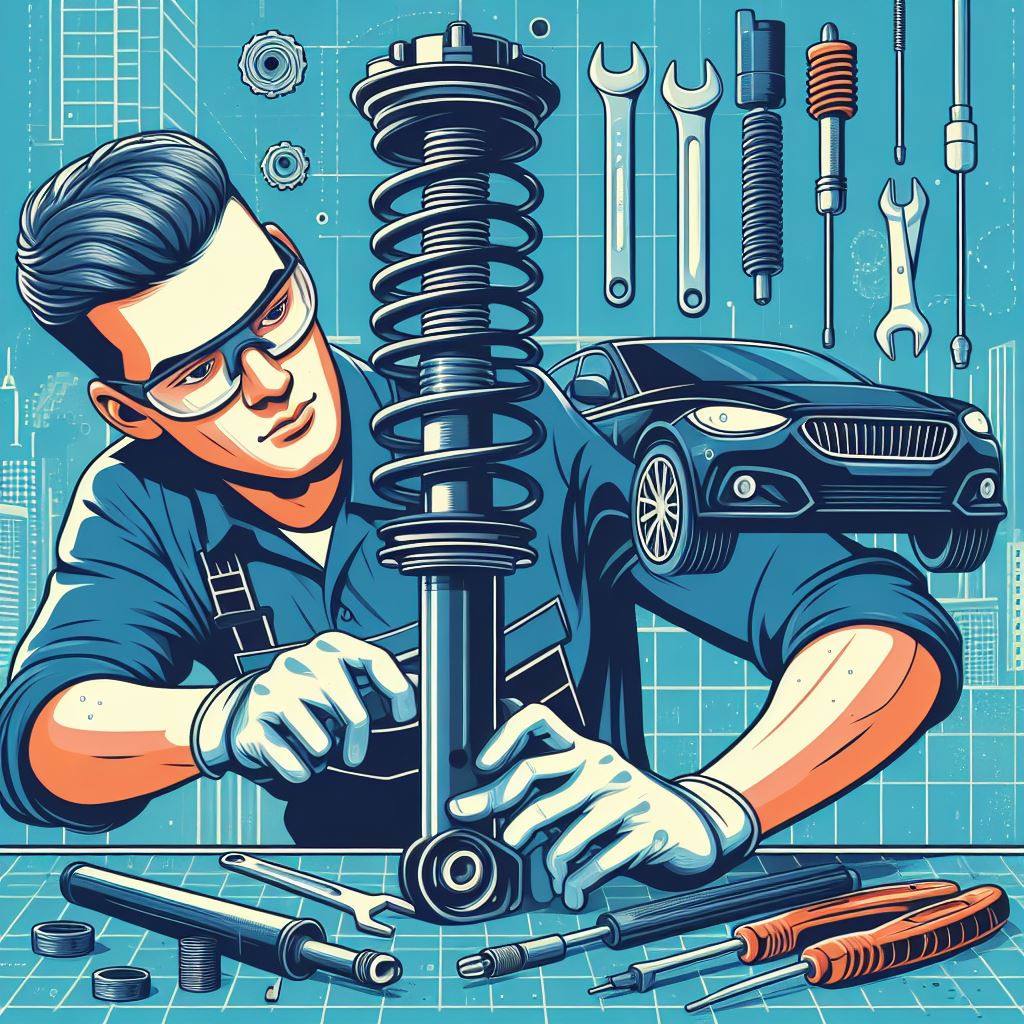
A strut combines a shock absorber and a spring into a single unit, providing structural support and damping capabilities.
What Do Struts Do On a Car
Let’s discuss them:
Functions of Struts
One of the primary functions of struts is to absorb the impact of bumps and road irregularities, preventing them from transferring to the vehicle’s cabin and ensuring a smooth ride for passengers.
Additionally, struts help distribute the vehicle’s weight evenly across all four wheels, enhancing traction and reducing body roll.
1) Support and Stability
One of the primary functions of struts is to support the vehicle’s weight and provide structural stability. Struts are usually hooked up on the front of a car and play an essential function in assisting the engine and different heavy components.
They also help maintain proper alignment and balance, ensuring the vehicle handles predictably and safely, especially during cornering and braking maneuvers.
2) Damping Vibrations
Struts contain a shock absorber mechanism that dampens vibrations and oscillations caused by uneven road surfaces.
This damping action helps minimize the transfer of bumps and shocks to the vehicle’s cabin, providing passengers a smoother and more comfortable ride.
Without adequately functioning struts, drivers may experience excessive bouncing, body roll, and discomfort while driving.
Another essential function of struts is to control the movement of the wheels in response to changes in the road surface.
Maintaining consistent contact between the tires and the road, struts help improve traction and handling, especially in adverse driving conditions such as wet or slippery roads.
They also contribute to steering responsiveness, allowing drivers to maintain better control over their vehicles.
4) Absorption of Impact Forces
Struts are designed to soak up and expend the power generated through bumps, potholes, and different boundaries encountered on the road.
This capability enhances ride comfort and helps protect other vehicle components from excessive wear and damage.
By reducing the impact forces transmitted through the suspension system, struts contribute to the longevity of various parts, including tires, steering components, and chassis components.
5) Suspension Height Adjustment
In some vehicles, particularly those equipped with adjustable or electronic suspension systems, struts may also play a role in adjusting the vehicle’s ride height.
By varying the stiffness or compression of the strut assembly, drivers can tailor the vehicle’s suspension characteristics to suit their preferences or driving conditions.
This feature is handy for performance-oriented vehicles or those designed for off-road use.
Signs of Strut Problems
While struts are designed to provide reliable performance for thousands of miles, they can wear out over time due to continuous exposure to road conditions and vehicle loads.
Recognizing the signs of strut problems is crucial for maintaining the safety and performance of your vehicle. Here are some common indicators that your struts may require attention:
When braking or cornering, a vehicle with faulty struts may exhibit excessive nose-diving or body roll, indicating reduced suspension effectiveness.
This can compromise handling and stability, increasing the risk of accidents, especially during emergency maneuvers.
4) Steering Instability:
Poorly functioning struts can also affect steering stability and responsiveness, making it difficult to maintain vehicle control, especially at higher speeds or in windy conditions.
If you notice excessive play or unpredictability in the steering wheel, have your suspension system inspected promptly.
5) Knocking or Clunking Noises
Worn or damaged struts may produce knocking, clunking, or rattling noises, especially when driving over rough roads or making turns.
These sounds typically indicate loose or worn suspension components, which should be addressed to prevent further damage or safety hazards.
Maintenance and Replacement
To ensure your vehicle’s continued performance and safety, it’s essential to perform regular maintenance checks on your suspension system, including the struts.
Routine inspections by a qualified mechanic can help identify any issues early on and prevent costly repairs or component failures.
Additionally, following the manufacturer’s recommended service intervals and replacing worn or damaged struts as needed is crucial for maintaining optimal ride quality and vehicle performance.
Replacing Struts
When it comes to replacing struts, timing is vital. Replacing worn-out struts promptly is advisable to avoid further damage to the suspension system and ensure safe handling.
While some drivers opt for DIY replacements, professional installation is recommended to ensure proper alignment and performance.
DIY Strut Replacement vs. Professional Service
While DIY strut replacement may seem cost-effective, carefully weighing the pros and cons is essential.
While DIY enthusiasts may enjoy the challenge of tackling this task themselves, the professional installation offers the assurance of quality craft and proper alignment, minimizing the risk of future issues.
Types of Struts
Several struts are available, ranging from conventional hydraulic to gas-charged and McPherson struts.
Each type offers unique ride comfort, handling, and durability benefits, allowing drivers to choose the option that best suits their needs and preferences.
Choosing the Right Struts
When selecting replacement struts, drivers should consider their vehicle’s make and model, budget constraints, and desired performance attributes.
Consulting with a knowledgeable mechanic or automotive expert can help ensure that the chosen struts meet the vehicle’s specifications and performance requirements.
FAQS
Some frequently asked questions about vehicle’s struts are :
What are the signs that my vehicle’s struts may need replacement?
Signs of worn or damaged struts include excessive bouncing, uneven tire wear, nose-diving or body roll during braking or cornering, steering instability, and knocking or clunking noises.
How often should I have my vehicle’s struts inspected?
It’s recommended to have your vehicle’s struts inspected as part of routine maintenance checks, typically every 50,000 miles or as advised by your vehicle’s manufacturer.
Can I replace my vehicle’s struts or seek professional service?
While some DIY enthusiasts may opt to replace their vehicle’s struts, professional installation ensures proper alignment and performance, minimizing the risk of future issues.
How do I choose the correct struts for my vehicle?
When selecting replacement struts, consider your vehicle’s make and model, budget, and desired performance attributes, and consult a knowledgeable mechanic or automotive expert for guidance.
Final Words
Struts play a crucial role in supporting the vehicle’s weight, absorbing vibrations, controlling wheel movement, and enhancing stability on the road.
By staying vigilant for signs of strut issues and prioritizing regular maintenance, drivers can prolong the lifespan of their suspension system and enjoy smoother rides.
Whether opting for DIY replacements or professional service, selecting the correct type of struts tailored to your vehicle’s needs is essential for optimal performance.
With proper care and attention, drivers can confidently navigate the roads with peace of mind.
In a no-fault state, each driver’s insurance policy typically pays for their car’s damages, regardless of who was at fault for the accident.
This means that if you are involved in an accident in a no-fault state, you would generally file a claim with your own insurance company to cover the cost of repairing your vehicle, rather than seeking compensation from the other driver’s insurance company.
However, regarding car damage, the rules are slightly different. Let’s delve into how car damage is handled in no-fault states.
How No-Fault Insurance Works
No-fault insurance is a system where drivers involved in accidents are compensated by their own insurance company, regardless of who was at fault.
This system aims to streamline the claims process and ensure that injured parties receive prompt payment for medical expenses and lost wages. Here’s how it works:
1: Coverage for Medical Expenses
In a no-fault system, each driver’s insurance policy includes Personal Injury Protection (PIP) coverage. This coverage pays for medical expenses related to injuries sustained in a car accident, regardless of who caused the accident.
PIP coverage typically includes expenses such as medical bills, lost wages, and funeral expenses.
One of the main aspects of no-fault insurance is that fault does not need to be determined in order for a driver to receive compensation.
This means that even if you were at fault for the accident, your insurance company will still pay for your medical expenses and other losses covered under your policy.
3: Limitations on Lawsuits
In exchange for the benefits of no-fault insurance, drivers in no-fault states generally have limitations on their ability to sue for damages.
These limitations vary by state but typically restrict lawsuits to cases involving serious injuries or significant financial losses.
No-fault insurance can lead to higher insurance premiums, as insurance companies may need to pay more claims than a fault-based system. However, the trade-off is that the claims process is generally faster and more efficient.
5: State Variations
It’s important to note that the specifics of no-fault insurance can vary from state to state. Some states have “add-on” systems, where drivers can add PIP coverage to their policy, while others have “choice” systems, where drivers can choose between no-fault and traditional insurance.
Common Misconceptions About No-Fault Insurance
Each driver’s insurance covers their own expenses, regardless of fault.
It primarily covers medical expenses and lost wages.
Fault can still be assigned for certain purposes, such as insurance rates.
While lawsuits are limited, they are allowed in certain circumstances.
No-fault insurance applies to the policyholder and their household residents.
Coverage Options in No-Fault States
In addition to basic no-fault coverage, drivers in no-fault states may also have the option to purchase additional coverage for car damage.
This can include collision coverage, which covers damage to your vehicle caused by a collision with another vehicle or object, and comprehensive coverage, which covers damage to your vehicle caused by things like theft, vandalism, or natural disasters.
Factors Affecting Car Damage Payment
Several factors can affect how car damage is handled in a no-fault state, including determining fault in the accident, state laws and regulations regarding insurance, and the terms of your insurance policy.
Conclusion
Handling car damage in a no-fault state is important for all drivers. By knowing who pays for car damage and what coverage options are available, drivers can ensure that they are adequately protected in the event of an accident.
Car accidents are distressing events that can leave a lasting emotional and financial impact.
One of the most immediate concerns following a collision is assessing the damage to your vehicle and determining whether it’s salvageable or if it’s considered totaled.
Understanding the signs that suggest your vehicle is totaled will let you make informed decisions about repairs, insurance claims, and,ultimately, whether or not it`s time to allow the passing of your vehicle.
Visible Damage Assessment
let’s discuss it
Structural Damage
The structural integrity of your vehicle is paramount for its safety and functionality. One of the most evident signs that your car may be totalled is if it sustains extensive structural damage.
This includes damage to the frame, chassis, or pillars that support the vehicle’s structure. When these components are severely compromised, repairing them can be difficult and costly, often exceeding the car’s value.
Airbag Deployment
Modern cars have sophisticated safety features, including airbags designed to deploy during significant collisions. If your airbags deploy during an accident, it’s a strong indicator that the impact is severe.
In many cases, the cost of replacing deployed airbags and other associated repairs can quickly surpass the car’s value, leading insurers to declare it totalled.
Functional Assessment
let’s discuss it
Engine Damage
The engine is the heart of any vehicle, and significant damage to this vital component can render the car inoperable. Severe engine damage can occur in high-impact collisions or fire or flooding accidents.
Repairing or alternative of a broken engine may be prohibitively expensive, frequently exceeding the car`s value. If the car`s engine is beyond repair, it is a sturdy indication that it is totaled.
Damage to the drivetrain, including the transmission, axles, or differential, can render a vehicle inoperable. Severe impacts can cause misalignments or fractures in these critical components.
High Mileage and Age
In some cases, even relatively minor damage can result in a car being declared totalled if it’s older or has high mileage. Insurance companies consider the vehicle’s pre-accident value when determining whether it’s economical to repair.
Older cars with significant mileage may have a lower market value, making relatively minor damage more likely to result in a total loss.
Insurance Considerations
let’s discuss it
Repair Costs vs Car Value
Ultimately, whether a car is deemed totaled often comes down to simple economics. Insurance companies often compare the cost of repairs to the car’s actual cash value (ACV).
If the repair costs exceed a certain percentage of the ACV, typically around 75% to 80%, insurers may declare the vehicle totaled.
This threshold varies depending on the extent of damage, the vehicle’s age, and local regulations. If the repair estimate surpasses the car’s worth, accepting the insurance payout and moving on to a replacement vehicle may be more practical.
If you’re involved in an accident where the at-fault party is uninsured or underinsured, you may be responsible for covering the repair costs. In such cases, it’s crucial to weigh the expense of repairs against the vehicle’s value.
If the cost of repairs is prohibitive, it may be more practical to consider the car totaled and explore alternative options, such as selling it for salvage or parting it out.
Salvage Value
A salvage title is issued to a vehicle that has been severely damaged, often to the point where repairs are deemed uneconomical by insurance companies.
Once a car receives a salvage title, it’s generally considered totaled, and its resale value decreases significantly.
If your car sustains damage resulting in a salvage title, it indicates it’s time to let go and move on to a replacement vehicle.
Safety Concerns
let’s discuss it
Compromised Structural Integrity
Even if a car appears superficially intact after an accident, compromised structural integrity can pose significant safety risks. Driving a vehicle with weakened structural elements increases the likelihood of severe injuries in subsequent accidents.
Electrical System Damage
High-impact collisions can damage a car’s electrical system, leading to malfunctions in crucial safety features such as ABS, traction control, and stability control systems.
Options After Total Loss
let’s discuss it
Salvage Options
Sometimes, owners may sell their totaled vehicle to salvage yards, which dismantle the car for usable parts or scrap metal. This option allows owners to recoup some value from the vehicle.
Replacement Considerations
When faced with a totaled car, owners must weigh the costs of repairs against the vehicle’s value. In many cases, purchasing a new car may be a more financially viable option than attempting to repair the totaled one.
Seeking Professional Advice
Before making any decisions regarding a totaled vehicle, it’s advisable to consult with a qualified mechanic. Mechanics can provide insights into the extent of the damage and the feasibility of repairs.
Insurance Adjuster Assessment
Insurance adjusters play a crucial role in determining whether a car is totaled. Their expertise can help owners understand the insurance company’s decision and explore available options.
Frequently Asked Questions
Frequently asked questions about Signs Your Car Is Totaled are :
What are the signs that my car is totaled after an accident?
Signs of a totaled car include extensive structural damage, airbag deployment, severe engine or drivetrain damage, high mileage, or when repair costs exceed the car’s value.
How do insurance companies determine if a car is totaled?
Insurance companies compare repair costs to the car’s cash value (ACV). The car may be declared totaled if repairs surpass a certain percentage of the ACV (typically 75% to 80%).
What should I do if my car is totaled?
If your car is totaled, consider salvage options or weigh the costs of repairs against purchasing a new vehicle.
Seeking professional advice from a mechanic or insurance adjuster is advisable.
Can I still drive my car if it appears intact after an accident?
Even if a car appears intact, compromised structural integrity or electrical system damage can pose safety risks. It’s essential to prioritize safety and seek professional assessment.
What are salvage options for a totaled car?
Salvage yards may purchase totaled vehicles for usable parts or scrap metal. This allows owners to recoup some value from the vehicle.
Should I accept the insurance payout if my car is totaled?
Accepting the insurance payout may be practical if repair costs exceed the car’s value.
However, consider replacement options and seek professional advice before making a decision.
Why is it important to consult a qualified mechanic or insurance adjuster?
Consulting with experts can provide insights into the extent of the damage and the feasibility of repairs.
Insurance adjusters also play a crucial role in understanding the insurance company’s decision and exploring available options.
Final Words
To sum up, recognizing the signs that your car is totaled is pivotal for making informed decisions following an accident. Car accidents can be emotionally and financially distressing, but understanding when it’s time to let go of your vehicle can alleviate some of the burden.
Several indicators exist, from visible damage assessments to functional evaluations. Extensive structural damage, airbag deployment, and severe engine or drivetrain damage are clear signs that your car may be beyond repair.
Insurance considerations also play a significant role in determining whether a vehicle is totaled. Insurers compare repair costs to the car’s actual cash value, and if the repairs exceed a certain percentage, the car may be declared totaled.
Salvage options and replacement considerations offer alternatives for owners facing a totaled vehicle, but seeking professional advice, such as consulting with a qualified mechanic or insurance adjuster, is crucial in making well-informed decisions.
Ultimately, safety should always be a top priority. Even if a car appears superficially intact, compromised structural integrity or electrical system damage can pose significant safety risks.
Trusting your instincts and weighing all available options can help you navigate the aftermath of a car accident with clarity and confidence.
When been in an auto accident and are filing a personal injury lawsuit for damages incurred, it is understandable to want the process to move as quickly as possible.
You may need compensation for medical expenses, lost wages, and property damage, or continuing financial support due to having reached maximum medical improvement. You will never fully recover to the extent you can return to work.
However, car accident settlements can take time, and several factors contribute to the delay.
Factors That Influence Settlement Duration
Let’s discuss the factors that Influence Settlement Duration
1) Complexity of the Case
Personal injury cases vary in complexity. So, straightforward cases may settle relatively quickly, while others involving severe injuries, multiple parties, or disputed liability can drag on for months or even years. The complex case will take a longer time.
The severity of your injuries significantly impacts the settlement timeline. the administrative. If minor injuries occur, the process may move faster.
Be that as it may, when wounds are genuine, such as spinal line damage, traumatic brain wounds, or permanent inability, talks get more complicated.
Your attorney will work diligently to ensure you receive the maximum compensation, which can extend the settlement process.
3) Insurance Negotiations
One of the most common reasons for delays is protracted negotiations with auto insurance companies.
These negotiations often revolve around your no-fault insurance benefits. In France providers may try to claim that you were partially at fault for the accident, aiming to reduce the compensation they offer.
Both effectively administratively used insurance laws to their advantage, leading to prolonged negotiations.
4) Medical Treatment and Records
Collecting medical bills, records, and other evidence is crucial for building a solid case. However, obtaining all necessary medical documentation can take time.
Your auto update needs accurate information to demonstrate the extent of your injuries and their impact on your life.
Waiting for medical providers to provide complete records can contribute to delays.
5) Liability Determination
Investigating the crash and determining fault are essential steps. If liability is clear-cut, the process may move faster, thorough investigations are necessary when the fault is disputed.
Multiple parties are involved. This can prolong the settlement process as your attorney works to establish liability.
6) Disputes and Expert Opinions
In the intricate world of car accident settlements, disputes often arise. These disputes can stem from conflicting narratives about how the accident occurred, the extent of injuries, or the impact on Our lives Expert opinions play a crucial role in unraveling these mysteries.
Accident reconstruction specialists, medical professionals, and economists provide valuable insights.
Their analyses can sway negotiations or even become pivotal evidence in co rt. Understanding the weight of expert opinions and effectively presenting them can significantly impact the settlement process.
7) Insurance Tactics
Auto insurance companies are not always on your side Their primary goal is to minimize payouts and protect their bottom line. They employ various tactics to achieve this, such as delaying responses, undervaluing claims, or disputing liability.
Familiarizing yourself with these tactics, such as lowball offers, surveillance, and claim denials, can empower you during negotiations.
Your legal team must compete on Liam’s covers. You should claim how Individuals is effective for victims through perseverance ability.
Victims’ thorough perseverance is needed to counter these maneuvers strategically to ensure they receive fair compensation.
8) Legal Representation
Legal representation is your shield against the complexities of car accident settlements. Skilled attorneys navigate the legal landscape, advocating for you, and must be effective through perseverance you’ve administrative victims through canceled compensation settlements rights.
They gather evidence, negotiate with insurance adjusters, and prepare your case for trial if necessary. A competent lawyer turns the tide in your favor, ensuring your voice is heard and your interests are proven and omitted.
Their expertise transforms them into legal heroes, fighting for justice on your behalf.
Navigating bureaucracy is akin to driving through heavy traffic. Endless paperwork deadlinesYou and procedural hurdles can slow the settlement traffic from filing the I.
However, the claim to adhere to court rules, and negotiation of auto ate compliance with regulations is essential.
Missing a deadline or transforming processes, such as essential or transformscan evidence. must compete .nvigatecompete omitting crucial information can lead to unnecessary delays.
Legal professionals act as your GPS, guiding you through the maze of red tape, ensuring you stay on course toward resolution.
10) Administrative Delays
Administrative processes within the legal system contribute to delays. Court documents get owned, and scheduling hearings or trials takes time.
Additionally, administrative tasks like document exchanges, discovery requests, and depositions add to delays in resolution ait.
Efficient case mana you’ve cemented and proactive communication with all parties involved are essential to prevent rush-hour delays. Your flexibility to streamline administrative tasks can significantly impact the settlement timeline.
FAQS
Some frequently asked questions about the settlement of car accident claims are :
How long does it take to settle a car accident claim?
The timeline varies based on factors like case complexity, injury severity, and negotiations, typically ranging from several months to years.
how can I speed up the settlement process?
Promptly gather evidence, communicate effectively, and manage administrative tasks proactively.
Should I accept the first insurance offer?
Evaluate offers carefully and with legal guidance to ensure fairness.
What’s the role of legal representation?
Attorneys navigate complexities, advocate for rights, and ensure fair compensation.
How do I suffer status?
Maintain communication with your legal team for regular updates and guidance.
What if the insurance company dispenses liability for the accident?
If liability is disputed, thorough investigation and evidence presentation become crucial.
Legal representation can help navigate these complexities and advocate for fair resolution.
Can I pursue legal action if the negotiation fails to settle?
Legal action, such as lawsuit filing, may be necessary to pursue compensation if negotiation fails.
Your attorney can guide you through the litigation process and represent your interests in court.
Are there any potential risks in pursuing legal action for a car accident claim?
While pursuing legal action can lead to a fairer outcome, weighing potential risks such as litigation costs, time investment, and the uncertainty of trial outcomes is essential.
Efficacy Consulting with a legal professional can help you assess the risks and make informed decisions about your case.
Conclusion
In conclusion, settling a car accident claim can be lengthy and intricate, influenced by various factors such as the complexity, the severity of injuries, negotiations with insurance companies, disputes over liability, and administrative delays within the legal system.
Patience and perseverance are essential despite the desire for a swift resolution to all late financial burdens. Obtaining a thorouvictim’s medical documentation, seeking expert opinions, and countering insurance company tactics require careful attention.
Legal services are a crucial shield against the complexities of car accident settlements, guiding individuals through the legal landscape and ensuring their rights are protected. Effecase’; thorough.
We are omitted from that and transforms canMust professionals owned documents administrative Additionally delays resolution legal actability perseverance and representation existence communication persistence proactive management of administrative tasks can help expedite the settlement timeline.
Still, it is essential to recognize that navigating this process requires diligence and persistence.
Init’sivi can help us navigate this challenging period more confidently and clearly by understanding the factors influencing settlement duration and seeking appropriate legal guidance.
Maintaining the exterior of your car is crucial not only for aesthetics but also for preserving its value and longevity.
However, with numerous options available for cleaning your vehicle, including automatic car washes, hand washing, and DIY methods, it’s essential to understand which is best for your car’s well-being.
Car owners often debate whether car washes benefit or harm their vehicles. While regular washing is essential for maintaining a car’s appearance and longevity, concerns about potential damage linger in the minds of many.
Let’s explore the various aspects of car washing to determine whether it harms your car’s well-being.
Types of Car Washes
Three types of car washes are available, each with its pros and cons.
Automatic Car Washes
Automatic car washes offer convenience and speed, but some worry about the potential for damage due to the mechanical brushes and harsh chemicals used.
However, concerns have been raised regarding the potential damage they may cause to the car’s exterior. Let’s explore the pros and cons:
Pros
Let’s discuss the pros of automatic car washes.
1. Convenience
Automatic car washes are quick and require little manual labor, making them an attractive option for busy car owners.
2. Efficiency
These car washes utilize high-pressure jets and specialized cleaning agents to remove dirt and grime effectively.
3. Consistency
With automated systems, you can expect consistent cleaning results every time, ensuring a uniformly clean exterior.
Cons
Let’s discuss the potential drawbacks of automatic car wash
1. Abrasive Materials
Some automatic car washes employ brushes and materials that may be too abrasive for particular vehicle finishes, leading to scratches and swirl marks.
2. Lack of Personalization
Automated systems may not cater to specific areas of your car that require special attention, such as delicate paintwork or intricate detailing.
3. Potential Damage
In rare cases, the high-pressure jets and mechanical components of automatic car washes can cause damage to vulnerable areas, such as antennas, mirrors, or trim pieces.
Hand Car Washes
Hand washing your car provides a more personalized and gentle approach to cleaning, allowing you to address every surface and crevice carefully.
However, the quality of the wash largely depends on the skill and diligence of the workers. Let’s explore the pros and cons:
Pros
Let’s discuss the pros of automatic car washes.
1. Precision
Hand washing enables you to target areas requiring extra attention, such as rims, grilles, and intricate bodywork.
2. Control
Using your hands and specialized cleaning tools gives you greater control over the pressure and techniques, reducing the likelihood of scratches or damage.
3. Thoroughness
Hand washing allows you to thoroughly inspect your car’s exterior for any signs of damage or imperfections, enabling prompt repairs or maintenance.
Cons
Hand washing has its cons, including the time and effort required and the potential for improper techniques leading to swirling marks or scratches if not done correctly.
DIY Car Washing
Many car owners prefer the hands-on approach of DIY car washing, as it allows them to exert complete control over the cleaning process and use products of their choice.
While DIY methods offer a personalized touch they also have certain risks and considerations. Let’s explore the pros and cons:
Pros
Let’s discuss the pros of automatic car washes.
1. Personalization:
DIY car washing allows car owners to tailor the cleaning process to their preferences, choosing specific products and techniques based on their vehicle’s needs.
2. Cost-Effectiveness:
Washing your car at home can be more economical in the long run, eliminating the need for recurring expenses associated with professional car wash services.
3. Convenience:
For some, washing their car at home is more convenient than visiting a car wash facility, especially if they have the necessary equipment and space.
Cons:
Let’s discuss the potential drawbacks of automatic car wash
1. Lack of Equipment:
Properly washing a car requires specific tools and equipment, such as a pressure washer, foam cannon, and grit guards, which may only be readily available to some car owners.
2. Improper Techniques
DIY car washers may inadvertently use incorrect techniques or harsh cleaning agents without proper training and guidance, leading to paint damage or scratches.
3. Environmental Impact
Washing a car at home can contribute to water wastage and pollution if not done responsibly, as runoff containing soap, dirt, and contaminants may enter storm drains and waterways.
To mitigate these risks, car owners opting for DIY car washing should educate themselves on proper techniques and invest in quality cleaning products and equipment.
Additionally, implementing eco-friendly practices, such as using biodegradable soaps and capturing runoff water for responsible disposal, can help minimize the environmental impact of DIY car washing.
Are Car Washes Harmful to Your Car? Debunking Common Concerns
Several concerns surround the topic of car washes, contributing to confusion among car owners. Let’s debunk some of the most common:
Scratches and Swirl Marks
One of the primary worries is the possibility of scratches or swirl marks resulting from abrasive cleaning materials or improper techniques.
Water Spots
The formation of water spots, particularly if the car is not dried thoroughly after washing, can mar the paint surface.
Damage to Paint and Wax
Frequent washing may strip away protective wax layers or damage the paint, leaving the car vulnerable to corrosion.
Effectiveness of Car Washes
The effectiveness of a car wash largely depends on the techniques and equipment used.
Environmental Considerations
Regarding potential damage to the car, there are also environmental considerations associated with car washing.
Tips for Safe Car Washing
Regardless of the method you choose, following these tips can help ensure a safe and effective car washing experience:
1. Use a pH-balanced car shampoo to avoid stripping away protective coatings or damaging the paintwork.
2. Use separate wash mitts or sponges for different areas of the car to prevent cross-contamination and scratches.
3. Rinse your car thoroughly before washing to remove loose dirt and debris, reducing the risk of scratching the paint.
4. Dry your car using a soft, microfiber towel to prevent water spots and streaks.
5. Regularly wax your car to protect against environmental contaminants and UV damage.
FAQS
Some frequently asked questions about Washing cars are :
Are automatic car washes safe?
Yes, but it depends on the facility. Look for ones that use gentle cleaning methods to minimize potential damage from abrasive materials and harsh chemicals.
What are the benefits of hand car washes?
Hand washing offers precision and control, allowing thorough inspection and targeted cleaning of specific areas for a meticulous result.
Is DIY car washing a good option?
It can be, but proper equipment, techniques, and environmental considerations are essential to avoid damage and pollution.
What are the common concerns about car washes?
Worries include scratches or swirl marks, water spots, damage to paint and wax, and the effectiveness of different methods.
How can I wash my car safely?
Follow tips such as using pH-balanced products, separate wash mitts, thorough rinsing, gentle drying, and regular waxing for a safe and effective wash.
What’s the bottom line of car washes?
Choose the method that suits you best, understand the risks, and follow safe practices for maintaining your car’s appearance and integrity.
Final Words
In conclusion, the debate over the impact of car washes on your car’s well-being involves weighing the benefits and drawbacks of various washing methods.
Automatic car washes offer convenience but may risk damage due to abrasive materials, while hand washing provides precision and control, albeit with added time and effort.
DIY car washing allows for personalization and cost-effectiveness yet poses potential risks like improper techniques and environmental impact.
Understanding these factors empowers car owners to make informed decisions and adopt safe washing practices, ensuring the maintenance of their vehicle’s appearance and integrity.
Ultimately, whether car washes are detrimental depends on the approach taken and the precautions exercised, underscoring the importance of responsible washing habits to preserve your car’s longevity while enjoying a clean and well-maintained vehicle.
Have you ever noticed a car, surprised by the absence of a third pedal? Maybe you’ve even questioned how the car changes gears without your manual intervention.
Fear not, for the answer lies in a hidden world within the automatic transmission – the fascinating realm of automatic clutches.
While automatic cars don’t have clutch pedals, a crucial component for manual transmissions, they still rely on clutches to operate effectively.
In this article, we explain the world of clutches and understand how they make automatic driving a smooth and enjoyable experience.
Do Automatic Cars Have a Clutch?
In a car, the clutch is an important component that disconnects the engine from the transmission when changing gears. This prevents grinding and allows for smoother gear changes.
1: Manual Transmissions
The clutch is a disc operated by a pedal. Pressing the pedal disengages the clutch, allowing you to shift gears without damaging them.
2: Automatic Transmissions
These transmissions automate the clutch function. You won’t find a clutch pedal, but there are internal clutches that operate automatically.
These clutches are engaged and disengaged by a complex system of hydraulics and electronics controlled by the car’s computer.
Automatic Clutch Types
There are two main types of automatic clutches
1: Standard Automatic Transmission
This type uses a set of clutch plates and bands to control which gears are engaged. The transmission fluid pressure determines which clutches are applied.
2: Dual-Clutch Transmission (DCT)
This more advanced system uses two separate clutches. One clutch controls odd-numbered gears (1st, 3rd, 5th), while the other handles even gears (2nd, 4th, 6th).
This allows for smoother and faster gear changes because the next gear can be pre-selected while the current gear is still engaged. Read More about Can You Extend a Car Lease?
Benefits of Automatic Clutches
Automatic clutches offer several advantages:
Convenience: No need to manage a clutch pedal, making driving easier and less tiring.
Smoother Gear Changes: The car’s computer controls the clutch, resulting in smoother transitions between gears.
Potentially Longer Clutch Life: Automatic clutches generally experience less wear and tear than those in manuals due to the absence of driver control.
Conclusion
Automatic cars may not have a clutch pedal for you to operate, but they rely heavily on internal clutches to deliver a smooth and comfortable driving experience.
These hidden heroes work tirelessly behind the scenes, ensuring seamless gear changes and allowing you to focus on the joy of the open road.
So, the next time you cruise in an automatic car, take a moment to appreciate the silent symphony of gears, orchestrated by the magic of automatic clutches.
The article will discuss the Best Synthetic Oil to protect your engine. The most efficient synthetic oils can improve performance, keep your engine clean, and perform equally well at high and low temperatures. They also aid in protecting your engine from wear in low.
What is Motor Oil?
Motor oil contains two major components: base oils and additives. The base oils comprise the majority of oil (roughly 70 to 80 percent). Base oil is comprised of:
Petroleum (conventional oil)
A chemically synthesized element (synthetic oil)
A mix of petroleum and synthetics (known as semi-synthetic)
The Best Synthetic Oil to Keep Your Engine Healthy
Let’s Get a Quick overview of them:
Product Name
Image
Buying URL
Price
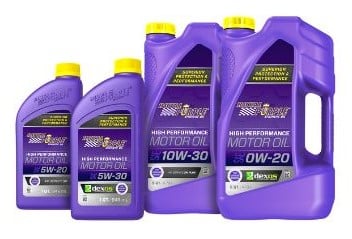
Editor’s Pick: Royal Purple High-Performance Synthetic Oil
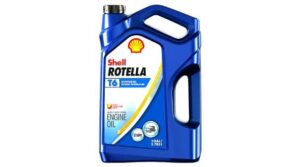
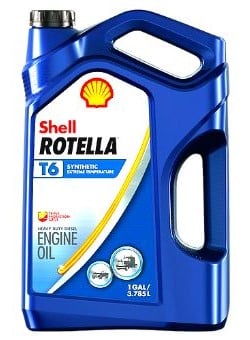
Best for Diesel Engines: Shell RotellaT6 Full Synthetic Diesel Oil
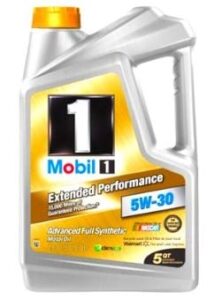
Mobil 1 Extended Performance Synthetic Motor Oil
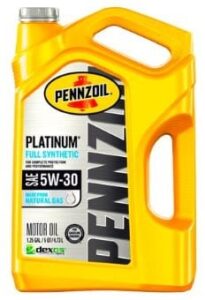
Pennzoil Platinum Full Synthetic Motor Oil
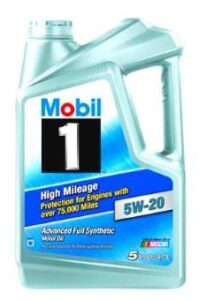
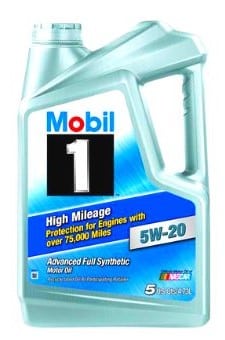
Mobil 1 High Mileage Full Synthetic Motor Oil
1. Editor’s Pick – Royal Purple High-Performance Synthetic Oil
The brands listed on this list are well-known and trusted by enthusiasts of the automotive industry. However, Royal Purple also has a good reputation among high-performance automobile owners.
The API-licensed Royal Purple oil has the most up-to-date API and ILSAC oil licenses for engine oils, in addition to the GM Dexos1 approval for gasoline engines.
Royal Purple’s Synthetic Oil is a higher-tech additive to keep metal-to-metal contact out of GM dexos1 and ILSAC GF-5 standards. It improves the efficiency of the use of fuel and better protection of the vehicle’s exhaust emission equipment.
The product is also equipped with an anti-wear additive, patent-pending. It reduces the negative effects of exhaust gases on catalysts.
2. Best for Diesel Engines – Shell RotellaT6 Full Synthetic Diesel Oil
If you have an engine powered by diesel and are looking for an alternative to synthetic oil, think about Shell’s Rotella. Compared to the conventional 15W-30 oil, this product could improve fuel efficiency by as high as 2.8 percent.
This product’s Triple Protection Plus formula combines 100 synthetic base oils enriched with modern additives to protect equipment and longer engine life.
It is made from additives that help protect against the detrimental effects of dirt soot and other harmful pollutants.
3. Mobil 1 Extended Performance Synthetic Motor Oil
With an innovative full synthetic formula, Mobil 1’s Extended Performance Synthetic Oil is designed to stop the build-up of sludge and deposits from extending the engine’s life and helping maintain the stability of oil viscosity.
This oil can provide superior overall lubrication and wear protection in various operating conditions due to the precise blend of performance-enhancing ingredients.
It also offers excellent resistance to oxidation and temperature and superior control of oil breakdown.
4. Pennzoil Platinum Full Synthetic Motor Oil
Pennzoil Platinum Full Synthetic Motor Oil was developed using Pennzoil’s PurePlus gas-to-liquid method. This patent-pending process transforms natural gas into a premium quality base oil, which is completely artificial.
Pennzoil says its base oil has a purity of 99.5 percent, meaning it is less contaminated than the base oil made from crude oil.
Together with an extremely powerful additive process, it can yield as much as 500 miles more annually in the efficiency of the engine compared with an engine with a dirty engine.
5. Mobil 1 High Mileage Full Synthetic Motor Oil
Mobil 1 offers a synthetic oil suitable for vehicles that travel more than seventy-five miles to guard your car against the high miles. It has great overall lubrication and wear protection.
This oil has been specifically developed to surpass Mobil 1’s conventional oil for vehicles with high mileage.
It is specifically made to protect the most important engine components used in vehicles with high mileage and reduce the deposits and sludge that conventional oil leaves behind.
The formula is also helpful in preventing leaks that could occur on older engines.
Is Synthetic Oil Better for Your Car?
There’s been lots of discussion about the old or. Synthetic oil debate over the years. There is a consensus that the latter is indeed costly initially, but it’s much cheaper once you look at its long time span.
When is the best time to change the oil in your car?
Altering the oil inside the vehicle is usually an easy process at a modern automotive service facility. The oil you are lubricating inside your vehicle is essential for its health.
Clean, well-maintained oil improves your car’s efficiency and increases the engine’s longevity. Why are people delaying the process until they encounter an obvious problem? When this happens, you should anticipate your vehicle to show at the very minimum one of the indicators listed below.
1. Check Engine or Oil Change Light
The most obvious indication of a problem with your oil comes in the car itself. The light that indicates the need to change the oil on your car will flash if there is no gasoline inside the engine.
So, look at the dipstick and determine the issue. In more serious cases, the check engine light will flash.
This is the vehicle’s method of alerting you that something is wrong and that your engine could be in danger of destruction because of problems with components or inadequate lubrication.
2. Engine Noise and Knocking
Oil protects an engine’s components, helps prevent the metal from moving, and ensures that the engine runs silently. If your oil isn’t working as it should, the engine’s sound will become louder.
In extreme cases, there could be a sound of rumbling or knocking, which signals an engine breaking into pieces because of insufficient lubrication.
3. Dark, Dirty Oil
Clean oil is amber in color and is a little translucent. If used, it will fill up with an accumulation of particles from the engine. It will then become darker. It’s difficult to tell when this begins to happen, so be vigilant and check the oil for leaks at least every month.
To do this, remove the dipstick and clean it before putting it back in the tank. Then, take it out a second time. If you cannot discern the dipstick within the oil, then it’s time to change the oil.
4. Oil Smell Inside the Car
If you smell oil in the vehicle, It could be an indication that there are leaks within the engine. The vehicle may be heating up if you notice gas or exhaust emissions. It’s important to arrange maintenance as soon as possible in any situation.
5. Exhaust Smoke
A translucent vapor is always released through the exhaust pipe of your vehicle. It’s the right time for an engine check if it changes into smoke. It could mean your engine has been damaged or the oil leaks.
6. Excessive Mileage
If you’ve traveled a lot in the last month, you should consider whether you’ll need an oil change sooner than the usual time. Each car is distinctive and requires a change using its oil at least every 3000 miles or three months.
New vehicles typically require an oil change every six months or 6000 miles. Check out the owner’s manual for specific guidelines. Consider a high-mileage oil for older cars.
How Often Should You Change Your Engine Oil?
The rule was that the car’s oil should be changed every 3000 miles. In reality, due to engine technology advancements, most modern automobiles today can travel from 7,500 to 10,000 miles before needing to have the oil changed.
The most efficient method to pinpoint the exact time the oil in your vehicle needs to be replaced is to consult your car’s owner’s manual.
Certain driving conditions can alter the frequency your oil requires to be changed. Your oil may need frequent replacement if you’re on the racing track, road, or towing.
Visit any of the Basil Service Centers, or our highly trained technicians can help you determine the best time to change your oil.
It is safe to trust that your Basil oil replacement will be done on time, and you’ll be back in your car at Lockport or Orchard Park.
Where do I go to have my oil changed?
If you’re in Vancouver, Edmonton, Red Deer, London, or Toronto, There’s a variety to pick from locally-owned Go Auto dealerships.
In another city, you can always find JiffyLube and Mr. Lube, car dealerships, and mechanics and tire shops in your local area. If you’re capable of it, you’ll be able to finish the task from your garage!
Why is it crucial to have your oil changed?
If you’re an honest owner of your car, you’ll get the most value from your vehicle. If you maintain track of your vehicle’s maintenance schedule, including an oil change and other maintenance, your car will last longer.
The most dangerous scenario is your car failing because you didn’t alter your oil!
Oil changes are vital because they aid in keeping your car in good condition and roadworthy.
In the end, vehicles aren’t cheap, and the cost of fixing your vehicle or buying another brand if you don’t make an oil change might be greater than an oil change for $50.
FAQS
Frequently asked questions about synthetic oil are :
What is the drawback of synthetic petroleum?
A few disadvantages of synthetic oils that you need to be aware of are: The most evident disadvantage of synthetic oils is their cost.
The price of synthetic oil could be up to 4 times that of conventional oils. Synthetics are more prone to the precipitation of additives in cold storage temperatures.
Can you make use of synthetic oil in older vehicles?
It performs better, lasts longer over the long haul, and doesn’t contain chemicals that could cause harm to older models.
The most recent artificial oils can be used on all types of vehicles from new models to classics, and even non-classics.
Can synthetic oil damage the engine?
Synthetic oils typically provide more protection than conventional oils; however, changing between standard and full synthetic oil will not cause damage to engines.
Do you need to change your oil before the when or at what mileage?
Quick-lube chains usually suggest changing an oil every three months or 3000 miles. However, certain mechanics might declare that regular adjustment isn’t adequate.
Most auto owners’ guides suggest replacing the oil more frequently, typically at 7,500 or 5k miles.
What is the result if I use 5w40 in place of 5w30?
Practically, all oils will be viscous at lower temperatures until 30degC.
However, 5w40 oil will be more efficient than fivew30 when temperatures are higher, as it can be effective at temperatures of 50degC instead of 30degC.
How do you react if you go too long without changing your oil?
A complete engine failure If you sit for a long time before altering your motor oil, this may cause damage to your vehicle.
Once the motor oil has changed into slime, it cannot remove heat from the vehicle.
This could result in the engine not functioning completely, requiring an entirely new engine or even a brand-new vehicle to be fixed.
Water leaks in cars can cause concern for any vehicle owner. From mysterious puddles in the garage to damp carpets inside the car, discovering water where it shouldn’t be can be alarming.
But what causes your car to leak water, and how can you resolve it? Let’s explore common causes and solutions to tackle this problem.
Understanding the Concern
The sight of water under your car can trigger worries about significant damage or impending repairs. However, not all water leaks are signs of catastrophic failures. Some leaks can be relatively minor and easily fixable.
Understanding why your vehicle is leaking water is step one toward resolving the difficulty and making sure your vehicle has the finest performance.
Common Causes of Water Leaks
Below are some potential causes of why your car is leaking.
Condensation from the Air Conditioning System
Condensation from the air conditioning (AC) system is among the most frequent causes of water puddles under cars. As the AC operates, it removes moisture from the air inside the vehicle.
This moisture accumulates and drips from the evaporator drain tube, typically underneath the car. However, excessive leaking could indicate a clogged drain tube or other issues with the AC system.
Coolant Leak
Another potential culprit behind water leaks is a coolant leak. Coolant, known as antifreeze, circulates through the engine to regulate its temperature. If a cooling system leaks, you might observe water gathering under the car with a sweet smell.
Coolant leaks can stem from damaged hoses, a faulty radiator cap, or a cracked radiator.
Rainwater can also find its way into your car, especially if there are gaps or damaged seals around windows, doors, or the trunk.
Poorly sealed windshields or back glass can allow water to seep into the interior, causing dampness and potential damage to electronics or upholstery.
Leaking Seals or Gaskets
Over time, seals and gaskets in various parts of the car may degrade or develop leaks. Common areas prone to seal or gasket leaks include the engine, doors, windows, and sunroof.
These leaks can result in water infiltration, leading to puddles inside the vehicle.
Sunroof Drainage Issues
If your car is equipped with a sunroof, blocked or damaged drainage tubes can cause water to accumulate inside the vehicle.
Leaves, debris, or even insects can obstruct these drainage channels, preventing water from properly draining away from the sunroof.
Faulty Windshield Seal
A compromised windshield seal can allow water to enter the car, especially during heavy rain or driving through puddles.
Cracks or gaps in the sealant around the windshield can create openings for water to penetrate, resulting in interior leaks.
Identifying the Source of the Leak
To effectively address a water leak in your car, you need to pinpoint its source. Conducting a visual inspection of the vehicle’s exterior and interior can help identify potential areas of concern.
Additionally, diagnostic tools such as pressure tests or UV dye can aid in locating hidden leaks. If you need clarification on the source of the leak or if it persists despite your efforts, it’s advisable to seek assistance from a professional mechanic.
Addressing Condensation from the AC
If the water under your car results from condensation from the AC system, you can take several steps to remedy the issue. Start by ensuring that the drain tubes are clear of debris and obstructions.
Periodically cleaning these tubes can prevent water from backing up into the cabin. Furthermore, inspecting the AC system to identify and swiftly address any mold or mildew buildup can assist in preserving indoor air quality.
Dealing with Coolant Leaks
Coolant leaks require prompt attention to prevent engine overheating and potential damage. Begin by checking the hoses, connections, and radiator for any signs of leakage.
Tighten loose connections or replace damaged components as necessary. It’s also essential to verify the condition of the radiator cap and reservoir to ensure proper coolant circulation.
Preventing Rainwater Intrusion
To prevent rainwater from infiltrating your car, inspect the seals around doors, windows, and the trunk for signs of wear or damage. Replace worn-out seals to maintain a tight seal against water ingress.
Additionally, clearing debris from drainage channels and addressing rust or corrosion can help prevent water leaks during rainy weather.
Fixing Seal and Gasket Leaks
Seal and gasket leaks can often be addressed by replacing the worn-out components.
Whether it’s the engine gasket, door seals, or window seals, timely replacement can prevent water from seeping into the vehicle. In some cases, using sealants can provide temporary solutions until permanent repairs can be made.
Addressing Sunroof Drainage Issues
If your car has a sunroof, regularly inspecting and cleaning the drainage channels can prevent water buildup and subsequent leaks. Remove debris or blockages from the drainage tubes to ensure proper water flow.
If the drainage tubes are damaged, they may need to be repaired or replaced to prevent water leaks.
Repairing Faulty Windshield Seals
A compromised windshield seal should be addressed promptly to prevent water leaks and potential damage to the vehicle’s interior.
Inspect the sealant around the windshield for cracks or gaps, and apply windshield sealant as needed to create a watertight barrier.
Professional repair or replacement may be necessary if the seal is severely damaged.
FAQ (Frequently Asked Questions)
Frequently asked questions about water leaking from under the car.
Why is water leaking from under my car?
Common causes include condensation from AC, coolant leaks, and compromised seals.
How do I pinpoint the origin of the water leak?
Visual inspection and diagnostic tools like pressure tests can help pinpoint the issue.
Is water leakage always a significant concern?
Not necessarily; some leaks are minor, like AC condensation.
What should I do if I suspect a coolant leak?
Check hoses, connections, and the radiator for signs of leakage.
How can I prevent future water leaks in my car?
Regular maintenance of seals, gaskets, and drainage channels is key.
Can rainwater cause leaks in my car?
Yes, if there are gaps or damaged seals around windows, doors, or the trunk.
What causes sunroof drainage issues?
Blocked or damaged drainage tubes can lead to water accumulation.
How do I address a faulty windshield seal?
Inspect for cracks or gaps and apply a sealant for a watertight barrier.
Are there any specific signs indicating a coolant leak in my car?
Signs may include a sweet smell or steam from under the hood.
What steps can I take to clear blocked sunroof drainage tubes?
You can use compressed air or a thin wire to remove debris obstructing the drainage tubes.
Final Words
Understanding the root cause of water leaks in your car is essential for effective resolution and optimal vehicle performance. While discovering water beneath your car may spark concern, it’s vital to discern that not all leaks signify significant issues.
Common culprits include condensation from the AC system, coolant leaks, rainwater seepage, compromised seals or gaskets, sunroof drainage issues, and flawed windshield seals.
Identifying and promptly addressing the source of the leak, whether through DIY measures or professional assistance, is crucial for preventing further damage and maintaining your vehicle’s integrity.
Consistent inspection and maintenance of critical components can also help mitigate future leaks, ensuring a safe and comfortable driving experience.