Category: Guides

  • How Much Paint To Paint A Car?

    How Much Paint To Paint A Car?

    VDZqiIYf1PVcRFKeArsamaTpXr5MfFaCiZv3snuN66ycnEmDthoF2iO3UykuvxiiptIGuvD 1OkoMUtraEDrw2B 5lVICqAGO57RFYwehuBG0Ac4QpUCbIxqEp fpVgFMI6W0wwPGSQjzIFUflWk9g

    If you plan to decorate your car’s appearance at a value-effective rate, painting it is one of the best and least expensive options.

    Before rushing to the local store or browsing online for car paint, it’s advisable to estimate how much paint you’ll need for your car/vehicle.

    This clarifies the question of “How much paint to paint a car?” and helps save money on the overall painting project.

    Estimating Paint Quantity for Cars/vehicles – A Detailed Guide

    Planning a new paint job for your car can be tricky because there’s much to consider! This guide will help you figure out how much paint you’ll need.

    We’ll cover things like the size and shape of your car, the type of paint you choose, how you’ll apply it, and how much area each can of paint will cover.

    Read more about The Benefits of Paint Protection and Window Tinting.

    1) The Body Art Blueprint: Measuring Your Car for a Perfect Paint Job

    Before figuring out how much paint is needed to make a car look great, we need to understand how the car is shaped and sized. It’s kind of like how mapmakers carefully draw borders around different areas.

    We must look closely at every part of the car – from the big parts like the hood and trunk to the small corners and edges. It’s like going on an adventure to explore all the hidden parts of the car, inside and out.

    This exploration is important before accurately estimating how much paint we’ll need.

    Measuring Your Car

    2) Priming – Building the Foundation for Vibrant Car Paint

    Before the colourful magic of painting begins, there’s an important step called priming. Think of it like the foundation of a house – it’s essential for making sure the paint sticks properly and looks great.

    Primers are like the secret sauce transforming a plain car into a shiny masterpiece. By carefully applying one or two coats of primer, we prepare the car for its vibrant makeover, ensuring the paint looks amazing and lasts a long time.

    3) Understanding How Much Paint Your Car Needs:

    In figuring out how much paint you need to paint a car, figuring out the base coat is like solving a tricky puzzle. Basecoats, with their mix of colours and thickness, challenge you to understand how much area they can cover.

    It’s like dancing delicately between making sure the paint is thick enough but not too thick and using two or three layers to make the car look consistently colourful and beautiful.

    4) Unveiling the Mysteries of Paint Coverage:

    How much area a gallon of paint can cover is crucial in paint types. Some paints can cover a lot – up to 350-400 square feet per gallon, giving your car a beautiful finish.

    But others aren’t as good and cover less area. It’s like a magical spell, where the right paint transforms your vehicle, making it shiny and vibrant.

    5) Exploring the Intricacies of Paint Types

    Amidst the vast array of paint types available, the interaction between solvent-based and water-based options creates a fascinating mix of possibilities.

    Solvent-based paints, with their potent fumes and mysterious chemical components, give cars a captivating shine, covering surfaces more efficiently than water-based alternatives.

    On the other hand, water-based paints are environmentally friendly, though they may require more coats for full coverage. This presents a choice for painters to make, balancing the benefits of each type depending on their needs.

    It’s like navigating a maze of paint options, with artists carefully selecting the best path between solvent and water-based realms to achieve their desired results.

    6) The Refined Coordination of Application

    Setting out on the colourful journey of making cars look beautiful requires careful application, where the amount of paint mixes with the right techniques.

    It’s like conducting a beautiful orchestra with sprays and brushes, each stroke showing skill and care as the car’s surface becomes shiny under the artist’s touch.

    The process is like a graceful dance, with each layer of paint adding to the car’s overall beauty and showcasing the painter’s talent and the stunning change in the car’s appearance.

    7)  Navigating Paint Estimation- Expert Advice for Success

    In figuring out how much paint you need, getting advice from experienced pros is like finding a guiding light in a dark maze.

    With their knowledgeable staff, places like car shops and paint stores offer valuable insights that can help beginners navigate the confusion.

    It’s like going on a helpful journey where you learn all about paint estimation from the experts, and your car ends up looking amazing thanks to their advice and expertise.

    8) Unlocking the Secrets of Car Painting – A Journey of Color and Creativity

    In car painting, figuring out how much paint you need for a fantastic finish is like solving a tricky puzzle. It’s a mix of complicated factors and artistic skills coming together in a beautiful dance of colours.

    As you navigate the process of estimating paint, it’s like embarking on an exciting adventure.

    You’re exploring how different colours and techniques work together, creating a stunning masterpiece on your car’s surface with skillful strokes.

    FAQS

    Some frequently asked questions about Painting a car are :

    How Do I Estimate The Amount Of Paint Needed For My Car?

    Estimating paint quantity for your car involves considering factors like the size and shape of your vehicle, the type of paint chosen, and the application method.

    By carefully measuring and calculating these variables, you can determine the appropriate amount of paint required for your project.

    Why Is Priming Necessary Before Painting A Car?

    Priming serves as the foundation for vibrant car paint, ensuring proper adhesion and longevity of the paint job.

    Like laying a foundation for a house, priming prepares the car’s surface, enhancing the paint’s durability and finish.

    How many coats of paint are needed for a car?

    Determining the number of paint coats depends on the type of paint used, desired finish, and coverage area.

    Generally, applying two to three coats of paint ensures a consistent and beautiful finish, balancing thickness and coverage.

    What factors affect paint coverage for a car?

    Several factors influence paint coverage, including the type and quality of paint, surface preparation, and application method.

    Understanding these variables helps in optimizing paint usage and achieving desired results.

    What are the differences between solvent-based and water-based paints for cars?

    Solvent-based paints offer superior coverage and durability but emit potent fumes and contain mysterious chemical components.

    On the other hand, water-based paints are environmentally friendly but may require more coats for full coverage.

    Choosing between them involves balancing benefits and considerations based on individual needs and preferences.

    Conclusion

    In automotive rejuvenation, a well-executed paint job is the crowning glory, transforming a vehicle from mundane to magnificent.

    As you endeavor to revitalize your car’s appearance, estimating the quantity of paint required emerges as a pivotal step, ensuring both a seamless process and a stunning outcome.

    Through meticulous measurement, thoughtful selection of paint type, and skilled application techniques, you embark on a journey of artistic expression and practicality.

    Each stroke of the brush or spray can become a testament to your creativity and attention to detail.

    Seeking guidance from industry experts and leveraging their insights can elevate your painting project to new heights, providing valuable advice on paint selection, coverage estimation, and application methods.

    Their expertise serves as a compass, guiding you through the complexities of paint estimation with confidence and clarity.

    Ultimately, as you unlock the secrets of car painting and breathe new life into your vehicle’s exterior, you enhance its aesthetic appeal and imbue it with personality and character.

    Your car becomes a canvas, reflecting your unique style and vision as you navigate the open road.

    So, whether you’re embarking on a DIY painting project or enlisting the help of professionals, remember that estimating paint quantities is not just about numbers; it’s about realizing the full potential of your automotive masterpiece.

    With careful planning, attention to detail, and a touch of creativity, you can achieve a paint job that truly stands out and leaves a lasting impression.

  • Why Does My Car Jerk When I Accelerate? A Detailed Guide

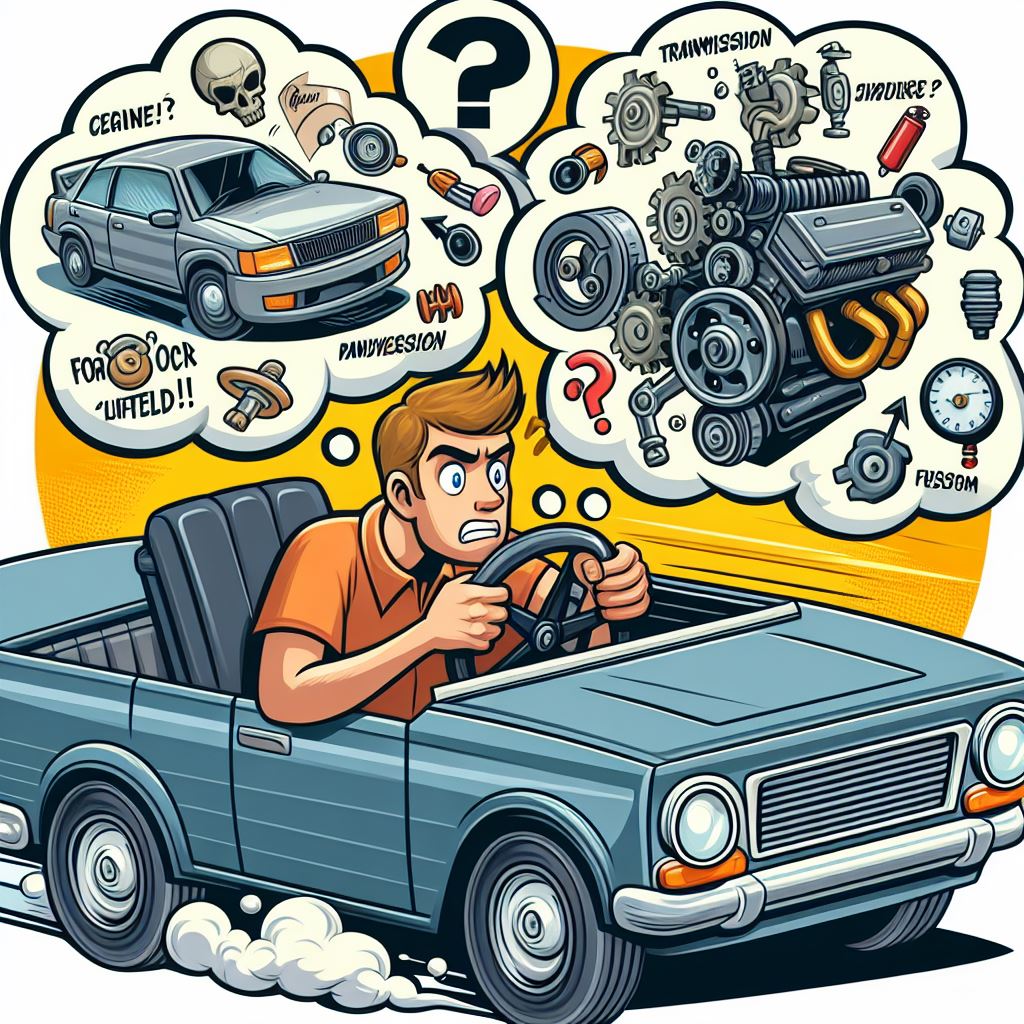
    Why Does My Car Jerk When I Accelerate? A Detailed Guide

    Experiencing car jerking when accelerating, especially at low speeds, can be disconcerting and shouldn’t be overlooked.

    Aside from just being annoying, when your car jerks while accelerating, it’s usually a sign that something might be wrong with your vehicle.

    Not dismissing this symptom is essential, as it could signify impending problems that may worsen without intervention. Neglecting the jerking could lead to more severe issues down the line, necessitating costly repairs or extensive maintenance procedures.

    To address the problem effectively, consider taking proactive measures such as scheduling preventative maintenance or promptly seeking auto repair services.

    By addressing the root cause of the jerking, you can safeguard the smooth operation and longevity of your vehicle, ensuring continued reliability on the road.

    10 Underlying Reasons Behind It

    Let’s Discuss all the 10 reasons why your car might be Jerking while accelerating

    Transmission Troubles

    The sudden jerks you feel when problems with the transmission system usually cause your car speed up. Fluid levels and wear on transmission components play pivotal roles in this phenomenon.

    A thorough examination of these elements is necessary to identify and rectify issues contributing to jerky accelerations.

    By promptly addressing transmission problems, drivers can restore smooth and seamless acceleration, enhancing driving comfort and safety.

    Deciphering Engine Misfires

    Inside the complicated workings of the engine, there’s a mysterious problem called misfires. These misfires can cause your car to jerk when you accelerate.

    Malfunctions in spark plugs, ignition coils, or fuel injectors disrupt the harmonious orchestration of combustion, leading to erratic engine performance.

    Delving into these complexities requires meticulous inspection and diagnosis to pinpoint and resolve underlying issues.

    By addressing engine misfires effectively, drivers can restore confidence in their vehicle’s acceleration, ensuring a smoother and more enjoyable driving experience.

    Navigating Fuel System

    With its intricate network of components, the fuel system presents yet another layer of mystery in the quest to understand jerky accelerations.

    Problems with fuel filters, pumps, or injectors can disrupt fuel flow to the engine, resulting in abrupt jerks during acceleration.

    Thorough examination and diagnosis of the fuel system are essential to identify and rectify issues contributing to these disturbances.

    By addressing fuel system challenges comprehensively, drivers can restore optimal fuel delivery and mitigate jerky accelerations, promoting smoother and more efficient driving.

    Why Does My Car Jerk When I Accelerate 1

    Sortout Ignition System Complexity

    The ignition system, an important part of how cars work, can have problems that make the car jerk when you speed up.

    Even minor malfunctions in ignition components, such as coils and sensors, can disrupt the precise combustion timing, leading to inconsistent engine performance.

    Resolving issues within the ignition system requires meticulous attention to detail and diagnostic expertise to ensure proper functionality.

    By untangling the intricacies of the ignition system, drivers can eliminate disruptions to acceleration, restoring smooth and predictable engine operation.

    Detecting Vacuum Leaks

    Hidden within the labyrinth of hoses and gaskets lies the elusive challenge of vacuum leaks, which can manifest as jerky accelerations.

    Identifying and repairing these leaks requires a systematic approach to locating and sealing gaps within the vacuum system.

    By detecting and rectifying vacuum leaks promptly, drivers can restore optimal engine performance and eliminate disturbances to acceleration, ensuring a more enjoyable and responsive driving experience.

    Ensuring Sensor Functionality

    Modern vehicles rely on many sensors to monitor and regulate engine performance, and malfunctions in these sensors can contribute to jerky accelerations.

    Ensuring the proper functionality of sensors, such as mass airflow and throttle position, is essential to diagnose and address acceleration-related issues effectively.

    A thorough inspection and diagnostic testing are necessary to identify and rectify sensor malfunctions, restoring smooth and predictable acceleration.

    By ensuring sensor functionality, drivers can optimize engine performance and enhance the driving experience.

    Addressing Module Malfunctions

    Electronic modules within the vehicle’s systems play a crucial role in engine management and propulsion, and malfunctions in these modules can contribute to jerky accelerations.

    Identifying and rectifying glitches within electronic modules requires specialized diagnostic equipment and expertise.

    By addressing module malfunctions promptly, drivers can restore optimal engine performance and eliminate disturbances to acceleration, ensuring a smoother and more responsive driving experience.

    Mitigating Engine Mount Wear

    Over time, engine mounts can deteriorate, leading to excessive engine movement and vibrations during acceleration. Addressing worn-out mounts requires replacement and proper alignment to ensure driving stability and comfort.

    By mitigating engine mount wear, drivers can minimize disturbances to acceleration and enhance the overall driving experience.

    FAQS

    Some Frequently Asked Questions about Car Jerking While Accelerating

    What causes the car to jerk during acceleration?

    Car jerking during acceleration can be caused by various factors such as transmission problems, engine misfires, fuel system issues, ignition system complexities, vacuum leaks, sensor malfunctions, module glitches, or engine mount wear.

    How do transmission troubles contribute to jerky accelerations?

    Transmission issues, including low fluid levels and worn components, can lead to jerky accelerations.

    Addressing these problems promptly through a thorough examination and necessary repairs can restore smooth acceleration and enhance driving safety.

    What role do engine misfires play in jerky accelerations?

    Engine misfires disrupt combustion, resulting in erratic engine performance and jerky accelerations.

    Malfunctions in spark plugs, ignition coils, or fuel injectors are common culprits, requiring meticulous inspection and diagnosis for effective resolution.

    How does the fuel system affect acceleration smoothness?

    Problems with fuel filters, pumps, or injectors can disrupt fuel flow to the engine, leading to abrupt jerks during acceleration.

    Thorough examination and diagnosis of the fuel system are essential to identify and rectify issues contributing to these disturbances.

    What complexities are involved in the ignition system that could cause jerky accelerations?

    Even minor malfunctions in ignition components such as coils and sensors can disrupt combustion timing, resulting in inconsistent engine performance and jerky accelerations.

    Resolving ignition system issues requires meticulous attention to detail and diagnostic expertise.

    What are vacuum leaks, and how do they contribute to jerky accelerations?

    Vacuum leaks occur when gaps within the vacuum system lead to jerky accelerations.

    Detecting and repairing these leaks promptly is crucial to restoring optimal engine performance and eliminating disturbances during acceleration.

    Why is ensuring sensor functionality important in addressing jerky accelerations?

    Malfunctions in sensors such as mass airflow and throttle position can contribute to jerky accelerations.

    A thorough inspection and diagnostic testing are necessary to identify and rectify sensor issues, restoring smooth and predictable acceleration.

    How do module malfunctions and engine mount wear impact acceleration smoothness?

    Module glitches and engine mount wear can also contribute to jerky accelerations.

    Prompt identification and rectification of these issues are essential to restore optimal engine performance, minimize disturbances during acceleration, and enhance the overall driving experience.

    Conclusion

    To sum up, feeling your car jerk when you speed up, especially at slow speeds, isn’t just annoying—it usually means there’s a problem you shouldn’t ignore.

    Beyond being bothersome, these jerks could indicate impending problems that may worsen if left unaddressed.

    Neglecting to address the root cause of the jerking could lead to more severe issues, resulting in costly repairs or extensive maintenance procedures.

    To effectively tackle the problem, it’s essential to take proactive measures such as scheduling preventative maintenance or promptly seeking auto repair services.

    By addressing the underlying reasons behind the jerky acceleration, you can safeguard the smooth operation and longevity of your vehicle, ensuring continued reliability on the road.

    Whether it’s transmission troubles, engine misfires, fuel system challenges, ignition system complexity, vacuum leaks, sensor functionality issues, module malfunctions, or engine mount wear, each potential cause of jerky acceleration requires careful examination and resolution.

    By understanding these underlying reasons and taking appropriate action, drivers can enjoy a smoother and more enjoyable driving experience while ensuring the longevity and safety of their vehicles.

  • Do Electric Cars Need Oil Changes

    Do Electric Cars Need Oil Changes

    Electric cars are revolutionizing the automotive industry, offering an environment-friendly, more sustainable alternative to traditional gasoline-powered cars. 

    Electric cars do not need oil changes. Unlike traditional gasoline-powered cars that rely on oil for lubrication and cooling in the engine, electric cars use electric motors that do not require oil. 

    One question arises: do electric cars need oil changes? In This article, we explore the maintenance requirements of electric vehicles and why they don’t require oil changes like traditional cars.

    Why Don’t Electric Cars Need Oil Changes?

    In traditional gasoline-powered cars, oil is important for lubricating moving parts and reducing friction between the engine parts.

    Over time, the oil breaks down and becomes less effective, necessitating regular oil changes to maintain engine health.

    However, electric cars don’t have internal combustion engines, they don’t require oil for lubrication. 

    This eliminates the need for oil changes, making EV maintenance simpler, and Electric cars don’t need more maintenance than traditional cars.

    Do Electric Cars Need Oil Changes 1

    Common maintenance tasks for electric vehicles include:

    • Regularly checking and rotating tires to ensure even wear
    • Inspecting and replacing brake pads as needed
    • Checking and topping up coolant and brake fluid levels
    • Servicing the air conditioning system
    • Following the manufacturer’s recommended maintenance schedule for battery health checks

    Learn more about how much It Costs to convert to electric cars.

    Benefits of Having an Electric Car

    Let’s Learn them Step by Step

    1: Save Time and Money

    Oil changes are not only inconvenient, but they can also be expensive. With an electric car, you can kiss those goodbye. 

    No more scheduling appointments, waiting at the mechanic, or shelling out cash for oil and labor. You can spend that extra time doing things you enjoy.

    2: Reduced Maintenance

    Electric cars generally require less maintenance than gasoline-powered ones. There are fewer fluids to check and replace, and the electric motor has a simpler design. This translates to lower maintenance costs in the long run.

    3: Environmentally Friendly 

    This one’s a no-brainer. Electric cars produce zero tailpipe emissions, contributing to cleaner air and a healthier planet. Plus, you’re not disposing of used motor oil, which can harm the environment if improperly handled.

    Conclusion

    Electric cars redefine the concept of car maintenance. Say goodbye to oil changes and hello to a simpler, more sustainable way to drive. 

    Remember, while oil changes are a thing of the past, regular maintenance is still important for your electric car. 

     By following manufacturer recommendations, you can ensure your EV runs smoothly, and efficiently, and delivers

  • What is the reason Suzuki Extended Warranty Is a smart investment?

    What is the reason Suzuki Extended Warranty Is a smart investment?

    In the past, when Suzuki manufactured vehicles, they had an impressive array of protection plans. They offered a New Vehicle Limited Warranty with a zero-deductible, including all components listed up to 36,000 miles, or three years.

    Suzuki also offered a handful of other options, like Extended powertrain protection that lasted up to 100,000 miles or seven years. It’s worth noting, however, that any warranty you purchased has likely been canceled.

    What is the reason SUZUKI EXTENDED WARRANTY Is A smart investment?

    When Suzuki pulled their vehicles out of the US market, They also revoked Suzuki’s extended warranty for all items other than ATVs and motorcycles.

    However, you can still get extended warranties from an independent provider that provides the same coverage as Suzuki and everyday driving advantages.

    WHY A SUZUKI EXTENDED WARRANTY is a wise investment?

    Suzuki is an established and reliable automotive manufacturer. If you decide to purchase a Suzuki car, you’re buying an excellent vehicle that’s likely to last for a long time.

    But, as with all cars, things may be wrong, and repairs could cost you a fortune. So, the extended warranty is an excellent option for your Suzuki.

    An extended warranty is an insurance policy for your car, and it may be used to pay for repairs or replacements if something is not working. It’s important to know that no extended warranty is created equal.

    Certain warranties only cover certain parts, while some will include the entire vehicle. Suzuki has various extended warranty plans that you can choose from, so you’ll choose one that best suits your requirements and budget.

    Although an extended warranty might cost you a bit of money upfront, it could help you save dollars in the event of a problem with your Suzuki.

    Also, since Suzuki is a dependable company, there’s likely a high chance that you won’t have to use the extended warranty in any way. If something happens, it will be a relief to have it.

    If you’re searching for peace of mind and security for your Suzuki extended warranty, then an extended warranty is the best option. Select a plan that suits your needs and budget, and be happy knowing your vehicle is covered.

    THE BENEFITS OF AN EXTENDED WARRANTY (EW) FOR YOUR SUZUKI

    If you’re a Suzuki owner, you know you made the right decision when choosing your vehicle. Also, you know how important it is to maintain your Suzuki to ensure it runs efficiently for decades. One method to maintain your Suzuki is to purchase an extension of warranty.

    A longer warranty from Suzuki is the most effective way to safeguard your investment. If you have an extended warranty from Suzuki, you’ll enjoy confidence knowing your Suzuki is protected in the case of a mechanical malfunction.

    Additionally, you can enjoy unique benefits such as Free Suzuki Genuine Oil, specially designed for Suzuki engines.

    Regarding safeguarding your Suzuki, the extended warranty offered by Suzuki is the most effective way to get it. Get in touch with Suzuki Fort Motors today to learn about EW options.

    Extended Warranty Cost?

    Extended warranties, sometimes known as car service contracts, are designed to reduce the common costs of your vehicle, including maintenance and repairs. The following aspects determine the cost of a Suzuki extended warranty:

    Coverage Level

    The greater the amount of protection your plan includes, the greater the amount you can be prepared to be charged. Purchasing powertrain coverage can lower costs if you want to cover the highest-priced parts (such as for your vehicle). Be aware that everything outside covered repairs falls on you to pay for it.

    WHAT’S INCLUDED IN THE EXTENDED WARRANTY COVERAGE?

    Buying a brand-new vehicle provides a Standard Suzuki guarantee of three years or 60,000km. Extended warranty coverage extends to 4 years or 80,000km (whichever is first). The standard Warranty terms and conditions are in effect. Check the owner’s manual to get all the information.

    What is that included in the warranty?

    The extended warranty covers:

    • Engine
    • Suspension
    • Exhaust system
    • Intake system
    • Fuel system
    • Brake System
    • Air conditioning system

    What’s covered under the Suzuki Factory Warranty?

    If you’re interested in the warranty that was factory-issued and applicable to your car when you first purchased it, these options they provided:

    Bumper-to-Bumper Warranties

    The bumper-to-bumper protection covers almost everything inside and outside of your vehicle from any workmanship problems, including defective components. Suzuki’s plan lasted for three years or 36,000 miles.

    Powertrain Warranty Protection

    The Powertrain insurance covers the most expensive components of your vehicle, such as the driveshaft, engine, and transmission. This coverage was valid for seven years or 100,000 miles following the purchase.

    Additional Coverage

    Suzuki went the extra mile in terms of the factory equipment warranty. The battery in your car (for two years, or more than 24,000 miles) and corrosion problems (for five years, with no mileage limits) are both covered, as were brand-name accessories (for a duration as long as bumper-to-bumper coverage lasted).

    One way to think of it is that the sole thing that isn’t covered is the tires since an outside company manufactures them. New Suzuki cars had a comprehensive roadside assistance service that lasted 3 years or 36,000 miles.

    What Should I Do If My Suzuki Manufacturer’s Warranty Has Expired?

    In the wake of the latest US Suzuki offered in 2012, the most recent warranty from your vehicle manufacturer could have expired by December 2019. Since that was a while back, there’s no possibility that your manufacturer’s warranty has run out.

    The cost of a car breakdown on your own could be prohibitive. We recommend purchasing a third-party assurance as early as possible, particularly if you own an old car with a high likelihood of having a part fail soon.

    n Endurance guarantee will perform the heavy lifting when you need to repair something and will pay repair facilities certified by ASE directly. For more information on saving thousands on repairs, ask for an obligation-free, no-cost estimate.

    What warranty is given under Maruti?

    Maruti Suzuki cars come with a standard 24-month or 40,000 km warranty on parts and repairs covered under unforeseeable manufacturing defects.

    With the Maruti Suzuki Extended Warranty program, you can enjoy these benefits over a longer time. The extended warranty is available for five years or 1,00,000 kilometers.

    Is an extended warranty worth it?

    If it’s about the cost over your vehicle’s long term, extended warranties are generally “a poor bargain,” says Gillis. In a Consumer Reports survey, most people who bought extended warranties did not use the warranty.

    Of those who used the warranty, they did not save more on repairs than the cost of the warranty.

    What will cover an extended warranty?

    Extended warranties are the policies that extend the warranty of durable consumer products beyond the time provided by the company that makes them.

    It includes the cost of repair or replacement of the product if an issue is caused it by the manufacturing process or inadequate workmanship.

  • Can You Jumpstart a Car with a Bad Alternator? Detailed Guide

    Can You Jumpstart a Car with a Bad Alternator? Detailed Guide

    The alternator in your car is responsible for running the electrical systems and recharging the battery after the car has been started. If your alternator is not functioning properly, your car may still start, but it will be running solely on the battery.

     Sometimes, it is possible to jumpstart a car with a faulty alternator if the battery has enough charge to keep it running. However, it is important to replace the alternator as soon as possible. 

    Learn more about whether your car can run with a bad alternator and how to identify if your car’s alternator is faulty in this guide from the service experts at Weir Canyon.

    Can You Jumpstart a Car with a Bad Alternator?

    You can jumpstart a car with a bad alternator if it is dead and you must drive it to a mechanic. Here’s how:

    Get a Jumpstart

    Use jumper cables to connect your car’s dead battery to a car with a healthy battery. Ensure both cars are turned off before connecting the cables.

    Connect the Cables

    Attach one end of the red (positive) jumper cable to the dead battery’s positive terminal. Then, attach the other end of the red cable to the positive terminal of the good battery.

    You might be interested in Why My Car Gear Not Shifting. Let’s Find Out the Reasons & Solutions

    Attach the Black Cable

     Next, connect one end of the black (negative) jumper cable to the good battery’s negative terminal. Attach the other end of the black cable to a metal surface on your car’s engine block, away from the battery and any moving parts.

    Start the Engine

    Start the car with a healthy battery and let it run for a few minutes. Then, try to start your car. If it starts, leave it running to allow the battery to charge.

    Can You Jumpstart a Car with a Bad Alternator

    Drive to a Mechanic

    Once your car is running, drive it to a mechanic to have the alternator checked and replaced if necessary. Avoid turning off your car until you reach your destination, as it may not start again without another jumpstart.


    Connect your jumper cables

    • Place one red clamp onto the dead battery’s positive (+) terminal.
    • Attach the other red clamp to the positive (+) terminal of the working (good) battery.
    • Connect one black clamp to the negative (-) terminal of the working (good) battery.
    • Fasten the remaining black clamp to an unpainted metal part, such as a nut, stud, bolt head, or bracket, in the vehicle’s engine bay with the dead battery.

    How Do You Know if a Car Alternator is Bad?

    5 ways to know if a Car Alternator is Bad:

    Check the Battery

    Start by checking the battery to ensure it’s not the source of the problem. Test the battery’s voltage with a multimeter. A healthy battery should have a voltage of around 12.6 volts.

    If the voltage is significantly lower, the battery might be the issue, not the alternator.

    Can You Jumpstart a Car with a Bad Alternator 1

    Inspect the Alternator Belt

    A loose or worn alternator belt can cause the alternator to function improperly. Check the belt for signs of wear, such as cracks, fraying, or looseness. If the belt appears damaged or loose, it should be replaced.

    Check the Alternator Output 

    Start the engine and let it idle. A multimeter is used to measure the voltage at the battery terminals. A working alternator should produce a voltage between 13.8 and 14.8 volts. If the voltage is lower, the alternator might be failing.

    Test for AC Voltage

    Set your multimeter to AC voltage and check for any AC voltage at the battery terminals. A small AC voltage (less than 0.5 volts) is normal, but anything higher could indicate a faulty diode in the alternator.

    Inspect for Physical Damage

    Inspect the alternator for any signs of physical damage, such as cracks, dents, or leaking fluids. Physical damage can indicate internal problems with the alternator and may require replacement.

    Learn more about how I can protect my car from damage.

    Conclusion 

    Jumpstarting a car with a bad alternator is possible, but getting the vehicle to a mechanic for repair is a temporary solution. 

    It’s important to follow the correct steps and safety precautions when jumpstarting a car to avoid damaging the vehicle or injuring yourself.

     If your car’s alternator is faulty, it’s best to have it replaced by a professional mechanic to ensure your vehicle’s electrical system functions properly.

  • Why Does My Car Shake?  – Let’s Find Out

    Why Does My Car Shake?  – Let’s Find Out

    Feeling your car shake while driving can be concerning. There are some reasons your car might be shaking, and understanding these causes can help you promptly address the issue.

    From simple fixes to more complex problems, diagnosing the root cause of the shaking is key to restoring a smooth and safe driving experience.

    In this article, I will explore the common causes of car shaking, ranging from minor issues like unbalanced tires to more serious problems like engine or transmission issues.

    I will also discuss the potential solutions for each cause, helping you identify the best course of action to resolve the shaking and confidently get back on the road.

    Top 5 Reasons Why Your Car Shake?

    Below are the top 5 reasons why your car might Shake:

    Engine Problems

    Engine issues are a common culprit behind car shaking, especially if the shaking is most pronounced when your car is idling at a stoplight or parked. Here are some possible causes within the engine compartment:

    Faulty Spark Plugs

    Over time, spark plugs wear out and become less effective at igniting the air-fuel mixture in the engine’s cylinders. This incomplete combustion can cause vibrations you’ll feel when you are idle.

    Spark plugs are a routine maintenance item and are typically affordable to replace.

    Engine Misfire

    A misfire occurs when one or more cylinders aren’t firing properly. This can be caused by faulty spark plugs, failing ignition coils that deliver the spark, or clogged fuel injectors that prevent proper fuel delivery.

    A mechanic can diagnose the specific cause of the misfire and recommend repairs.

    Worn Engine Mounts

    Engine mounts are the rubber components that hold the engine securely in place within the engine bay.

    Over time, these mounts can wear out and crack, allowing the engine to move excessively, translating to shaking at idle. Replacing worn engine mounts can restore a smooth idle.

    Brake Problems

    While less frequent than engine issues, brake problems can also cause a shaking sensation. Here’s a common culprit

    Why Does My Car Shake 1


    Warped Brake Rotors

    Brake rotors are the discs the brake pads clamp onto to slow the car down. Overheating or uneven wear can cause these rotors to warp, leading to a pulsating shaking sensation in the steering wheel when you apply the brakes.

    Replacing warped rotors is typically necessary to restore smooth braking.

    Axle Problems

    Axles are the rods that connect your wheels and allow them to spin. Damage to an axle can cause shaking. Here’s what to watch out for:

    Bent Axle

    Hitting a curb or pothole can bend an axle. A bent axle can cause shaking at all speeds, but it typically becomes more pronounced at higher speeds. Replacing a bent axle is necessary to ensure safe driving.

    You might be interested in How Many Axles Does a Car Have?

    Wheel Problems

    Issues with your wheels can also lead to a car shaking sensation. Here are two possibilities:

    Imbalanced Wheels

    Tires can lose their balance over time due to uneven wear or internal damage. This imbalance can cause a shaking sensation at higher speeds. Getting your tires balanced is a routine service that can eliminate this issue.

    Why Does My Car Shake

    Bent Wheels

    As mentioned earlier, hitting a curb or pothole can also bend a wheel. A bent wheel can cause shaking at all speeds, but it typically becomes more pronounced at higher speeds. Sometimes, bent wheels can be repaired, while others may need replacement.

    Tires

    Tires are another frequent contributor to car shaking. Here’s how tire issues can manifest as shaking

    Uneven Tire Wear

    Uneven tire wear patterns, such as cupping or scalloping, can also lead to shaking. This can be caused by improper tire inflation, worn suspension components, or misalignment.

    Regular tire inspections can help identify uneven wear patterns early on. Depending on the severity of the wear, a tire rotation, alignment, or replacement might be necessary.

    Low Tire Pressure

    Underinflated tires can also cause a shaky feeling, especially at higher speeds. Maintaining proper tire pressure as the manufacturer recommends (information typically found on a sticker inside the driver’s door jamb) is crucial for safety and optimal performance.

    Read more about 10 Easy Ways to Keep Your Tires in Good Shape.

    What To Do If Your Car Shakes

    If your car is shaking, getting it checked out by a qualified mechanic as soon as possible is important.

    Early diagnosis and repair can prevent minor issues from becoming more expensive. Here are some tips:

    Describe the Shaking in Detail

    When you take your car to a mechanic, be as detailed as possible about the shaking sensation. Note when it occurs (idling, accelerating, high speeds), where you feel it (steering wheel, seat, whole car), and if there are any accompanying noises.

    Visual Inspection

    You can do a quick visual inspection of your tires for any uneven wear or damage. Check the tire pressure and ensure it matches the manufacturer’s recommendations.

    Conclusion

    By understanding the causes of car shaking and its symptoms, you can be more informed when your car starts to shimmy.

    Remember, early diagnosis and repair can prevent minor issues from becoming more expensive.

    If you’re experiencing car shaking, consult a qualified mechanic to pinpoint the cause and get the right repairs done.

  • Can Cameras See Through Tinted Car Windows?

    Can Cameras See Through Tinted Car Windows?

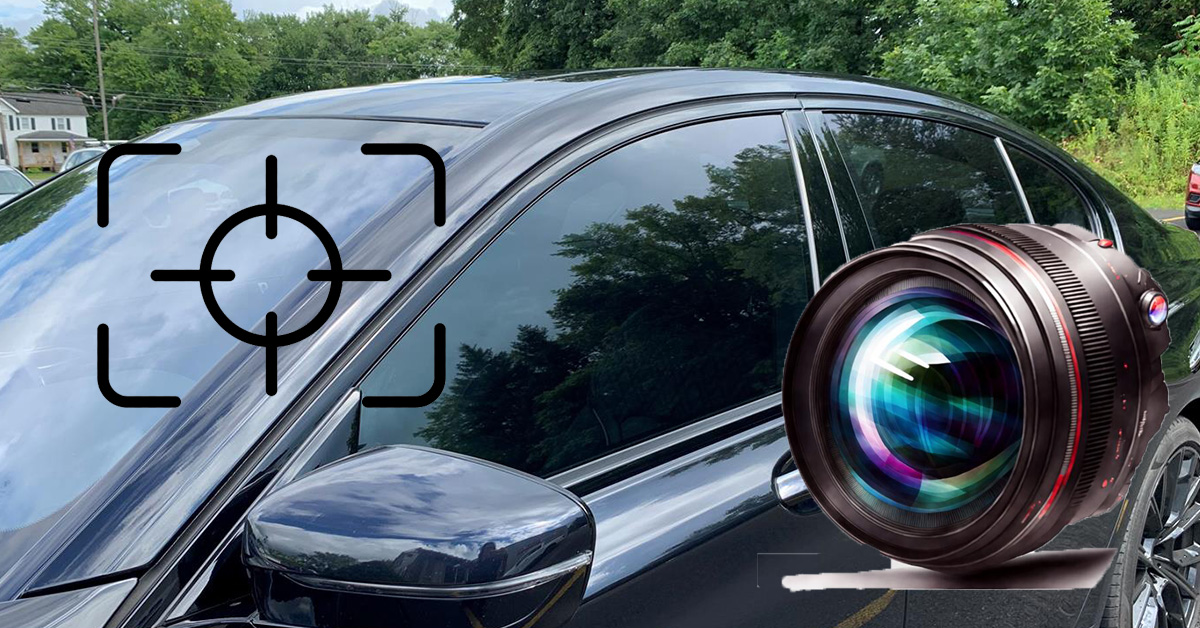
    It often comes to mind whether the cameras mounted on police vehicles and other traffic lights can look inside our cars despite having tinted glasses. This question might also come to your mind if you drive a car with tinted windows.

    Thus, this article will illuminate whether the cameras can see through tinted car windows.

    l42ocBvrcSF6rRMZvA kCALL556pkrD5x9Mn93CVfkHLwHpPpU6UGkJYXYtdMHsgAIY3E1qAQ5 TO HiimyVKoEcZ1xQ7N8mR16ujFCH2KyXqWBZDRn9vjqsojPeJ2Tp m45aL6CtwZOGmSMWSgN5uQ

    Can Cameras See Through Tinted Car Windows?

    Like many people worldwide, you are also curious about the security and privacy of your vehicle; that is why you ask, “Can cameras see through tinted car windows?” The answer is, “Yes, but it depends on some conditions.”

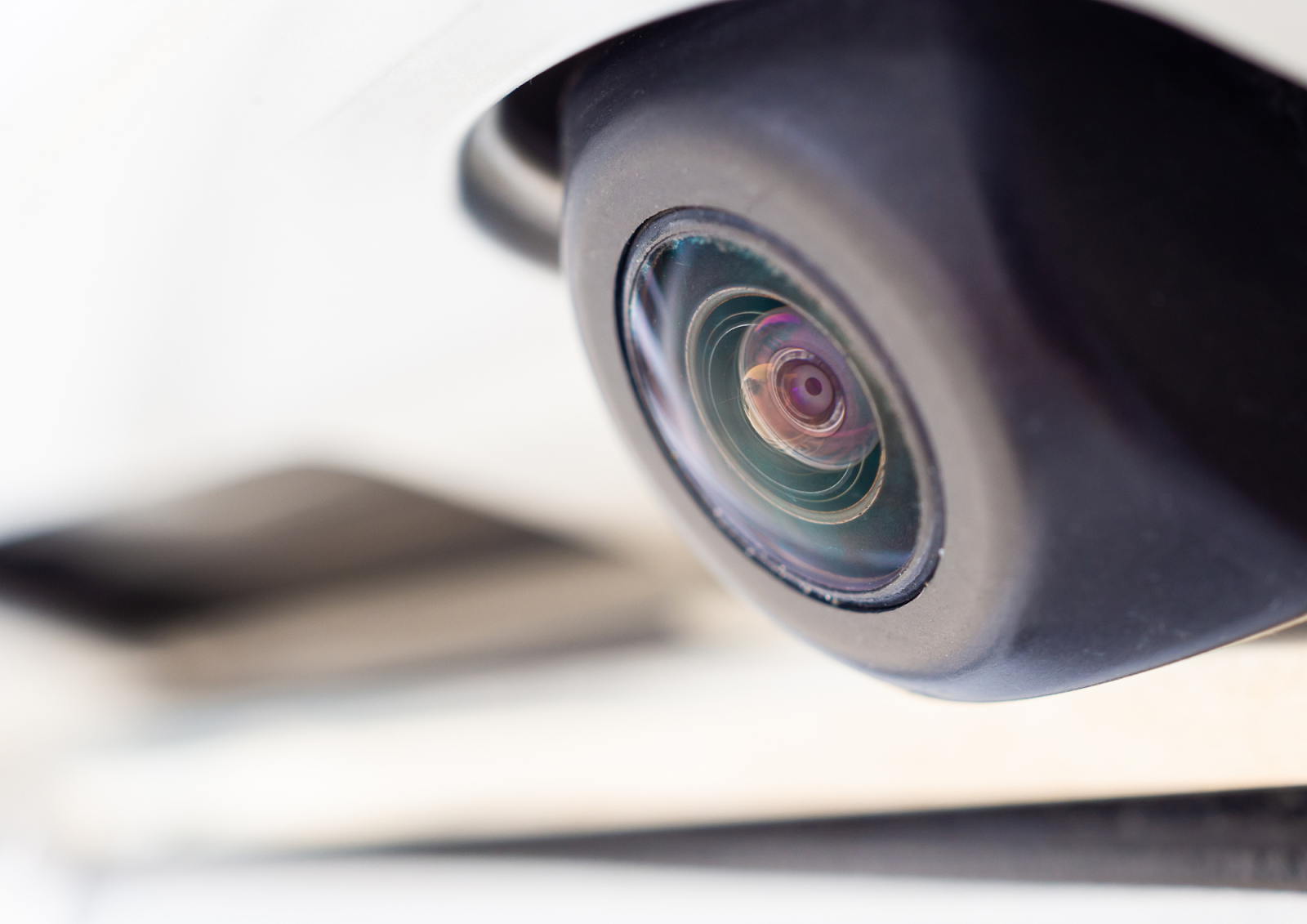
    Only some cameras can pierce through tinted car glass unless designed for a specific purpose and quality, and the environment, such as lightning conditions, also matters a lot.

    Additionally, if the tint is darker and the camera is not designed for night vision, looking beyond a tinted car window becomes out of scope. 

    You might be interested in: How Much Does It Cost To Tint Car Windows?

    Factors That Affect The Camera Seeing Through Tinted Car Window

    lwGm1n lJO oSmU1cWgFxU2qKSUJY7KRYKBLcdBE2dlKXyCNQbkNfKxS p81vBnALGtvxril6dEJ9qKkbFhv6cbTrjNbMJ a9AbApzdjpgmZPKfMW h

    Well, there are many things that we need to understand to address our concern fully, and we are going to elaborate on them in detail. 

    Basic Household Security Camera

    It is the most common camera type, often found in houses. These cameras are used for home security and detecting any unwanted intrusion on the premises. These cameras are not very sensitive and high-tech; they cannot recognize the human eye’s color in most cases.

    So, can these cameras see through tinted car windows? The answer is negative. 

    Resolution

    A high-resolution camera is more likely to catch the details of your car, such as reading the number plate and capturing the definition image so that you can see and detect the color of the vehicle more precisely.

    Today, 1080p cameras are mainly in the market, which means they are fair enough to record the moments in more detail. 

    Such cameras may see through the tinted glass windows of cars. In addition, the cameras equipped with 2K and 4K resolution are further enhanced, and their capacity to grab details increases often. 

    Lightning Conditions

    Despite having a powerful camera lens, the environment matters a lot. If the camera is installed in low light conditions and is meant to work in bright light, then its performance will be undermined, and it won’t be able to give you a detailed result or even a blurred picture despite capturing it using an HD device. 

    For Instance, if your windows are equipped with a better quality tint, it becomes a challenge for you to look inside clearly with your naked eye. This happens primarily because of the change in lighting conditions inside and outside the car.

    The same is true with cameras, which can also not capture a clear picture of your vehicle when its glass is heavily tinted. 

    Nowadays, cameras have enhanced night vision capability, but that still does not mean that these cameras can give you a better result even at midnight compared with the daytime.

    Therefore, proper lighting conditions are essential for a camera’s eye to work efficiently if it has to capture the inside view of the car’s glass, which is also tinted. 

    Glass Type 

    Another important aspect we must understand is the type of glass used in cars. As some special-purpose security-enabled car windows come with a dye layer of glass coating during manufacturing, the glass appears darker than the ordinary.

    So, if the glass is also tinted, it adds a double layer of security for the cameras to cross, which most cameras fail. 

    Tint Type

    Tinted glass is an obvious choice, as it is a cost-effective solution for many customers, yet it can provide proper privacy and security. Tinted glass in cars mainly comprises a thin layer of metal oxide, which blocks vision from the outside but can be easily seen from the inside.

    Furthermore, the luxurious vehicle always prefers tinted glass, which adds a professional look. 

    In addition, many people commonly use reflective window tints; these types provide partial security, especially at sunset and sunrise, as cameras can penetrate through them.

    However, the reflective car tints can offer better privacy in the daytime. Similarly, at night and in the dark, these tints are known to block the camera vision; thus, absolute security is enabled. 

    Distance

    The images may become blurry and fuzzy if the camera is too far from an object. Thus, distance significantly affects whether the cameras can see through tinted glass. The camera can capture the image if it is kept close to a tinted window.  

    Beware! Cell Phone Cameras Can See Through Tinted Glass

    yB5ps2A0aKTgU vQqfEc2rrYAd8KMu5d2uC87pGF82scAvbyPdcrH7zSqkuK4canT9eNDK2lX08jwjgin8sP1tVa5TBamnlM0BW0YR HZXMIkyjA5nk65SSFr0g1YYGHGu9iRYAtdZ gtDvYUkZaEGM

    Till now, we have discussed that most types of cameras cannot see through the tinted glass windows of cars.

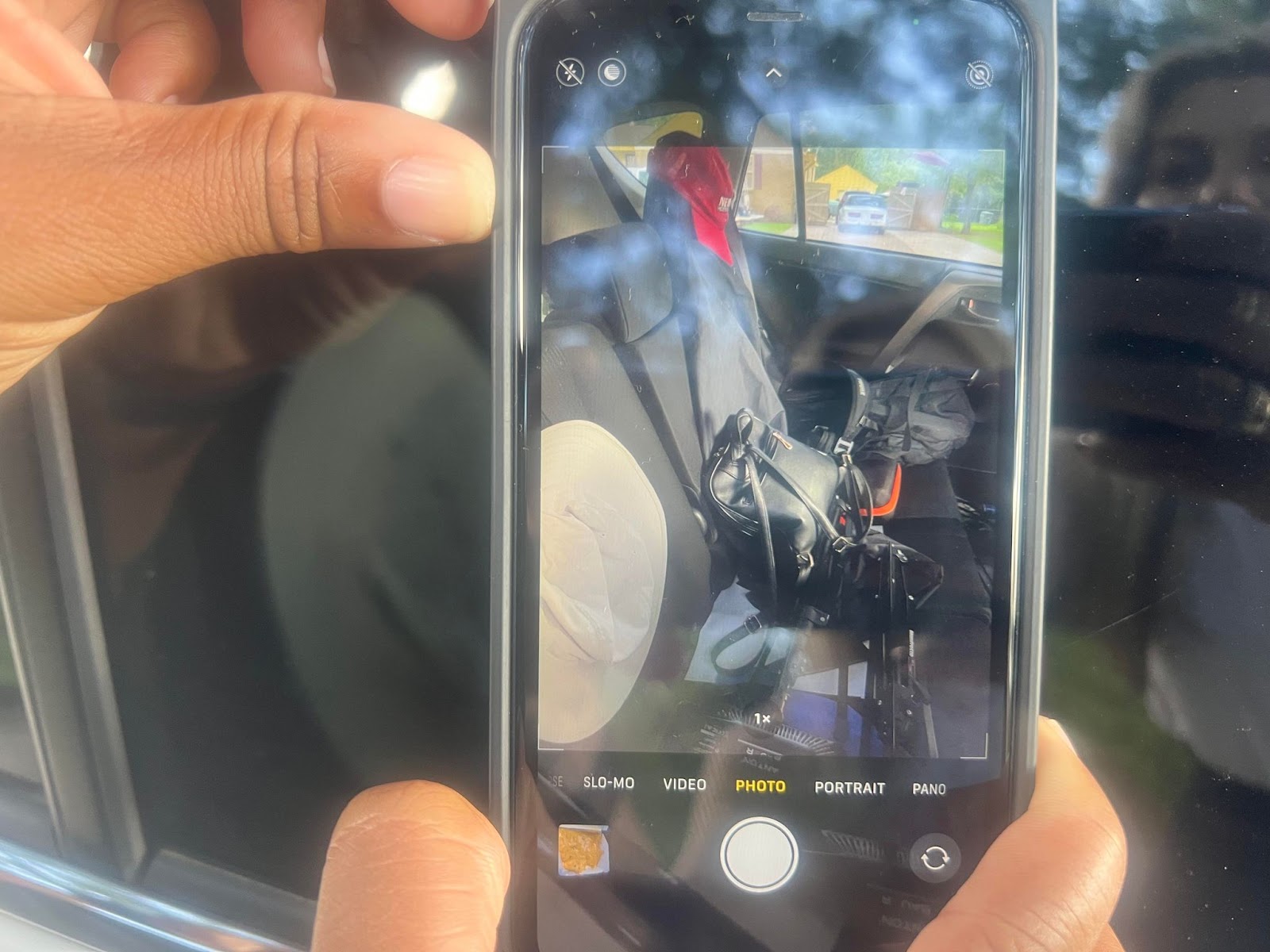
    However, there is an exception, as many expert studies reveal that cell phone cameras can see through tints, whether day or night, bright or dark, no matter the lighting conditions. 

    In cell phones, there is further a condition that on a white tint, these cameras mostly fail, but on the black or opaque coating, the cameras efficiently do their job. This difference is due to the variance in the infrared technology manufacturing cell phone cameras. 

    FAQs

    Some Frequently asked questions about Seeing through tinted glass are:

    Is It Possible To See Through Tinted Glass?

    It depends upon the type and intensity of the tint. Lighter tints maintain visibility, striking a balance between privacy and clarity.

    However, darker shades can be more challenging to see, making it difficult for the human eye and, to an extent, cameras.

    Can Cameras See Through Tinted Windows At Night?

    Low-light conditions may hinder camera performance, depending on the tint’s darkness. Sophisticated night vision cameras may overcome this obstacle, but extreme tints pose challenges.

    Can People See Me Through Tinted Windows?

    Generally, tinted windows act as a visual shield, providing privacy during the day. Yet, it’s essential to remember that extreme tints may obscure views from inside and outside the vehicle.

    Does Tinted Glass Provide Privacy?

    Tinted windows offer varying degrees of privacy, striking a balance between a transparent view from within and a shielded exterior perspective.

    The level of confidentiality largely depends on the tint’s darkness, emphasizing the importance of selecting an appropriate tint based on personal preferences and legal regulations.

    Final Words

    Wrapping up the discussion, we are now able to conclude our conversation. Looking beyond a tinted window of the car is something special that is not linked with every type of camera. When dealing with an ordinary household camera, it cannot see through the car’s tinted window. 

    However, the case varies if you have sophisticated high-tech cameras that come in a higher resolution and can deliver a detailed picture. These particular types of security cameras can be seen through the car’s tinted windows. 

    Furthermore, many scenarios sometimes favor the tints as they can provide better protection, while in some conditions, the tints’ security may get breached. For Instance, some tints are suitable for blocking external vision in the daytime, while some only work at night.

    Similarly, distance is also a factor that impacts the visibility of the camera lens beyond a tinted glass window. 

    Finally, many experts think cell phone cameras are known to see through the tinted window of the car, irrespective of its type, as long as they are black or opaque, because cell phone cameras do not work on white tints. 

  • How Much Does A Car Wrap Cost?

    How Much Does A Car Wrap Cost?

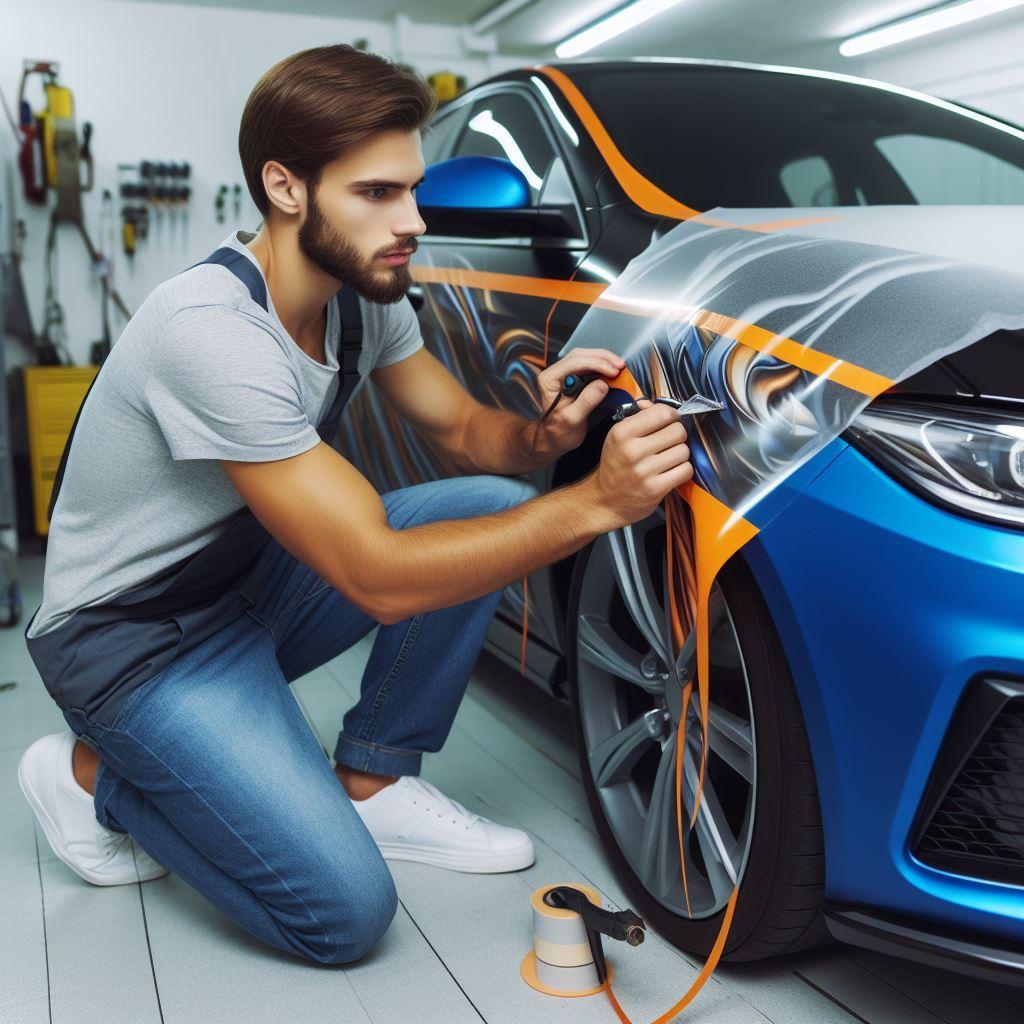
    Car wraps provide a flexible and cost-effective way to improve the aesthetics of your vehicle while defending its unique paint. From smooth sedans to tough trucks, vinyl wraps offer a customizable choice to raise your ride’s appearance.

    Moreover, they protect against scratches, UV pillars, and other normal components, ensuring the lifespan of your vehicle’s outside.

    5 7bprDf8UHIVogOykDSagr7PgaQ2m YoZ0VJAp6FtH 5ZStLAzuTy1TDeqFMk3X T4vlPrvFVc6UnChgqlxVQnXGGCGa3oRzWyh1 XjRkor MRs QlsSnFttmw3CdCIk

    What Is A Car Wrap, And How Is It Advantageous?

    A car wrap, a custom-designed vinyl film connected to the outside of a vehicle. This film acts like a mammoth sticker, totally changing the look and feel of your car. Gone are the days of being constrained to the production line paint choices.

    You’ll unleash your inventiveness with different colors, wraps up, and illustrations with car wraps. Whether you crave a smooth matte dark wrap-up, a head-turning chrome impact, or a dynamic, personalized plan decorated over your car, car wraps offer extreme customization involvement. 

    Read Also: How Much Does It Cost To Tint Car Windows?

    How Much Does A Car Wrap Cost?

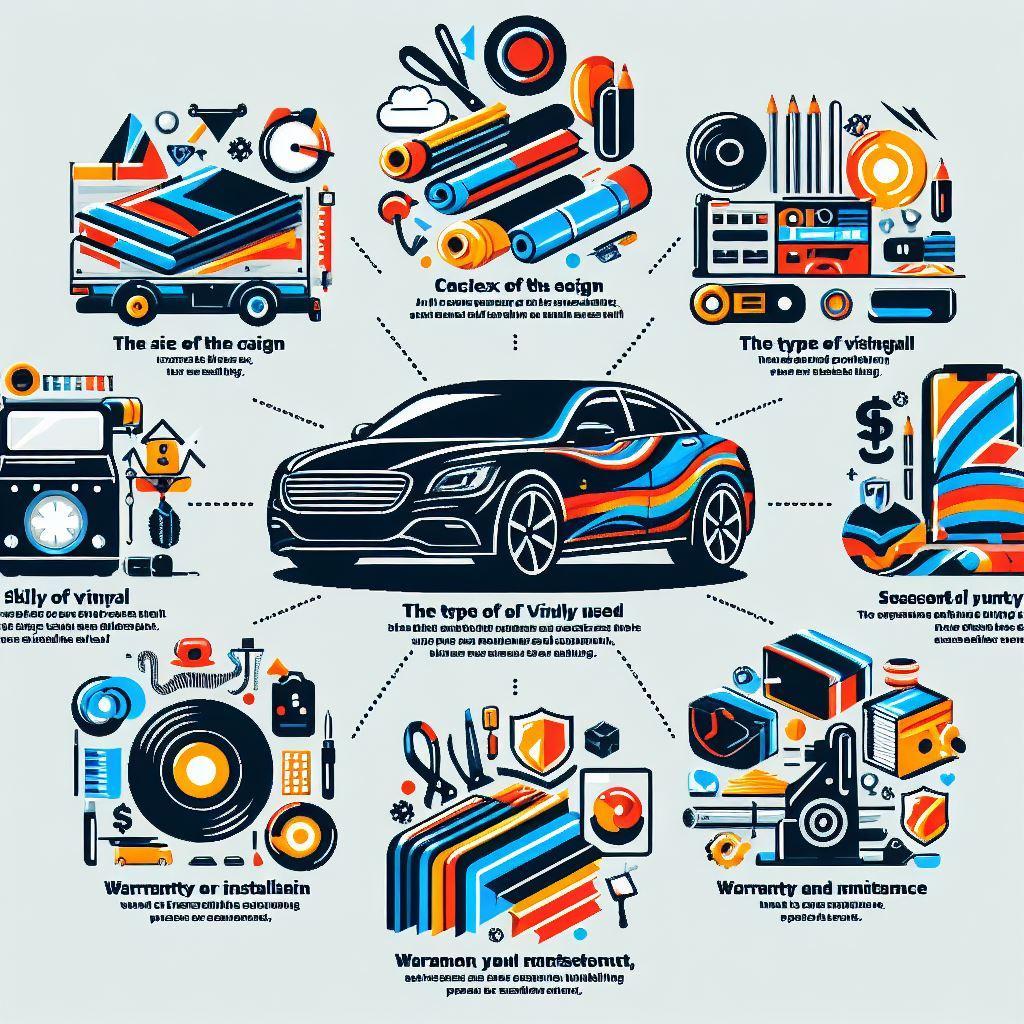
    The price range of a car wrap shifts depending on a few components, including the vehicle’s measure, the design’s complexity, the kind of fabric utilized, and the installer’s ability.

    Usually, basic vinyl wraps for smaller cars such as sedans or roadsters can extend from $500 to $3,000, whereas bigger Cars like trucks or SUVs may range between $1,500 to $5,000.

    Premium vinyl composite movies, advertising improved solidness, and life span can increment the taken charges from $2,500 to $6,000 or more, depending on the estimate and complexity of the vehicle.

    In vehicle customization, car wraps have become a prevalent choice for people looking to include an individual touch to their automobiles. Whether for branding purposes, stylish upgrades, or assurance, car wraps offer a flexible arrangement that can change the appearance of any vehicle.

    But how much does a car wrap cost? This article will dig into the variables impacting car wrap estimating and give experiences to assist you in getting the costs included.

    Factors That Affect the Cost of Car Wraps:

    cWfhoQ wotJFHl8eN5KNxDKpB9iJ6imLe vXsR3EWTbL0MFHMvRWNEWCxdhqfcggW0TZPJ 4ID9wFpAGoFfSl Alf7I Gg8FWUOlUDIkHrJVo0L9S4WHm6SetQ97Kvpdgw8s8tDYmwEvLABKLpou5iycI9VUtgtz

    Kind of Material

    Car wraps are accessible in assorted materials, each with unmistakable traits and fetched contemplations. The overwhelming materials utilized for car wraps are vinyl and vinyl composite films, which offer interesting focal points and cost differentials.

    Vinyl wraps are a prevalent choice due to their reasonableness and flexibility. These wraps are created from high-quality vinyl sheets that accommodate the vehicle’s forms, making a consistent and outwardly engaging wrap-up.

    Vinyl wraps are accessible in numerous colors, surfaces, and wraps up, permitting plentiful customization choices to suit personal inclinations. Despite being cost-effective, vinyl wraps provide palatable solidness and execution, making them an alluring option for budget-conscious shoppers.

    Vinyl composite films speak to a premium elective characterized by predominant solidness and life span. These composite movies coordinated different layers of vinyl with extra defensive components, upgrading resistance to wear, tear, and natural elements.

    Whereas vinyl composite movies command a better cost than standard vinyl wraps, they offer moved-forward execution and delayed life expectancy, making them a beneficial speculation for people looking for long-term security and aesthetics.

    Dimensions And Complexity Of The Vehicle

    Measuring the dimensions and shape of the car being wrapped plays a noteworthy part in deciding the cost of the car wrap venture. Bigger cars will require more material and labor, expanding costs.

    Moreover, Cars with complex bends, forms, and plans may need more time and aptitude to wrap accurately, raising labor costs.

    Design Complexity And Customization

    The complexity of the required design significantly impacts car wrap costs. Straightforward, single-color wraps are regularly more reasonable than complex illustrations or custom designs.

    Clients looking for special wraps like matte, glossy silk, or metallic impacts may experience higher costs due to the specialized materials and application methods included.

    How Much Does A Car Wrap Cost

    Surface Preparation And Condition

    Satisfactory surface planning is basic for a consistent and persevering car wrap establishment. Cars showing paint harm, rust, or flaws require broad prep work such as sanding, preparing, or repairs, which thus increases venture costs.

    Moreover, guaranteeing a flawless surface that is sometimes recently wrapped is significant for the ideal attachment and life span of the wrap.

    Installation Expertise And Labor Costs

    The proficiency and experience of the establishment team significantly influence car wrap costs. Prepared installers with comprehensive preparation and mastery may command higher rates; however, their administrations guarantee predominant quality and consideration of detail.

    Selecting a trustworthy installer utilizing industry-standard methods ensures the ideal comes about despite possibly higher costs.

    Regional Disparities And Market Demand

    Car wrap costs can shift based on geological area and neighborhood showcase elements. Urban ranges with numerous customization shops regularly involve higher costs due to increased competition and overhead costs.

    Alternately, country locales or districts with constrained wrap benefit alternatives may offer comparatively lower rates.

    Extra Administration And Upgrades

    A few car wrap suppliers offer supplementary administrations and add-ons that affect venture costs.

    These may include expelling existing wraps or illustrations, customizing particular vehicle components, and applying defensive coatings or straightforward bra movies to improve strength and defense against natural components.

    Read Here: How to Clean a Car Cover? – The Easiest Way

    FAQ:

    Some frequently asked questions about Car Wrap are :

    What Is A Car Wrap, And What Are Its Benefits?

    A car wrap is a custom-designed vinyl film applied to the exterior of a vehicle. It allows for complete customization with various colours, finishes, and graphics.

    Beyond aesthetics, car wraps protect the original paint job from UV rays, scratches, and minor dings.

    How Much Does A Car Wrap Cost?

    Car wrap costs vary depending on several factors, including vehicle size, design complexity, material type, and installer expertise.

    Generally, essential wraps for small cars range from $500 to $3,000, while larger vehicles can cost between $1,500 and $5,000. Premium materials and complex designs can increase the price to $6,000 or more.

    What Are The Different Types Of Car Wrap Materials?

    There are two main types of car wrap materials: vinyl and vinyl composite films. Vinyl wraps are affordable and versatile, while vinyl composite films offer superior durability and longevity at a higher cost. 

    Besides The Size Of The Car, What Other Factors Affect The Cost Of A Car Wrap?

    The complexity of the design significantly impacts the cost. Simple, single-color wraps are cheaper than intricate graphics or custom designs.

    Additionally, the condition of the car’s surface before wrapping can affect the price due to the need for prep work. 

    Should I Get A Professional To Install My Car Wrap?

    While a DIY option might be cheaper, professional installation is recommended for superior quality and attention to detail. Experienced installers ensure optimal results and a flawless finish.

    Are There Any Additional Costs To Consider Besides The Car Wrap Itself?

    Some car wrap providers offer additional services that can impact the total cost. These may include removing existing wraps, customizing specific vehicle elements, or applying protective coatings for extra durability.

    Final Words:

    Understanding the points of interest of car wrap costs is basic for people arranging this shape of vehicle customization. Components such as fabric choice, vehicle measure, plan complexity, surface condition, establishment skill, territorial elements, and extra administrations contribute to the estimating system.

    By adjusting this information, people can make educated choices, guaranteeing their venture adjusts to their budget and customization goals.

    With the angles impacting car wrap costs, people can make educated choices adjusted to their budget and customization yearnings. Whether prioritizing reasonableness, strength, or stylish offer, exploring the complexities of car wrap estimating guarantees a fulfilling and beneficial speculation in improving and ensuring their Cars.

    Eventually, car wraps offer an energetic implication of personalizing and securing Cars, rising above insignificant aesthetics to convey useful benefits that improve by and large, driving involvement.

    Whether for branding, tasteful upgrades, or security, car wraps fascinate car devotees with their flexibility and transformative potential.

  • Will Insurance Pay for Rental Car During Repairs?

    Will Insurance Pay for Rental Car During Repairs?

    Car failures are regularly eccentric and can take you off without a mode of transportation while your car is being repaired.

    Having a rental car scope in your protection arrangement can be a lifesaver in such circumstances. But will insurance pay for a rental car amid repairs? Let’s dive into this theme encourage. 

    muwYdPqAqXkmQwy C70xqplbpiD4iPVwTYPP480mcFTiJ Dblek41OYyW45TIdStrvzES 8WTuefHisziT gn0WWqRPLAzhC6rAJ2o2dyCOil6fpV6QJYYUJKZtysVvVRAgfNPXaW31pO07nRsTIRWTEyTB8Wnk5

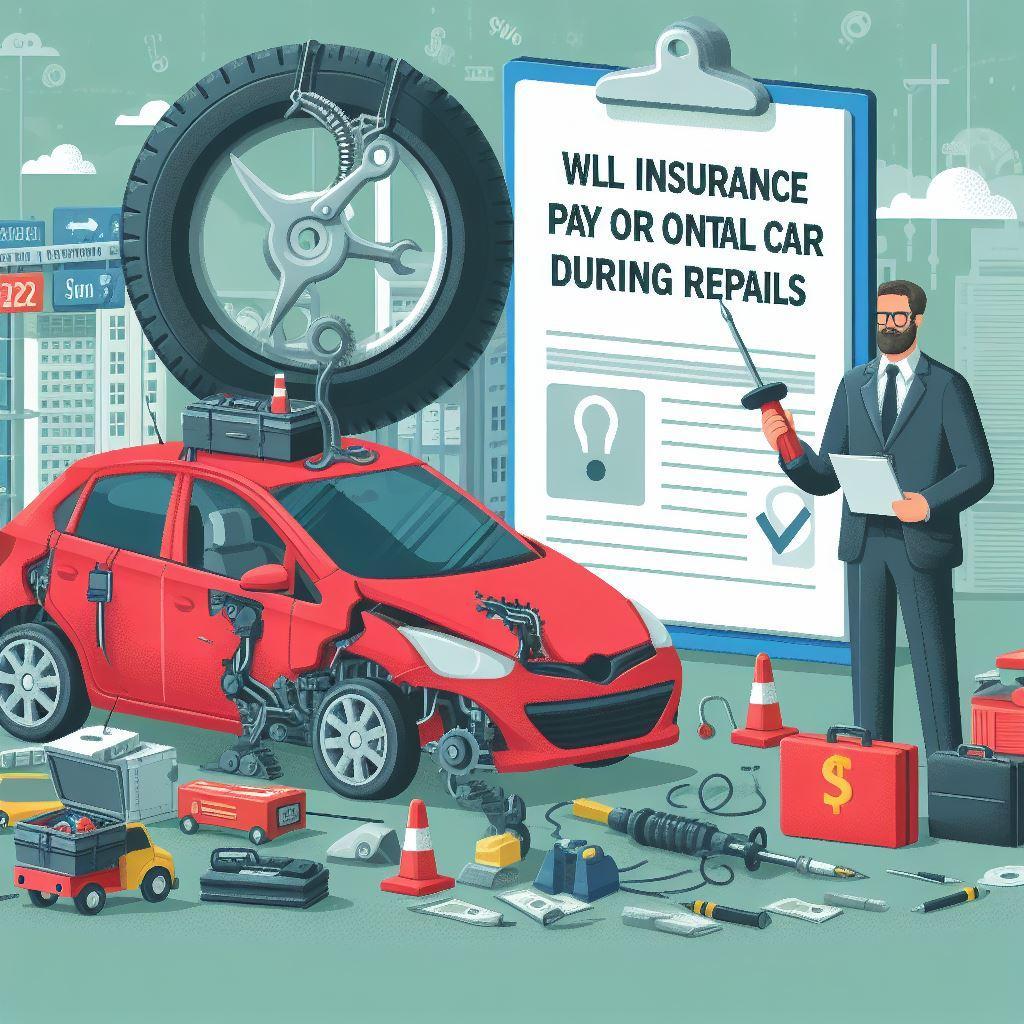
    After a car mishap, the encompassing zone gets to be filled with Broken and detached parts, including broken glass and scattered metal. During such circumstances, the question of whether insurance will pay for repairs on the car may be common promptness.

    Insurance may be an imperative instrument that provides security and monetary help when fundamental. A suitable insurance scope can make a tremendous distinction after smashing your rental car.

    If a rental car is harmed after a mischance, insurance can give monetary help for repairs and offer brief substitutions.

    You might be interested in: 2024 Tesla Roadster First Look :Release date and Design Specs

    Everything You Would Like About Insurance Pay on Rental Car Accidents:

    In the terrible event of a car mischance or mechanical breakdown, one of the foremost squeezing concerns for drivers is how they will oversee transportation while their vehicle is experiencing repairs.

    Usually, the scope of rental car protection approaches is a significant consideration. But the address remains: 

    Will insurance pay for a rental car during repairs? 

    Let’s understand the ins and outs of insurance companies’ rental car coverage.

    Does My Insurance Cover Rental Cars?

    To begin with, it’s vital to recognize that not all insurance approaches include rental car scope as a standard feature. This implies that whether or not you will be eligible for a rental car generally depends on the specifics of your insurance approach.

    Numerous approaches offer rental repayment coverage as an optional add-on, which means you’ll need to pick this extra coverage to get benefits for rental car costs.

    Coverage Limits and Daily Rates:

    For those with rental repayment coverage included in their policy, the following thought is the extent of coverage given. Insurance companies regularly have limits on the amount they will repay for rental car costs per day and claim.

    These limits can vary broadly depending on the backup plans and the particular policy, so it’s fundamental to survey your policy documents or talk with your insurance specialist to understand the points of interest of your scope.

    Conditions and Restrictions:

    In expansion to coverage limits, insurance companies may also force certain conditions and limitations on rental repayment benefits. For example, they may require that the rental car be obtained from a specific rental agency or restrain the length for which rental costs will be secured.

    Understanding these conditions is vital to maintaining a strategic distance from any surprises or misunderstandings when filing a claim for rental repayment.

    When Does Rental Car Coverage Apply?

    Another important factor is the circumstances under which rental car coverage applies. In most cases, rental reimbursement benefits are triggered when your vehicle is undergoing repairs due to damage covered by your insurance policy.

    This could include repairs following a car accident, vandalism, theft, or mechanical breakdowns covered under comprehensive or collision coverage.

    Exclusions (Routine Maintenance):

    It’s worth noting that rental car coverage typically does not apply when your vehicle is in the shop for routine maintenance or repairs unrelated to a covered loss.

    In these instances, you would be responsible for covering the cost of a rental car out of pocket unless you have alternative arrangements, such as a separate rental car insurance policy or coverage through a third-party service provider.

    Will Insurance Pay for Rental Car During Repairs

    Filing a Claim for Rental Reimbursement:

    When filing a claim for rental reimbursement, it’s essential to follow the proper procedures outlined by your insurance company.

    This may involve obtaining authorization for the rental car expenses in advance, providing documentation such as repair estimates and rental receipts, and adhering to any other requirements specified by your insurer.

    Failing to follow these procedures could result in a denial of your claim or delays in reimbursement.

    Direct Billing with Rental Agencies:

    In some cases, insurance companies may offer direct billing arrangements with certain rental car agencies, making the process more convenient for policyholders.

    Instead of paying for the rental car out of pocket and then seeking reimbursement from the insurer, the rental expenses are billed directly to the insurance company, subject to the terms of the policy.

    Will Insurance Pay for Rental Car During Repairs 1

    Alternative Transportation Options:

    It’s also worth exploring alternative options for transportation assistance during repairs, especially if rental car coverage is insufficient. Some insurers may offer additional benefits such as roadside assistance or towing services to help you get your vehicle to a repair facility without incurring additional costs.

    Additionally, some auto manufacturers and dealerships offer loaner car programs for customers whose vehicles are in the shop for repairs, although availability and eligibility criteria may vary.

    Final Words:

    Whether insurance will pay for a rental car during repairs depends on the specific terms of your policy, including whether rental reimbursement coverage is included and the extent of coverage provided.

    It’s essential to review your insurance policy carefully and understand the conditions and limitations of rental car benefits to ensure you’re adequately protected in an accident or breakdown.

    Remember, in the event of uncertainty, don’t hesitate to contact your insurance agent or provider for clarification and guidance.

    Read Also: 2024 GMC Hummer EV SUV Review: Release date and Design Specs

    FAQ about Insurance Coverage for Rental Cars:

    Frequently Asked Questions about Coverage for Rental Cars are :

    Does basic car insurance automatically cover rental car expenses during repairs?

    No, rental car coverage is typically an optional add-on, not a standard feature in most insurance policies.

    How can I determine if my insurance covers rental car repairs?

    Review your policy documents or contact your insurance agent to confirm if you have rental reimbursement coverage included in your plan.

    Is there a limit on how much insurance will pay for a rental car each day?

    Yes, insurance companies have daily limits on rental car reimbursement amounts. Check your policy details for specific limits.

    Are there any restrictions on using a rental car covered by insurance?

    Some insurers might require rentals from specific agencies or limit the rental duration. Understand these conditions to avoid claim issues.

    When does insurance cover the cost of a rental car during repairs?

    Rental coverage applies when your car undergoes repairs due to damage covered by your policy (collision, accident, vandalism).

    Does insurance pay for rentals if my car needs routine maintenance?

    No, rental car coverage is not for routine maintenance or repairs caused by an insured event.

    What should I do to file a claim for rental car reimbursement?

    Follow your insurance company’s procedures. This might involve getting pre-approval for rental expenses and submitting documents like repair estimates and receipts.

    Are there alternatives to rental cars if my insurance doesn’t cover them?

    Explore options like roadside assistance or towing from your insurer to get your car repaired. Additionally, some car manufacturers offer loaner programs during repairs (check eligibility).

    What if I’m unsure about the details of my rental car coverage?

    If you have any doubts about your insurance policy’s rental car coverage specifics, don’t hesitate to contact your insurance agent or provider for clarification.

    What if I’m unsure about the details of my rental car coverage?

    If you have any doubts about your insurance policy’s rental car coverage specifics, don’t hesitate to contact your insurance agent or provider for clarification.

  • Why My Car Gear Not Shifting? Let’s Find Out Reasons & Solutions

    Why My Car Gear Not Shifting? Let’s Find Out Reasons & Solutions

    Have you ever found yourself stuck in traffic, and realized that your car gear not shifting? It’s a frustrating experience that many of us have encountered.

    Many factors can cause this problem, ranging from simple problems like low transmission fluid to more complex problems like transmission wear.

    In this article, I’ll explain why your car gear is not working. From unexpected stops to clunky gear changes, I will uncover the reasons behind these annoyances and explore practical solutions to get you back on the road with confidence.

    Reasons Behind Why My Car Gear Not Shifting?

    When your car’s gear isn’t shifting properly, it can be a frustrating and concerning issue. Understanding the potential reasons behind this problem can help you address it effectively.

    1: Low Transmission Fluid:

    A primary cause of gear non-shifting problems is a low transmission fluid level. Transmission fluid acts as a lubricant and coolant for various system components.

    When the fluid level is low, it can cause excessive lubrication and overheating, resulting in difficulty shifting gears.

    2: Worn-out Clutch Plates:

    Broken clutch plates in manual transmission vehicles can cause gear-shifting difficulties. The clutch system temporarily disconnects the engine from the transmission when changing gears. These clutch plates wear out over time and prevent proper engagement and disengagement of the clutch.

    3: Malfunctioning Transmission Solenoid:

    The transmission solenoid is responsible for regulating the flow of transmission fluid and controlling gear shifts in automatic transmissions. If the solenoid becomes faulty or fails, it can disrupt the gear shifting process, leading to erratic shifting behavior or the inability to shift gears at all.

    4: Faulty Shift Cable or Linkage:

    In both manual and automatic transmissions, the shift cable or linkage connects the gear shifter to the transmission. If the cable or linkage becomes damaged, misaligned, or disconnected, it can prevent the transmission from receiving the proper signals to engage the correct gear.

    5: Electronic Control Module (ECM) Issues:

    Modern vehicles rely on electronic control modules to manage various functions, including the transmission system.

    If the ECM experiences a malfunction or software glitch, it can affect the transmission’s performance and lead to gear shifting problems.

    To address gear shifting issues effectively, it’s essential to have your car inspected by a qualified mechanic.

    They can perform diagnostic tests, such as checking transmission fluid levels, inspecting clutch components, and scanning for error codes in the ECM.

    Based on their findings, they can recommend the necessary repairs or adjustments to restore proper gear shifting functionality to your vehicle.

    Ignoring gear shifting problems can lead to further damage to the transmission system and compromise your safety on the road.

    How to Identify and Fix Car Gear Shifting Troubles?

    Identifying and fixing car gear shifting issue requires a systematic approach. Here’s a guide to help you tackle the issue:

    1: Diagnostic Check:

    Start by diagnosing the problem. Pay attention to any unusual sounds, vibrations, or warning lights associated with gear shifting. Use an OBD-II scanner to retrieve any trouble codes stored in the vehicle’s computer system.

    2: Check Transmission Fluid:

    Ensure the transmission fluid is at the correct level and appears clean and translucent. Low fluid levels or dirty fluid can cause shifting problems.

    If the fluid is low, top it up with the manufacturer-recommended fluid type. If it’s dirty, consider flushing and replacing the fluid.

    3: Inspect Clutch System (For Manual Transmission):

    Check the clutch pedal for proper operation. A spongy or loose pedal could indicate air in the hydraulic system or a worn-out clutch.

    Inspect the clutch fluid reservoir and lines for leaks or damage. Assess the clutch disc, pressure plate, and release bearing for signs of wear or damage. Replace any worn components as necessary.

    4: Test Transmission Solenoids (For Automatic Transmission):

    Use a scan tool to conduct a transmission solenoid test. This will help identify any faulty solenoids responsible for gear shifting issues. Replace malfunctioning solenoids with new ones to restore proper transmission function.

    5: Inspect Transmission Linkage and Cables:

    Check the transmission linkage and shift cables for signs of damage, corrosion, or misalignment.

    Adjust or replace damaged linkage components or cables to ensure smooth and precise gear shifts.

    6: Examine Electrical Components:

    Inspect wiring harnesses, connectors, and sensors associated with the transmission system.

    Repair or replace any damaged or corroded electrical components affecting transmission operation.

    7: Check for Mechanical Damage:

    Inspect the transmission assembly for any visible signs of mechanical damage, such as leaks, cracks, or worn-out gears.

    Consult a professional mechanic or transmission specialist for a thorough inspection and repair of internal transmission components.

    8: Consult Professional Help:

    If you’re unable to diagnose or fix the gear shifting problem on your own, seek assistance from a qualified mechanic or transmission specialist.

    They have the expertise and diagnostic tools to identify complex transmission issues and perform necessary repairs or adjustments.

    By following these steps, you can effectively identify and address car gear shifting troubles, ensuring optimal performance and safety on the road.

    Conclusion

    When faced with a car that won’t shift gears, it’s essential to approach the problem systematically.

    By checking transmission fluid levels, inspecting the clutch (for manual transmission), testing transmission solenoids (for automatic transmission), and examining transmission linkage and cables, you can identify potential issues and take appropriate action.

    If troubleshooting steps don’t resolve the problem, seeking professional assistance from a qualified mechanic is advisable.

    Remember, addressing gear shifting issues promptly ensures safe and smooth driving experiences in the long run.

    FAQs

    What people ask about gear shifting.

    Can a faulty clutch cause gear shifting problems in an automatic transmission car?

    No, automatic transmission cars don’t have a clutch pedal like manual transmissions.

    Gear shifting issues in automatic cars are usually related to transmission solenoids, fluid levels, or mechanical components.

    How long does it take to fix gear shifting problems in a car?

    The time required for repairs depends on the complexity of the issue. Minor problems like low fluid levels or simple adjustments may be fixed quickly, while more significant issues might take several hours or even days to resolve.

    Is it safe to continue driving if my car experiences gear shifting issues?

    It’s not recommended to drive your car if you’re experiencing gear shifting problems, especially if the shifts are rough or delayed.

    Continuing to drive could worsen the issue and potentially lead to more extensive damage to the transmission system. It’s best to have the problem diagnosed and repaired as soon as possible.

    Can driving habits affect gear shifting performance?

    Yes, aggressive driving, such as abrupt acceleration or frequent gear changes, can put stress on the transmission system and contribute to premature wear and shifting problems.

    Are gear shifting issues covered under warranty?

    It depends on the warranty coverage and the specific terms and conditions outlined by the manufacturer. Some warranties may cover transmission-related issues within a certain mileage or time frame.

    What should I do if my car’s gear shifting problem persists after repairs?

    If the issue persists after repairs, revisit the mechanic to reevaluate the problem. It’s possible that additional diagnostic steps or repairs may be necessary to address underlying issues causing the gear shifting problem.