Author: Autogos Editor

  • How Much Do You Know About Car Engines

    How Much Do You Know About Car Engines

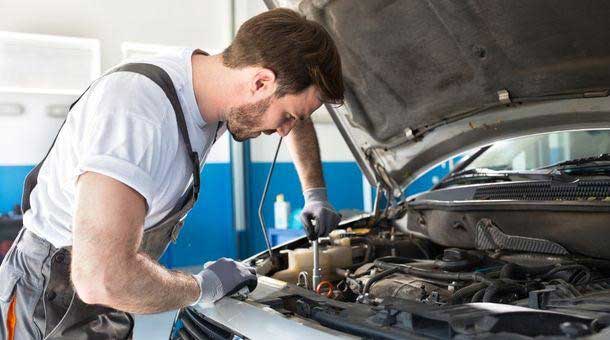
    It’s not just enjoyable to comprehend the way something functions, but it makes it simpler to pinpoint and repair problems. This is particularly true for automobiles, so the more you understand what’s happening under the hood, the more you’ll know.

    How Much Do You Know About Car Engines

    How Much Do You Know About Car Engines

    How Do Car Engines Work?

    The ease of turning the key to start a car is why engines are usually assumed to be a given. Many drivers don’t think about the technology underneath the hood when they drive from A to B, yet the engine is an impressive achievement in engineering.

    Engines depend on internal combustion. Small controlled explosions create energy. This is due to sparking the mixture of fuel and air in the various cylinders in the vehicle. This process happens hundreds of times per minute, which allows the car to move.

    The method of powering the engine is known as”the combustion cycle. It is mostly made up of four stages or strokes (hence the name four-stroke engine).

    These are intake and compression, combustion and exhaust. In the next section, we’ll take an in-depth look at how these strokes are connected to the combustion process of the car’s engine.

    Intake:

    As the pistons go up and down in line according to the movement of the crankshaft, enter the valves mounted in the camshaft. When the piston is moving down, the timing belt spins the camshaft, which causes the valves to open and let out the fuel-air mixture. This is known as intake.

    Compression:

    The compression motion occurs when the piston rises by pushing the mixture of air and fuel into a tightly-packed space.

    Combustion:

    Just as the piston is moved down, the spark is produced by the spark plug sparking the mixture of fuel and air, producing a small explosive blast. This causes the piston to fall quickly, generating energy that powers the engine.

    Exhaust:

    When the piston is at its lowest point, it opens the exhaust valve. As the piston goes back upwards, it releases the gasses released by the explosion into the valve for exhaust. Then, the exhaust valve is shut at the top, and the process continues.

    This combustion process occurs in a single cylinder of an internal combustion engine with four strokes. Naturally, cars come with many cylinders of various capacities, in addition to various layouts and configurations based on the car’s model and power output.

    Common Car Engine Layouts

    Common Car Engine Layouts

    Automobile manufacturers employ different layouts of cylinders for specific engines, mostly for increasing power or ensuring that the engine can fit into an area of tightness underneath the bonnet. This article will examine the most popular engine cylinder layouts for cars.

    1: Straight

    In a straight engine, the cylinders are placed in a straight line that runs parallel to the automobile from forward to back. This arrangement permits more cylinders. Straight engines are usually used in saloons with powerful engines like BMW or Mercedes.

    2: Inline

    Inline layouts are the arrangement of the cylinders parallel to each other in a proper arrangement in the area of the engine parallel to the vehicle.

    This makes it possible to build a small engine that is small and compact, along with additional components (radiator and battery, as well as a cooling system, etc.) placed around the exterior of the. These are by far the most popular kind of engine and can be found on a lot of hatchbacks as well as small family vehicles.

    3: V-shaped engine

    A V-shaped engine refers to the form in which the cylinders are placed in front. The cylinders inside the V engine are positioned on their sides at a 60deg angle, having two rows facing the outside with an engine crankshaft located at the bottom of the V-shaped. Since it’s possible to fit many cylinders on an engine designed in a V shape, they are often found in luxury cars and other high-end vehicles.

    4: Flat

    Flat engine layouts are where the cylinders are placed horizontally, with two rows facing the outside. While not standard flat engines are highly regarded as they provide a low centre of gravity inside engines, which improves handling.

    One of the most prominent producers of flat engine cylinders is Porsche, which uses a flat engine in its renowned 911 sports car.

    Configurations of Engine Cylinders

    Configurations of Engine Cylinders

    In the past, the larger the number of cylinders an automobile had, the better performance it would have – however, this is no longer the case.

    The advancement of powerful fuel injection systems and turbochargers means that cars with smaller cylinders can now beat larger engines. Here, we take an in-depth look at the most common engine cylinders and the types of vehicles they’re likely to be seen.

    1: Twin-Cylinder

    Twin-cylinder engines are rare because they provide the lowest energy output and a limited capacity. But some manufacturers now use turbochargers to make tiny, eco-friendly twin-cylinder engines. For instance, the Fiat TwinAir is a great example and is used on cars like the Fiat 500 TwinAir and Fiat Panda Aria. Fiat Panda Aria.

    2: Three-Cylinder

    Three-cylinder engines are commonly found on small vehicles. However, the advent of turbochargers has resulted in them appearing in larger hatchbacks for families like Ford Focus.

    Ford Focus. Three-cylinder engines emit a distinct roar and are well-known for their shuddering sound due to the irregular number of cylinders that affect the balance of the engine.

    Four-Cylinder

    The most popular design, four-cylinder engines, can be used in most mid to small-sized automobiles. They are always designed in an inline arrangement. Four cylinders provide a substantial amount of output from the engine and can be made extremely powerful by introducing turbochargers.

    3: Five-Cylinder

    Five-cylinder engines are scarce and experience similar vibrations to those of a three-cylinder motor. Volvo is one company that frequently uses five-cylinder engines because the car’s comfort and luxury neutralize the vibration effects.

    4: Six-Cylinder

    Six-cylinder engines are commonly found in high-end sports and performance automobiles and are typically mounted with a straight or V engine arrangement. In the past, engines with six cylinders were not considered very powerful. However, thanks to turbochargers that they’re fitted to, they’re found on some of the most powerful vehicles.

    5: Eight Cylinders

    Cars with at least eight cylinders are classified as supercars due to their enormous capacity and power output. They are typically set up in a V-shaped configuration and are referred to by the numbers V8, V10, or V12. Up until recently, V12 was the largest engine that was available. However, it all changed after introducing the ultra-fast Bugatti Chiron, which boasts 16 cylinders.

    Common Engine Problems

    Common Engine Problems

    With the many components performing various tasks at a whirlwind speed, in time, parts can be worn out and cause your vehicle to behave differently. These are the most frequently encountered engine issues and their symptoms:

    • Inadequate compression can cause the failure of power, malfunctioning or no-start.
    • A broken engine block causes excessive heat, smoke out of the exhaust or leaks of coolant, typically found by the side of the engine.
    • Damaged Rings, Pistons or Cylinders You may hear rattling sounds and blue smoke from the exhaust, rough idle, or fail an emissions test.
    • Wear or broken Rods, Bearings, & Pins can cause clicking or ticking sounds, low oil pressure metal shavings inside engine oil, or rattles upon acceleration.

     Car engines can appear complicated, but their function is quite simple: to move your car forward. With so many parts that work together to create that motion, it’s essential to ensure that your vehicle is maintained to prolong its life.

    Regularly scheduled oil changes, flushes of fluid and changing hoses and belts according to the suggested intervals is an excellent method to prevent the unfortunate event of a damaged engine.

  • 3 Things Should Consider While Changing Gears

    3 Things Should Consider While Changing Gears

    Here Autogos provides best things to consider while changing gears, The first thing you’ll need to do as you begin driving school is know how to switch gears. It’s crucial to determine what gear is appropriate for the speed you’re driving at, your acceleration level, specific features and conditions of the particular road you’re driving on.

    The proper gear will allow you to drive your car without risk, while the wrong gear can result in stalling, hazardous actions or an excessive rate of revving.

    Modern cars often advise the driver on when to shift gears. If you’re learning in a car equipped with this option, you’ll probably be considering buying a lower-priced, older car after you’ve finished.

    Therefore, it’s essential not to depend on the vehicle’s gear-related prompts. Instead, you should have an in-depth understanding of when to switch between the gears in a manual vehicle via sound, feeling and speed.

    How to Changing Gears

    Let’s begin with the fundamentals. The majority of cars contain seven or six gears: five or six forward gears, and a reverse gear. They are typically controlled with an instrument that is located between the front and driver seats. It is aptly called “gear stick”.

    To switch gears, press on the clutch and shift it to the gear you want to change into. Once you’ve changed gears, pull your foot gradually out of the clutch while pressing the accelerator. When you’re pulling back from the accelerator, you’ll need to determine the point of friction to ensure that you don’t get stuck.

    Things Should Consider While Changing Gears

    The steps will likely become routine to you as time passes however, initially you could make mistakes. If, for instance, your clutch is not fully engaged when you turn it, then you might be able to hear an unpleasant noise. This is also known as grinding your gears and is harmful for your car..

    Things One Should Consider While Changing Gears for Their Vehicle

    1. Change gear as early as possible

    The ability to know when to shift gears when you’re driving a car that has a manual transmission is crucial to ensure that your engine doesn’t get overloaded. This can happen when you’ve picked the lowest gear, and the engine’s speed (indicated by the revolutions per Minute or RPM counter that you see on the dashboard) is at a high level.

    Different cars have various gear ratios, which respond more to downshifts and upshifts at different speeds and rev ranges.

    Additionally, the gear you’re required to be in at any moment will be determined by external resistance factors like gravity, wind (i.e. when you’re driving on the uphill) and rolling resistance of the tyres as well as mechanical resistance generated by the drivetrain.

    In general the goal is to keep the rev counter at 1500-2500rpm when you’re moving at a constant speed. Naturally, you’ll want to go higher than this when driving up an incline as a higher speed is required to accelerate against resistance.

    A study carried out in the name of Engineer Explained suggests that selecting the right car can help you save the equivalent of 20.5mpg This sort of distinction is what will determine whether you select one car model over the other.

     2. If you have it, make use of a gear change indicator

    If you have it, make use of a gear change indicator

    The gear change indicator became obligatory in passenger vehicles from 2012 onwards Therefore, the chance that you’ve got one installed in your vehicle is highly likely.

    These helpful driver assistance functions will let you know the perfect time to shift to a lower or higher gear in your vehicle. It’s a great option if you’re not sure about the RPM dial as well as your speedometer at the same time to determine when the time is right to switch.

    The majority of indicators for gear changes are placed within your view as well for easy usage, like on the steering wheel controls or on your driver’s display on your instrument.

    1. Skip gears when overtaking

    There’s nothing more annoying than when you’re driving along an extremely fast road and come upon an unmoving vehicle that needs to pass. In the beginning, the best step is slow down but you’ll then need to gradually lower all the gears (e.g. between fifth and fourth and then third etc.) before having enough energy to overcome safely and in a timely way.

    But what if you were able to save yourself this trouble with a bit of planning and skipping gear? The positive news is that you can.

    If you are able to see that you’re coming up against the speed limit of a vehicle and are aware that you have to pass then you are able to shift from third to fifth for instance. If you make sure that you’re applying enough revs that match the range of operation for the particular gear (i.e. you’re not putting enough revs to the car and it’s slow to increase speed) you’ll be able to accelerate quickly.

    Remember:

    The lower gears offer plenty of acceleration, but they are unable to keep up with the speed prior to the vehicle moving extremely quickly.

    The high gears offer speed, but it is not the accelerator.

    For a smooth and smooth ride, you must be wary of “snatching” (changing gears with excessive force). To make the shift more smooth, allow the gearshift stop for a second after it is crossing that neutral area.

    What do gears do and how do they do it?

    What do gears do and how do they do it

    ●        Increase speed:

    If you join two gears, with the same number of teeth, and one is more powerful than the other (generally which signifies it’s a larger-sized wheel) and the second will have to rotate more quickly to keep up.

    Therefore, the second wheel is turning faster than the other but it’s with less force. If we look at the diagram below that turns the blue wheel (with forty teeth) will cause the blue one (with 20 teeth) run twice as fast, yet with less force.

    ●        Increase force:

    When the other wheel of the pair of gears is more toothed than the other one (that is the case if it’s a bigger wheel) it is turning slower than the other but it is more powerful. (Turn on the blue one while the red wheel is slower, but it’s stronger.)

    Change direction:

    When two gears are connected and mesh together, the second one rotates towards the reverse direction. If the first rotates clockwise, the other one will rotate counter clockwise. It is also possible to use special gears that are designed to help make the machine’s power move through an angle.

    In the case of cars, for example you can see that the differential (a gearbox located in on the back axle in a car with rear wheels) makes use of cone-shaped bevel gears to change the drive shaft’s power 90 degrees and rotate the rear wheels.

  • Top 10 Reasons Why the Car Oil Change is Necessary

    Top 10 Reasons Why the Car Oil Change is Necessary

    The engine in your car is a complex and intricate piece of machinery. However, one thing you know about your vehicle’s engine is that it requires fresh oil to function correctly. Lets look at car oil change tips.

    Inadvertently changing your oil regularly could cause the degradation of your engine and, eventually, a seizure or the engine shut down.

    When that happens, you’re facing potentially frightening costs for repairing or replacing your engine. It’s much simpler to stay ahead of the game using preventative measures, such as regular oil adjustments.

    SORT OF OIL

    What kind of oil is recommended, and how often should it be used? It’s based on the type of oil you are using, the kind of vehicle you use, and the frequency you drive. The owner’s manual can assist you at this point.

    Top 10 Reasons Why THE CAR OIL Change is necessary

    Three months every three months, or 3,500 miles, per the old phrase. Traveling a specific amount of miles is more important than driving for a particular duration. You could embark on the road and cover some thousand miles in just a couple of weeks, but it may take up to five months to cover the distance required.

    Be aware of the odometer and how you’ve been driving your vehicle. Bad weather or carrying a lot of heavy objects behind your vehicle will affect the oil in your car. Changes in oil and fresh oil play various crucial roles in your vehicle’s engine.


    Also Read:

    Top 5 Best Synthetic Oil to Keep Your Engine Healthy!


    9 Reasons Why a Car Oil Change Important


    1.      Longer Engine Life More Likely with Routine Oil Changes

    It is essential to the health of the car. It protects and lubricates your engine, as well as its essential parts, from damage and wear. The issue is that oil becomes dirty. When you get your filter and oil changed under your manual for the owner, You will ensure that your engine is well-maintained and safe, in addition to saving money.

    Time and anxiety. A regular oil replacement will be an investment which will ensure that you’ll be driving around in your car for many years in the future.

    2.      Changing Your Oil Protects Other Engine Parts

    What exactly does oil do in my automobile? Within your engine are numerous key components that help it run, including the crankshaft and the rods that connect it.

    Regular Oil Changes Keep You Engine Clean

    These rods are responsible for controlling the pistons inside your engine’s cylinders. Another component is the camshaft, which assists in closing and opening the exhaust valves of your vehicle. Ensuring that you have fresh oil in your vehicle’s engine is vital to keep the condition of these parts running and functioning correctly.

    3.      Improve Your Gas Mileage by changing your oil on Time

    Make sure my oil is changed on Time, and I’ll get more gas mileage. How do I accomplish that? Finding a car that is efficient on gas is essential for all of us. Miles per gallon are influenced by various elements, such as the terrain, environment and personal driving habits.

    Maintenance on your vehicle. If your vehicle is not maintained correctly, all that dust and grit that we discussed in the past will build up in your engine, creating friction. And friction isn’t a friend to your engine.

    Friction is the main enemy of engine performance and optimal energy efficiency. Making sure your engine is always running with clear oil can help lessen friction, allowing your engine to operate more efficiently and resulting in the highest possible fuel efficiency.

    4.      Pass Your Vehicle Emissions Test & Protect The Environment

    If you want to pass an emissions test, it’s about how much of these hydrocarbons, or particles, are sprayed into the air.

    If you do not change your oil regularly, dirty oil accumulates these hydrocarbons within the crankcase. Then, they are burned in the process, which causes more to release into the air via the car’s exhaust.

    Not just changing your oil at the right Time help you pass the obligatory emissions test, but you’ll also be polluting less.

    5.      Routine oil changes help to better engine performance.

    As Time passes, old oil begins to break down because of exposure to temperatures. This results in the loss of its viscosity and its ability to lubricate the engine’s cylinder walls. Essentially, the dirtier the oil gets, the more difficult it is to get it to where it has to go.

    The sludge starts to build in places that hinder fluid flow to the parts requiring fluid lubrication. Another reason oil is used can be to draw warmth away from the parts of your engine.

    When they’re coated with sludge, the parts are hotter for longer. The engine ultimately will run slower, and its performance is diminished in terms of power and mileage.

    6. Preventing Leaks

    Leaks in oil are another problem that can occur if the oil remains for a long time and is unreviewed. If your oil level is low, it could be a sign of leaks.

    Improve Your Gas Mileage by changing your oil on Time

    Routine oil maintenance ensures that the problem is treated before they begin.

    Better fuel economy Clean oil is an engine running more efficiently and with lower energy consumption. The investment in regular oil changes typically means saving cash in different areas.

    7.      Extended Car Life

    Would you like your car to last for as long as feasible?

    Frequent oil changes are essential if you want to prolong life and get maximum performance from your car.

    As mentioned, the previous 10 reasons that an oil change is essential will allow you to safeguard your car and save Time since its engine is among the most important and costly parts.

    A timely oil change is among the most crucial actions you can take to ensure the health of your engine and prolong its lifespan.

    It is recommended to check the condition of your engine’s oil at least once every 15 days. Replace it with the filter with oil every few months or when mileage exceeds 3000-5000 miles, depending on when that happens.

  • 10 Easy Ways to Keep Your Tires in Good Shape

    10 Easy Ways to Keep Your Tires in Good Shape

    Tires are among perhaps the most important components in a car. However, many drivers fail to maintain their tires regularly, resulting in disastrous consequences.

    A lack of care for your tires can damage your vehicle’s performance and result in costly repair costs. However, it may also put you and other motorists in danger of a collision.

    It is essential to ensure that your tires are in good condition throughout the day to keep your vehicle secure and well-maintained for as long as possible. Here expert suggestion for keep your tires in good shape.


    Also Read:

    Top 10 best ways to improve car the tire performance


    10 EASY ways to keep your tires in good shape

    ●        Check your tire pressure monthly

    Tires lose about 1 pound per square inch of air (PSI) every month. Tires can lose more in cold climates. If you depend on your mechanic to monitor the tire’s pressure only during an oil change or tire rotation intervals, you’re putting your family and yourself at risk.

    As per the National Highway Traffic Safety Administration, the most frequent reason for tire-related accidents is the lack of air pressure in tires. Inflated tires can affect vehicle handling and fuel efficiency, resulting in premature wear and, eventually, a blowout that is catastrophic.

    They are costly; however, by checking the pressure of your tires frequently, you can prolong the life of your tires. To determine the right pressures for your tires, look up the owner’s manual or the placard on your car’s door frame.

    10 EASY ways to keep your tyres in good shape

    2. Inspect tires regularly, especially before long road trips

    Examine your tires when you’re checking tire pressure or washing your car. Don’t be afraid of getting on your knees or hands to conduct the inspection.

    What to look for is bulges, cracks, and other objects that could have punctured the tire, for example, screws, nails, glass, stones or nails. If one of these items causes damage to the tire’s sidewall, the tire needs to be repaired or replaced.

    If you’re planning an extended journey, be sure to check your tire pressure and check your tires before leaving your home. It’s easier to check your tires from the privacy and security of your garage or driveway than on the other side of the highway when cars are speeding around at 65mph or higher.

    If you experience a problem with your tire during your travels, you should contact a tire expert in the region to assist you in changing or repairing your tire.

    3. Rotate, rotate and rotate

    To maintain an even wear on your tires and ensure the longest life of your tires, it is recommended to change them each 8000 miles. You may get a tire to rotate for free if you purchase the tires at the nearest tire shop. If not, then tire rotations can be cheap.

    4. Do not overload your car

    Do not overload your car

    The label on the door frame is an indication of the amount of weight your car can safely carry. The excess weight of a vehicle could result in tire failure.

    As a teenager during high school, I stuffed too much into the car of my parent’s Cutlass Supreme station wagon. While the tires did not blow, the car’s handling was affected.

    5. Don’t wait until your tires are on their deathbed to replace

    In my early marriage days, I drove around in my car using the steel wheels leaking through the tire. Yes, even on the road.

    The cost of tires is high, and they are expensive to purchase. They are not the most enjoyable thing to buy but driving on your tires after their intended time puts your family and you in danger.

    The majority of tires feature a wear bar that runs that is located between the treads. If the tire tread depth is below or equal to the bar, it’s time to replace the tires.

    Another trick I’ve discovered is using a penny to measure tread wear. Flip the penny upside down until Abraham Lincoln’s head sits between the tread. When you see the top portion on Honest Abe’s head, it’s time to get new tires.

    6. Don’t install a mismatched tire

    Keep Your Tires in Good Shape

    Recently, my wife purchased one brand new set of tires for her car with an all-wheel drive after a screw smashed through its sidewall.

    After some investigation, I discovered that unmatched tires could affect your vehicle’s performance and result in a lot of wear and tear to the other tires and other parts of your vehicle.

    Because her other tires also needed to be replaced, too I purchased three additional tires one week afterwards.

    I was taught that the general rule of thumb to buy tires is always to buy two tires and place them on the back of the vehicle regardless of your vehicle type.

    Although I was told that you must always put the all-new tires at the rear of the vehicle, The benefit of putting the brand-new tires on the rear side is more maneuverability in humid conditions. If you have a worn-out tire on your rear vehicle, this could result in the car spinning out.

    7. ALTERNATE TIRES FOR Alternate Seasons

    It’s good to keep both winter and summer tires available. To meet the driving conditions, both kinds of tires have different construction. Using summer tires in winter and vice versa could result in your tires wearing out earlier than intended.

    8. AVOID MIXING TIRES

    Alternate Tires for Alternate Seasons

    Although replacing just one or two tires at once may seem more economical, tires that are not matched can cause rapid and uneven wear and technical problems.

    9. STORE SPARE TIRES


    Check that your tires are in good condition and free of any substance which could harm the rubber, including grease, gasoline or any other substance.


    If you keep your tires inside, ensure that they’re dry, cool and dark, away from direct sunlight and heat sources. When you keep them outdoors, take them off the ground and cover them in a waterproof, breathable cover with holes to keep the moisture out.


    Maintaining your tires will ensure that you don’t need to replace them often, which is safer for you on the road while conserving money.

    10. MAINTAIN SAFE DRIVING STANDARDS

    To ensure that your tires are in good condition, it is necessary to perform more than basic maintenance. It is also essential to follow proper driving guidelines.

    Excess braking or acceleration while driving and frequent stopping and beginning in traffic can damage the tires and wear them out more quickly.

    Keep this in mind as you try to drive as smoothly and consistently as possible, and try to avoid driving too fast. It is also important to stay clear of rough roads or hazards like potholes and slow down when you approach speed bumps to prevent knocking the wheels off alignment.

    Of course, these are the top 10 Simple Ways to Keep Your Tires in Top Shape to ensure your tires last longer and provide you with the security, comfort and performance you need.

  • 7 Helpful Tips for Washing a Car at Home

    7 Helpful Tips for Washing a Car at Home

    Washing a car may appear like a chore; however, for some, it’s an enjoyable process and an opportunity to express the need for compulsiveness. The most difficult part of cleaning your vehicle, whether you’re a fan or it, is doing it and getting up.

    7 Helpful Tips for Washing a Car at Home

    These helpful suggestions for washing your vehicle at home are the most efficient way to ensure your car’s paint is safe, clean, and not scuffed or scratched when it’s being cleaned.

    It is much better to run your vehicle through an automated touch-car wash, as the dirt that accumulates on the cleaning brushes (often not cloth but rather plastic) from the last row of cars will scratch, swirl, smudge, and ruin the paint.

     learn more useful tips for washing a car at home

    7 useful tips for washing a car at home


    Tip 1: Cleaning tools needed   

    tips for washing a car at home

    It’s crucial to determine how well your vehicle is in good condition before you clean it. This will assist you in choosing the kind of cleaning materials you’ll need to wash your car.

    Ideally, cleaning supplies should contain:

    • A hose that has an adjustable nozzle
    • A soft sponge or car wash mitt
    • Car wash liquid
    • Several microfiber cloths
    • A single (or two) large towels made of microfiber to dry.
    • Three buckets, one for clean water and one for dirty water, and the third filled with water and cleaning solutions specially designed for your wheels.
    • There are other things you may require:
    • A vacuum cleaner designed for the interior
    • Rubber gloves
    • Wheel cleaner
    • Paper towels
    • Window cleaner

    Before you apply any product to your vehicle, read the label of the product you are planning to apply. Some car cleaners are designed for all-purpose use and could harm the paint, coat, or other surfaces.

    An older vehicle may require cleaning with waxes, clays, and polishes to protect the paint, while a modern car may have an intact, clear coat.

    Car cleaning products are created to prevent dislodged dirt or grime from damaging your car’s paint. In addition, they are gentle enough that they do not strip away the existing coat of paint.

    Tip 2: Where to wash your car

    While it could be tempting to wash your car on an incredibly sunny, warm day, this is a common error.

    It’s generally accepted among professionals who detail your cars that you should never clean your vehicle in the direct light of the sun. Soap, water, and other cleaning products can dry quickly in sunlight which can cause swirl marks and spots on your car’s paint and windows.

    Instead, attempt to clean your vehicle on an overcast day on an excellent, dry surface using the help of a spray bottle. You might also want to park your car in a level less place, so there is ample space to open the doors.

    Tip 3: Cleaning the wheels

    Tips for Cleaning the wheels

    First, you must begin by cleaning the filthiest part of your vehicle, the wheels.

    Clean your tires differently, using new buckets of water to prevent the grime and dirt from spreading on the vehicle’s paintwork.

    Consider investing in a tire cleaning brush, a microfiber cloth, an additional sponge, and a tire-specific cleaning solution before cleaning your wheels.

    Non-corrosive, water-based wheel cleaners are suggested for all types of automobile wheels. They’re the safest option for products for cleaning tires.

    Then, you can coat your wheels with the cleaning solution. The solution should rest for a few hours, and then clean the dirt off your tires with a brush.

    Make sure to wash your wheels with clean, cold water to remove all cleaning products from the wheels. After cleaning the wheels, dry them with a clean microfiber towel.

    Tip 4: Wash the headlights

    It is important to remember to wash your headlights as well. Headlights damaged by sun and dirt may begin to fade with time, making them less efficient when driving and altering the appearance of an otherwise well-maintained vehicle.

    To clean your headlights, you can clean them with a solution for cleaning and wipe them clean using an aqueous cloth after you’ve done. Apply a protective coating to make sure your headlights are restored after washing.

    Tip 5: Cleaning the exterior

    The body of your car can aid in removing any dirt, dust, or mud. This can help avoid any more scratches to your vehicle’s paint too.

    Clean every vehicle part (moving from the top to the bottom) to clean larger dirt particles. Make sure to use soapy water from your clean bucket to clean the body of your car!

    If you want to wash off soapy water, it is recommended that you use a hose that does not have a nozzle. With low pressure, this hose can allow water to flow easily across the entire top of the car to the bottom (this is known as the sheeting technique).

    Dry off your vehicle with a great microfiber cloth or chamois before going on to the next step. Remember that your car needs to be dry before applying any protective coating or waxes.

    Tips 6: Clean the glass and windows

    Cleaning the windows and glass inside your car will not only give your car an attractive exterior but will also allow you to drive in peace without having to look into the window.

    Knowing that various methods must clean normal and tinted glass is vital. It’s best to use window cleaners specifically designed for car windows instead of items like Windex that can be rough on the exterior of a car’s window surface.

    If you’re cleaning your windows, it is best to spray the cleaner directly on the surface and wipe with a microfiber cloth to prevent the spray from dripping. Then repeat the procedure on the inside of your vehicle too.

    It is best not to park in the sun while you clean your windows and windshields to ensure that the cleaner won’t evaporate, leaving an unpleasant smudge or residue.

    Tip 7: Cleaning the interior

    Cleaning the interior

    We’ve all experienced how difficult it can be to keep the interior of a vehicle clean when you have kids or pets; maintaining the interior of your car can get overlooked.

    Here are some tips you can take to wash the interior of your car:

    • Remove trash from the car (this covers the floors under the mats and under the seat cushions).
    • Remove your floor mats from the vehicle and shake them to remove dust or dirt. They can be scrubbed with hot water and soap. Then let them air dry completely before installing them.
    • Vacuum the back and front seats as well as the floor, beneath the pedals, and under the side door panels.

    Cleanse off dust, dirt, and grime with microfiber cloths or wipes. Spray a tiny amount of car-specific cleaner on the steering wheel, console, and between the car seat.

    Clean your cup holders with clean wipes or a cotton sponge dipped into a cleaning solution.

    Clean up stains on carpets and seats with a specialized cleaning solution. Then wipe them clean using a wet cloth.

    It is possible to make use of a paint stirrer wrapped around the edges by a microfiber cloth to access those areas that are difficult to reach between the seats and around the console.

    If you’re a dog owner, I’m sure you’re always searching for simple ways to remove pet hair from your car. If vacuuming does not get rid of all hair from your pet, then you can use lint rollers, Velcro rollers, or wire brushes are the best option!

    Once your car has been cleaned and washed, the following step is to apply polish and protect it.

    The future steps might comprise:

    • The preparation of the surface
    • Repair scratches
    • Polishing for added gloss
    • Wax to safeguard


  • Why should you buy the 2022 Hyundai Santa Fe

    Why should you buy the 2022 Hyundai Santa Fe

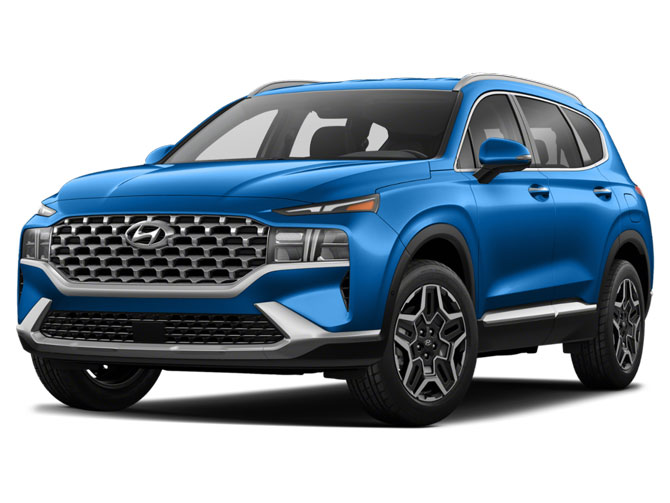
    The 2022 Hyundai Santa Fe features a spacious interior and lots of safety and tech features. The lineup also includes a new plug-in hybrid powertrain, while the base SE trim gains more standard safety features. In 2021, the Santa Fe received an all new hybrid model with standard all-wheel drive, 226 horsepower gasoline-hybrid engine, and up to 75 MPGe.

    Why should you buy the 2022 Hyundai Santa Fe


    What’s New in  2022 Hyundai Santa Fe?

    A plug-in hybrid powertrain is part of in the Santa Fe lineup for 2022. The 260 horsepower option can provide an impressive 31 miles pure electric charging per charge, however it is not widely available.

    If you are not somewhere in California, Colorado, Connecticut, Maine, Massachusetts, Maryland, New Jersey, New York, Oregon, Rhode Island, or Vermont it is possible keep waiting until to see the Santa Fe PHEV to make its national debut.

    If you’re waiting you can opt for the brand new XRT trim, which is an offshoot of an unhybrid Santa Fe. The XRT gives it the appearance of a rugged exterior by including sides ramps, skid plates and a distinctive wheel style.

    Features that you’ll find in 2022 Hyundai Santa Fe

    Features that you'll find in2022 Hyundai Santa Fe

    It is available in a brand new XRT trim, as well as a plug-in hybrid option for this year 2022, the Hyundai Santa Fe can be described as a highly capable vehicle. It’s wired to a harness, so you are able to easily take on wild excursions and also attach an RV at the rear.

    Additionally, you’ll find that the Trailer Sway Control feature quite beneficial when you are off-roading since it prevents the trailer from shifting.

    Inside the elegant cabin of the 2022 Hyundai Santa Fe SUV, customers will discover a variety of appealing features such as an 8-inch touchscreen and the Apple CarPlay(r) along with Android Auto(tm) and a charging pad, a Blind-Spot Monitor and an accessible Hyundai Digital Key.

    The vehicle is equipped to care for you and your family members while on the road with Hyundai Smart Sense that comprises Highway Driving Assist (HAD), Lane Following Assist (LFA), Surround View Monitor (SVM), Driver Attention Warning (DAW), Ultrasonic Rear Occupant Alert (Ultrasonic ROA) and Smart Cruise Control (SCC) with Stop & Go.

    It is also possible to use the Remote Smart Parking Assist feature within the vehicle, which will assist you in parking within and exit tight spaces.

    Top 10 Reasons to Buy a 2022 Hyundai Santa Fe

    Buy a 2022 Hyundai Santa Fe

    1. Four Available Powertrains

    Hyundai provides its customers with lots of options regarding the powertrain of the Santa Fe. There are two engines that are not hybrids. One is an 2.5-liter four-cylinder engine which can produce 191 horsepower as well as 181 pounds-feet of torque.

    The other one is an 2.5-liter turbocharged engine equipped with four cylinders, which is capable of delivering 281 horsepower as well as 311 pounds-feet of torque. Naturally, it’s stronger than the standard engine, but the standard engine is still able to handle its own weight very well.

    Two other choices are hybrids. It is a hybrid. Santa Fe hybrid uses an electric motor as well as an 1.6-liter four-cylinder engine, which is equipped with turbocharger.

    It is rated at 226. Its Santa Fe plug-in hybrid has the same gasoline-powered engine, but has a bigger battery pack than the normal hybrid. This gives it an additional increase in power, and the plug-in version comes with the capacity of 261 net horsepower.

    2. Solid Capability

    There is no longer a time when hybrids were something you looked down upon due to their efficiency.

    The industry has been working to make hybrids appealing not just because of their efficiency, but also due to their capabilities. Both the plug-in and hybrid version of the Santa Fe have standard all-wheel drive. If properly equipped they can tow up to 220 pounds.

    All-wheel drive is available for the hybrid version of Santa Fe. The SUVs can tow 2500 pounds.

    3. Driver-Assist Systems Are Plentiful

    There are many ways you can use the Santa Fe can help its drivers. It is with a variety of driver-assist technology. The safety suite standard includes intelligent cruise control, lane-keeping and lane following assistance and driver attention warning along with forward collision detection that includes automatic emergency brakes.

    This forward collision avoidance feature detects the presence of cars as well as cyclists, pedestrians and cyclists which is an added benefit that keeps everyone safe on the road.

    Higher trims may come with more robust safety options. They may have blind-spot monitors as well as surround view monitors. highway driving assistance, and rear cross-traffic collision avoidance and blind-spot assist programs.

    The methods by which Santa Fe Santa Fe can actively keep the road clear of accidents is amazing. It’s similar to being a back-up driver prepared to act whenever anything goes wrong.

    4. Can Park Itself

    The top versions that come with the Santa Fe have a cool feature known as remote Smart Parking Assistance. Through this program, the SUV will use different monitors that are placed around the interior while it is parked in a perpendicular or parallel space.

    If the area is constrained, the driver as well as passengers are able to exit the vehicle prior to it parking. The only thing the driver has to do to turn on the system is push an appropriate button on the fob of the key.

    5. An Ideal Amount of Cargo Room

    For many, its size Santa Fe makes it enticing. It doesn’t come with an additional row of seats, however it has a huge amount of cargo space. In two rows of seating the cargo area can hold the capacity in the range of 36.4 cubic feet.

    Additionally, when the seats fold down, you’ll find 72.1 cubic yards of room. This is more than most competitors provide and gives users plenty of space to make use of when transporting heavy objects.

    6. Adults Can Ride Comfortably in the Back

    The rear seat in the Santa Fe is spacious as well. Adults who are taller can be comfortable stretching their legs as there are 41.7 inches of legroom.

    This makes it a great option for people who often have teenagers or adults in the back of their vehicles.

    7. Hybrids Are So Efficient

    It’s fantastic that Hyundai offers customers two hybrids. The version that isn’t plug-in is a great choice for the efficiency of its fuel, and will earn an estimated 35 miles/gallon in the city, and 31 miles per gallon when in city areas. The combined fuel efficiency is 34 miles per gallon.

    The plug-in hybrid boasts the same combined fuel efficiency at 33 miles/gallon simply looking at it using a hybrid. When it runs on its electrical motor, it achieves an MPG of 75 miles for every gallon.

    Additionally, it is able to travel quite far with the power of electricity. Its range all-electric of 30 miles can suffice for short excursions through the town. A few drivers might be able to travel to work and return to their home in a matter of minutes without fuel.

    8. Advanced Technology

    Technology is an important factor when people decide what vehicles to purchase. The Hyundai Santa Fe is equipped with an attractive tech package.

    It comes with an 8-inch touchscreen, Android Auto, Apple CarPlay, Bluetooth, and HD Radio. The higher trims will have 10.25-inch touchscreens that feature navigation, wireless charging as well as 12 speakers Harman Kardon sound systems.

    9. Sophisticated Interior

    In the upper end of the line There are a lot of top-of-the-line features available. Its Santa Fe can be set up with quilted , premium Nappa leather seating that appear extravagant and feel so comfortable.

    The front seats can be heated and cooled and the driver’s seat can be equipped with four-way powerlumbar, an extension of the leg cushion, and memory programs. The steering wheel and the second row seats are heated, as well.

    10. A Full Range of Prices

    Hyundai produces a variety of variants that it’s able to offer a variety of trims for Santa Fe, and they make a variety of trims for the Santa Fe, so it is easy to find something that falls within your desirable price.

    There are two trims: SE as well as the SEL are priced at a reasonable price and could be appealing to those who don’t want anything expensive, but require vehicles that have the capability, ease of use and the latest technology.

    The more expensive trims are adorned with additional features that will be a hit with those with refined preferences. If people are able to afford the models, they will be content with the options they have to provide.

  • 3 Reasons the Hyundai Ioniq 5 Limited Makes a Great First EV

    3 Reasons the Hyundai Ioniq 5 Limited Makes a Great First EV

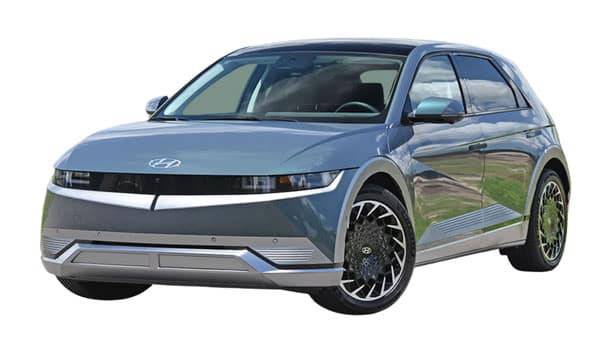
    Hyundai Ioniq 5 is an excellent electric car that deserves more respect. It’s not to be misunderstood with Ioniq, Hyundai’s first and most excellent electric vehicle. The number 5 signifies it’s part of a new family of Hyundai electric vehicles.

    3 Reasons the Hyundai Ioniq 5 Limited Makes a Great First EV

    Hyundai Ioniq 5

    It is an Ioniq 5 Limited and is as silent as an ordinary mouse. In 2022, the Hyundai Ioniq 5 Limited will be an excellent first electric car because it offers a thrilling experience. It’s a far cry from an internal combustion vehicle (in the best way possible). There’s hardly any ride sound when you drive in the Ioniq 5 Limited.

    It’s so peaceful that you can listen to your thoughts, and the silence obliterates the noise of the world surrounding you. The Ioniq 5 Limited is relaxing and exactly what you’re looking for from an electric vehicle.

    The electric SUV can make noise when moving, but it’s low-pitched and makes the car feel as futuristic as it appears. The absence of noise during the ride and its smooth ride makes driving feel like a glide. The ride quality is fantastic.

    The Ioniq 5 Limited is the ideal electric car for those tired of vehicles with a lot of noise in the cabin. It might be the shift that millions of Americans require to enjoy a better overall experience while driving.

    It’s 2022! Hyundai Ioniq5 Limited is lots of zipping

    Its 2022 Hyundai Ioniq5 Limited can accelerate fast enough to satisfy most drivers. Car and Driver praise its acceleration.

    The Hyundai Ioniq 5 Limited has 332 horsepower at its maximum. It can accelerate from 0 to 60 miles an hour in 4.4 seconds. The electric SUV is extremely fast.

    It has three operating modes of driving: Eco, Normal, and Sport Mode. Sport mode gets those horses to work; you can feel them galloping when you accelerate quickly.

    If you’re looking for your first electric car, you’ll need one that’s as thrilling to drive as a car with an internal combustion engine. This Ioniq 5 Limited isn’t just practical. It’s also enjoyable to go.

    Hyundai Ioniq 5 Limited model is cheaper than you thought.

    The Hyundai Ioniq 5 is the World Car of the Year. This Ioniq 5 Limited is the best World Car of the Year model. This Limited version’s final model is cheaper than most drivers realize.

    In 2022, the Hyundai Ioniq5 Limited price starts at $51,100. After the federal tax incentive for electric vehicles, the price starts at $43,600.

    Ioniq 5 Limited is an incredible value at $43,600 due to its cutting-edge technology and the numerous comforts it offers.

    It comes with leatherette seats, a massive 12.3-inch screen display, a variety of driver assistance features, and safety and security features. This Ioniq 5 Limited also comes with an all-wheel drive.

    The Ioniq 5 Limited’s rivals can beat the electric vehicle in terms of affordability and value. This Ioniq 5 Limited is reminiscent of a luxurious SUV and is an excellent value for the price.

    Reasons the Hyundai Ioniq 5 Limited Makes a Great First EV

    Why did Hyundai stop making the Ioniq?

    In a statement released today, Hyundai wrote that the models have been “discontinued due to a significantly electrified lineup” due to the variety of hybrid and plug-in hybrid electric vehicles.

    The most recent model, the Hyundai IONIQ 5 was announced. Hyundai IONIQ 5 has a remarkable capability and can be eligible for a full Federal tax deduction for qualified people.

    How fast can the Ioniq 5 charge?

    Those connectors with 350 kW under ideal conditions can guarantee an average road trip charge of 10% or 80% within only one hour. We’ve seen that, and it’s remarkably fast.

    Can you charge Ioniq 5 in the rain?

    Short Answer: It is Perfectly Safe to Charge an EV in the Rain. Courtesy Fermata Energy. Although water conducts electricity and creates short circuits, the reality is that nearly every electric vehicle sold in the US is designed to function in various operational conditions.

    Does the Ioniq 5 have a spare tire?

    You know that the Hyundai IONIQ 5 doesn’t have an extra tire. Hyundai and many other car manufacturers do not offer this vital lifesaver. Modern Spare wants to be the most reliable manufacturer and distributor of all-inclusive spare tire kits.

    Why is Ioniq so efficient?

    One of the main reasons for why one of the main reasons why IONIQ Electric is so energy efficient is its design. Its sleek, coupe-style design harnesses airflow to minimize emissions and air resistance.

    How many Ioniq 5 are produced?

    At the beginning of the season, Hyundai delivered 8,921 Ioniq 5 units in the US. The current sales rate suggests 25,000 to 30,000 units may be sold by 2022 (more if the production and delivery rates increase).

    What is the range of the Hyundai Ioniq Electric?

    The dual motor 2022 Hyundai Ioniq5 Limited traveled 270 miles in Edmund’s live-world test of the range of electric vehicles exceeding the EPA-estimated range of 265 miles.

    How long will the Ioniq 5 battery last?

    The standard 58.0-kWh battery pack, The Ioniq 5, is estimated to give around 220 miles of range. The bigger 77.4-kWh battery is claimed to last 266 miles when dual motors are used and 303 miles when using a single engine. The dual motor model covered 220 miles on a complete charge in our real-world 75-mph test of range.

    Is Ioniq 5 rear-wheel drive?

    It is equipped with 3 driving options: Normal, Eco, and Sport. The RWD Ioniq 5 isn’t a supercar by any means, but its acceleration from 0-100km/hr takes 7.4 seconds.


  • What is an Automatic Transmission, and How Does it Work?

    What is an Automatic Transmission, and How Does it Work?

    What is an Automatic TransmissionIf you’ve ever driven an automobile with an automatic transmission you are aware of two major differences between an automatic and a manually operated transmission:

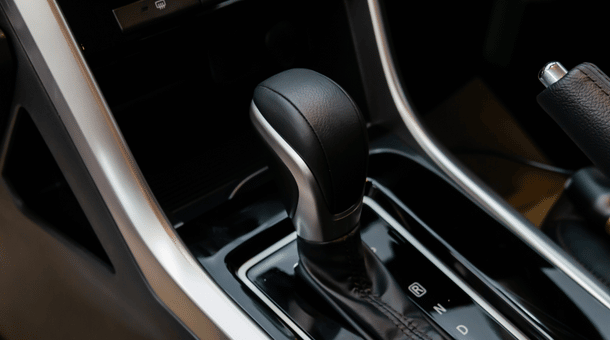
    1. It is impossible to use a clutch pedal inside the automatic transmission vehicle.
    2. There isn’t any gear shift on an automatic transmission vehicle. When you place the transmission in drive the rest of the operation is completely automatic.

    Automatic transmissions (plus their transmission’s torque converter), as well as the manual ones (with their clutch), do similar things, only they accomplish it in completely different ways. The method an automatic transmission uses to do it is absolutely incredible!

    We’ll be working to understand an automated transmission. The first step is the most important to the entire system which is the Planetary gearsets. Then, we’ll look at the mechanism of transmission constructed and learn about how it works, and then discuss the complexities involved in controlling a gearbox.

    Why Automobiles Need Transmissions

    Why Automobiles Need Transmissions

    It doesn’t take an expert in technology to comprehend the reason why cars require an engine. It is the force that drives to propel the vehicle.

    It is evident that it is essential to transmit the power through the motor to be able in order to propel the vehicle. The mechanism that accomplishes this is known as transmission. There’s more than just a mechanical connection between the drive wheels and the engine.

    Internal combustion engines produce energy and power with a limited operating range. This means that the vehicle is equipped with gears that allow the engine to function within its operating range while the vehicle increases speed, attains the same cruising speed, and then slows down. Without this, a car’s ability to speed is severely limited.

    In the case of an internal combustion engine vehicle that has a manual transmission drivers change gears. An easy mechanical setup allows the driver to utilize a shift lever to select the particular gear from the various gears that are appropriate to the driving conditions of the moment.

    Manually shifting between gears demands regular disconnecting of the engine and reconnecting to the driving mechanism – the propellor shaft and half-shafts which connect to the drive wheels during any drive. Mechanical clutches are the method of disconnecting and reconnecting.

    It’s operated with the foot by the pedal of the car’s clutch. Moving gears requires dexterity and physical effort. Although doing it right is fun but it requires effort.

    From Manual to Automatic Transmissions

    From Manual to Automatic Transmissions

    It didn’t take too long for automotive innovators to get started to automate the process of changing gears. This would make driving easier and provide the flexibility and comfort of personal transport for those who lack the ability or the strength to switch gears manually by following the standard procedure.

    It wasn’t until the 1930s, that General Motors engineers developed a practical method of automating gear shifts. It was a system that we call today” automatic transmission.

    Although it has evolved and been improved over time, most recently with the introduction of electronic controls, the original concept of engineering from the 1930s still remains the core of the automated transmissions that shift gears in our cars, trucks, and SUVs.

    Key Components of Automatic Transmissions

    Automatic transmissions do something that is easy to explain in terms of. It shifts gears with no guidance from the operator apart from selecting Drive Reverse, Neutral, and Park. However, to make that occur requires a number of components that have to work together under various situations repeatedly. These are the essential factors:

    Torque Converter

    An electronic torque converter represented a major discovery that led to the development of real-time automatic transmission.

    A torque converter basically performs the same function as mechanical clutches perform in manual transmission. It allows for the connection of the engine to the driveline in order for the ease of changing gears.

    Fluid dynamics may transfer torque to the engine when required by the vehicle to propel itself forward however it will absorb the torque when moving forward isn’t required.

    This option lets you take your car out of Drive when you keep your feet firmly on the brakes when you’re stopped at the stoplight. If you ease off the brake on the car, the torque converter allows the car to accelerate.

    Planetary Gears

    If your vehicle was equipped with a torque converter, as well as one forward gear, your speed forward will be greatly limited because of the engine operating limit and its torque production capability. This is why changing gears is essential.

    Automatic transmissions use a different kind of set of gears than manual vehicles. It utilizes a set of planetary gears in order to produce different ratios of gears, as the hydraulics of an automatic transmission control the gears.

    Brake Bands and Clutches

    Brake bands and clutches trigger the shifting of gears within the set of gears in the planetary gear set. Brake bands tighten in order to hold the gear in place or loosen up to allow the device to turn. It comes from the mixture of spinning and stationary gears that creates each specific gear ratio.

    The transmission’s clutches serve a similar purpose in helping determine what particular ratio of gear the planetary gearset has created at the time. The process of changing the gear ratio to the next requires the tensioning and loosening of clutches and bands. This is controlled by electronics, hydraulics, or a combination of both.

    How Automatic Transmissions Works

    If you are driving a car that has an automatic transmission, placing the car in Drive triggers the system. When you press your accelerator, the crankshaft of the engine is able to move more quickly, which, in turn, results in increased pressure in the converter.

    As the car speeds forward the transmission’s hydraulics and electronic sensors detect the acceleration in conjunction with its engine speed and alter its gears in response.

    In the traditional automatic transmission, the hydraulics inside the transmission is able to detect when speeds change. The hydraulics activate the other hydraulics to shift the gears of the gear set planetary.

    Nowadays, electronic devices augment this sensing procedure while the auto transmission operates together with the vehicle’s other systems.

    When you take your car for a drive be aware there are millions of mathematic calculations that are made into the gear the transmission selected at the time. Your car is performing lots of work each second to make driving more enjoyable for you.

  • 5 Types Of Automatic Cars That You Should Know About

    5 Types Of Automatic Cars That You Should Know About

    5 Types Of Automatic Cars That You Should Know AboutAutomatic Cars are now the preferred choice of drivers around the world and Indians also have joined the party. Comfort, convenience, and a simple driving experience have led to more people opting for autos over manual vehicles.
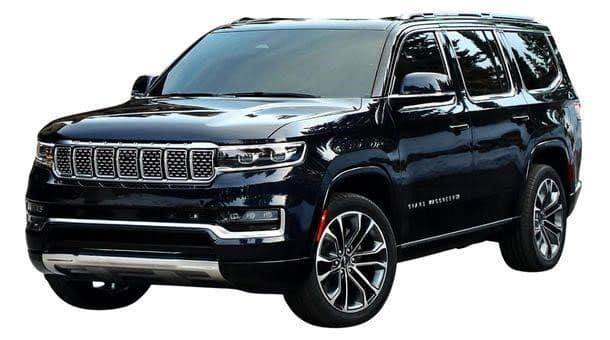
    Automatic gearboxes were initially an easy mechanism for changing gears that offered much less fuel efficiency than manuals of the past. The advancement in technology for automobiles and electronics has produced greater efficiency and accuracy in the automated gearboxes in modern vehicles.

    Are you planning to purchase an auto with automatic transmission in India? Are you confused by the variety of automated gearboxes available on the market? Before you buy this gearbox, here are five kinds of auto gearboxes with automatic motors that you need to know about – AMT, CVT DCT, Torque Converter, and IMT.

    Automated Manual Transmission (or AMT)

    Also called semi-automatic gear transfer AMT cars are among the most popular automatic vehicles that are used on Indian roads. In addition to having affordable, AMT vehicles are a simple upgrade to manual gear cars, with a few tweaks to the design. The automatic vehicle is perfect for those who wish to achieve the highest efficiency of fuel with a low cost of maintenance.

    The AMT gearbox is used in diesel, petrol CNG, as well as LPG vehicles. AMT is typically found in mid-level and entry-level cars such as those the Maruti Swift, Alto, Brezza, Renault Duster, and the Tata Nexon, just to mention some.

    Continuous Variable Transmission (or CVT)

    If you’re looking for an automatic car that has more quiet transmission, CVT cars are the best option. CVT is also utilized in a variety of automatic scooters (Activa, Dio) in India. Technically speaking, CVT vehicles don’t have clutches or gears and therefore, they are ideal for those who want an easier ride in their cars that are automatic.

    Similar to like AMT CVT comes in many popular vehicles in India those as the Maruti Baleno, Honda Jazz, Honda City, and Nissan Micra.

    Dual Clutch Transmission (DCT)

    Dual Clutch Transmission (DCT)

    Also known as a direct-shift gearbox (or DSG), Dual-clutch transmission is one of the most sophisticated automobile technologies currently. It is primarily, DCT that uses a twin-clutch system to ensure smooth shifts of gears. Based on the torque of the engine Automatic cars employ dry clutches (for DCT)) and wet ones (for DSG).

    In the most recent new generation of cars, DCT offers a faster and more precise shifting of gears and is extremely reliable and effective. Its biggest disadvantage is that DCT vehicles have lower efficiency of fuel as compared to manual.

    Additionally, if you experience an absence of power driving up hills or during critical overtakes while driving on highways it is possible to downshift with a blink of your eye! Certain cars that have this type of gearbox are equipped fitted with paddle-shifters which makes driving more comfortable. It is found in numerous popular vehicles such as Hyundai Venue, Kia Seltos, Volkswagen Polo, and Ford Figo.

    Torque Converters

    The Torque Converter technology is the breakthrough technology that led to the introduction of autos which is why it’s frequent to see such automated vehicles on Indian roads. The greatest benefit for torque converters is the near silence and “free from problems” gearbox. If you’re in search of an auto vehicle that is designed for long-term use, and that has smooth gear shifting it is possible to choose DCT cars, however, you will have to endure the low efficiency of its fuel consumption.

    Because of their early development torque converters are now available in various car models such as the Mahindra XUV, Tata Hexa, VW Polo, Skoda Rapid, and Hyundai Verna.

    Intelligent Manual Transmission (or IMT)

    IMT provides a completely manual transmission without a clutch and no clutch pedal and is among the latest advancements in automated automobiles. IMT makes use of sensors and actuators to detect the change in gear and automatically engage the clutch. IMT is the ideal choice for those seeking the full comfort of an auto.

    In short, if dislike having to step on the clutch pedal repeatedly in the middle of traffic, or are accustomed to driving with your foot resting on the clutch pedal, but you still love driving with the H-pattern gearshift, the IMT is the best option to take!

  • 5 Best Things About The 2022 Jeep Wagoneer and Grand Wagoneer

    5 Best Things About The 2022 Jeep Wagoneer and Grand Wagoneer

    Jeep is a brand known for its robust cars. However, the last few years have seen this segment that is part of Chrysler expand into numerous new categories. The entry-level, compact Jeep Renegade is a global success for Jeep and at the opposite side of the spectrum is the brand-new 2022 Jeep Wagoneer lineup.

    2022 Jeep Wagoneer and Grand Wagoneer

    Jeep Wagoneer History Lesson

    It was the Jeep Wagoneer name existed from 1963 to 1983 in what is now thought to be the most luxurious SUV ever produced (long before the first person to coin”SUV” or even invented the word “SUV”) Then, it was changed to”the” Grand Wagoneer from 1984 until 1991.

    In 1991, the Wagoneer name was applied to the XJ Cherokee from 1983 until 1990, and the Grand Wagoneer name was later used on a wood-grained version of the 1993 Grand Cherokee.

    Bringing the Jeep Wagoneer into the Modern Era

    Wanting to make a premium version that is a premium extension Jeep brand? The Jeep Wagoneer and the Jeep Grand Wagoneer is a premium sub-brand. In the same way, Land Rover has its Range Rover models.

    In 2022, the Jeep Wagoneer is priced to increase against SUVs like those the Chevrolet Tahoe, Ford Expedition and Nissan Armada, while the 2022 Jeep Grand Wagoneer is larger with additional features and a larger engine that can compete with conventional luxurious SUVs like The Cadillac Escalade, Infiniti QX80 and the Mercedes-Benz GLS.

    The Wagoneer comes with three trims, with prices ranging from $57,995 to $75,995. The Grand Wagoneer comes in four trim levels beginning at $86,995 before a final price of $103,995.

    Is the world of luxury waiting to buy an expensive six-figure Jeep? I drove both the Wagoneer and the Grand Wagoneer to find out what I found, and here are the five most interesting facts I discovered about the latest Jeep.


    Also Read:


    Classic-Inspired Style

    In keeping with the traditional Wagoneer name, the 2022 Jeep Wagoneer and Grand Wagoneer provide a contemporary design that is a modernization of the classic SUV style. The wide roofline and tall lines are enhanced by slim roof pillars and a lot of glass.

    The Wagoneer and the Grand Wagoneer each get distinctive front-end designs and subtle interior distinctions.

    These big SUVs are proudly sporting Jeep’s iconic seven-slot grille; you’ll need to take your time to spot any Jeep logos. They’re present, but it’s more like a Jeep Easter egg than the traditional logo.

    Smooth, Confident Ride

    Its Wagoneer is a large luxury SUV that rides on the same chassis as the Ram 1500 truck, but this massive Jeep isn’t as comfortable as a truck. Much of my time in the Wagoneer and the Grand Wagoneer was spent driving through New York City, from the hustle and bustle that is New York City to the more rural and steep terrain in South Salem, NY.

    In the city, it is the Wagoneer. It is capable of absorbing all the noise, creating a quiet interior. On the highway, both models I drove were equipped with adaptive air suspension that made for a luxurious ride.

    The luxury level is increased with this model, the Grand Wagoneer, but the engine is the major difference between these two SUVs. In 2022, the Jeep Wagoneer is only available with the 5.7-liter V8 engine with a mild hybrid drive assist, producing 392 horsepower and 400 lb-ft of torque.

    The Grand Wagoneer uses a 6.4-liter V8 engine that produces 471 hp and 455 pounds of torque. Every one of the Grand Wagoneer models comes standard with 4×4, and all Wagoneers are equipped with two-wheel drive, and the majority of them come with 4×4.

    Impressive Off-Road, Too

    Because most buyers aren’t planning to take their new Wagoneers off-roading, it’s a surprise that neither of them is equipped with Jeep’s highly sought-after Trail Rated badge. However, it performs well off-road, as I discovered on a rock and mud-covered section of the route.

    2022 Jeep Wagoneer

    When the air suspension is at its most powerful setting, the Wagoneer has the equivalent of 10 inches in ground clearance which was enough to make easy work of the road caused by man.

    There’s no doubt that these SUVs will serve as two vehicles, as the combination of the Wagoneer and Grand Wagoneer is extremely effective.

    In 2022, the Jeep Wagoneer has a 10,000-pound tow capacity, and its Grand Wagoneer is slightly lower at 9,850 pounds. However, the latter has no issues hauling a 7,000-pound horse trailer on a narrow, bumpy drive.

    Room to Relax

    If I say it, the 2022 Jeep Wagoneer is big; I’m serious about it. The sheer dimensions surprised me when I first encountered the SUV in person. The specs indicate that the Jeep is larger and more spacious than a Chevrolet Tahoe!

    These dimensions on the outside translate to a huge interior with 3 rows of seats, which can accommodate up to eight persons. The Interior of the Wagoneer was designed to provide maximum comfort and ease of use, including the central console.

    Instead of being just the console, a space to put away things around, the console can be set up with a cooler big enough to accommodate six water bottles or an enclosure that can be locked to ensure that sensitive items are in a safe and secure location.

    Screens, Lots of Screens!

    What’s going to blow people out of the water is the top-of-the-line technology that is available in the 2022 Jeep Wagoneer and Grand Wagoneer. These SUVs have up to seven digital displays that span up to 45 inches across the dashboard.

    These screens include the revolutionary 10.25-inch screen located on the passenger’s side of the dashboard that is available to stream videos or help the driver navigate. The screen is not accessible through the driver’s seat.

    In the Grand Wagoneer, the driver will have a 12.3-inch gauge cluster, a 12-inch information display, and a 10.25-inch comfort display, and passengers in the rear have access to two 10.25-inch screens at the rear for entertainment and a 10.1-inch screen for audio and HVAC controls.

    It’s been thirty years since the first Jeep Wagoneer ended production, and the return of this iconic nameplate is set to take its Jeep name to brand new standards.

    It was a blast to drive; it’s likely that in 2022, the Jeep Wagoneer will be on this list of most enjoyable road-trip vehicles!!

    Also Read:

    2023 Jeep Gladiator Review: Release Date and Design Specs

    2023 Jeep Grand Cherokee Review