Category: Car Maintenance Tips

  • Top 10 Tips for Taking Your Car to the Beach

    Top 10 Tips for Taking Your Car to the Beach

    Driving your car to the beach is quite an enjoyable experience for sure. However, doing so needs preparation and caution as the whole experience can go wrong by even one silly mistake. Many people like driving on beaches and commit common mistakes while doing so.
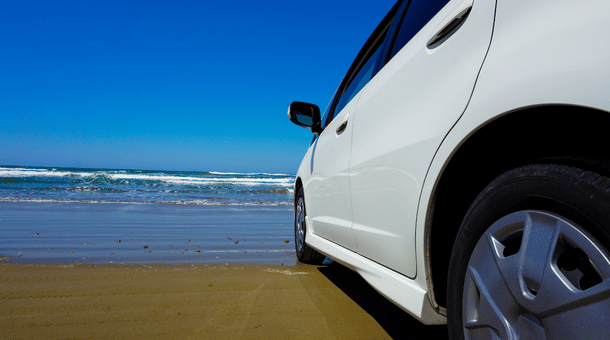
    Tips for Taking Your Car to the Beach

    This article is related to Top 10 tips for driving your car to the Beach and I also guide on how to park and wash your car when you’re on the beach.

    Top 10 Tips for Taking Your Car to the Beach

    1.      Do your homework

    Check out local council websites and popular 4WD magazines for information on which beaches permit the use of vehicles. If vehicles are permitted, you will usually be able to find marked access routes and appropriate signage.

    If in doubt, contact the local tourist information center. Use established access routes – they are a better option for your vehicle and reduce unnecessary damage to dune ecosystems.

    2. Lighten your load

    It might seem common sense, but removing any unwanted fittings or miscellaneous items from your vehicle can reduce its overall weight.

    The lighter the vehicle, the less likely it will get bogged. Pack smart, and if you do get bogged, unload all passengers before you attempt to drive out.

    3 Check your clearance

    Suppose you’ve never taken your vehicle on the beach before; whip out the measuring tape and check the level of clearance between the underside of the vehicle and the ground.

    Anything less than 180mm could mean the vehicle will bottom out when cresting, even a slight rise in the sand. Ultimately, this translates to a loss of momentum and an increased likelihood of getting bogged.

    4. Watch the water

    Tides are a governing force for all beachgoers, so ensure you’re not driving during an incoming high tide. Always pack a tide chart for the relevant area and check it before you head out.

    Aim to start your journey on an outgoing high tide – the sand will be firm, and you’ll have ample time to reach your destination before the next high tide returns. Stay clear of the water’s edge – one rogue wave is all it takes to lift or roll a vehicle.

    5. Lower your tire pressure

    Most 4WD vehicles will have a road-driving tire pressure between 32-38psi. Lowering your tire pressure will help spread the tire out, increasing the surface area in contact with the sand.

    “Start at 25psi. You shouldn’t go any lower than 18psi,”. “When you lower your tyre, it gives you a longer foot print – that’s what gives you better traction on slippery surfaces.”

    There are consequences of lowering tire pressure, including a lag in steering and braking response so make sure to account for these changes while driving. Always increase the tire pressure before you drive back onto the bitumen, or you’ll risk rolling the tire completely off the wheel.

    6. Maintain momentum

    If you’re coming up to an area of loose, soft sand, ensure you maintain or marginally increase your speed. The slower the vehicle travels, the longer it has to sink into the sand and dig itself into a rut. Momentum is the key to maximizing fuel usage and reducing the likelihood of getting bogged.

    7. Be prepared to be bogged

    Accept the inevitable – at some point, you’re going to get bogged. Shovels, snatch-straps and shackles, Max Trax high visibility treads or equivalent, a tire deflator, and a compressor are all essential recovery gear.

    If you get bogged, don’t spin the wheels, as this will only dig the tires in deeper. A set of four MaxTrax or equivalent will set you back around $500, but that’s money well spent.

    “MaxTrax reduce resistance and assist in recovery – it’s probably one of the safest options out there,”

    If you’re operating on a tight budget, use a shovel to dig a path in front of each tire and clear away sand from beneath the underbelly of the vehicle before you attempt to drive out. “Any part of the vehicle that’s touching the sand is causing resistance,”.

    8. Be aware of road rules

    The surface you’re driving on might have changed, but road rules still apply. Always ensure your passengers wear seatbelts, follow the speed limits, and avoid drink-driving. Police do enforce road rules, particularly in popular holiday destinations.

    “A lot of the beaches that we’re permitted to use have the same rules as the road,”.

    Driving on the beach is about having fun, but that doesn’t mean safety should fly out the window.

    9. Be considerate

    Most people who drive on the beach do so recreationally, so let’s keep the good vibes going and leave the drama by the roadside.

    A little bit of courtesy will go a long way – give way to others, avoid tail-gaiting, park away from the main driving strip of the beach and be willing to offer assistance to those in need.

    Most beaches that allow vehicles also generate foot traffic, so be wary of people, animals, and gear.

    10. Leave nothing behind but your tire tracks

    A plastic bag skimming across the sand or a hunk of dirty Styrofoam poking out among the leafy dunes are the last features we like to see dotting our natural vistas.

    Take two rubbish bags with you, one for recycling and one for general rubbish. Even organic matter like lunch scrap shouldn’t be left behind – feral dogs and foxes are attracted to leftovers and predate on native species.

    Driving on the beach is a fantastic way to enjoy Australia’s wild coastlines, and it’s a privilege that future generations should also be able to enjoy.

    FAQ About Driving your car to the beach:

    Does sand mess up your car?

    Too much sand or dust can clog the air filter and reduce airflow to the engine, leading to overheating and internal damage to your vehicle. Dust buildup, in particular, can also clog your cabin air filter and diminish engine oil quality, resulting in a need for more frequent vehicle maintenance.

    Should I turn the traction control off in the sand?

    It’s important to keep traction control 99% of the time when driving. However, there are some cases where the safety feature could do more harm than good. For example, keeping it off is better if you get stuck in the mud, sand, or even snow.

    How Driving your car to the beach?

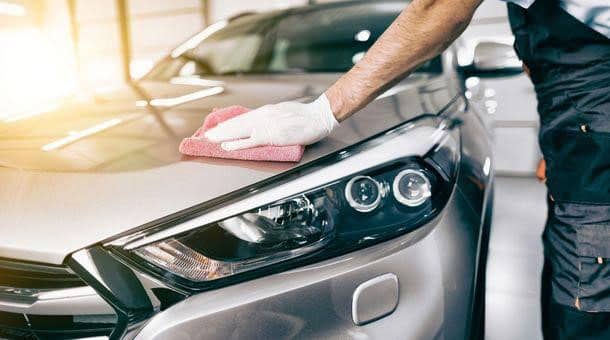
    wash your car: If you’re a frequent beach visitor or live close to the ocean, wax your car often. Waxing your car is an effective way to protect it from the salty air and sand. The wax creates a barrier that makes it more difficult for salt and sand to rust and scratch your car’s paint.

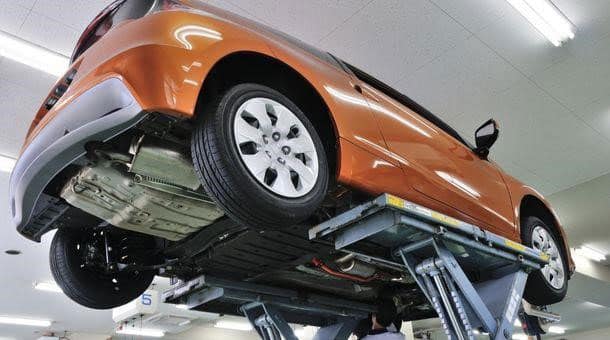
  • Car Maintenance Tips: That Will Extend car Life

    Car-Maintenance-Tips

    Cars are the one that gets you towards your goal. As you’ve probably guessed that a car is not an investment worth making since it is likely to lose value quickly. Fortunately, you can do things to stop it from occurring that quickly – keep the vehicle in good condition.

    They are right when they say that “Your car will serve you properly if you serve your car properly” that means that regular maintenance of your vehicle will provide long-term benefits for you.

    These are my 7 best Car Maintenance Tips covering everything from the simplest items to more complicated situations:

    Top 7 Best car Maintenance tips:

    Best car Maintenance tips

    1: Be patient throughout the break-in period

    You’ve purchased your dream car, and now you’re looking to ensure it will last for as long as you can in good condition. Here are some tips to keep in mind when you take it from the dealer’s garage:

    • During the time of break-in generally, the first 1,000 miles (1,600 km) ensure that you maintain your speed at a minimum of 55 mph (88 kph) or at the speed suggested by the car’s manufacturer.
    • Avoid loads that are too heavy onto the train’s drivetrain, like towing trailers, or filling the trunk or roof rack with construction materials that are heavy.
    • Don’t allow your brand new vehicle to sit idle for long periods of time. This is a great idea to prolong the life of your vehicle and especially during the break-in phase. The pressure of oil produced by this process might not be reaching the entire engine.
    • Make sure to use only moderate to light acceleration, and keep the engine’s speed below 3,000 rpm in the initial few days of driving.

    2: Keep Up On Routine Car Maintenance

    Routine Car Maintenance

    Although it might seem as if this should be a matter of being mentioned, routine Car Maintenance is so crucial that we must mention it here. Your car is composed of complicated systems that comprise many different parts working together.

    In time, these components will get worn out and degrade because of the amount of friction and heat generated through the process of driving.

    If any of these components cease to function, they may cause a chain reaction, which can lead to excessive heat, damage to the vehicle itself, and eventually its failure. When the issue is discovered you’ll face enormous costs, long repair times, and possibly having to buy a brand new vehicle.

    Bring your vehicle in for regular car maintenance can help to avoid this hassle. Lubrication as well as brake pad replacements and inspections all help to make sure your car runs smoothly and securely.

    Additionally, the technician will be able to determine which parts require repairs or replacement. Also, you’ll save money by avoiding costly repairs.

    Make sure you follow the recommended car maintenance schedule in your vehicle’s owner’s manual for the most reliable guide to car maintenance. Also, consult an experienced mechanic about any issues you’re planning to budget for.

    3: Drive with Care

    The road can be rough on your vehicle. You can avoid and reduce the wear and tear on your vehicle by being kind on your car while driving which is main in car maintenance tips:

    • Slowly accelerate and stay clear of potholes.
    • Avoid slamming on your brakes.
    • Eliminate idle.
    • Change to neutral when you see the red light.
    • Do not pull the steering wheel towards extreme lefts or rights.

    If you follow these guidelines by following these tips, you’ll be able to maintain your vehicle’s components in top shape for a longer period of time.

    4: Keep Your Tires Properly Inflated

    Keep Your Tires Properly Inflated

    A staggering 36% of vehicles have tires that are less than those recommended by pressure of psi (pounds for every square inch).

    Verify Your tire’s pressure regularly using a gauge for your tires to make sure that the pressure is in line with the specifications the manufacturer suggests.

     If you drive with tires which aren’t properly inflated, your car’s fuel efficiency could be affected by as much as 2 percent for every kilogram that tires are not properly inflated.

    5: Check and maintain your car’s Battery

    When it comes to tips for car maintenance of your vehicle this is one of the most crucial. The battery of your car is the power source for every electrical device, lights, and most important, it powers the engine that begins the engine whenever your key is turned.

    When your battery’s condition is bad condition, you’ll likely end up in a bind because the car won’t turn on.

    Prudence is more effective than indulgence, therefore it is recommended to test and replace your car battery every two to three years.

     Within this time frame it is important to regularly test the battery’s level of fluid when it’s an acid-based battery.

    It is also important to maintain the charge on your car battery in the event that you do not use your vehicle for an extended duration. A low battery charge can kill the battery quickly during colder temperatures.

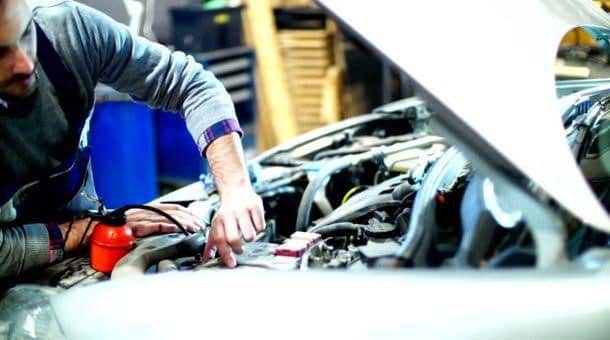
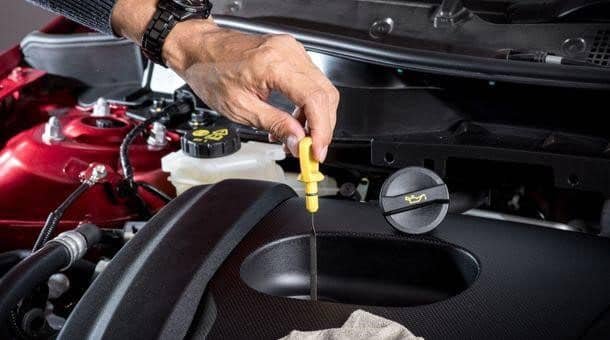
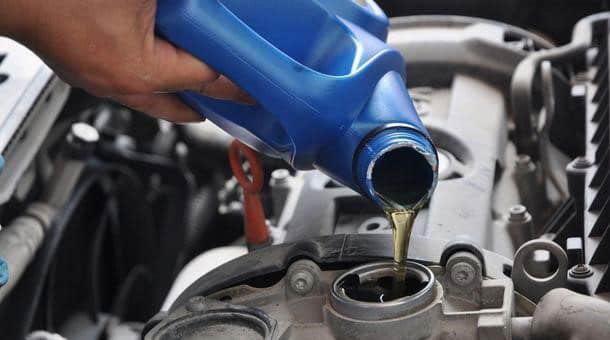
    6: Check and replace your Engine Oil regularly

    check Engine Oil regularly

    The engine of your car relies on oil to lubricate it and the longevity of the internal components of your engine and transmissions is dependent on oil.

    Each book of tips for car maintenance for your car comes with the need for a prompt oil change.

    A car that has no oil can eventually fail and need major repairs, which will come at a steep price. Sometimes, even the engine needs to be replaced.

    It is crucial to verify the condition of your engine’s oil. If you observe that the oil has changed to black, it’s the time to make the oil to be changed.

     Also make sure to change the oil following having driven the distances that are indicated by the oil maker on the reservoir for oil.

    If there’s the possibility of an oil leak Repair it immediately. Do not drive in a car with a low oil level.

    7: Check and Maintain Fluid Levels

    We’re talking about car maintenance tips another one that power steering fluid brake fluid, transmission fluid and the coolant inside your vehicle. All of these fluids are equally essential to your engine as engine oil.

    The power steering system in your vehicle will not operate properly if the hoses or pump are leaky or there isn’t sufficient fluid inside the reservoir.

    The transmission fluid is crucial to the transmission the same way engine oil is to the engine. If you have a low level of transmission fluid it can cause major issues with your transmission which can cost a lot to fix.

    Coolant’s role is of ensuring that the engine’s temperature is maintained. So, all the fluids must be at a full level and, if there’s any leaks, they should be fixed as quickly as is possible.

    Go through the repair manual or your service guide to locate the various reservoirs of fluid within your engine bay be careful that you should not open your coolant if the vehicle is hot.

  • How to Keep Your Car Cool When Car AC Is Not Working?

    How to Keep Your Car Cool When Car AC Is Not Working?

    How to Keep Your Car Cool When Car AC Is Not Working? If it’s hot outside, your car’s interior becomes hotter, particularly when you don’t have air cooling. Yikes! But there are ways to keep cool by using ice cubes, wearing lighter clothing, or increasing the airflow in your vehicle.

    You could even take different directions or lower temperatures during the day to fight the summer heat.

    12 Ways How to Keep Your Car Cool When Car AC Is Not Working?

    Keep Your Car Cool When Car AC Is Not Working

    1: Time your travels

    It’s an easy solution to a fairly simple issue. Since no sun equals less heat, using your air conditioner in the early morning or later into the evening is much more comfortable.

    If you have to go out at the end or late in the morning, you may want to consider Uber and Grab if you’re taking a drive early in the morning.

    2: Avoid areas with traffic congestion

    Driving in the early hours provides the comfort of cooler temps, but it will also allow you the freedom to travel on the roads without traffic with your windows shut.

    Keep Your Car Cool

    You’re able to take the same route on EDSA at rush hour. However, we all know that tight roads, tons of vehicles, and hot temperatures are three factors that don’t mix well.

    3: Dress to impress

    Are you in the middle of a cooling problem? Get rid of those long-sleeved jeans and flannel tops. Or, better yet, put them neatly in the gym bag so you can switch them out when you’re at the office.

    It’s not worth dressing as the magazine cover fashion model when you’re likely to be sweaty in the first place. Choose shorts and breathable tees, and then change your clothing.

    4:  Make use of an electrical fan

    They’re not the big models but smaller versions powered by your car’s USB ports, charging ports or even solar power.

    You can also bring small handheld units powered by normal AAA or AA batteries. These aren’t expensive, and you’ll frequently find vendors selling them.

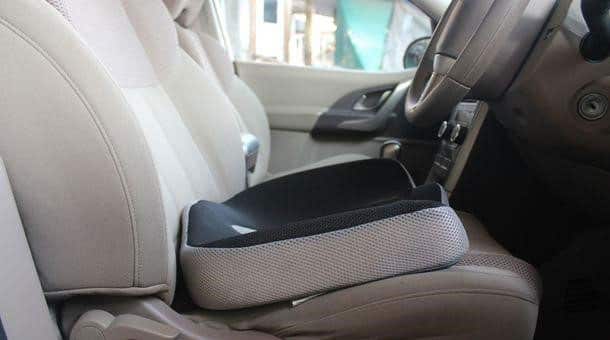
    5: Purchase a cooling cushion

    Purchase a cooling cushion

    These cushions don’t need to be equipped with fans or packed with gel cooling. Mesh cushions or even those Tito seats that have wooden beads are suitable.

    What you want is breathable and also something that can keep your sweaty back from rotting the seats.

    6: Park in the Shade

    There aren’t many experiences that are as painful as stepping into a car and sweating in the sun all day. Make your car’s interior less uncomfortable by parking it in the shade.

    When your air conditioner isn’t running, and you’re in a shaded area, finding a location is vital, even if you must walk farther.

    It’s an excellent idea to purchase an auto sunshade that blocks the sun’s harmful rays. You might also want to buy a parking spot in a garage during summertime.

    7: Crack a Window

    Another method to keep the car that is not in your car cool until the return trip: Keep your windows closed, but just a bit, to let air flow.

    The little airflow can stop the heat from accumulating quickly, meaning you’ll be less sweaty as you travel again. You don’t need to roll them down very far but just enough to let air circulate and keep thieves from getting in.

    Read More about Why Is My Car AC Blowing Hot Air?

    8: Buy a Cooling Seat Cover

    It doesn’t matter how much air can make its way through the windows if your back is sweltering against a hot car seat. Make sure you have a cool head and back by covering your seat with one like the SNAIL cool car cushion that massages.

    The cover is plugged into your vehicle’s 12-volt system with an intake fan on the bottom that circulates air through 24 outlets on the cushion to keep your body cool even when your car’s AC is running low.

    9: Bring a Cold Drink

    A cool beverage in your cup holder is an excellent way to reduce the heat and help you stay cool and comfortable during an extended drive. Choose the premium thermos to keep your drink cool for hours.

    Fill the thermos with water, iced tea or lemonade, add some ice cubes, and you’ll be ready to go. Are you planning a road trip? Put a cooler filled with water bottles and ice in the trunk, so you’ll always have a chilled drink in your bag.

    10: Grab a Cooling Towel

    There is a reason amusement parks can sell tiny cooling towels at an exorbitant price. The good thing is that you can get these for less in your local home shop.

    After you’ve purchased your own, ensure that it’s ready for those hot summer days regardless of whether you’re driving. To reap the benefits of a cool towel, use cool water, pour it over it, squeeze it dry and wrap it around your neck.

     11: Try a DIY Fix

    A variety of things can go wrong with your car’s AC system. However, some of them are easy to fix. If, for instance, your system is not running enough refrigerant, You can purchase a refill kit from the local auto parts store.

    Make sure you buy the correct kind of refrigerant suitable for your vehicle, and also note that you’ll require a recharge line if the kit you purchase doesn’t come with one.

    The hose’s one end connects to the container of refrigerant; the other end is connected to an under-hood connector. If you’re afraid of auto repairs, contact the personnel at the auto parts shop for assistance.

    Another cause of an AC failure is the stretched or torn belt on the compressor. The belts are fairly simple to repair if you follow the online instructions or YouTube tutorial.

    Do some study and see if you can identify the issue. If the compressor pulley is still spinning freely, the solution might be more affordable and simple than you think.

    12: Dashboard sun shade

    The best way to protect yourself from heat is to be a good attacker! Cover your dashboard with a piece of cloth to ensure that your vehicle’s interior is cool and limit the quantity of heat released. A sunshade can reduce the sun’s rays that get into the car.

  • 5 Ways to Keep Your Vehicles Operational

    5 Ways to Keep Your Vehicles Operational

    5 Ways to Keep Your Vehicles Operational

    Heavy equipment Moving vehicles. Hazardous chemicals These are just a handful of the items that could be dangerous for employees, and Keep Your Vehicles Operational drivers are exposed to daily at work. In light of these dangers, fleets need to adhere to security guidelines to ensure an environment safe for employees.

    5 Ways to Keep Your Vehicles Operational:


    1: Enforce Healthy, Safe Behaviors

    To ensure long-term safety at work, fleet operations have to ensure that they are implementing healthy and safe behavior.

    A focus on safety only yearly or once as part of company initiatives won’t create an effect that lasts. Instead, fleet managers must ensure that their employee’s safety and health remain at the top of their list.

    To do this, the operations must keep records of employees’ safe and risky behavior.

    All accidents and incidents on the job need to be recorded. The records will assist in determining whether there is a risky pattern in a particular employee’s work.

    Any driver citations or notifications regarding unsafe driving behavior must be recorded and maintained in their files.

    Alongside unsafe logging behaviors, it is also essential to track safe actions. Recognizing employees who are willing to go the extra mile to stay secure and out of danger will help to encourage continued security for all employees.

    2: Investigate Incidents

    Fleet operations must investigate any incidents affecting their vehicles, shop, and employees.

    Every incident within the shop must be followed by a thorough investigation to determine the cause, how it took place, the reason for it, and the severity of any injuries resulting from it.

    For drivers, any accidents and road accidents should be documented and examined. This is essential for insurance claims and allows the company to know what occurred. Unsafe driving habits could put the operation’s driver and other drivers and pedestrians in danger.

    3: Properly Train All Employees

    Operations must ensure that all staff members are adequately educated on the equipment, vehicles, and techniques needed for their jobs.

    Companies could think about adopting the following steps to ensure employees are ready for their jobs:

    • Develop a training program for employees upon joining the organization or switching jobs. Employees must prove their competence before being allowed to take on the job.
    • Discuss skills with employees regularly to ensure all safety measures are in place.
    • Plan ride-along with drivers regularly to observe their driving habits.
    • Check that employees’ certifications and permits are up-to-date.

    4: Assess Current Work Environment

    Properly Train All Employees

    Operations must evaluate the current level of safety in their work environment. Fleet leaders must walk around their shops and other work areas to determine potentially dangerous locations and equipment. A few leaders might want a Safety or OSHA expert along to assist in identifying riskier areas.

    Following the initial walk-through, it is recommended to conduct periodic equipment checks to ensure that everything is functioning as it should.

    This can help avoid accidents that defective assets could cause. The organizations should also regularly take an inventory of First Aid and other medical items to ensure they’re adequately stocked.

    For drivers, vehicles must be checked regularly in regular maintenance schedules to ensure that the steering, brakes, heating and cooling, and other essential components are in good order.

    In the interior of vehicles, motorists must regularly examine the mirrors, windows, and other safety features. Drivers should notify any problems in the car that may be a sign of a possible problem.

    5: Make Safety a Priority

    To ensure safety is top of mind for both shop and driver personnel, Fleet operations should be a top priority. Staff members must understand that their safety and well-being are vital to the business.

    Safety policies and information should be readily available to every employee. Within the store, Safety Data Sheets for every chemical must be displayed, and First Aid Kits must be available. If necessary, operations may conduct drills or call in experts to train the employees for any potential hazards.

    Fleet operators must be aware of the risks. Although drivers must observe all traffic rules, they can also enforce laws that aren’t legally binding.

    This could include reckless driving, rapid braking, sudden stops, and fast acceleration. The operation could use technology to monitor drivers’ behavior to ensure that drivers adhere to security rules.

    FAQ About Ways to Keep Your Vehicles Operational


    How do you Keep Your Vehicles Operational ?

    Take items off under your vehicle’s seats, particularly things that could be rolled like water bottles: clean tools, folders, beverage containers, or other items from the dashboard. Remove snow or mud from footwear before operating the vehicle. Make sure spills are cleaned up and dispose of garbage promptly.

    What is the definition of fleet efficiency?

    Efficiency in the fleet It is how you optimize your fleet’s efficiency in all aspects, whether it’s trailers, vehicles, containers, drivers, or even office personnel. Everyone in the business is discussing ways to improve the efficiency of your fleet and, in turn, increase its profits.

    What is the best way to measure the efficiency of a vehicle?

    The formula is easy. You are dividing the total km by the number of liters of fuel consumed. If you’ve traveled 100 km on your run and when you refill, the vehicle has used five fuel tanks, the performance is 20kmpl.

    Conclusion

    The main takeaway is that Prevention is always more effective than finding a solution in terms of Vehicles maintenance of your vehicle. If you follow these five strategies, you’ll surely get the benefit you’re seeking from your fleet of cars while also cutting your expenses.

  • Top 5 Tips to create Better drivers within your fleet

    Top 5 Tips to create Better drivers within your fleet

    Tips to create Better drivers within your fleet

    The most important Tips to create better drivers within your fleet. They’re out on the roads and must manage each aspect of their work. Accidents are also a normal element of the fleet’s activities.

    They are usually preventable since the driver’s reckless behavior causes them. For example, reckless driving increases the likelihood of accidents by 35%.

    As a fleet supervisor, you can take various measures to stop these behaviors. This will ensure a safe fleet with a lower risk for your business and help reduce overall expenses.

    Top 5 Tips to create better drivers within your fleet


    1. Instruct your drivers to create plans for rest stops

    Driver Rest Area

    Around 328,000 collisions occur every year due to sleepy driving, leading to more than 6000 deaths. Make sure your driver plan breaks on their routes and plan out the rest stops before time.

    Apps like “USA Rest Stop Locator” or Google Maps’ “Rest Stops Near Me” can assist you in achieving exactly that.

    These rest stop applications assist your driver in building an inventory of safe locations they can pull over to allow them to rest, enhancing their reaction speed and decreasing HOS-related violations.

    In Samsara’s ELD solution, it is possible to access HOS Violations Scheduled Report also offers real-time insight into how drivers struggle to remain HOS in compliance.

    In this regard, it’s crucial to help your drivers use their judgment and take a break when necessary. “It’s important to work safely,” Harrison explained. “Everyone on the road wants to return home to their family members at the end of the day.

    It is important to think of your job as a race, not as a race. Let the public in your car know you are professional when you drive in a relaxed or passive manner daily.”

    2. Use cameras to instruct drivers on safety

    Dash cameras offer fleet managers the information they require to recognize, diagnose and guide drivers. “Cameras allow fleet managers to identify driving behavior trends and enable them to pinpoint quickly and respond to high-risk drivers with appropriate interventions and coaching,” the fleet manager of RK Camp Transport, an Ohio flatbed trucking firm, was quoted as saying.

    Using the videos from extreme events to instruct your drivers makes your fleet more secure and saves your company cost in the future.

    The well-established and reputable food and beverages transportation firm Mitchell Companies recently introduced dual-facing cameras and noticed an enormous impact on their safety and pocketbook.

    “Since we began using the cameras, we have been able to monitor our fleet much more closely from a safety standpoint,” said Mike Thrailkill.

    “The ability to spot possible mistakes when driving, and the learning moment that could be triggered by the videos significantly improved the security of our fleet of delivery operations. Since we have installed cameras, our auto-claims have decreased by 34 percent.”

    In addition to capturing events of extreme severity such as traffic accidents and abrupt stops in the middle of the road, Samsara’s AI dash cams can also send fleet managers real-time alerts about unsafe driving habits that might be difficult to trace, like driving beyond the speed limit or going across stop-signs. This allows for swift training sessions based on the data instead of just guessing.

    3. Train drivers on how to be prepared for weather conditions

    Train drivers on how to be prepared for weather conditions

    The typical commercial truck driver covers between 2,000 and 3,000 miles every week. Weather patterns could alter as fast as every 5 miles; it’s not difficult to imagine the variety of weather conditions a commercial driver could encounter during an extended distance.

    In the presence of multiple automobiles throughout the nation, tracking the weather conditions for all trucks operating on the road is challenging for the fleet manager.

    With Samsara’s live-map weather overlay, managers of fleets will have access to the weather radar of their vehicle’s location. This lets fleet manager’s direct drivers to avoid hazardous weather conditions and aid drivers in establishing an action plan in case they are trapped in adverse weather.

    Harrison advises his drivers always to carry an emergency bag. The kit should contain at the very least one gallon of drinking liquid, two days of non-perishable foods, money, first-aid kits like band aids, disinfectant spray, and gauze, as well as an additional pair of warm clothes, a cellphone charger, flashlight, knife, or multi-purpose tools such as jumping cables, emergency flares, and chains.

    4. Instruct drivers to pay close attention to their vehicle maintenance

    The majority of truck accidents are the result of brakes that are not working correctly. These roughly 250,00 accidents per year could have been avoided with scheduled vehicle maintenance.

    By scheduling routine maintenance such as oil adjustments and tire rotations using tools such as Samsara’s built-in maintenance log, fleet administrators make sure their vehicles are safe, improve their maintenance process, and cut down on long wait times at the repair shop.

    Another good method for all fleets, which includes non-ELD fleets, is to require the driver to complete an official driver’s Vehicle Inspection Report (DVIR). While paper DVIRs are an efficient method to record an inspection, the follow-up process and accountability could be challenging.

    They are also frequently lost or not seen. Samsara makes the transition to digital DVIRs simple by permitting drivers to send the DVIR electronically and upload pictures of any maintenance issues.

    Fleet managers are given the ability to assess the condition of their vehicles and make road-ready decisions immediately at any time, from anywhere. Find out more about how Samsara can help move to paper-free DVIRs, improve your vehicles’ uptime, and cut expenses.

    5. Discourage driving distracted

    Harrison assists his drivers to stay secure and on the road using the triangle model that includes speed space, space, and stuff. Harrison thinks in the long run, as long as all three elements are balanced and drivers are in a position to increase their security.

    “‘Speed’ represents controlling your vehicle speed to match your environment (such as road, weather, and traffic conditions as well as speed limits), ‘space’ refers to keeping appropriate space and braking distances between vehicles, and ‘stuff’ indicates any distractions that might come up,” Harrison stated.

    Last year, 9 percent of truckers involved in a car accident resulting in a victim’s death were on their cell phones.

    Nowadays, mobile phones or tablets inside the truck are required for drivers, but it allows drivers to engage in distraction-driven driving habits such as sending texts or surfing the web. Although ‘no cellphone’ guidelines are an excellent place to begin, they can be difficult to implement.

    Texting, and other distraction actions, are identified through Samsara’s AI dash camera and alert fleet managers that drivers are distracted when driving.

    For those who want to make the most of the efficiency of instant feedback and to bring coaching to the cab, the Samsara AI dash cam can also provide instant voice-based feedback and alarms in the event of dangerous driving.

    Harrison reminds motorists that when it comes to driving distracted, most of all, it’s crucial to remain focused. “Instead of thinking about the thousands of miles ahead, think of the next mile. Don’t be rushed or complacent!

  • 5 Things You Didn’t Know About Automotive Testing

    5 Things You Didn’t Know About Automotive Testing

    5 Things You Didn't Know About Automotive Testing

    The Automotive testing is among the innovations that have become essential to our lives. How do we make sure that we are aware of this car which has transformed the way we live?

    We’ve put together a list of specific details of my knowledge of cars that will help the impression that you are calm and grab your attention when discussing any topic in the automotive industry.

    What is Automotive Testing?

    Automotive Testing is a testing technique that utilizes special automated testing software designed to run an examination suite. However, Manual Testing is performed by a person seated in front of the computer while attentively carrying out the test procedure.

    The automated testing software incorporates test results to create a System Under Test. Systems Under Test, compare the expected and actual results and generate a detailed report of the Test. Software Test Automation demands a substantial investment of time and funds.

    Why we need Automotive Testing?

    Automotive Testing is the most effective method of increasing the effectiveness of coverage of Testing as well as test coverage and speed of execution in testing software. Automating the Testing of software is vital because of these reasons.

    • Manual Testing of every workflow, including every field, and any negative scenario could be expensive and long-lasting.
    • It’s not easy to tell the multilingual nature of a site through a manual.
    • Software testing automation isn’t dependent on human intervention. Testing automation can be executed without supervision (overnight)
    • Test Automation improves the speed of tests that are run.
    • Automation helps increase Test Coverage.
    • Manual Testing can be boring and, as a result, prone to errors.

    Automotive Testing

    Things You Know About Automotive Testing

    What are the different ways crash rating functions in real life? What are their methods of operation?

    If they can claim this, ads for cars claim things like having a “five-star” safety rating. For most people who drive, ensuring that your family’s security is secure in the case of an accident is an important aspect to consider when buying a vehicle.

    Alongside being a potent marketing tool, what does this piece of security information?

    To answer the question, you’ll need to be aware that two companies conduct crash tests to assess the safety of a vehicle. One of them is the Federal government.

    Specifically, it’s called the National Highway Traffic Safety Administration (NHTSA). This NHTSA is the body that can require specific safety measures that we think of as standards, such as seat belts and padding for dashboards.

    Another significant testing organization for safety is known as “the Insurance Institute for Highway Safety (IIHS), an organization that major insurance companies back for automobiles.

    The two testing organizations have two different criteria for the rating (as well as using slightly different crash testing techniques).

    The NHTSA uses the star system is used in advertisements for automobiles. Frontal crash ratings, as an example, ranges from the lowest rating, which is one star (46 percent or greater chance of serious injury resulting from an accident) and up to the highest of five-star ratings (cases of serious injuries following the event of a crash are 10 percent lesser or more).

    The IIHS rates vehicles as Poor Acceptable, Marginal Good, Poor, or Marginal. These ratings are determined following an array of crash tests, including frontal collisions, which can be the speed of 40 miles per hour (64.4 km/hour), side collisions, and rollover tests.

    Testers for cars cover a broad spectrum of topics, from a ride and handling the interior noise to how the air conditioning and heating function.

    Manufacturers of automobiles tend to try their best to minimize noise. However, it might be surprising to learn that they’ve developed certain kinds of cars that are designed to generate some sound.

    1: Tests to Cease Electric Cars’ Silent Running

    Tests to Cease Electric Cars' Silent Running

    Are your aware electric cars aren’t heard when slowing down? Also, you depend on the sound of a car or truck to judge the distance it is from you or where the vehicle is moving from.

    Electric vehicles are indeed quiet. Many people are concerned about the potential for an epidemic of slaughter on street corners as these vehicles increase in the market.

    Fear of a rise in pedestrian accidents and deaths due to the silence generated by electric Automotive Testing makes them difficult to identify as potential hazards.

    This is why Testing is currently underway to test synthetic sounds that can add to the electric cars to boost their volume. Naturally, a feature that sets electric cars apart is that they don’t include the sounds from internal combustion engines.

    Whatever sophisticated internal combustion engines can be, they are nothing more than a series of controlled explosions. Electricity, however, is unique and comes with its distinct sound.

    Researchers at Warwick University in England are conducting tests on an electric vehicle made to create realistic sounds like electric motors.

    One Test involves driving the car all around the Warwick campus and obtaining opinions from those in the area. If you write, you can also take surveys online (complete by 3D animated sound and animation for your van).

    Is car testing only for the most elite drivers who have the skills to navigate tight and twisty roads at a breakneck pace? Do you require an engineer with an electronic clipboard that can review every aspect of the vehicle you’re conducting tests on? It could be a surprise.

    2: Regular Folks Are Testers, Too

    If car makers are working on an entirely new vehicle that could significantly impact drivers’ behavior, they’ll recruit large test groups from the general public.

    The variety of the testing group makes it more inclined to subject the Automotive Testing to all types of pressures and stresses it’ll be exposed to when it is offered to the public.

    While they cost lots of money, the tests aid automakers in assessing the feasibility of particular vehicles and the areas that require improvement before selling large numbers of them.

    General Motors’ EV1 famous abandoned Test of electric vehicles was one of the most popular. The show aired in the documentary “Who Killed the Electric Car?” From 1997 onwards, GM was required to find out if the cars’ capabilities could meet the needs of everyday drivers.

    Could it be accelerated at speed sufficient to permit driving on roads? Did it reach the speed necessary to result in drivers being stranded?

    Do drivers want to alter their behavior to fit the requirements of their cars? All it was a matter of one issue: did the vehicle have enough demand for the product to justify its creation?

    Many people in the community who won the opportunity to test the EV1 electric vehicle (some for years) were stunned when they discovered that GM had decided to end the program and demolish the cars.

    In a more positive light, Nissan benefited from citizen test subjects’ comments during the 2009 and 2010 tests of the LEAF, which is all electric.

    Nissan may provide estimates of the distance the LEAF could cover with a single charge. Only through Testing in real-world conditions with various individuals under different conditions can Nissan give precise figures of what the consumer can expect.

    There’s a reason that most of us cannot keep our eyes off of a car crash, whether it occurred in the last few minutes and then has turned into an unintentional roadside scene or we’re watching it as it’s taking place.

    We are resentful of the accident. However, there’s a way that you can relax and watch car accidents without guilt.

    3: Watch Your Car Get Smashed to Bits


    Crash testing is just one element of newer vehicles that are available. It is nevertheless one of the most thrilling and exciting.

    What’s more thrilling or relaxing than watching that you’ve put through the crash test? There are videos of crash tests and the results of the cars you love most at the Insurance Institute for Highway Safety.

    There aren’t all cars with videos. There’s nevertheless a decent collection of well-known consumer cars. The tests reveal that it crashes at an average speed or a slow pace in slow motion and also slow-motion images of the dummy driver.

    Many may be able to find the images of passengers quite frightening. It is easy to imagine the trauma and emotional turmoil caused by these accidents could cause an individual, regardless of whether you’ve been through the same suffering personally.

    The loss of these vehicles and Dummies offers us a lot of information that can help improve the safety of our cars and help us make better purchasing decisions in relation to the safety of the vehicle.

    4: Crash Test Cadavers

    In commercials, we’re amazed by the ability to use so-so cameras. It can show the moment when thousands of tons of glass and steel meet at high speed.

    The seated people appear to be dummies who don’t have animatronics and are tossed around like rag dolls using their backs and shoulders. We can see the crumple zones work according to the guidelines. Take a breath of relief and possibly quietly thank the Dummies for their help.

    Many people don’t realize that human bodies, also called cadavers, have played an important role in the Testing of crash safety. They are still playing a major part.

    However, they’re no longer employed in the same way as in previous years. Even those who died are not protected from the decline in career prospects caused by the use of more efficient computers and the general advancement of technology.

    Crash cadavers today are very useful because they can assist researchers in understanding the effects of collisions in internal organs.

    What are the reasons for Testing in the automotive industry?

    Standards for Testing and Quality Measurement methods improve the quality of vehicles and help reduce vibration and noise while also increasing fuel efficiency and overall performance of cars to deliver the best quality product to its customers.

    What are the different types of Automotive Testing?

    Unit tests. Unit tests are very low-level and near the core of an application.

    • Integration tests.
    • Functional tests.
    • End-to-end tests.
    • Acceptance tests.
    • Tests of the performance.
    • Smoke testing.

    What’s the cause of this bug in Automotive Testing?

    A Bug is an error, defect, or failure of the software or system in development that leads to unpredictable outcomes. Every bug must be identified and corrected to ensure that the software remains of the highest quality. The software or system being developed.

  • Easy and Useful Car Hacks Every Driver Should Know

    Easy and Useful Car Hacks Every Driver Should Know

    If you are the owner of your vehicle, you realize that cars are complex and can cause many issues with time because of the inventiveness of auto owners who always come up with amazing car hacks that solve the problems with their cars.

    Useful Car Hacks

    These few Useful Car Hacks could simplify your life on the road. We’ve got a fantastic compilation of more than handy and practical tips for cars that every driver should be aware of.

    These car tips and tricks will aid you in fixing small issues with your vehicle, keeping it in good condition, and simplify driving.

    We hope they can enhance your car owners’ experience and make driving more enjoyable. Let’s take a look at these Easy and Useful Car Hacks Every Driver Should Know!

    Top 9 Easy and Useful Car Hacks


    1: FIND OUT IF YOU NEED NEW TIRES THE EASY WAY

     A great tip that every car driver should be aware of is how to determine if you require new tires. It’s going to cost you a cent!

    When you’re next wondering if it’s time to replace your tires, you can take one penny and place it into the tread groove. Check if Abe Lincoln’s head has been turned upside down and pointed towards you.

    If you know the entirety of the way around Honest Abe’s head, it means your tread depth is lower than 1/16 inches (1.6mm) which means that it’s time to go to the shop and buy a brand replacement set of wheels before you run into troubles.

    2: Secure the Doors with Pool Noodles

    In a small garage parking space, attempting to park your vehicle without damaging it could appear like an exercise in futility.

    If you get it to the right spot without hitting your fender, you’ll have to be concerned about scratching your doors as you leave the car.

    You can park your car without concern when you cut the pool noodles in half and then screw it onto the wall.

    The soft bumper will shield your doors from scratches, allowing you to squeeze the car into the garage in the first place.

    3: Clean Headlights with Toothpaste

    Clean Headlights with Toothpaste

    To be able to see more clearly, clean your cloudy headlights using toothpaste. The mild acids within the toothpaste (which is the way it removes the plaque off of your teeth) which clean your headlights and also help fill small cracks. It would be nice if the toothpaste could fill the cavities!

    4: Make sure you buckle your seat belt

    Every car driver is required to wear seat belts at all times when driving. If you’re a novice or an experienced driver, do not forget the practice of wearing a seat belt when driving a vehicle.

    A study has revealed that more than 75% of drivers in India don’t wear seat belts when driving, which results in the death of 15 people every day.

    Not only is it a requirement and mandatory, but wearing a seatbelt is a great way to lower the chance of sustaining serious injuries in a collision or accident.

    5: Avoid Distractions

    A majority of countries, including Pakistan, have been able to ban the use of cell phones while driving. This is due to the sheer number of deaths caused by this seemingly harmless act.

    If you believe that talking or talking while driving doesn’t seem like such a big issue, think about this: One study measured the reaction time of a driver who is 20 years old talking on a cellphone to the reaction time of a 70-year-old driver.

    Additionally, using a mobile phone while at the wheel can slow reactions by up to 20 percent.

    It’s not just phones that can cause distractions, however.

    Eating and applying makeup, playing with electronic devices or interfacing with others can divert the attention of drivers in ways that could be deadly. The best advice for distracted driving can be “Keep your eyes on the road, your hands upon the wheel.”

    6: Adjust the mirrors

    Adjust the mirrors

    Driving while not looking over your back is something that we would never recommend to you. Therefore, make adjustments to the IRVM and OVRMs under your preferences while remembering that mirrors are there to show you what’s happening behind them.

    A few tips for adjusting the ORVMs and OVRMs is to change them, so they’re aligned with your tail facing the opposite side of that mirror.

    7: Download a Parking App to Find Your Car

    Where did you put your car? Oh no, here again! For those who forget to park, there are apps to assist you in locating your car in a flash so that you don’t spend time walking around the parking garage with your key fob in your hand.

    There are a variety of applications to pick from, and all of them will track the exact location where you’ve placed your vehicle and guide you back there with no problem. Similar to breadcrumbs, but much better.

    8: Keep Car Cups Clean with Cupcake Liners

    Keep Car Cups Clean with Cupcake Liners

    Dust and crumbs and any other kind of sticky material are likely to accumulate in a car’s cup holder and are the most difficult to scrub clean area of any vehicle.

    However, a solution will ensure your cup is spotless and free of hassle. Place a cupcake liner in your cup’s base. If it gets dirty, you can replace it with a new one.

    9: Warm Up Your Windshield Wipers

    Do not waste your time (and be late to start work) trying to remove the windshield wipers from the ice. Take the initiative by wearing the help of a couple of socks.

    Keep a pair of socks in your vehicle during the winter months, and when bad weather is coming, place them on your windshield wipers in the evening to prevent the hose from freezing and sticking.

    10: Use Tinted Window Clings as Movable Shades

    Everyone knows that odd time of the day when the sun’s rays shine through the windshield at the right angle, so that car visors won’t move or tilt too far to block out the sun’s blinding rays.

    Stop looking at the sun and put an opaque window in the right place to protect your eyes from the sun’s rays. This technique is extremely effective. After all, that’s the method used by airline pilots.

  • How Steering Wheel Locks Prevent Cars from Theft?

    How Steering Wheel Locks Prevent Cars from Theft?

    How Steering Wheel Locks Prevent Cars from. Theft An examination of the effectiveness of locking the steering wheel in preventing theft of cars and other alternatives that could be more efficient.

    Everybody is trying to find ways to safeguard their car from theft. In the past, “The Club” brought lots of interest to lock on the steering wheel. 

    Steering Wheel Locks

    Although these devices have increased in popularity, many are unsure about their effectiveness. Can steering wheel locks protect cars from theft?

    In the article below we’ll examine How Steering Wheel Locks Prevent cars from Theft. The guide also explains what to look for when purchasing the lock on your steering wheel. We also offer some tips to ensure your car is secure.

    What is a Steering Wheel Locks?

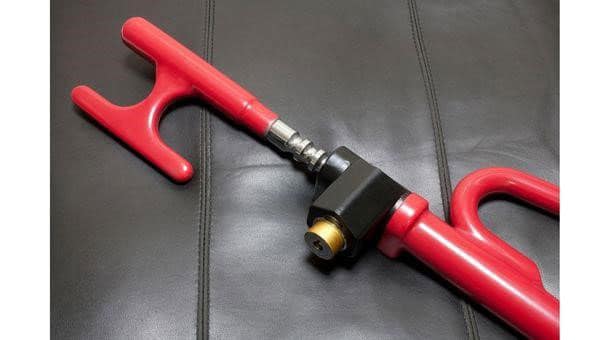
    The locking mechanism for the steering wheel is fairly simple to explain. It’s a tool which locks the wheel to ensure it stays in place and prevents the car from being taken away.

    Two components make up the steering lock. It has a locking mechanism, as well as an external structure that is attached directly to the wheel. The most well-known version can be described as “The Club.”

    How Steering Wheel Locks Prevent Car from Theft?

    The steering wheel’s locking mechanism can protect the vehicle on a certain level. But, it’s possible to overcome by putting in the time and effort. 

    The steering lock can be picked. However, this requires some time. The lock can also be cut, but most criminals won’t take the time to make this happen.

    Since the invention of locks, people have searched for ways to get around the mechanism. If you have the right skills, it can take an intruder a couple of seconds to break the lock.

     But cutting off the lock will require a longer time and may draw more interest. Most thieves don’t want to stay in the car they stole for this long.

    Steering Wheel Locks Types:

    Steering Wheel Locks Types

    1. Traditional Lock

    The classic lock is the most popular. It’s the classic bar design that is seen in The Club.

    There are hooks on either side, which attach to the wheel’s spokes. The wheel cannot be turned until it is secured in its place.

    2. Enclosed Lock

    The enclosed steering lock protects all of the wheels. The security level is higher than that of this kind of lock. But, they are heavier and bulkier than traditional locks. It might be difficult to get it stored away when not used.

    3. Wheel-to-Pedal Lock

    The lock for the pedal on the wheel could be the most advanced. It is connected to the steering wheel and the brake or clutch pedal.

    With this two-layer of protection, you’ll have greater security. The system is not as visible to potential thieves, which means most of them won’t even notice it until they’ve entered the premises and gotten inside, which is a disadvantage.

    How to Choose a Steering Wheel Lock?

    1. Compatibility

    A lock for the steering wheel is only effective if it’s compatible with your car. If it’s not going to work, then there’s no way it will protect your vehicle from theft.

    When purchasing the lock, be sure it’s compatible with your make and model. The lock you choose should match the wheel size of your vehicle. For a perfect fit, the lock must go further than simply measuring the diameter of the wheel and finding a functional lock.

    It would help if you verified the compatibility and the fitment on the site you purchased from. Enter the model and make of your vehicle to ensure that your selected car will work.

    2. Construction

    To guarantee maximum security, the lock on the steering wheel should be constructed from top-quality materials. A weak structure isn’t likely to stand up to a constant thief.

    Beware of products composed mostly of plastic. They are easily broken. If you can buy a model made of more vital, durable components, then that’s a better choice.

    It is also advisable to be looking at the mechanism that locks. Be sure you’re not buying a cheap lock; otherwise, you’ll be dealing with a stuck locking cylinder that leaves you without an alternative to free it.

    3. Visibility

    To secure your vehicle, you need a lock that is easily seen. It might sound counterintuitive; however, if thieves can see the lock on your steering wheel, they’re less likely to try breaking into. Thieves seek targets that are easy to catch and don’t want to exert too much effort.

    Certain products boast a subtle design, but it isn’t what you are looking for. Instead, opt for the most noticeable design that you can get from a trusted brand.

    4. Budget

    You must remain within your budget when buying brand-new car accessories or security items. Sometimes, trying to save the money you spend is a good decision.

    However, buying a wheel lock should not be an opportunity to take shortcuts. Instead, it’s important to be focused on how to ensure your car is protected. If your vehicle has been stolen, how much will you lose?

    Review the various brands available and choose those that have a high rating. Although they may cost more upfront, they will reduce time and effort over the long haul.

    Do Steering Wheel Locks Damage the Steering Wheel?

    When the locking isn’t calibrated for your particular vehicle, it could not be fitting well. When the fitting isn’t ideal, it could leave scratches and marks of scuffs left on the wheel.

    But, if you choose the correct lock to secure your steering wheel, there should be no damage. However, you can safeguard the steering wheel by applying an even layer of cushioning between your lock and the steering wheel.

    How to Prevent Your Car from Being Stolen?

    1. Hide Valuable Goods

    Your car is valuable, regardless of whether it’s a bit older. Older cars can fetch a significant amount of cash when parts are being sold.

    In this way, you should not give a thief a reason to take your car. If you keep valuables to the elements, you can make your car look more attractive.

    2. Use Multiple Methods

    A steering wheel lock can be an ideal device to stop theft; however, it shouldn’t be the only thing you are using. It is best to increase security if you’re trying to safeguard your vehicle.

    Install an alarm to alert you when someone attempts to get inside. Many of these alarms are available for installation at an affordable price and will give you greater security. Many newer models of cars have excellent alarms that the factory installs, but.

    3. Lock the Doors

    This may seem simple to some, but most people walk away from their vehicles with locked doors. When you exit the car, make sure you check the doors to make sure they’re locked.

    In addition, you must be sure to inspect the windows. Even a burglar can quickly enter the vehicle if you don’t close them.

    4. Park in a Well-Lit Area

    Look around the area you’re parking in. If it appears shady and uninviting, it might not be the ideal place to park your vehicle.

    Choose a more populated place where thieves will be easily noticed. If you’re parking at night, you should look for an area with plenty of light. It is not advisable to place your car in a dark room where thieves can operate your vehicle unnoticed.

  • Advantages and Disadvantages of Purchasing the Classic Cars

    Advantages and Disadvantages of Purchasing the Classic Cars

    Do you consider buying the classic cars but are in limbo about whether this is the right choice on your behalf or not another Question is advantages and disadvantages of buying classic car?

    If you’re a petrol fan, you must have a particular automobile you want. However old it is, the car must be in your garage at some point. It’s when cars become iconic.

    Being a car owner of a classic is not the same as admiring it. You can choose to scrap it and build it or locate an original model that has been completely restored and drive it off into the sunset.

    Advantages and Disadvantages of Buying Classic Cars

    Advantages of Buying a Classic Cars

    Purchasing the Classic Cars

     1: You can get lots of attention when owning a classic cars 

    The owners of classic cars might also attract attention as most people enjoy seeing gorgeous vintage automobiles.

    Although many people aren’t keen on receiving all the focus, some enjoy it. If you are in the second category of people, and you cannot get enough admiration from your peers, you’ll be better off purchasing classic cars instead.

    2: Classic cars could be made from quality materials

    In the olden days, classic cars were built from sturdy materials and were produced by hand. However, the classic cars of our present condition are almost exclusively manufactured using machines. Many cheap materials are utilized.

    Therefore, when you purchase an antique vehicle, you will be assured of genuine high-end quality created by countless hours of hard work.

    3: Driving around in an old automobile is quite fascinating

    There is also an extra special experience when you drive an antique vehicle. In reality, driving these vehicles is very different than what you’re familiar with from the latest model because everything is more mechanical, and electricity isn’t playing the major role it does in modern cars.

    Some people aren’t fond of driving old cars, some are in love with them, and you need to attempt to test it out and find out the group you are part of.

    Advantages of Buying a Classic Cars

    4: You buy not only the car but also buy some history 

    A classic car is not just about driving but also about soaking up the story behind these cars and the work that went into the vehicle.

    When you buy a classic car, you can imagine yourself in the persona of someone that lived years and even millennia ago. It’s an amazing feeling, just like owning an antique time machine.

    5: Classic cars are usually simple to repair

    Since classic cars are typically built on basic mechanics, they are typically quite easy to fix as little electronic equipment is involved.

    Replacing mechanical parts is often enough to make your car run again. At the same time, repairs on modern vehicles may be more challenging.

      6: Classic cars often last for quite a long time   

    It is also important to be aware that engines in vintage cars can run for a very long time.

    A large number of these classic cars will cover several hundred thousand miles. However, modern cars rarely reach this level.

    As you will observe, there are many advantages to buying a vintage automobile. But, there are some disadvantages of owning a classic vehicle that I’ll discuss in the next paragraphs so you’ll be able to decide whether you’d like to purchase an old cars or prefer more modern cars.

    Disadvantages of Buying the Classic Cars

    Disadvantages of Buying the Classic Cars

    1: Costs for maintenance

    A classic car that has been completely restored is not just a matter of the purchase cost at the beginning. However, the ongoing maintenance costs could also be on expensive level.

     If you choose to restore it, sourcing parts may be a nightmare, and it can be a long time before you can use the vehicle for driving.

    Also, you will need to bring it to a specialist mechanic who will make any necessary adjustments now and then. Naturally, the service is at a cost that is much higher than classic cars.

    2: Unreliability

    Classic automobiles are regarded as insecure due to the number of years they’ve had. It also depends on how the owner decides to care for the vehicle.

    Like modern vehicles, classics, too, require regular tune-up and maintenance and can be maintained when given prompt attention. The classic car can be a major fuel guzzler, and you can expect to be hit hard in the area of efficiency in the use of fuel.

    3. High-priced Spares

    The spares are also costly, and you might require special parts designed specifically for your vehicle. Certain parts might need to be purchased from different countries on the internet.

     This would be accompanied by the payment of fees for custom-made parts and the cost. There’s also a significant issue with rust in old cars since they were constructed from steel rather than the aluminum bodies used in modern automobiles.

    4. Insufficient Safety

    Classic cars are not in line with the safety standards of the present. They are from a time which was long gone and weren’t built for the roads or speed we travel at in the present.

     Some classic cars do not even have seat belts, and those with weak structures and a lack of crumple zones aren’t very safe to drive. It is safer to choose modern cars, especially when your family is traveling with you.

    5. Pollution

    These classic vehicles are among the ones that pollute the most due to their old age and the state of their engines. There is also the need to pay green tax, which can be added to the cost of a classic cars. There’s also the issue of driving the vehicle.

    While some might want to drive it on weekends, others will only take it out from the garage as often as once per year. Before you buy an old car, take your time searching for a reliable one. Many will scam you with poor bodywork or offer you a bad vehicle with a new panel.

     If you’re planning to fix the car yourself, ensure that you find an expert in restoration who will assist you get all the information necessary for the car. After all, you don’t want to find a scrap or piece in your garage.

  • Top 10 Best Ways to Improve Car Tire Performance

    Top 10 Best Ways to Improve Car Tire Performance

    What is the Best Ways to Improve Car Tire Performance? Tires for cars are the only components that stay in contact with the asphalt all the time. When the road is rough, your car tires play a vital part in cushioning the ride. When you drive on a bumpy road, it’s again the tires responsible for grip.

    Best Ways to Improve Car Tire Performance

    The tires are among the most crucial components of your vehicle. An unsuitable pair of tires can ruin even the most powerful Ferrari. However, many drivers do not take care to maintain the tires.

    They are unaware even when the tires begin showing signs of aging. Here are some suggestions for extending the life span of the tires on your car. We’ll also discuss the right time to change the tires on your car.

    In this article we have enlist the Best Ways to Improve Car Tire Performance that will also give you extra benefits while safe driving.

    Top 10 Best Ways to Improve Car Tire Performance

    1: Altering tires in the right timing

    The experts advise that the best time to throw away the old tire for a brand new one is 6 to 10 years. The 6-year period is the recommended timeframe, but 10 years are the most extreme limit, and that’s when you can find all the tire is in good shape.

    It is the wear and tear that tires also depend on some aspects, like how you drive, the total amount of miles driven, the weather conditions in the area, etc.

    In the process of making, automobile tires are fed an anti-oxidizing chemical compound to provide durability. This chemical slows down the normal aging process of the rubber that is not treated.

    However, the tires will continue to degrade as they age, although slowly, and can pose the risk of tire failure. There are many ways to observe the wear on the tires, like cracks or bulging marks on the tire’s sidewalls, a deformation of tread grooves in tires, and discoloration of the overall structure of the carcass.

    Additionally, each tire has an indicator of tread wear which is an immense help when contemplating whether to change or to-not-change’ your tire for the brand new model. The tread wear indicator for a vehicle with four wheels is placed inside the grooves to 1.6 millimeters high.

    The tires that are worn over these limits are considered unsafe for driving. Another factor to consider could be the date of manufacturing engraved on the tire’s sidewalls. This could play a significant part in your replacement of the tire.

    Altering tires in the right timing

    2. The bolt size of the wheel

    Usually, the bolts for the wheels are supplied by the vehicle manufacturer. Just make sure that the bolts aren’t narrow or excessively long. In both instances, they may turn against each other.

    If they’re short, they risk the wheel will pop out. Or, if they are too large, they could cause injury to your vehicle’s suspension system. Please take a look and have it repaired with the right dimensions.

    3. It is vital to rotate the tires

    Rotating the tires should be done every 5000 km or if you notice any irregular wear on the tire’s positions. When rotating tires, ensure that all tires have equal exposure to the road.

     Regularly rotating tires assure that all tires are worn equally and that no tire is being over or under-used.

    4. Keep your driving smooth

    Intentionally or not (or saying, not paying attention), You often speed up or drive at high speed when you spot an accident on the road, and you try to stop your car immediately using emergency brakes.

    Although the car slows down, the whole wrath is borne through the tires. The force of braking can significantly affect the longevity of the tires on your car, which causes premature wear on the tires.

     So, it’s recommended that you drive at a steady speed, ultimately stopping you from braking often. Rash driving and regular stops (at high speed) can also lead to tire skidding, making it easier for a crash and forcing the tires to lose tread more quickly than anticipated.

    Keep your driving smooth

    5. Beware of monsoon flooding

    The rainy season brings many problems to urban dwellers, particularly drivers and car owners. In this kind of weather, the tires become more vulnerable and more prone to wear and tear, which is premature.

     In the event of rain, driving along an extremely waterlogged road or street cannot be easy. It becomes an absolute nightmare due to the presence of tires with worn-out treads since the danger of hydroplaning always exists. But, driving safely and treads that are well-groomed can reduce the risk.

    According to experts, one of the most effective ways to prevent hydroplaning is to use new tires. It’s simple to do compared to tires with limited grooves; the latest trends will allow more water to pass into the grooves in the tire, which will result in a better grip on the surface and thus make it harder for hydroplaning to occur.

    6. You must be careful with the Jack

    When swapping the tire, a car jack must be utilized that is secure, simple to use, and reliable for anyone changing the tire.

    If a hydraulic car jack isn’t available, then the standard Jack supplied by the car manufacturer is also a solution. Remember that the area where the punctured tire is swapped must be level and firmly fixed.

    punctured tire

    7. Check air pressure

    A frequent check of the pressure of tires will not only ensure that tires are not prone to punctures frequently but also play an important aspect in achieving greater fuel efficiency.


    To maintain and extend the life of tires as well as safety, cornering speeds, general performance, and handling, it is crucial to maintain the pressure of tires at a certain level according to recommendations from the manufacturer.


    Overinflated or underinflated tires can adversely impact your vehicle’s performance daily. The overinflated tires have less than the contact road’s surface. The sidewall also decreases flexibility, which causes road adhesion to be less effective, resulting in less control for the vehicle.


    Furthermore, tires with low inflation decrease the diameter of the overall tire and increase the sidewall’s flexion, which causes difficulty in controlling the vehicle in various stages.


    8. Place tires in a secure area

    To save the tires, you must first clean the tires, then choose the location (lying as well as standing) that the tire is in. Be sure to keep tires in a dry, cool location, free of harmful chemicals and substances such as petroleum and grease.


    Additionally, the storage space of the tires must not contain any source of sunshine or heat and should be away from hot pipes and electric motors. Stagnant water is another enemy of tires. Therefore, you should ensure no chance of water accumulating within the tires.


    Exposure to these elements could cause inner weakness and premature deterioration of the tires, which are then exposed to sudden breakage.

    premature deterioration of the tires

    9. Match and no playing mix


    At present, most car tires have the radial tire. Experts recommend using the same size and tire for all four wheel positions unless the vehicle manufacturer determines different sizes that can be used for both the rear and front. It is possible to check this in the user manual for the vehicle.

    For instance, if two non-radials have fixed two radial tires, the two radial tires should be placed at the rear. If you encounter different tires on the vehicle, you should avoid using them for a prolonged time and maintain a safe speed.

    Mixing and matching tires on a 4×4 or all-wheel drive and four-wheel drive vehicles requires particular attention. Look for the vehicle manufacturer’s handbook to get their advice and advice.

    10. The alignment of the wheels is crucial

    car tires safety

    An alignment of the wheels is an important element of routine maintenance for vehicles and cars, where the wheel’s angles are adjusted according to the specifications of the manufacturer of the vehicle.


    The adjustments aim to obtain the longest life possible from the tire, ensuring equal wear across all four tires. Also, ensure that the vehicle’s road travel is level and exact when driving on an even straight road. Wheel alignment is essential every 5,000 km or when you spot any wear that is uneven in the tire.


    Following the above guidelines about the Best Ways to Improve Car Tire Performance and driving with diligence and care will improve the longevity and performance of the tires.