Category: Car Maintenance Tips

  • How Car Manufacturers Measure Torque and Horsepower

    How Car Manufacturers Measure Torque and Horsepower

    How Car Manufacturers Measure Torque and Horsepower

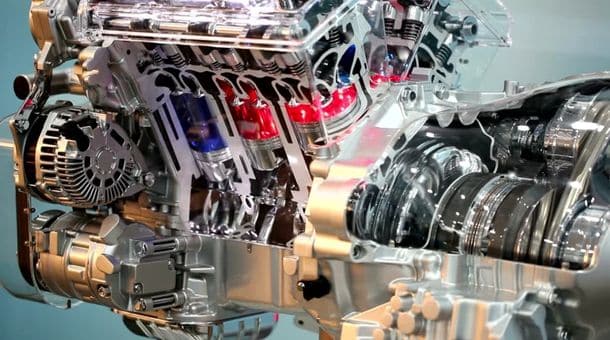
    In this article, we will explain how car manufacturers evaluate Torque and Horsepower . Torque is the measure of the ability of a party to bend an object, while horsepower measures its capacity over time. Dynamometers are instruments used to measure torque. Once torque has been calculated, you can add it to a formula to determine horsepower.

    KEY DIFFERENCES BETWEEN HORSEPOWER VS TORQUE

    Horsepower can be used to gauge the overall performance of an engine. Torque is a straightforward measurement of the machine’s highest force twisting when working hard.

    This is why pickup trucks are equipped with high-torque engines that produce much more power than compact cars.

    For example, for instance, it is the Toyota Tundra’s 5.7L I-FORCE V8 engine comes with 381 horsepower, with a massive 400 lb.-ft of torque. This torque is high enough to give drivers ample power for tough jobs, including towing, hauling, or climbing steep slopes.

    However, this Toyota Corolla Hatchback is equipped with the Dynamic Force four-cylinder engine that produces the power of 168 horses and 150 lb.-ft of torque.

    In this model, the high torque output isn’t required as fuel efficiency is the primary goal. Therefore, the torque and horsepower are set by engineers to provide excellent performance with high fuel efficiency. Consider the hybrid vehicle, powered by a gasoline engine but augmented with an electric motor.

    Electric motors are torque stars as they deliver the total torque output immediately. This will be evident every time you use your blender. As soon as you turn it on, its electric motor can instantly apply all the torque it can to blades without any waiting.

    This same instantaneous and powerful torque makes hybrid cars such as the Toyota Prius, Corolla Hybrid, and RAV4 Hybrid provide lower fuel consumption and improved performance.

    How to Measure the Torque (Twisting Power) of Your Car

    The torque is proportional to horsepower. It varies according to the vehicle and its particular characteristics. The size of the wheels and gear ratio affect torque.

    When you’re looking to buy a new vehicle or build a car in the garage, there are two variables at play in determining your engine’s performance: torque and horsepower.

    If you’re like the majority of DIY mechanics or enthusiasts of the automotive industry likely to have an excellent understanding of the connection between torque and horsepower, but you might be struggling to understand how “foot-pound” numbers are accomplished. It’s true, and it’s not all that complicated.

    Before we go into the technical details, let’s look at some easy terms and concepts that help us understand why both torque and horsepower are crucial factors to consider. Let’s begin by delving into the three factors that determine the combustion engine’s performance: speed, torque, and.

    How engine speed, torque, and horsepower impact overall performance
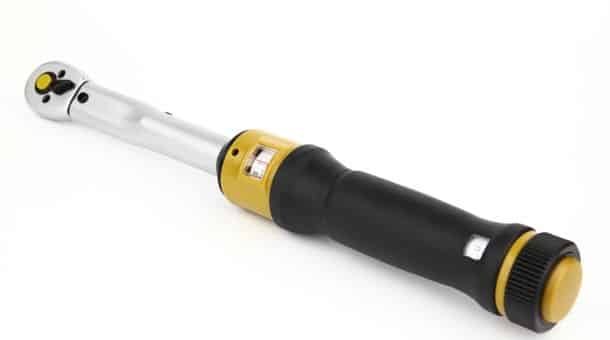
    How engine speed, torque, and horsepower impact overall performance

    One of the biggest mysteries of engine performance was finally worked out after retracing the fundamentals of how horsepower is taken into account. Most people think that Dynometers (engine dinos) is made to measure the horsepower of engines. The torque figure can be multiplied by the RPM measured and then divided by 5,252 for a horsepower figure.

    Each engine is either electric or combustion and operates at various speeds. The quicker an engine finishes its power stroke or cycle, the more incredible energy it creates. For combustion engines, the three components that affect the performance of a machine are torque, speed, and horsepower.

    Speed refers to how fast the motor can perform its job when we compare its rate to a specific number or measurement unit to measure the engine’s momentum in the form of revolutions per minute, or RPM. The “work” that the machine does is the result of a force applied over a specified distance.

    Torque is the work that results in motion. It happens when pressure is applied to an area (or for an engine that burns the flywheel) and is usually expressed in feet pounds.

    Horsepower is the speed that work can be completed. When objects had to move, people used horses to transport them in the past. It was estimated that a horse could move around 33,000 lbs per minute.

    This is the reason why the word “horsepower” originates. In contrast to speed or torque, horsepower is measured in various units such as 1 HP = 746 Watts 2 545 BTUs = 1 HP and 1 HP equals 1,055 joules.

    The three components work to create engine power. Since torque is constant, the speed and horsepower are in proportion. But, as the engine’s performance increases, the horsepower increases to ensure the same torque.

    What many people are confused about is the way that torque and horsepower affect the speed of the engine. In simple terms, when the horsepower and torque rise and the speed of the machine. It’s the same for reverse When the horsepower and torque drop and the engine’s speed.

    How Engines are Built to Maximize Torque?
    How Engines are Built to Maximize Torque?

    A modern engine is modified to increase the power or torque of the machine by altering the length or size of the rod connecting it, as well as expanding the bore or the diameter of the engine. It is commonly known as the ratio of stroke/bore.

    The measurement of torque is as Newton meters. Simply put, this signifies that the torque measurement is done using an arc of 360 degrees. This example uses two identical motors with the same bore (or the diameter of the combustion cylinder).

    However, one of these two motors are equipped with a more significant “stroke” (or the depth of the cylinder, as created by a more long connecting rod).

    The motor with the more powerful stroke is more straightforward as it moves throughout the combustion chamber and has greater leverage to perform the same thing.

    The torque measurement is in pounds-feet or the amount of “twisting force” applied to accomplish a task. For example, suppose you’re trying to break loose an old bolt. Let’s say that you have two pipe wrenches.

    One is 2′ long, and the other is just 1 inch long. If you assume that you apply the identical magnitude of force (in this instance, fifty pounds), you’re applying 100 feet of torque with the two-foot wrench (50 2) and just 50 pounds.

    Of torque (1 50 x 50) using the one-foot wrench. Which twist will allow you to loosen the bolt faster? It’s easy to answer which one has the most torque.

    Engineers design an engine to create a more significant power to-torque ratio for vehicles that require additional “power” for acceleration or climbing.

    In general, you will notice higher torque ratings for high-end trucks designed for towing or high-performance engines in which acceleration is essential (such as in the NHRA top Fuel Engine example noted above).

    This is why automotive makers frequently highlight the torque capabilities of truck engines in commercials. The torque of motors can be increased by altering the timing of ignition and adjusting the air-fuel mixtures or even manipulating the fuel to increase the output of torque in certain situations.

    Understanding other variables that affect general torque ratings for an engine. When it comes down to measuring the torque, there are three distinctive factors within the combustion engine you should consider:

    The force is generated at a certain RPM. This is the highest horsepower engine produced at the desired RPM. As an engine gets faster, there will be an RPM or horsepower curve. As the engine’s RPM rises, the horsepower also increases until it reaches the maximum threshold.

    The distance The length of the rod’s connecting stroke. As we have explained previously, the longer the stroke, the more torque will be created.

    The torque constant is a mathematical figure for all engines, 5252, or the constant RPM, where horsepower and torque are matched. The name 5252 comes from the fact that one horsepower was equal to 150 pounds, which was 220 feet in a minute.

    Mathematical formulas were developed to quantify this in feet pounds of torque in the work of James Watt, who invented the first steam engine.

    FAQ About How car manufacturers measure Torque and Horsepower

    What is the method used by car makers to Determine torque?


    The most popular method of testing the power and torque in an engine with a dynamometer is also known as a “dyno” test. The test usually involves connecting the engine’s output shaft to a test setup that applies an electrical load.

    Is torque higher, indicating more excellent acceleration?


    Therefore, the greater torque your vehicle has more power, the higher the speed. It is an essential component in generating energy from a car’s engine because it is the amount of load that a machine can take on to produce a certain amount of power that allows it to turn the engine’s axis.

    What is the best torque for an automobile?


    The engines of mainstream automobiles and trucks generally produce 100 to 400 pounds. -ft of torque. The pistons inside a machine generate this torque as they rotate upwards and downwards on the engine’s crankshaft, which causes it to spin (or turn) continuously.
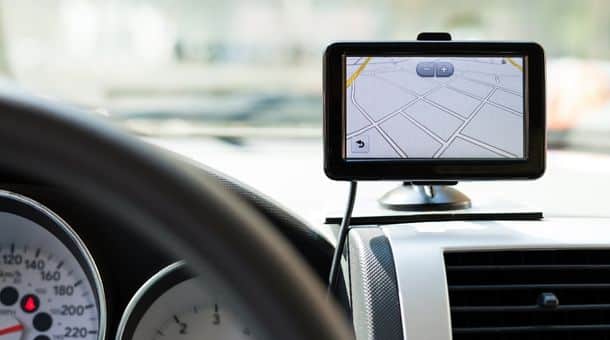
  • What are Car GPS Trackers, and How Do They Work?

    What are Car GPS Trackers, and How Do They Work?

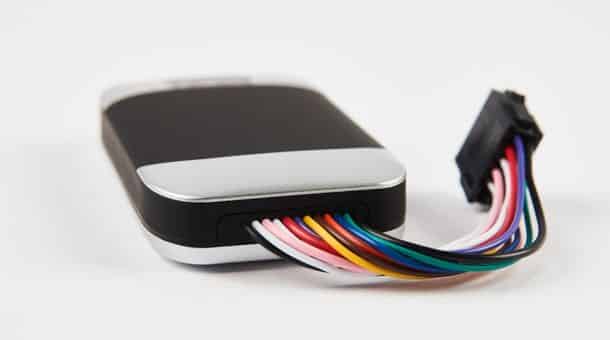
    This article will discuss the term “Car GPS Trackers” and what they are. Car GPS Trackers and How do they work? The Global Positioning System (GPS) trackers are portable devices that permit fleet administrators, parents, and owners of vehicles to monitor and track their cars and trucks.

    In real-time, GPS tracking devices for vehicles offer instant information about speed and location and less costly options that keep this information for future use. With specific GPS vehicle trackers, it is possible to make real-time notifications to sound when a motorist goes over or out of a zone.

    What Is a Car GPS Trackers?

    If it is the case that theCar GPS Trackers is installed inside a car, it is capable of providing real-time data and historical data. This is accomplished by using the mathematical concept of trilateration.

    This helps them identify the current direction of the vehicle, its speed, and the car’s whereabouts, using information from at least four GPS satellites.

    While this may seem like an impressive amount of technology, and it’s possible that it could be costly or could be able to take up lots of space inside a car, however, this isn’t the case.

    GPS is simply an instrument, and if your smartphone operates it and it is possible to be used on devices that can be incorporated into your vehicle. In reality, the GPS tracking devices that are currently available are small and barely noticeable. They can be fitted within your car swiftly and efficiently.

    WHAT DOES A Car GPS TrackersDO?

    WHAT DOES A Car GPS TrackersDO?

    The GPS tracker requires a device installed inside the vehicle, on an object, or worn by an individual. The device provides data about its precise location and subsequent movements, allowing real-time monitoring.

    The GPS tracking device is a tool used by managers of fleets to determine the exact location of a vehicle or asset, report on the traffic conditions, and track the amount of time each vehicle stays on a site.

    WHAT IS Car GPS Trackers USED FOR?

    Most people know the most popular uses for GPS technology, like surveying and mapping, obtaining directions and keeping track of children. However, there are many more possibilities you never thought of.

    GPS plays a crucial role in all kinds of applications used by military personnel and first responders, as for other personal and commercial purposes. Here are a few methods GPS monitoring systems can be employed.

    MILITARY USE OF GPS

    Initially designed for the use of the military, GPS continues to be used by the military to monitor the movements of troops, aircraft, navigation on the sea, and much more. This is vital for military units stationed in areas that are not well-known or moving during the night.

    SEARCH AND RESCUE

    GPS tracking is also utilized in rescue and search operations. It aids rescue teams in keeping an eye on where they’ve been or getting information from the lost person’s cell phone or GPS gadget.

    GPS VEHICLE TRACKING

    Commercial fleets typically utilize GPS tracking devices to track the fleet of vehicles. Through the use of GPS technology on the fleet vehicles, Fleet managers can monitor their drivers’ movements and statuses and also gain important information about the efficiency of their fleet.

    These systems of GPS are an essential component in tracking fleet vehicles to track the locations of vehicles in the fleet and their activity as well as to improve safety and efficiency. Furthermore, GPS tracking makes routing and dispatching more precise and simple.

    GPS RECREATIONAL USES

    Most wearable devices, like biking, running and hiking watches, utilize GPS tracking. It gives users information on the distance they have travelled, speed, and their location in the woods.

    With the rise of smartphone usage, most of us have GPS devices to track our movements wherever we travel. The technology is being used to create new methods, ranging from AR (AR) applications to games based on locations. The types of applications that can be used are expected to increase significantly shortly.

    GPS tracker benefits for fleets

    Fleets that use their GPS tracking tools are typically able to identify benefits in their business operations. For example:

    Customer service is improved: By providing live status updates for the fleet, A fleet manager can provide the best customer service by providing a more precise arrival time and finding the nearest driver to make a service call.

    Optimized routing: GPS information can assist fleet managers in understanding the road and traffic conditions and send their drivers on more efficient routes

    Security of cargo is increased. GPS tracking systems aid in replaying a trip to help fleet managers worried about theft of cargo spot unauthorized travel. Many fleet tracking systems allow the setting up of geofences which can notify the location of a vehicle after it leaves a specific area or has crossed a boundary.

    Understanding how drivers behave With the engine control module (ECM) connection, fleets also can track specific driving patterns alerting managers to behaviour that drivers could be instructed on.

    Beyond the standard GPS Fleet Trackers, some fleets have been using vehicle video to help improve their fleet management. With the addition of video to your GPS tracking device, fleets can:

    Use GPS data and video confirmation to ensure that your items are delivered on time or that services are executed precisely and according to schedule.

    How Does GPS Tracking Work?

    GPS tracking utilizes a network of satellites to determine the position of a device designed to do this. The basic concept is that GPS trackers use trilateration to determine their status and distance to three GPS satellites. This is the same method used by the car navigation system, whether portable or in-car. system.

    The distinction between the GPS tracker and GPS navigation device is that the system can provide the user with your location and driving directions. At the same time, the tracker keeps track of your driving patterns or communicates its position in real-time.

    If a tracking GPS device for cars can transmit their location to the world, they generally employ the same technology your smartphone uses for making calls and connecting to the web. So, specific GPS car trackers need the payment of a monthly cost.

    Conclusion:

    The GPS is based on giving precise information regarding the exact location of the vehicle or that of an individual’s same place. The GPS transmits information via an internet connection via Wi-Fi, cell phones, or radio frequency.

    GPS can be described as a global radio-navigation technology that relies on a constellation of 24 satellites and their ground stations. GPS can give live (active) and historical navigation (passive) details of an excursion.

    The mini Car GPS Trackers can be described as a global GPS in its positioning (real-time tracker). Its most practical application is, for instance, the tracking of pets or individuals and the security against theft of vehicles such as vehicles, trucks, bicycles or electric bikes. The size of the mini tracker will determine the battery’s lifespan.

    GPS tracking apps can connect the GPS tracker and a mobile phone. This GPS tracker connects indirectly to the owner’s phone through an intermediary server.

    FAQ About What are Car GPS Tracker and How Do They Work?

    Does the Car GPS Trackers function when the car is not in use?


    All GPS trackers with wireless connectivity have built-in power, and they work even if they aren’t connected to your vehicle.

    What are the best places to hide? Where would you hide a Car GPS Trackers?


    Tanks for fuel are a typical place for people to conceal their GPS devices. The wheel wells inside and beneath the rear and front bumpers are also popular hiding spots for GPS devices.

    Are thieves able to be able to disable the Car GPS Trackers?


    Putting a portable signal jammer in the vehicle of a burglar could be all that is needed to turn off the tracker signal. A thief could employ a handheld radio detector to identify the device that tracks him so he can disable it entirely.

    What is the most suitable place to install a Car GPS Trackers?

    If you put the tracker within the frame made of metal on the car, whether on the driver or the passenger side, it will transmit a GPS signal that will likely bounce off roads and become visible to the tracker. If you place it correctly, under the car is the most effective all-around secure method to establish an electronic tracker.

  • How are Car Tested for Safety

    How are Car Tested for Safety

    This article will discuss How are Car Tested for Safety. Safety ratings of ANCAP are based on an international standard of independent crash tests and safety tests, including an array of physical crash tests and an evaluation of the safety equipment and features on board, and testing of the performance of active technologies for collision avoidance.

    You must consider some aspects when you evaluate a car’s overall safety. These include how it responds in an emergency, how it safeguards its occupants in the event of a collision, and the ease of connecting a child’s car seat. When comparing cars, it is important to consider all the relevant factors, such as safety ratings and features.

    How are Car Tested for Safety?

    1: Crash testing

    The widespread testing technique is a highly rigorous and costly than many realize. In contrast to the crash-testing videos in tv shows or films, Crash test dummies aren’t just human mannequins. Crash test Dummies are constructed from materials resembling human structure and physiology.

    From having a spinal column made of rubber and metal pads to moving the arms and body as a human would be expected to do during an accident, the crash test dummies are designed to mimic the reactions and injuries of an actual human during an accident.

    The dummies are available in various sizes, weights, and genders. The crash test dummies are accelerometers, load sensors, and motion sensors that gauge the force exerted on multiple body parts during a crash. These features aid manufacturers gather crash data to determine the damage’s severity during various impacts.

    2: Government crash-test ratings

    The National Highway Traffic Safety Administration (NHTSA) performs a complete frontal crash test, a rollover test, and a side impact. All tests are scored on a 5-star scale, with fewer stars representing the greater risk of injuries. You can find the scores of all crash-tested vehicles online by visiting.

    The NHTSA’s frontal tests indicate how well safety belts and airbags safeguard the occupants from inevitable crashes. The frontal test forces vehicles against a solid barrier at 35 miles per hour.

    It is a collision simulation of two identical cars moving at 35 miles per hour. The crash dummies equipped with instruments in the front and back seats document the forces they experience and score given to the driver and front-seat passenger.

    The test for side-impact simulates an accident at an intersection using a 3-pound obstacle moving at 38.5 miles per hour into a stationary vehicle. The driver and the left rear (impacted left) passenger are given scores. Since 2011, NHTSA has increased its rating evaluation and introduced the side-pole test using various size models.

    Both NHTSA along with the IIHS frontal crash test results are only comparable to cars that are in identical weight categories as the test vehicle. If the weights of cars are highly different, the results could be quite different.

    3: Electronic stability control (ESC)


    Consumer Reports auto experts strongly recommend electronic stability control, especially for SUVs. ESC can keep the vehicle in check and the path it is intended to take in a corner and keep it from skidding or sliding. When a car loses control, the system applies brakes on any or all wheels and cuts engine power to help keep the vehicle on track.

    In the case of SUVs, stability control can prevent the vehicle from slipping into a situation that could result in an accident. Although the electronic stability control has dramatically improved emergency handling on the cars we’ve examined, it’s not a solution for unsafe vehicles. This system’s effectiveness depends on how it’s programmed and connected to the vehicle. It is also not able to overcome the physical laws.

    Numerous studies of ESC have been conducted, and all have shown a significant reduction in deaths and accidents. The IIHS estimates that if all vehicles were equipped with ESC, this would save the lives of 10,000 people every year. The National Highway Traffic Safety Administration has now required ESC to be included in all new vehicles.

    4: Test-driving on challenging roads

    Crash testing is an insignificant but vital component in the safety procedure. Like crash tests, the real-world test of cars also needs to be conducted under real-world conditions.

    Automobile manufacturers must ensure that their vehicles can withstand extreme weather conditions, such as heavy rain and bumpy roads.

    There are several places for testing cars, including those in the Death Valley in the U.S.A. for testing heat, well-known as one of the most sweltering locations on Earth. In Germany, the Nurburgring Race Track in Germany is utilized by many people to gather data on speed and acceleration data.

    The well-known Nurburgring racetrack is thought to be the most deadly race track. Manufacturers also travel to Alaska in winter to check its endurance in colder weather.

    Fairbanks, Alaska, an extremely popular tourist destination in the summer, is also known for its freezing temperatures and heavy snowfalls in winter.

    Apart from testing vehicles in extreme conditions that are actual manufacturers also test the overall functionality and performance of their cars by driving them on roads, just like all of us.

    This could include tests for a couple of hours, days, or even weeks on the street to measure their vehicle’s performance. This can help determine a car’s basic acceleration capabilities, brake capabilities, and noise levels in a real-world scenario. Most of these cars are disguised to keep away the latest design the car company is launching.

    5: Testing the smallest of car functions

    You may have realized that crash tests and a car’s capability to navigate difficult roads aren’t the only aspects of car performance. As drivers typically, we overlook the functions of a vehicle until they cause an issue.

    These function tests are as crucial as the huge test for weather and crash. These tests measure the level of comfort a driver can expect while driving. The functions that are tested include:

    • The volume of sound that is emitted by an engine in the car
    • Level of vibration at different speeds and gears
    • It is easy to change gears
    • The comfort of the seats
    • Tires emit noise
    • Ensure that the vehicle meets the most efficient standards for fuel efficiency.
    • The car’s weight isn’t too heavy.
    • Ensure that the proper distance is maintained between the bottom of the car
    • The ease of pressing the accelerator and brake pedals
    • It is easy to use the steering wheel
    • Windscreen injury caused by driving
    • The purpose of wipers
    • The level of noise in the vehicle
    • Performance of the air heating and cooling systems in the vehicle
    • Wind noise level
    • Wear and tear rate.

    6: The expense of car safety tests


    However, testing vehicles isn’t inexpensive. Have you ever wondered why there are just a few brands of cars that are well-known? It’s not because nobody would want to be competitive with the firms, but because it’s nearly impossible to raise funds and make any profits after the vehicle has been released.

    Before this, it is necessary to have testing carried out, which typically costs manufacturers in the range of six-digit numbers. In addition, there is the expense of hiring technicians, engineers, and experts.

    We’re not even getting started on the amount manufacturers are investing in new designs, including technology that allows for a smoother user experience. They require money and resources that could be difficult for startups to get.

    Conclusion


    The vehicle type varies our conclusions on the reliability of rating of crash tests. For passenger vehicles, Our analyses provide the most substantial evidence to support the validity of crash test ratings in assessing drivers’ fatality risk.

    FAQ About How are Car Tested for Safety:


    What is the best way to ensure safety in a car assessed?

    The frontal test of NHTSA provides a reliable indicator of how healthy airbags and safety belts ensure the safety of the passengers in certain kinds of collisions.

    The frontal test forces vehicles against a solid barrier at 35 miles per hour. It simulates head-on collisions between identical cars, which are both traveling at 35 miles per hour.

    What’s the purpose of security in the car?

    Safety in the car is crucial in reducing the likelihood of car accidents and their effects. The scope of car safety that includes broad and covers the road designation

    How many cars are being used to test safety?

    Every year, the NHTSA examines around 90-150 vehicles across seven categories of cars. Similar to other tests run by the government (such as the fuel economy).

    It is not the case that every vehicle of every manufacturer that makes its way onto the road is examined. Instead, the NHTSA concentrates on new cars and those with major changes.

    Which is your most crucial safety feature in an automobile?

    Airbags. A car’s airbags can be activated in a crash and protect the driver and the passengers from common collision points such as the steering wheel, the dash, and the car’s sides.

    • Antilock Brakes.
    • Electronic Stability Control.
    • Adaptive Headlights.
    • Traction Control.
  • 12 Secrets How Car Salesman Training Tips Create Dealership Buzz

    12 Secrets How Car Salesman Training Tips Create Dealership Buzz

    Car Salesman

    In this blog, we’ll explain 12 ways that car Salesman Training Tips Can Create Dealership buzz. A little over 81 million vehicles were sold worldwide in the year 2022. There were no two sales or buyers who were the same. Because budgets, backgrounds, desires, and requirements differ from one person to the next. Every sale is greater than the value of the vehicle.

    A car purchase is an emotionally charged decision. How people feel about your dealership, the vehicle, the salesperson, and the cost affects the purchase.

    An insensitive or rude salesperson could end a sale within minutes. If your vehicle dealership isn’t welcoming, customers will be unable to return. Sales personnel must be friendly and pleasant as well as reliable.

    How Car Salesman Training Tips Create Dealership Buzz:

    How Car Salesman Training Tips Create Dealership Buzz:

    1: Get customer names upfront

    Your first instinct is to greet a customer with a greeting such as “Welcome to XYZ Dealership. I’m John. What can I assist you this moment?” That, however, is not the right approach.

    Don’t think about this Dale Carnegie quote from How to Win Friends and Influence People: “Remember that a person’s name is, to that person, the sweetest and most important sound in any language.”

    Learn the client’s name immediately. “Hi, I’m John. “Welcome to XYZ Dealership. I’m John – and you are?” -Remember it and make it a part of the entire process of selling.

    2: Listen more than you talk

    You likely got into sales because you’re social and enjoy having a good conversation. The best salespeople aren’t just talking; however, they also listen. They also attend more than they talk.

    If you can throw the ball on your client’s court and pay attention to the things they’re saying, it’s more likely that you’ll get a better idea of what they’re looking for and want.

    3: Look customers in the eye

    Eye contact is a way to establish a connection, but when you’re intentionally or subconsciously trying to avoid that contact, it can cause an uneasy relationship with your customers.

    There’s a middle ground, but excessive eye contact may appear too intense and rude. Make eye contact around 30-60% during a conversation. in an interaction — more while listening and less when you’re speaking.

    4: Be patient, not pushy

    You’re trying to close the deal and get it done now, but this shouldn’t be the impression you emit when interacting with clients. The purchase of a car is an enormous decision.

    Should a person feel stressed about making a quick decision, they might decide to walk away from your parking lot. Let people have space and let them know that they are supported.

    5: Know the product inside and out

    Tips for training a car sales clerk are often focused on talking to people who overlook one crucial fact: you must be aware of the subject matter you’re discussing. Demonstrate to your client that you’re not “just” a fast-talking salesperson.

    You know your product in and out and provide fascinating facts. Be sure to study regularly, and you’ll be amazed at how your knowledge increases confidence with your customers.

    6: Don’t say negative things about other car dealers.

    If a client comes into your store and begins to talk about a bad experience at another dealership, resist the urge to make it appear negative. You can certainly accept your customer’s feelings, but calm confidence can do more for customers than snarky competitors.

    7: Don’t tell customers what they want to hear

    It can be challenging to make, particularly for those prone to pleasing others, but try to be honest with your customers. If you’re likely to require additional time to prepare their vehicle and get ready for the road, don’t lie to them that it’s only 15 minutes. If you over-promise and under-deliver, clients will begin to doubt your credibility.

    8: Keep your desk clean

    During the selling process, you’ll take a customer to your office. Are you surrounded by stacks of papers wrapped in protein bars, wrappers for protein bars, and pictures of you having a good time with your pals? Take care to tidy up your workspace.

    Be as proud of your work area as you do with your appearance since cluttered desks can indicate to customers that you’re scattered and may allow some things to get lost in the shuffle.

    9: Do unto others

    Many people are aware of the “Golden Rule,” but don’t consider it in their daily lives. You might be distracted by your work and making the sale that you don’t realize your customers are real individuals.

    They’re making a substantial purchase; they might be stressed, and there may be many things happening at home; you don’t even know what they’re facing now. You’ll get numerous repeat customers and referrals if you treat your customers the same way you’d like at an auto dealership.

    10: Follow up

    Do you want a client to believe you’re not interested in them and just trying to sell them something? Don’t follow up. Doing so via telephone, e-mail, or snail mail shows that you want them to be satisfied with the purchase, not just simply taking their money.

    Being a salesperson in the automotive sector can be highly satisfying. If you follow these ten auto salesman tips for training, you’ll be well to becoming an Employee of the Month. Using the software for automotive CRM, such as AutoRaptor, can help you keep track of the leads you must follow up with.

    Being sly is the most dangerous thing you could do as a car salesperson. Don’t use questionable tactics. Don’t lie or make flims assertions. Most of the time, you’ll lose the business. Also, you lose your credibility as a trustworthy business.

    11: Don’t lie to your customers.

    Don’t claim you own an exact model that you don’t. If you create a mileage rate and it’s incorrect, people will assume that you’ve lied. They’ll distrust you and your business.

    If you aren’t sure of how to answer a query, tell them”so. Inform them that you don’t know, but you’ll determine. Next, you should ask a trusted source to provide the information and inform the customer.

    Do not tell customers what you are telling them because that’s what they want to hear. There is a temptation to please someone hoping to make a sale. However, lying doesn’t work.

    People are upset when they are lied to. They don’t believe in them. They leave offers. Even a few seconds of happiness don’t justify the loss of the sale.

    Be honest. Tell the truth if you don’t have a vehicle on your property but can obtain it. Don’t make it appear as if it’s there. Let the purchaser know if you require additional time to clean an automobile for collection. No one wants to show up at the dealership and sit for up to an hour.

    People know when you are telling the truth. They aren’t sure the moment you are lying. Make sure you don’t create any confusion when speaking to customers. You want every client to claim you are an honest, reliable salesperson.

    12: Dress for Success

    If your business has dress codes, be sure to follow the rules. If not, make your own. You’ll want to appear elegant, clean, neat, and confident.

    The first impression you make could be the difference in earning an opportunity. It must be neat and well-pressed if you’re wearing casual business attire or a tie and shirt.

    Put on comfortable, professional shoes. Don’t wear tennis shoes or sandals. Dress for work in sandals and shorts, and everyone will are left wondering if you’re aware of the rules of your game. When you smoke, be sure you don’t smell of an Ashtray. Don’t overuse your cologne.

    Dress appropriately and act professionally. Select neutral and pleasing colors. People should look at your appearance, not your clothes.

    Keep in mind that purchasing a car is a significant choice. Take your time in the purchase. Be prepared by being an expert. The reward is increased sales and referrals.

    Conclusion

    With all the information and strategies, you’ll master to become a great auto salesperson. It’s the time to update your application and resume and put yourself out there!

    FAQ About: How Car Salesman Training Tips Create Dealership Buzz


    What type of training are you looking for as a Dealership?

    If you’re a novice Dealership, a few training techniques that promote trust, honesty, and integrity can enable you to rise to the top quickly.

    The first day of a new job in sales for automobiles is thrilling. And your entire career is right in front of you, and there are many opportunities to succeed and gain knowledge.

    Do you need to attend a course to be an agent?

    DMV will require this course to obtain the Dealer License. If you take this class first, you’ll be able to learn about the steps needed to bring your License and cut down on time and cash. Are car dealers required the obligation to cover sales taxes as well as DMV fees for vehicles?

    What should you expect when beginning a new career in auto sales?

    The first day of a new job in sales for automobiles is thrilling. Your entire career is correct, and you have plenty of opportunities to succeed and grow. Some books contain information for salesperson training, car manuals, and an annual subscription to every magazine in the industry you can discover.

    What’s the most effective sales training for small companies?

    One of these best sales training courses could be the perfect option for your business. Our top pick, The Art of Sales, is an entirely free sales training program from an expert professor at top universities. Some may carry high prices and include the most customized curriculum designed for your company.

  • How to Make Tuner Honda Civic Fast and Furious

    How to Make Tuner Honda Civic Fast and Furious

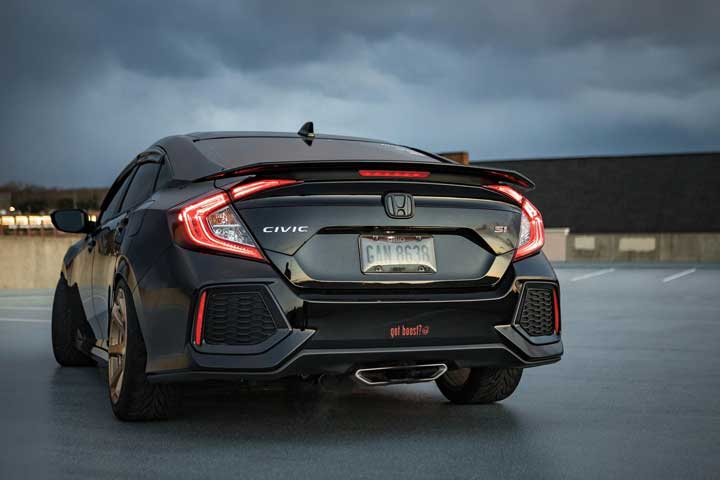
    When it comes to tuner cars, the Honda Civic is one of the most popular options out there. And it’s not hard to see why. The Tuner Honda Civic is relatively affordable, reliable, and easy to modify – making it a great choice for those looking to get into the tuner scene. As it is one of the most popular cars in the world. It’s been featured in countless movies and TV shows, and it’s even been the subject of a video game series.

    Make Tuner Honda Civic

    By following these steps, you should be able to make your Honda Civic faster and more furious in no time!

    1. Upgrade your tires
    2. Add a cold air intake
    3. Get a better exhaust system
    4. Install a header
    5. Improve your suspension
    6. Increase your redline
    7. Lighten up your car’s weight
    8. Use the correct fuel
    9. Tune your ECU
    10. Drive responsibly

    Each step will help improve your car’s performance, making it more capable on the track or street. With the right modifications, your Civic can be a true powerhouse. Let me give you a brief summary here.

    Tires are one of the most important aspects of any car, and that holds true for Civics as well. Upgrading to a quality set of tires can drastically improve your car’s grip and handling. This is especially important if you plan on hitting the track with your Civic.

    A cold air intake will help improve your engine’s efficiency by allowing it to breathe better. Not only will this add power, but it can also improve fuel economy.

    A better exhaust system will help your engine breathe even better and also add a nice little boost in power. It’s one of the most popular modifications for Civics, and for good reason.

    Honda Civic fast and furious

    Installing a header is one of the best ways to immediately improve your Civic’s performance. Headers help extract more power from your engine by allowing exhaust gases to flow more freely.

    They’re a bit more involved than some of the other mods on this list, but they’re well worth it if you’re looking for serious performance gains. Improving your suspension is another great way to improve your car’s handling and grip.

    Honda Civic faster

    This is especially important if you plan on hitting the track or taking your Civic on some twisty back roads.

    What Are Some Popular Modifications for the Tuner Honda Civic?

    • One of the most popular modifications for the Honda Civic is engine swaps. This involves swapping out the stock engine for a more powerful aftermarket option. This can be a great way to increase your Civic’s performance without breaking the bank.
    • Another popular modification for the Honda Civic is suspension upgrades. This can involve anything from adding coilovers or lowering springs to upgrading your shocks and struts. Suspension upgrades can help improve your Civic Handling and make it look more aggressive.
    • There are endless possibilities when it comes to modifying your Honda Civic. So whether you’re looking for a simple change or a complete transformation, there’s sure to be a modification that’s perfect for you.

    How to Make Your Honda Civic Faster and Furious?

    Not only modifying your Tuner, you can make it faster, make it more fuel-efficient, or make it more stylish. You can also make it into a race car, a drift car, or a street car. No matter what your goals are, there’s a modification for you.

    If you’re looking to make your Civic faster,there are a few things you can do. You can install a turbocharger, supercharger, or nitrous oxide system. You can also upgrade your engine components, such as your intake and exhaust. Or, you can simply tune your engine for more power. By installing a larger turbocharger or intercooler, upgrading the suspension and brakes, and making other tweaks, you can turn your Civic into a true street machine.

    When it comes to turbochargers, size matters. A larger turbo will flow more air and produce more power. If you’re serious about making your Civic fast, consider upgrading to a bigger turbo.

    Some Pro Tips You Need to Follow to Upgrade Your Tuner

    To get the most out of your upgraded turbo, you’ll need an intercooler. An intercooler helps to cool the air flowing into the engine, which means more dense air and more power. Again,bigger is better when it comes to intercoolers, so consider an upgrade if you’re looking to get serious about performance.

    Tuner Honda Civic

    The suspension and brakes are two other areas where upgrades can make a big difference. by upgrading to stiffer suspension components and bigger, better brakes, you can improve your Civic’s handling and stopping power. These upgrades will also help to keep your car planted on the road when you’re really putting the pedal to the metal.

    Let’s make these things more clear to you. If you are the owner of a Honda Civic and want to make it faster and more furious, then follow these.

    There are a few things you can do to achieve this.

    1. One way to make your Honda Civic fast and furious is to install a cold air intake. This will help to increase the airflow into the engine, which will in turn improve its performance.
    2. Another way to make your Civic faster is to install a larger throttle body. This will also help to increase the airflow into the engine, and thus improve its performance.
    3. Yet another way to make your Civic even faster is to install a high-flow exhaust system. This will help to improve the engine’s breathing, and thus its performance.
    4. Finally, you can also try to tune the engine itself for more power. This can be done by a number of different methods, such as changing the fuel map or the ignition timing. However, it is best to leave this kind of work to a professional if you are not confident in your own abilities.

    Finally, don’t forget about making some relatively simple tweaks like installing a short-throw shifter, upgrading the exhaust system, and adding some lighter wheels. These upgrades may not add a ton of power, but they can make your Civic more fun to drive. Using these tips, you can easily make your Honda civic fast and furious.

  • Top 10 Best Car Wash Equipment in 2022

    In this article we will discuss the best car wash equipment and provide the most favorable reviews In winter cleaning your car usually involves taking off salt and snow so that you can see where your way, but during summer the focus was on a meticulous approach.

    Dust, allergens, water and the typical road construction are but few things that could affect how you present your car. Instead of spending all the time for car washes, build a arsenal of items to keep your vehicle in top condition and save lots of money in the in the long run.

    Top 10 Best car wash Equipment


    VIKING Mesh Bug Sponge – ( $5.99 )

    VIKING Mesh Bug Sponge

    A bug-spray like this one is made to get rid of stuck contaminants such as bugs and tar stains without causing damage to the paint. You’ll only need to make use of this when it’s absolutely needed, but it’s definitely an excellent tool to keep in your.

    It’s made of a high-density material that is covered in microfiber mesh. It’s ideal for removing that nasty debris that builds up after several long drives.

    Buy Now

    Standard Waffle Weave Towels – $9.95

    Standard Waffle Weave Towels

    Waffle weave towels are a special type of microfiber towel that is ideal to clean glass. This particular one contains more than 300,000 fibers for every square inch. It is designed to stand up to hundreds of washes. Be sure to not apply your glass towels to the paint!

    Buy Now

    Griot’s Garage Paint Cleaning Clay

    Griot's Garage Paint Cleaning Clay

    This product, as per professional detailer Larry Kosilla, “The trick is to clay your paint during the wash process to utilize the water and soap lubrication already present on your paint.

    ” But you shouldn’t to use this product for every wash, but only in the case of paint that is rough and rough to the roughest of touch. The Griot’s Garage option offers 8 ounces. of clay that can be used.

    Buy Now

    Mothers Premium Lambswool Car Wash Mitt

    Mothers Premium Lambswool Car Wash Mitt

    Lambswool mitts are able to lift dirt from the paint’s surface instead of pushing it across, thus minimizing scratches that could occur using a regular sponge or a rag. Remember, even though this glove was designed to soak in water, you should always dry the product with air.

    BuyNow

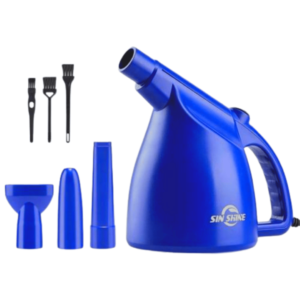
    SIN SHINE Compressed Air 3.0 Multi-Use Electric Air Duster

    SIN SHINE Compressed Air 3.0 Multi-Use Electric Air Duster 

    After drying your car with microfiber towels following an wash, sometimes there’s remaining water in areas such as your lights, mirrors, door jams, and many other difficult-to-access places.

    Electric or compressed air blowers such as this one are ideal for blowing water from those areas so that they can be dried more easily. Its “electric air duster” can blast at 67.5 mph, comes with an 10′ power cord and weighs just 1.9 2 pounds.

    Buy Now

    FAQ about The best car wash equipment with the best reviews:


    What do professional car Valeters use?

    Professional valeters employ mild citrus cleaners or non-caustic snow-foams and only for pre-rinsed, wet cars. The same applies to wheels. A professional valet should use an ph wheel cleaner that is specifically designed for the job that is gentler to the diamond-cut wheels made of aluminum. The shampoo you use is essential.

    What vacuum do car detailers use?

    The Vac N Blow Pro 83BA Professional vacuum cleaner is among the strongest vacuums for sale. This professional-grade vacuum cleaner is a great tool for auto detailers.

    How profitable is a car wash?

    The Houston Chronicle, reporting on a survey by Auto Laundry News, a top car wash industry publication and said that earnings can vary between 55,000-$100,000 annually for a self-service auto wash up to $500,000-$900,000 for an all-inclusive business

    How do car washes attract customers?

    • Use the Internet and Social Media. …
    • Implement a Frequent Buyer Program.
    • Host a Fundraising Event.
    • Make up Contests and Giveaways.
    • Offer a Referral Program to Your Car Wash Customers
  • Top 5 Steps : How to Choose the right car for You?

    Top 5 Steps : How to Choose the right car for You?

    This post will define How to Choose the right car for You? If you’re new to purchasing a car or haven’t made purchases in the past, it isn’t easy to figure out where to start. What do you do to locate the vehicle that will fit your needs over the future years? It’s just a matter of study and planning.

    Once you have a clear idea of the type of vehicle you’d like to own, you can decide whether you’d like to purchase an entirely new car, lease a brand new vehicle, or purchase a pre-owned vehicle.

    How will you be using the car?

    Consider the kinds of travels you take. If you’re likely to take a trip around town, the fuel efficiency could be an issue (few vehicles are best in stop-start traffic); however, you may want to consider a small vehicle to facilitate parking. Four-wheel drive is another option, but it is not required unless you plan to tow often or live off the beaten path.

    In the same way, the space you require? Do you require seven seats, or will the five-seater model that is cheaper suffice? Do you have enough room for your family or friends in the vehicle’s rear, and is the trunk big enough to accommodate the items you typically carry?

    A higher riding height would help you move in and out? If you own bicycles or canoes, could roof rails help? Asking yourself these questions helps narrow down your search criteria and ensures that you’re purchasing a vehicle that is suitable for your needs.

    Top 5 Steps : How to Choose the right car for You?

    Top 5 Steps : How to Choose the right car for You?

    Step 1: Assess Your Needs

    A “right car” depends on your personality and what you’d like from the car. We all like to stand out by our vehicles (“I’m wealthy and trendy” and “I’m earth-loving and retro”).

    Others prefer an exuberant drive at weekend getaways (“Give me more power and a louder motor”). In those instances, the practical aspect tends to be placed on how the car can make you feel.

    However, functionality is more important than flash for those who require the vehicle to carry out their daily chores. Here are some considerations to be aware of:

    • How many people do you require to transport?
    • What kind types of road driving do you practice? Do you prefer highway roads, surface streets, or off-road?
    • Are you a commuter with a lengthy commute? And, due to this, is your fuel efficiency essential to you?
    • Do you require All-Wheel Drive?
    • What are the features you would like to have? Consider backup cameras, seat leather, Apple CarPlay, etc.
    • How many safety functions are crucial to you? Do you require blind-spot monitors or lane departure alerts? Or automatic emergency braking, as an instance?

    Step 2. Set Your Budget

    If you’re not paying cash for your vehicle, it’s time to consider financing your lease or purchase. What is the maximum amount you can pay for your car’s monthly payment? The rule is that your monthly new car amount must not surpass 15 percent of your monthly salary.

    A second-hand car will be cheaper, but the same rules should be followed. If you’re planning to lease, you should aim for an annual payment of less than 10% of your home income.

    It is also important to add the additional seven percent from your monthly earnings to cover the cost of fuel and insurance expenses. A good understanding of your budget can help you negotiate the price of your next vehicle or truck.

    Are you unsure of what automobiles fall within the monthly installment? Check out Edmunds’ Edmunds affordability calculator that lists the types of cars that fall within the range of prices you’ve identified.

    Predetermined. Be aware that the prices shown on the results page will vary depending on your trim levels, the options, and finance and tax charges.

    Step 3. Decide If You Want to Lease or Buy

    Both buying and leasing have pros and cons, and how you feel about them can aid in deciding the best option for you.
    For instance, a lease has no or little down and provides lower monthly installments.

    However, when the lease expires, and you can no longer drive, you will have to shop again. However, buying a car is expensive initially, and the monthly installments are more expensive. However, when you have paid on the loans, you’ll have a vehicle that can drive for all the time it is running.

    Step 4. What to Look For in a Test Drive

    The car may appear to include all the features you’d like; however, the real test is when you’re in the driving seat. It is best to take a test drive in the vehicle the way you would in your daily life.

    If you work from home, test driving your car in moving traffic and highway speeds. If you plan to hike into the mountains, check whether you can spot nearby hills that are steep to climb. Be careful when driving on bumps, turn tight turns, and test your brakes in a safe area.

    In and out of your car several times. Make certain to sit in the back of the car, particularly if you intend to carry passengers. Take a look at the cargo area. If you intend to use car seats for children, bring yours to test their fitting and installation ease. Photograph the cars to use them as references later on.

    When you’re analyzing the car, do not get distracted. Make sure to take your time and read everything. An experienced salesperson will be respectful of the need to get behind the vehicle and allow you to concentrate on the experience of driving.

    Shut off the stereo to listen to the engine’s sound. You’ll be able to test the audio system after you get back to the dealer. If the conversation shifts to questions regarding what you’d prefer to discuss about leasing or purchasing, you can state that your car is still at the test-drive phase.

    Step 5. Weigh the Costs of Ownership

    Certain cars might be less expensive to purchase but more costly to own. Even if two vehicles are roughly the same cost, the one could appreciate faster or be more expensive to insure and maintain.

    Before you purchase the purchase of a vehicle, you must determine the long-term costs of ownership. This includes depreciation, maintenance, insurance, and fuel prices.

    Edmunds offers a fantastic assessment tool called the True Cost To own (r) (TCO (r)) that provides the information in a simple-to-read format. It can assist you in making an informed decision at the beginning, saving thousands of dollars for your car.

    Weigh the Costs of Ownership

    FAQ About How to Choose the right car for You?


    What is the safest color car to drive?

    The most secure car color is white. White cars have a lower 12% chance of having an accident than black cars in all weather and lighting conditions. White creates abundant contrast between the cars and the surrounding environment, making them easy for motorists to spot.

    What is the 3/6 second rule?

    Another popular method of calculating the following distance is to leave around 1 second for every 10mph of distance that follows. This means that you leave three seconds of distance following at 30 mph. Six minutes at 60mph and then on. The faster speeds will mean that drivers must leave longer following distances.

    How many miles is good for a used car?

    To determine if a vehicle can be used for a reasonable amount of time, it is easy to multiply 12,000 by the car’s age. This means that a good mileage for a vehicle that’s five years old is 60,000. A significant increase or decrease in mileage may indicate an issue or issue in the future.

    What car brand has the least problems?

    Buick, part of General Motors (GM) – Find General Motors Company Report, is the top-ranked brand with the least problems. Buick was rated 139 out of 100 vehicles.

  • How to Buy a Car Minus the Stress

    How to Buy a Car Minus the Stress

    In this article, we’ll discuss How to Buy a Car Minus the Stress. The process of purchasing an automobile is indeed a little difficult. It’s not something people look towards, but once you’ve cleared the reflections and fog, it’s not that difficult.


    Many things can be confusing; unfortunately, certain people employed in the field might take advantage of your confusion. But at the end of your day, you’ve just only one goal and one goal to get the top car at the lowest price.

    Top 5 Tips To How to Buy a Car Minus the Stress

    Top 5 Tips To How to Buy a Car Minus the Stress

    Step 1: BUDGET Keep it real

    You must be transparent regarding your finances (and the amount you make). How much do you budget? Be aware that purchasing a car is more than just paying for a monthly car loan.


    The running of a car requires additional expenses: registration fees, fuel insurance along with insurance, maintenance of the tires, oil, and more. Determine the total amount you’ll have to cover monthly for the total cost of your car.


    Step 2: Find the best models and makes that will meet the budget?

    Create a list of important things, including the safety rating and efficiency of fuel, Bluetooth, or typical maintenance costs. Use websites like kbb.com, nadaguides.com, cars.com, and edmunds.com to learn more about the cars and the models you’re looking at.


    Use the tools for comparison available on these sites to assist you in deciding on the right vehicle easier. Knowing what you plan to buy before shopping can make visiting the dealer easier.


    Step 3: PRE-APPROVAL Haggling with car dealers over price can be stressful

    It isn’t easy to know the amount you’re paying or if you’re required to take all the alternatives. The dealer assures you that there’s nothing to worry about because they will finance your entire purchase.


    However, in the blink of an eye, that car you found on the internet at an estimated $18,000 will likely cost more than $30,000. Instead, stop by your local credit union branch before you purchase to get preapproved financing. Tell the credit union what the amount of your budget for the month is.


    It is possible to rely on the credit union to approve the loan you can pay for. With preapproved financing within your budget to purchase an automobile, you’re in a position to make an informed decision on an affordable price for the car you’re interested in and not have to worry about whether you’ve overspent or if you’re capable of paying the monthly installments.


    Step 4: Test Drive It’s time to purchase.

    Check out the different dealership websites to find out what’s available. Be sure you have several choices available. The car that appears to be an amazing deal online could cost less than you thought when you get to the dealer.


    The most affordable deals are usually gone quickly. The first car you consider buying could have been sold! Try a test drive to ensure the car performs just as it seems! Don’t be enticed to purchase a vehicle just because you’ve used it to test drive. Take the time to think about your options. Make sure your choice can meet all or perhaps most of your needs, including your budget!


    Step 5 Buy The dealer will offer the Purchase Agreement or Buyer’s Order.


    You will then return to your credit union to end your loan. Let the anxiety go about repaying the loan. Consider using an auto-pay feature to ensure that each month’s installment is paid on time.


    This is it for the whole purchase of a car! If you have questions or need to ask any additional questions, contact us at our CSCU credit department at 936.295.3980. We are happy to help our members buy vehicles, trucks, and SUVs. We make it personal!

    Three Steps to Getting the Right Deal


    Make your study. Vehicle pricing is inconclusive. The price is displayed in advance and on the label for the vast majority of items you purchase.


    But this isn’t the case when buying an automobile, and the sticker placed on the car is only the beginning of the procedure. The information you require to make the right choice is just one click away.

    You’ve completed your research to find out the car you’d like to purchase, and now you want to find out what others have paid for the vehicle.


    You’re looking for what’s commonly referred to as”the “transaction price” or the “market price.” It’s the price you’d prefer to pay, maybe a little less, but not much more. Black Book is an excellent source. However, other reliable sources of actual prices are comparable to the market.


    You can get your financing preapproved. Many people fight with dealers by screaming and yelling to get them to lower the cost of their new purchase by just a few hundred dollars. They then offer it all back, and sometimes more, by signing up for an auto-financed financing plan from a dealer that is costlier than what is needed.


    Remember that you’re buying financing, so you should shop around to finance with similar attention as you would with your vehicle. The kind of research that can be mind-numbing is not required. However, a few mouse clicks to finance websites or a phone call to your bank should be.


    Be prepared to quit. After having done all those things, now that you’ve selected the vehicle, you’d like to purchase and calculate the price on the market and have arranged to finance.


    You are ready to take it to the dealer. It can be daunting; however, remember that you’re the only person who can accomplish it. You’ve got a good idea of what you’d like and know the price you’d like to spend and the money to complete the task. Get the most desirable car at the best price, or take a break.


    If your findings are inaccurate or your expectations (like buying a car for less than the price from the dealership) aren’t true. An alternative dealer in your area can likely offer the vehicle you’re searching for at your preferred price. That’s all there’s to it. Therefore, go out and purchase with confidence!

    FAQ about How to Buy a Car Minus the Stress

    FAQ about How to Buy a Car Minus the Stress


    Is it stressful to buy a car?


    In a survey in 2014 of more than 1000 Americans conducted by the auto website Edmunds, most said purchasing a car is more stressful than getting married or having your dating for the first time. It also revealed that 33% of respondents would rather pay taxes than be in the middle seat on an airplane. There’s no doubt that we’re having issues.


    Is having a car stressful?

    The driving experience can become stressful. Road safety issues and problems with your vehicle create stress in your daily life. Financial burdens, unexpected events on the road, and other common issues resulting from driving can increase your life’s stress levels daily. If you don’t have a vehicle, you can avoid these problems.

    What is the smartest way to finance a car?

    Get preapproved for an auto loan before taking the initial step on the dealership’s lot. “The best advice I can give to people is to get preapproved for a car loan from your bank, a credit union, or an online lender,” suggests Philip Reed. Reed is the editor of automobiles in the financial and personal site NerdWallet.


    What’s the worst interest rate for a car?


    The interest rate for people with bad credit ranges from 10.87 percent to 14.76 percent for a brand-new vehicle and 17.29 percent up to 20.99 percent or higher for a used car, depending on your credit score and the lender you have chosen.

  • Tips: How to Keep Your Car from Overheating

    Tips: How to Keep Your Car from Overheating

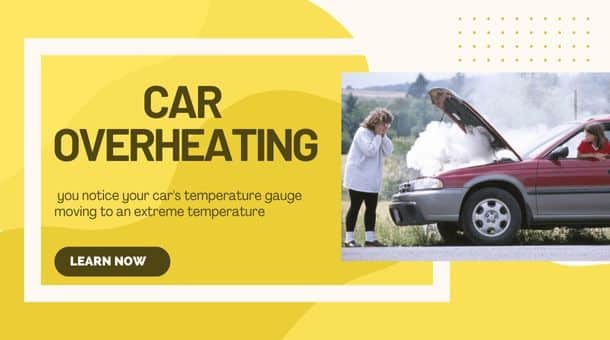
    Do not be alarmed if you notice your car’s temperature gauge moving to an extreme temperature. There is a many of factors that How to Keep Your Car from Overheating. However, the most prevalent issue is a low level of coolant, which is easy to fix.

    If you’re dealing with an even more significant issue is needed, you must get the vehicle taken to a repair facility and repaired by a skilled mechanic.

    HOW TO HANDLE ENGINE OVERHEATING?

    If you’re in the car and you notice that your engine starts to overheat, follow the steps below:

    • Switch off the air conditioner
    • This eases the load on your engine and could assist in keeping it under control.
    • The heater should be turned up, increasing the fan until it is at full speed.
    • It may sound counterintuitive, but this can help remove heat from your engine and allow it to breathe.
    • Complete the cooling system for coolant with either antifreeze or even water.

    In many cases, this will allow you to cool down the engine so that you can make it to the destination. Be aware that this may be temporary, so be aware of your engine.

    Be aware that because it is a source of hot water, Be cautious when removing the cap from the radiator. Allow a few minutes to cool down before removing the cap on the radiator. You can also use a rag to cover the cap to avoid steam burns.

    Rev it up

    If you’re stuck in the middle of traffic or at an intersection, put the car in neutral or park and crank the engine speed up to 1500 RPM to get air and water flowing throughout the radiator.

    Additionally, it would help if you reduced the temperature by avoiding the brake pedal while in traffic to prevent air from moving into the radiator.

    Do not pull over

    If your temperature monitor is still rising and rising, you should make a stop and contact a tow truck to stop further damage from happening to the engine. Unzip the vehicle’s hood and allow the engine to cool for at least 30 minutes before doing anything. Bring your car to your mechanic to make repairs.

    Tips: How to Keep Your Car from Overheating

    HOW TO HANDLE ENGINE OVERHEATING

    Making a note of a few tips while driving will help prevent permanent damage to your engine down the road.

    • Make sure you check the coolant levels of your car regularly
    • You can keep an extra bottle of fresh antifreeze as well as an ounce of water within your vehicle
    • Be aware of your car’s temperature when you travel
    • Don’t over-use the car’s air conditioner in extremely hot temperatures.
    • Assist in cooling the engine through running a temperature at the first indication of excessive heat.
    • Check the owner’s manual for the most current information regarding coolant flushes.

    Overheated engines are an indication of a major problem. Regular inspections of your vehicle’s maintenance will assist in identifying issues early before causing irreparable damage to the vehicle.

    If you have questions about your vehicle’s cooling and coolant systems, We’re here to help you at the closest Goodyear Auto Service location.

    Signs of car overheating

    Signs of car overheating

    • One of the symptoms could be that the heater in the vehicle is not warming up, suggesting that the engine’s thermostat is shut or the coolant is not flowing properly.
    • A glance at the gauge for temperature can aid in the process. If the gauge for temperature is higher than normal, it is time to check it out.
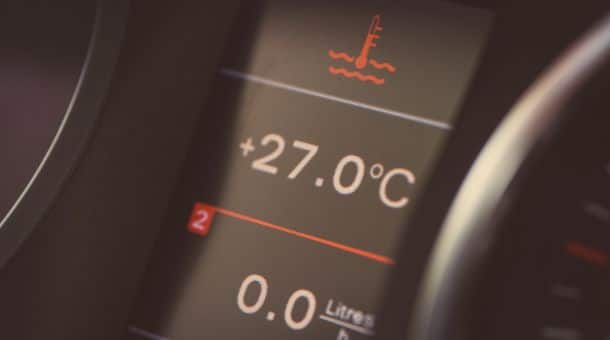
    • Additionally, the warning light for temperature could appear. If this does happen, you’ll know that it’s serious.
    • The same goes for sudden spouts of steam underneath the hood. It is typically a sign that a hose for the radiator has ruptured.
    • Additionally, a vehicle that is too hot may stall more often.

    Vehicle overheating problems and their effects

    The primary consequence of vehicle overheating could result in damage to the engine. In the case of businesses, this can mean unexpected repair costs.

    It could also mean the vehicle is going to be removed from service for a time in addition. The knock-on consequences of that can be the most difficult for fleet-operating businesses. Why? Because it could lead to the consequences of delays, for example, delivery or service calls.

    Before you reach this point, there’s the matter of basic safety for passengers, drivers, and cargo, depending on the kind of business. To monitor things like temperature warning lights and the indicator for the engine lights.

    It’s beneficial for fleet managers and small-scale business owners that manage an entire fleet to utilize an app for managing fleets. With Veturilo, you can access the vehicle’s engine warnings on your smartphone. This way, you’ll be able to keep track of vehicles and act quickly when issues arise.

    How to Keep Your Car from Overheating  

    How to Keep Your Car from Overheating  

    It is the best option to follow. It is possible to be aware of the condition that your vehicle is experiencing by bringing regular inspections by an expert in automotive.

    It is important to check the coolant level regularly and ensure that it is always at the correct level. Regular maintenance is especially important in the event of an extended road trip, as your vehicle is likely to be more susceptible to overheating when moving. Keep a repair kit in your vehicle to conduct maintenance yourself if required.

    The Bottom Line

    How to Keep Your Car from Overheating, don’t try to drive any further. Stop driving, pull over and shut off the engine. The steps can be taken to identify any issues, but the best option is to take the car to the closest Goodyear Auto Service.

  • How to Repair Maintain and Care for Your Car

    How to Repair Maintain and Care for Your Car

    In this article, we’ll explain How to Repair Maintain and Care for Your Car? Properly maintaining your vehicle is essential to keep it in good condition. It will also keep you safe, your safety, and the safety of your guests and other drivers. Here are some tips to ensure your vehicle is running without a hitch.

    How to Maintain a Car?

    Conducting the proper types of car maintenance will not only allow it to maintain its value, but it will aid in keeping it secure and secure. Regular maintenance on your car involves various tasks that might not all be

    Top 10 How to Repair Maintain and Care for Your Car

    Look for application-specific needs in your owner’s manual. While many of your vehicle’s routine maintenance is common to all vehicles, some could be specific to your vehicle’s specific model, make, or year. Go through the owner’s maintenance schedule guide to ensure you don’t forget any crucial ones.

    Certain vehicles require their timing belts replaced at every particular mileage interval. If you don’t, you could cause damage to the head of the cylinder. If you don’t have an owner’s handbook, you can visit the manufacturer’s website for more information.

    How to Maintain a Car?

    Drive with care every day

    Becoming car-friendly shouldn’t stop even after the incident. Take care to drive daily; your car will give you longer periods of time with no repairs.

    • Don’t race the engine of your vehicle during its initial start-up. It is easy to add years of wear and tear to your engine, particularly if it’s cold outside.
    • Start slowly as you begin your drive. The greatest wear on the drive train and engine is seen in the first 10 – 20 minutes of use.
    • Warming the engine up by sitting in the driveway isn’t ideal. The engine doesn’t perform at its maximum temperature, leading to insufficient combustion of the fuel, soot accumulation on the cylinder’s walls, and oil-based contamination. This can eventually lead to damaged components.
    • Reduce the strain on your vehicle’s engine and the automatic transmission by switching to neutral when there is a red light. Otherwise, the engine will continue to push the car when it’s stopped.
    • Beware of fast driving at high speed and acceleration, especially when it’s cold or extremely hot outside. Such driving behavior can lead to the need for more repairs.

    Inspect and maintain tires

    Awareness of how to maintain the tire pressure in your car will help decrease wear on your tires and help ensure that you’re getting the most mileage from your gas. Checking your tire’s tension includes getting the pressure you should be using, examining the PSI, and then inflating or deflating your tire accordingly.

    A flat tire can be risky and could cause harm to the car and you. There are many precautions you can do to prevent a tire blowout. These include changing your tires every 5,000-10,000 miles and keeping an eye out for recalls of tires.

    Change the oil

    Regularly checking and changing the oil in your car is crucial to ensure that your engine is in good working order. Examine your oil every month and then change it according to the owner’s manual of your vehicle.

    It is possible to change the oil by yourself or bring it to a repair center. If you decide to make it yourself, you must know the steps to drain the fluid, establish the proper oil level, and dispose of the old oil.

    It is also important to know what kind that motor oil will be the best for your vehicle regardless of whether or not you change the oil on your own or bring it to a dealer. It generally looks at three aspects: the viscosity of your oil, whether you should use synthetic or non-synthetic oils, and the mileage of your car.

    Clean your car frequently

    Every every day, our vehicles are exposed to salt, sun grease, grime, sulfur dioxide, acid rain, dead bugs, tree sap, and, perhaps most importantly, the acidic compound from bird Poop Bombs.

    These things can eat away at the paint, and when they’re gone, they will begin to eat the metal inside your car. Although not washing your vehicle won’t cause any immediate damage, over time, the elements will start to ruin your car and increase its potential resale value.

    What is the best frequency to clean your vehicle? It depends. Climate and location are the two most important factors that determine the frequency.

    If you’re in an area that has lots of pollution and salt from the sea in the air, you’ll have to wash your car at least two every month. A one-time monthly car wash will suffice if you’re located inland and in an area with less pollution. In the winter, it is possible to clean your car more often than during summer because of the salt, snow, and mud accumulating as you drive along icy roads.

    Check the fluids

    Many fluids must be kept at the proper levels to ensure that your car operates properly. Based on Popular Mechanics, your mechanic or you should be sure to check:

    • Engine oil
    • Coolant
    • Power steering fluid
    • Brake fluid
    • Transmission fluid

    Leaks in any of these fluids could impact the way your vehicle runs. If you find the presence of a leak, you could be in a position to discern the fluid’s source in its color. This will allow you and your mechanic to determine the source of the leak. It will also speed up repair time.

    Swap out your air filter every year.

    The air filter stops particles and dirt from entering the engine from outside. Most filters require to be replaced every year. However, some filters made by aftermarket manufacturers can be cleaned rather than replacing them. Locate the airbox on the top of an intake line that is connected to on top of the engine. Remove the 2 to 4 clips that keep it shut, and then open the top of the box to access the filter. [3]

    The filter is merely a part of the box that holds air. You can remove it by hand and place the new one back in its spot.

    Close the air box once more and then use clips to lock the lid.

    Preserve your car during long-term storage

    Preserve your car during long-term storage

    If you don’t plan to be using your vehicle for longer than a month, you should store it correctly to avoid unnecessary damage and repairs after your return.

    • The tank should be filled to stop condensation from building up inside the tank. Use a fuel stabilizer, and move the car around slightly to distribute the additive to the engine components.
    • Clean and wax the car thoroughly to ensure the car’s finish is protected.
    • Install a vapor barrier on the garage floor. A drop cloth of 4 mil polyethylene can be used.
    • Remove the parking brake to prevent corrosion the brakes.
    • Place the car on jack stands so that it can lift all the load of your car off the tires and wheels.
    • Remove and disconnect the battery to prevent it from being drained. Set the battery up on an electric trickle charger. It is also possible to drain the battery regularly by using a tiny light bulb. Then recharge it using a low voltage charger.
    • Connect the tailpipe using an absorbent rag to stop moisture air from entering it.

    Wax to protect your car’s paint job

    It’s a fact! Waxing your car is a job. But it’s an enjoyable job that will maintain your vehicle’s appearance fresh. Car wax protects paint by reducing oxidation and creating a barrier to sap, bird droppings, and other pollutants. Also, driving a beautiful car is simply fun.

    Here’s how to make sure you are protected to the highest degree:

    • Liquids and spray waxes are appealing to use. They make your car shiny and require less effort than applying pasty wax. But there’s still no way to beat pasty wax when it comes to the strongest and longest-lasting finish. Make sure you choose a paste with high content of carnauba wax.
    • Apply a thin, even layer of wax to the car’s surface with a damp sponge. Avoid applying too often, or it’ll be difficult to get rid of, and some of the residues will ruin your finish.
    • To avoid scratches, use a clean, soft microfiber or cotton cloth to take off the wax once the wax has dried.
    • Apply a second coat of wax on the hood and nose. The wax film on these areas is worn away quickly.

    Check engine oil at every other fill-up

    To ensure a precise reading, you should follow the following procedure:

    • You can drive or run your car for around 15 minutes to heat the oil. Park the vehicle in a place that is level. Switch off the engine and wait 15 minutes for the engine’s oil to drain into the pan.
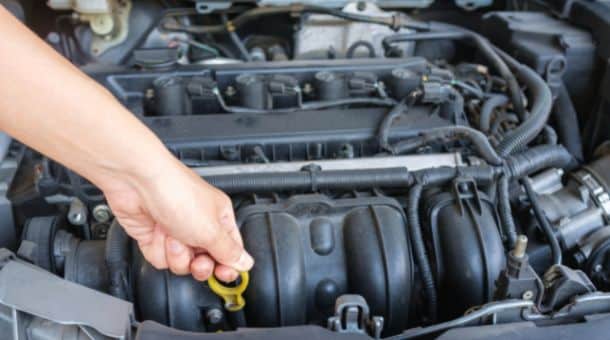
    • The dipstick should be removed and cleaned it using either a rag or paper towel. Reinsert the dipstick, push it to the fullest extent, and remove it to determine the level of oil. It should be between the hash marks at the bottom of the dipstick.
    • If needed, incorporate the amount and type of oil in the owner’s manual.

    How to Repair Maintain and Care for Your Car

    FAQ about How to Repair Maintain and Care for Your Car


    What maintenance does a car need every year?

    Regular maintenance of the mechanical system, such as replacing spark plugs and belts, drive belts, timing chains or belts, and changing the air and fluid filters, is essential to detect problems and keep the engine operating at the level it should.

    Which part is most important in the car?

    Engine It is among the most crucial components of a vehicle, and the efficiency of the vehicle relies on it. It is said it is the core of all vehicles. It is a complicated machine designed to convert the heat generated by burning gas into force which turns road wheels.

    What are the different types of maintenance?

    • Reactive (run-to-failure)
    • Pre-determined maintenance.
    • Maintenance preventive.
    • Corrective maintenance.
    • Condition-based maintenance.
    • Predictive maintenance.

    When should you stop repairing a car?

    If repair costs begin to go over the value of the vehicle or the cost of one year’s monthly payments for a replacement, then it’s time to get rid of your vehicle; as per the automotive website Edmunds along with Consumer Reports, the product review website.