Tag: how to increase

  • How to Increase Car fuel Average?

    How to Increase Car fuel Average?

    How to Increase Car fuel Average?

    Since gas prices continue to increase, increasing the efficiency of your vehicle is the most effective method to safeguard your pocketbook. Here are some ways How to Increase Car fuel Average? by boosting your vehicle’s efficiency when using it.

    What is fuel efficiency?  

    The term “fuel efficiency” is often used in the automotive industry. It generally refers to the capability of a vehicle’s engine to pull enough power from the fuel.

    Vehicles capable of obtaining more energy from fuel are deemed to be efficient in their use of fuel. Investing in vehicles that are fuel-efficient always proves to be worth the investment.

    How to Increase Car fuel Average?
    How to Increase Car fuel Average?

    Adjust the car tires at the right pressure. 

    Properly inflated tires will reduce the fuel consumed by up to 3 percent. Your tires also lose approximately 1 PSI each month. Additionally, when they have a cold temperature (e.g., during the winter), their pressure decreases due to the thermal expansion that the air undergoes.

    It is recommended that you check your tires every month at the very least weekly. A properly inflated tire can also prevent unbalanced wear to the tread.

    Some fuel stations are equipped with automatic air compressors that shut off at an arbitrary level. (For security reasons, double-check the pressure using the gauge you have at home, particularly when someone else suggests you add a shockingly large quantity of air.)

    Small permanently-installed valve-stem extensions can allow filling without removing the caps, but check that they are not prone to jamming with foreign matter and leaking.

    The suggested inflation pressures are only for cold tires. It is advised to pump them early in the morning, or if you’ve driven less than two miles, so the reading is accurate.

    If you’ve driven around for a while, or it’s hot outside, you should add 3 PSI. Inflate the tire to the pressure recommended by your car’s owner’s manual or the sticker on your driver’s doorpost. Note that the number stamped on the tire indicates the highest tire pressure, not the recommended one.

    Tune your engine

     A properly tuned engine will increase its power and dramatically improve fuel efficiency. Be aware that some tuners remove efficiency measures when tuning to increase power.

    Make sure you keep good spark plugs in your engine. Changing the oil every 4 hours, changing the oil at a regular interval, making sure that the air filter is clean, and so on. 

    The Tanking-Up Process = Weight Gain

    One Litre of Fuel equals I Kilograms of added weight, and more weight means more fuel burned(no need for rockets here)

    When filling up your fuel, fill it halfway and keep your tank over one-quarter full. The downside of this practice is that if the fuel levels are low, you may stress your vehicle’s fuel pump more. However, having a half-full tank could increase the mileage of your car. Anything that is 20 miles per gallon.

    Make your driving efficient, reduce expenses for fuel, and help the environment. These tips may seem too extreme (even impossible for certain), but you must take the necessary steps to reach 20 miles per gallon!

    P.S. The author is a petrol nut and generally doesn’t worry much about fuel efficiency. He can be patient and efficient when he needs to, like when writing this lengthy piece.

    Still not getting 20kmpl? Sell your car for the most affordable price to the best price to CARS24!

    Concentrate on your driving style

    The force you exert on your pedal will increase your fuel consumption. That you use and your driving habits are directly linked to the efficiency of your vehicle.

    Expert on fuel economy Helen Taylor suggests drivers pay attention to how smoothly they drive to decrease the amount of fuel used.

    “Driving smoothly is vitally important. Avoid excessive acceleration and overbaking since you’d like to use less energy,” she adds.

    Acceleration gradually and braking quickly (where possible) are two strategies that will help you save on petrol. If you’re driving an automatic car, ensure you’re in the right gear and avoid retaining high revs for long periods.

    Reduce your burden.

    Get the most lightweight car that can meet your requirements. Weight is among the most significant causes of loss of kinetic energy when driving non-hybrid vehicles.

    If you’re not in the market for cars, you should take the extra weight off of the car you’re currently driving. If seats aren’t used can be removed, remove them. If you are using your trunk as a storage place for bulky items, you should find a new place for the things.

    The extra 100 pounds increase the consumption of your vehicle by about 2%. (Weight is crucial when driving stop-and-go. In most highway driving, weight matters very little.

    Once the car is at its speed, it is only required to move air out of its way.) Do not take things out of inside the car that you frequently use and instead ensure you have them in your car and easily accessible since unnecessary trips to retrieve or replace them could be far more expensive than a few miles less.

    Choose the smallest possible tires for your car that will meet your driving style and needs. 

    Narrow tires have a lower frontal area and thus reduce aerodynamic drag. Be aware, however, that narrow tires offer less traction, too (which is the reason race cars come with such large tires). Don’t buy the wrong tire for your tires (use the same size tires as the vehicle). Also, don’t purchase smaller wheels unless the manufacturer has approved.

    Select low-rolling-resistance compound tires

    These can increase fuel economy by a few percent. However, the improvement isn’t significant or an alternative to the proper inflation. It’s not wise to replace the tires of the previous tire with new ones before they become exhausted.

    Take into consideration other transportation options

    Reducing your dependence on using your car isn’t just an excellent method to reduce your fuel consumption. It could be very liberating and a boon for your overall health. It also allows you to cut down on other costs, like parking.

    If you’re planning to reduce time spent in the car, It’s worth looking into:

    • Going between the grocery store and home, If you’re only looking for only a couple of things
    • Make use of the lockers and showers at the office and bicycle to work
    • Make sure you share the driving duties with local colleagues or friends and carpool your most frequent journeys.

    Calculate the Fuel Average Accurately

    A lot of people are aware of how to calculate the fuel average. However, some make the mistake of doing it wrong. This is the correct method to determine the fuel efficiency of automobiles.

    • Fill the tank up to the maximum.
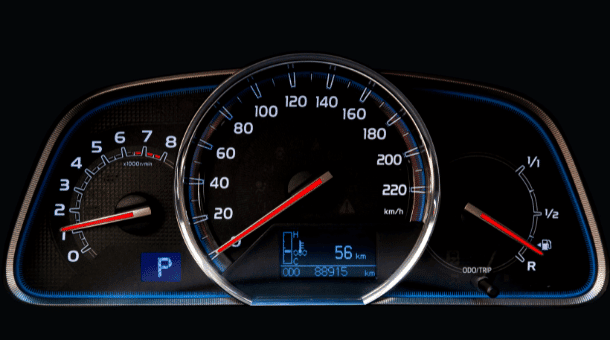
    • Keep track of your distance (reading on the Odometer) and reset your trip meter.
    • When you next visit the station for petrol, make sure you fill your tank to the maximum (at the same amount that you did before).
    • Take note of your number (km) in the trip meter. You can also subtract the reading of the last measurement (km).
    • Be aware of the number of Liters.
    • Divide the number of miles by the liters of fuel you bought (km/l).
    • You’ll see kilometers per liter of your car from the tank refill.

    Bonus Tips

    Avoiding bumps and rough roads will also help save fuel since rough roads cause more friction for the tires. This means that the engine needs more fuel to keep its speed. A smoother and more pliable road is a good option for those thinking about increasing their miles.

    How to reduce the amount of fuel consumed by the car is a common topic. It is, however, more crucial now that the price of petrol is high. One thing to remember is to be aware of the different strategies included in this article. These tips can help you achieve the most fuel efficiency out of your car.

    Why do cars consume more fuel at higher speeds?

    Speeding up increases fuel consumption and reduces fuel efficiency because of the resistance to rolling tires in addition to the resistance to air.

    Although vehicles can achieve their maximum fuel efficiency at various speeds, the gas mileage typically declines dramatically at speeds of more than 50 miles/hour (mph).

    What are the standards for a fuel-efficient vehicle?  

    The majority of cars aren’t fuel-efficient. Some guidelines define what constitutes a vehicle that is efficient in fuel use. In the ideal scenario, a car can be labeled as efficient if it consumes less than 6 liters of fuel every 100 kilometers.

    These fuel-efficient vehicles are Suzuki Alto, Suzuki WagonR, and Suzuki Cultus.

    What makes up the cost of fuel? Percentage
    Fuel duty 35%
    Cost of petrol to the supplier 33%
    VAT 17% (VAT is charged at 20% but makes up 17% of the cost of fuel)
    Retailer’s profit 8%
    Cost of biofuel content (for example E10) 7%
    Supply and delivery 1%

     All the models featured offer fantastic fuel efficiency.

    How Do You Determine the amount of fuel you use

    You’ll never know whether your new driving style and abilities are working until you know your car’s mileage per gallon (mpg). Certain cars are equipped with computers, but they’re not always reliable.

    When you are filling up your car, then fill it up until it is full and then take note of:

    • The mileage you’ve accumulated since the last time you filled it up
    • The volume of fuel you use
    • The price per liter of fuel

    Make use of the calculator for fuel consumption in the following:

    • or, to figure it out by yourself:
    • Tank up until it reaches the top
    • Zero the counter for trips
    • The next time you refill, take note of the distance you traveled
    • Refill the tank and take note of the number of litres that are that you have put in
    • Divide the kilometers driven per liter of gasoline consumed by Liters (miles per liter)
    • To convert the figure into miles per gallon, multiply it by 4.544
  • How To Increase Car Life – Tips for A Car’s Long Life

    How To Increase Car Life – Tips for A Car’s Long Life

    How To Increase Car Life – Tips for A Car's Long Life

    We have compiled the best car care tips, tricks and expert advice to Increase Car Life. Drivers want their car to last for as long as they can. You want your car to last as long as possible. Make sure you check the fluid levels, change them regularly, and keep it clean.

    Top Best Tips to Increase Car Life

    After you have purchased your dream car, you should not think about maintenance and service. It’s still brand new! Even though you won’t need it right away, it will impact your future car costs.

    You can prolong the life of your car by maintaining it properly. CarAdvise can help you with all things car maintenance. We’re sharing 10 top car maintenance tips to help you keep your car in good condition.

    Take your time during the break-in period

    Take your time during the break-in period

    Now that you have purchased your dream car, you want it to last as long as possible and be in the best condition. These are some tips to keep in mind as you take your dream car off the dealer’s parking lot.

    • During the break-in period, which typically lasts 1,000 miles (1600 km), you should keep your speed below 55 mph (88 km/h) or the recommended speed by your car’s manufacturer.
    • Avoid towing trailers or heavy loads on your drivetrain. Also, don’t load the trunk or roof rack with bulky construction materials.
    • Your new car should not be left idle for too long. This is a good idea for the car’s life, especially break-ins. This could cause oil pressure to build up that isn’t reaching all engine parts.
    • For the first few hours, only use light to moderate acceleration. Keep the engine RPMs at 3,000

    Take care of yourself every day

    After a break-in, you should continue to be car-friendly. Your car will thank you for taking care of it every day and that you drive with more care each day.

    • Please do not start your car up, racing its engine. This can quickly cause engine wear, especially in cold weather.
    • When you start your drive, accelerate slowly. The first 10 to 20 minutes of operation is when the engine and drivetrain are most worn.
    • Heating the engine in the driveway is a bad idea. This causes incomplete fuel combustion, soot deposits and oil contamination on the cylinder walls and eventually damage the components.
    • Shift to neutral at red lights to reduce strain on your engine. The engine will still push the car forward even if it is stopped.
    • Don’t drive at high speeds or accelerate quickly, especially if it’s hot or cold outside. This will cause more frequent repairs.
    • Take care when driving. You can extend the life of your tires by being careful. Be aware of posted speed limits. Avoid sudden stops, starts, and turns. Avoid potholes and other road hazards. Don’t run into curbs or strike the tire against the curb when parking. Don’t burn rubber.
    • Don’t turn your steering wheel in an extreme left or right position for more than seconds. This can cause damage to the power-steering pump.
    • Combine your short driving trips. The majority of wear and tear and pollution that your car produces occur within the first few minutes. Do multiple errands simultaneously during low traffic hours to keep your happy engine longer. These tips could save your life. )

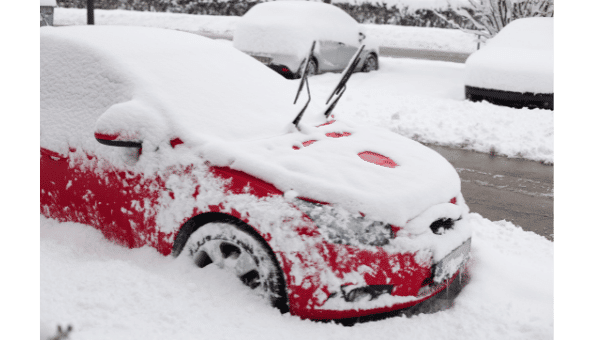
    Cold Days: Let your car warm up properly

    Cold Days: Let your car warm up properly

    You would likely stretch first if you were going to run on a 30-degree day. Why drive your car on a cold, chilly day without warming it up?

    Cold weather can be very hard on a car’s motor. Because the battery has a lower charge, it takes more energy to turn on an engine. It is harder for moving parts to function when the oil is thick and cold. Gasoline can be harder to burn when it is cold.

    What should we do when it is cold outside? Most people will wait for the engine to warm up in the garage or carport until it is outside the “cold” zone. This is not a good idea.

    The engine heats up slowly when the car is idle, even though it’s not doing much. Cold engines produce more hydrocarbon pollution than your catalytic convert (the device that cleans tailpipe emissions) can handle. The catalytic converter can be damaged if the car is left idle with more hydrocarbons. This will cause poor mileage and pollute emissions.

    Turn your engine on, wait 30 seconds to one minute, then drive the car gently until it warms up. Five minutes may be sufficient if the temperature drops below zero.

    Regularly check the battery in your car

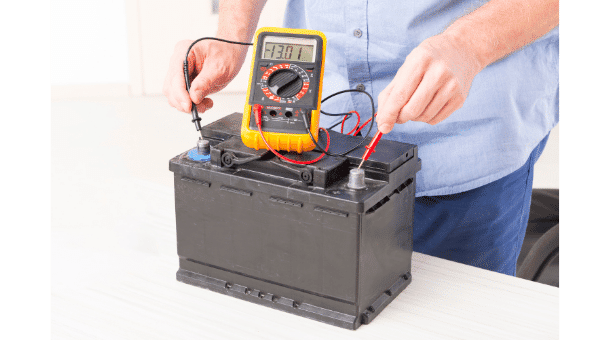
    Regularly check the battery in your car.

    The battery will go flat if it isn’t used for a long time. If your car is stored in a garage for a long time, you might consider using a trickle charge to maintain its battery.

    If your battery goes flat, jumping start a car can put additional strain on it and cause damage to the engine management system. This is a double-whammy: increased wear. You can look after your battery by driving your car every day, especially in winter.

    Properly Shift Gears

    Properly Shift Gears

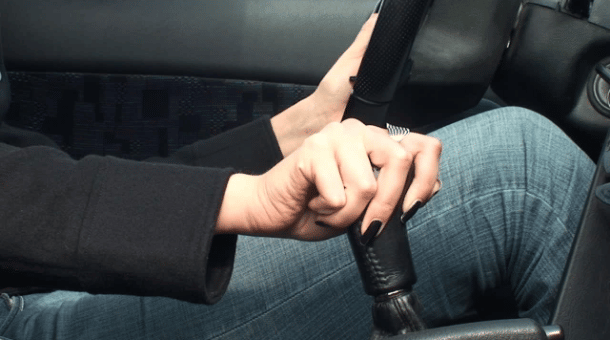
    This tip is primarily for drivers of cars with manual transms. You can shift your car with an automatic transmission. However, it is still important to set the correct gear.

    These tips also work with newer transmissions, such as dual-clutch or Tiptronic.

    When driving, it is important to choose the right gear. If you have a manual transmission, driving in a higher gear than your speed or RPM range can cause the car to shake and move slowly. This is commonly called “lugging”. Lugging can cause unnecessary strain on the engine and result in costly repairs.

    It’s also a good idea not to use excessive engine brakes. Engine braking occurs when you drive in a higher gear and then shift to lower. Then, take your foot off of the gas pedal. This causes the car’s RPM to rise and slow down, even without the brakes.

    Engine braking effectively slows the car down and makes it easier to turn corners. However, excessive wear can cause engine damage. When you have to slow down, you can use the brakes and shift to a lower gear once you reach the desired speed. This puts less strain on the transmission and clutch parts.

    Check Fluid Levels Regularly

    Check Fluid Levels Regularly

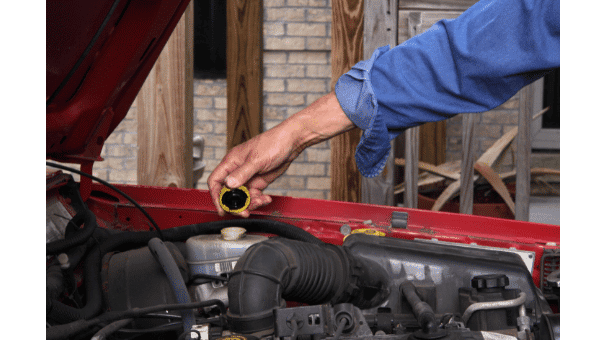
    You should regularly check the levels of your antifreeze and oil and transmission fluid, brake fluid, and power steering fluid. It is a good time to check your fluid levels when you refuel.

    Even if your car isn’t leaking fluids right now, they can happen at any moment. You can check the fluid levels frequently to identify the problem. It is also important to check the colour of certain fluids.

    You can see through some of the tanks, while others have dipsticks. You can choose from pink, green, or blue antifreeze. Some have dipsticks, and others have transparent plastic tanks that you can see through.

    Normal oil will range from slightly clear to slightly brown when new. The oil that appears milkshake-like or white may indicate oil that has been contaminated with coolant or antifreeze.

    If this happens, you should have your vehicle serviced immediately. Transmission fluid should be bright red and not smell burnt. Flushing your transmission fluid is recommended if it smells or looks burnt.

    It can cause damage to your transmission if it gets too bad. You may also have an internal transmission problem if your transmission is having trouble shifting or engaging in gears.

    Change air filters regularly

    Change air filters regularly

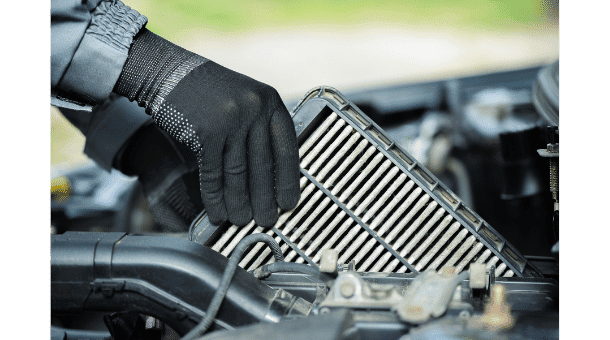
    It is important to change your car’s oil and air filters regularly. These should be replaced as part of regular car servicing. However, these jobs are fairly simple – especially an air filter swap. You might also save some money by doing it yourself.

    Washing the filter can also prolong its life. For more information on cleaning and changing your filter, consult your manual. Only use genuine parts. Inferior quality filters could damage your engine.

    Cleaning and Cover your Car

    Cleaning and Cover your Car

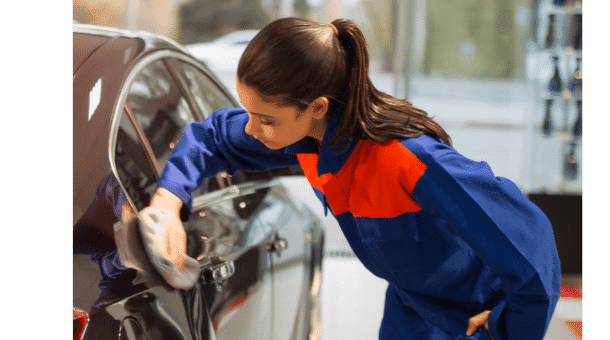
    The wear and tear of dirt and sunlight can cause car paint to lose its shine. It’s important to have your car covered when you park in the lot. This will prevent paint from being damaged by heat, dust, bird droppings and insects.

    To preserve the paint’s shine, it is important to clean your car frequently and apply wax polish. A high-pressure jet can be used to clean your car once a month, or you can have it professionally detailed. A car with poor paintwork will have a lower resale price. You can reap the benefits of investing in paint maintenance now.

    Change oil regularly

    Change oil regularly

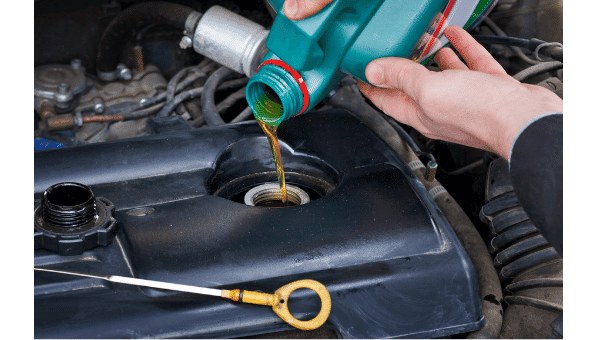
    Although cars can run longer without changing their oil, you shouldn’t neglect your duties. The combustion chamber protects the engine components from damage by oil.

    The oil can collect metal flakes and filter them through. But, they are limited in their ability to do so much. Your oil filter will lose effectiveness as it collects more oils.

    This is similar to a sink that has been clogged with rice, lettuce, fruit pits and other soggy nastiness. Remember that oil burns faster in some cars, so use caution when using the dipstick. This is not a sign that we are being dirty.

    Do NOT speed up when you start

    Do NOT speed up when you start

    Letting your inner Michael Schumacher out on public roads is a bad idea. Driving too fast can cause gas to be lost, increase emissions, and put you at risk of being ticketed or in an accident.

    Did you know that excessive speed can also be harmful to your engine? This makes your engine work harder and requires more fuel. It also forces pistons and other moving parts into a higher gear than they should.

    For most cars and trucks, the ideal speed to cruise is between 50-55 miles per hour (80.5-88.5 kilometres per hour). To cruise at 60 mph (96.6 km/h), you need about 73 per cent more horsepower.

    It takes almost 160 per cent more horsepower to cruise 70 miles an hour (112.7 km per hour) [source: GPS Direct]. Imagine how hard your engine must work to produce that much power.

    You will be able to travel 55 miles an hour (88.5 km per hour), which is far slower than the speed limit for most American motorists. Certain highways in some states have speed limits of 80 miles per hour (128.7 kilometres per hour). It is important to keep your speed low and maintain a safe speed to reduce engine wear.

    Rotate your tires regularly and keep them inflated

    Rotate your tires regularly and keep them inflated

    Your tires play an important part in keeping you and your passengers safe and optimizing your fuel economy. It is important to take care of your tires and replace them.

    Tires leak air. You need to check your tire pressure regularly, especially if you don’t have a tire monitoring system that does the job automatically. You should add air to your tire when it is cold and not after it has been heated up by driving for a considerable distance.

    Rotating your tires can prolong the life of your tires. However, it would help if you didn’t spin the tires. Depending on your vehicle, you will need to move them either from the side of the front.

    If you feel your car pulling in one direction when you drive down the road, it is time to correct your alignment.

    Drive with Lighter Loads

    Drive with Lighter Loads

    Heavy-duty pickup trucks often have powerful engines and a lot of torque. Because they are designed to haul and tow loads that are many times their weight and size,

    However, smaller cars and engines are less capable of towing large objects. They might not have the power and torque to move boats, trailers or other vehicles properly.

    Like many other items, Towing large objects puts extra strain on your engine. This can cause damage to parts and reduce engine life. Your engine’s life can be reduced by towing over hills or on rough roads.

    Always consult your owner’s manual if you have any questions about towing restrictions. You should have the right vehicle to handle any towing you may need.

    Towing is possible, but it also reduces the engine’s load. This will also help you get more gas mileage. Also, don’t load your car with heavy or bulky items.

    These steps will help you save money and keep your car in good condition. Other benefits include improved fuel economy and less wear on other parts of the car, such as the brakes and transmission.

    Before they become big problems, fix the little things

    A car’s alignment can be fixed before it becomes a major problem. A car owner who ignores an alignment issue for too long can spend hundreds of dollars on repairs once the problem is fixed. The same logic applies to many small problems that eventually require attention and money.

    Get a Warranty when Buy New car

    Get a Warranty when Buy New car

    We don’t endorse any particular brand, but it is common sense to suggest that if repairs are required to a vehicle, they can be put on someone else’s credit card. This sense of financial freedom makes it easier to keep your wheels on for longer periods.

    Do not ignore the small things

    Keep an eye out for small problems that might develop over time. You might feel a little vibration growing stronger each week. It only happens for a short time, and it is usually not noticeable.

    Some parts are designed to let you know when to replace them. If your brakes are worn out, you might notice a squeal in them or a scratch when replacing the pads. Safety is another important aspect of keeping your car in good condition. An accident or the need for a replacement car can propel you into the high-priced market.