When you take your car for a detailing service, it’s not just about maintaining its appearance; it’s also about appreciating the detailer’s hard work and skill.
Tipping is a common practice to show gratitude for a job well done, but many people are unsure how much to tip. However, knowing how much to tip can be confusing, especially if you’re unfamiliar with the etiquette.
In this article, I will discuss the basics of tipping car detailers and provide some guidelines to help you determine the appropriate amount.
What Factors Determine Car Detailing Costs?
When determining car detailing costs, several factors come into play that can influence the final price. Here are five key factors to consider:
Vehicle Size and Condition
The size of the vehicle is a significant factor in determining detailing costs. Larger vehicles, such as trucks or SUVs, typically require more time and materials to detail compared to smaller cars. The vehicle’s condition, including dirt, stains, and scratches, can also affect the cost.
Detailing Package
Car detailing services often offer different packages that include varying levels of cleaning and restoration.
Basic packages may include exterior washing and interior vacuuming, while premium packages may include waxing, polishing, and leather conditioning. The more comprehensive the package, the higher the cost.
Location
The cost of car detailing can vary depending on the location. Detailing services in urban areas or areas with a higher cost of living may charge more than those in rural areas.
Additionally, local competition and demand for detailing services can also impact pricing.
Specialized Services
Some detailing services offer specialized services, such as paint correction, ceramic coating, or pet hair removal, which can add to the overall cost. These services require specialized equipment and expertise, contributing to higher pricing.
Additional Services
Additional services, such as engine cleaning, headlight restoration, or odour removal, can also increase the cost of car detailing. These services are often add-ons to standard detailing packages and are priced accordingly.
Tipping a car detailer is a gesture of appreciation for their service, but there’s no strict rule for how much to tip. The general guideline is to tip between 10% and 20% of the total cost of the detailing service.
For example, if the detailing service costs $100, a tip of $10 to $20 would be appropriate. However, tipping is ultimately up to your discretion based on factors like the quality of service, time and effort, and your satisfaction with the results.
If you feel the detailer went above and beyond, you might consider tipping on the higher end of the scale.
FAQS
Can I tip my car detailer in cash?
Yes, cash is the most common form of tipping for car detailers. However, some detailers may also accept tips through mobile payment apps or credit cards.
Is it necessary to tip if the service is subpar?
While tipping is typically based on the quality of service, it is not strictly necessary to tip if the service does not meet your expectations.
However, providing feedback to the detailer about your experience can help them improve their services.
Should I tip extra for exceptional service?
Tipping extra for exceptional service is a nice gesture to show your appreciation. If you feel that the detailer went above and beyond, consider tipping on the higher end of the scale.
Can I tip my car detailer with a gift instead of cash?
While cash is the most common form of tipping, you can certainly tip with a gift if you prefer.
Just make sure that the gift is appropriate and something that the detailer would appreciate.
Conclusion
Tipping a car detailer is a thoughtful gesture to show appreciation for their hard work and the quality of service provided.
While there is no strict rule for how much to tip, a tip between 10% and 20% of the service’s total cost is generally considered appropriate.
Factors such as the size and condition of the vehicle, the detailing package chosen, and any additional services required can also influence the tip amount.
Ultimately, tipping is a personal decision; the most important thing is showing gratitude for a well-done job.
Extending a car lease can be the best option if you’re not quite ready to part ways with your car. This process allows you to continue driving the car for an extended period, typically after the original lease term has ended.
In this article, I will explore the ins and outs of extending a car lease, including how to do it, what to consider, and alternative options if extending your lease isn’t the right choice for you. So let’s get started!
What are my lease extension options?
When extending your car lease, you may choose between an informal lease extension and a formal lease extension.
Informal Lease Extension
An informal lease extension is a simple agreement between you and the leasing company to extend the lease for a specified period.
This option offers flexibility, allowing for adjustments to the lease terms such as the duration of the extension and any changes in monthly payments.
The process for an informal extension is usually simple and may not require extensive paperwork.
However, it’s important to note that informal extensions may need more legal clarity and protection than a formal agreement provides.
Formal Lease Extension
A formal lease extension requires signing a new lease agreement that outlines the terms and conditions of the extension.
This option offers legal clarity and protection for both parties, as the terms of the extension are clearly defined in the new agreement.
Formal extensions may have more restrictions than informal ones, such as limitations on the duration of the extension and the ability to modify lease terms.
The process for a formal extension is typically more involved, often requiring the completion of paperwork and adherence to specific guidelines set by the leasing company.
The choice between informal and formal lease extensions depends on your flexibility and legal protection preferences.
When Should You Extend a Car Lease?
If your lease return date is approaching and you’re uncertain about your next steps, our financing team is here to assist you. Extending your lease for a brief period may be a wise decision if:
When you’re happy with your current car and don’t want to commit to a new one.
If you’re not ready to decide between buying a car.
When you need more time to save up for a down payment on a new car.
If your lifestyle or driving needs haven’t changed and your current car still meets your requirements.
When you want to avoid the hassle of shopping for a new car and negotiating a new lease or purchase agreement.
If you’re unsure about your plans and want to maintain flexibility.
When you want to avoid penalties for exceeding your lease’s mileage or wear and tear limits.
How Can I officially extend your car lease?
To officially extend your car lease, follow these steps:
Contact Your Lender
Reach out to the leasing company or lender before your lease expires. Inquire about their lease extension process and the options available to you.
Review Your Lease Agreement
Carefully review your current lease agreement to understand any provisions related to lease extensions. This will help you understand the terms and conditions you must follow for the extension.
Negotiate the Terms
Discuss the terms of the lease extension with the leasing company. This may include the duration of the extension, any changes in monthly payments, and any additional fees associated with the extension.
Sign the Extension Agreement
If you and the leasing company agree, you must sign an extension agreement to formalize the new lease term. Read the agreement carefully and ask questions if you’re unsure about any terms.
Return the Agreement
Return the signed extension agreement to the leasing company per their instructions. Keep a copy of the agreement for your records.
Continue Making Payments
Continue making your lease payments as outlined in the extension agreement. Failure to do so may result in penalties or termination of the lease extension.
Is Extending Your Car Lease a Good Idea?
Extending your car lease can be a good idea in certain situations, but it’s important to know the pros and cons before deciding. Here are some factors to consider:
Extending your lease can provide a temporary solution if you need more time to decide on your next car or financial situation.
You’re already familiar with the vehicle, which can be beneficial if you’re happy with its performance and features.
Extending your lease can help you avoid penalties for excess mileage or wear and tear if you’re not ready to return the car.
Cons
Extended leases often come with higher monthly payments and overall costs than a new lease or purchase.
Extending your lease locks you into the exact vehicle, limiting your ability to upgrade to a newer model or switch to a different type of vehicle.
As the vehicle ages, you may be responsible for more maintenance and repairs, which can increase costs.
Things to consider before buying your lease
When contemplating buying out your lease, assessing various factors is important. Start by calculating the total cost, including any fees or charges.
Evaluate the current market value of the car and its condition, affecting its worth. Review the lease agreement for buyout terms and any restrictions.
Explore financing options and consider how buying outfits fits into your long-term plans. If possible consult with a tax advisor to understand the tax implications. By carefully considering these factors, you can make a well-informed decision.
FAQS
Some frequently asked questions about Car leasing are:
How do I calculate the total cost of buying out my lease?
Add any buyout fee, remaining lease payments, and additional charges or fees to calculate the total cost.
What factors should I consider when evaluating the market value of my leased vehicle?
Factors include the make, model, mileage, condition, and market trends for similar vehicles.
Can I negotiate the buyout price or terms with the leasing company?
Yes, in some cases, you may be able to negotiate for a lower buyout price or better terms.
Are there any tax implications for buying out my lease?
Consult with a tax advisor to understand any potential tax implications, such as sales tax or deductions.
How can I determine if buying out my lease is right for me?
Consider your financial situation future plans, and whether buying out aligns with your goals.
Comparing costs and benefits with alternative options can also help.
Conclusion
Buying out your lease requires careful consideration of cost, market value, vehicle condition, lease terms, financing options, plans, negotiation opportunities, and tax implications.
By thoroughly evaluating these factors, you can make a sound decision that aligns with your financial goals and circumstances.
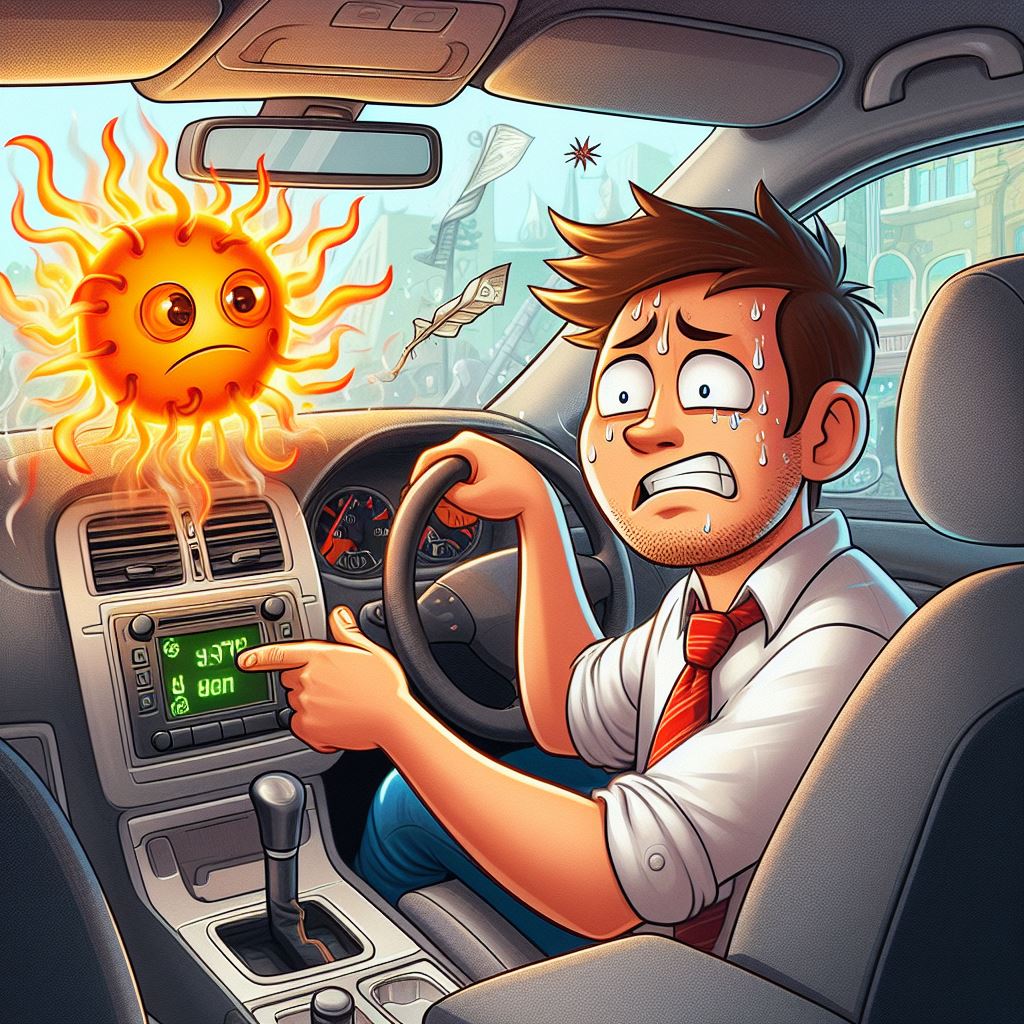
Driving in the summer heat without AC can quickly make your commute uncomfortable. If your vehicle’s air conditioning system is blasting hot air instead of cooling things down, it can ruin your journey.
Understanding the potential causes and solutions for this issue is key to staying comfortable and safe on the road.
When temperatures soar, you rely on your car’s AC to keep the cabin cool and pleasant. But it becomes a real problem when it pumps out hot air. We’ll explore some common reasons why this happens, and how to get it fixed.
Low refrigerant levels are among the leading causes of hot air from your car’s AC. The refrigerant absorbs heat from the cabin air, cools it, and recirculates it back inside the vehicle.
When your car’s refrigerant level is low, this process can be interrupted causing warm air to blow out from the vents.
Faulty Compressor
The compressor is the heart of your car’s AC system and is responsible for pressurizing and circulating refrigerant. If the compressor fails or malfunctions, it can lead to hot air blowing from the AC.
Common issues with the compressor include leaks, clutch failure, or mechanical breakdown.
Blocked Air Filters
Air filters that are dirty or clogged may limit airflow into the AC system thereby reducing cooling efficiency. Over time, dust particles accumulate, and debris obstructs cold air from flowing into the cabin.
Therefore, one must frequently clean or replace these filters to alleviate this problem.
Electrical Issues
Electrical problems such as faulty relays, fuses, or wiring can disrupt the functioning of your car’s AC system.
If certain electrical components fail or malfunction, it can prevent the AC compressor from engaging, resulting in hot air blowing from the vents.
Leaking Refrigerant
Refrigerant leaks are another common cause of hot air blowing from the car’s AC. Over time, the AC system may develop leaks due to worn-out seals, hoses, or components.
A refrigerant leak not only affects the cooling performance of the AC but can also damage other system components.
DIY Troubleshooting Steps
If your car’s AC is blowing hot air, you can perform DIY troubleshooting steps to identify and possibly resolve the issue before seeking professional help.
Check Refrigerant Levels
Check the refrigerant levels in your car’s AC system using a pressure gauge or refrigerant leak detector. If the level is low, you may need to recharge the system with refrigerant.
However, follow manufacturer guidelines and safety precautions when handling refrigerant.
Inspect Compressor
Inspect the AC compressor for any signs of damage, leaks, or abnormal sounds. If you notice any issues, such as oil spots or unusual noises coming from the compressor, it may need to be repaired or replaced by a qualified technician.
Clean or Replace Air Filters
Remove and inspect the air filters for dirt, debris, or clogs. If the filters are dirty or clogged, clean them using compressed air or replace them with new ones according to the manufacturer’s recommendations.
Check Electrical Connections
Inspect the electrical connections, relays, and fuses associated with the AC system for any signs of damage or corrosion. Tighten loose connections and replace faulty relays or fuses to ensure proper electrical supply to the AC components.
Look for Refrigerant Leaks
Carefully inspect the AC system, including hoses, fittings, and components, for any signs of refrigerant leaks. Use a UV dye or refrigerant leak detector to identify leaks, and repair or replace damaged components as necessary.
When to Seek Professional Help
DIY steps not working? Feeling unsure about complex repairs? It’s wise to get professional help. Certified mechanics and HVAC techs have special knowledge, proper tools, and loads of experience.
They can find and fix tricky AC problems efficiently. Don’t risk making things worse, call the experts.
To prevent your car’s AC from blowing hot air in the future, consider implementing the following preventive maintenance tips:
Regularly inspect and maintain your car’s AC system, including refrigerant levels, compressor, and air filters.
Keep your car parked in shaded areas whenever possible to reduce the load on the AC system.
Avoid running the AC at full blast immediately after starting the engine; instead, gradually increase the fan speed to allow the system to cool down gradually.
Schedule periodic AC system inspections and maintenance with a qualified technician to catch and address potential issues early on.
FAQS
How often should I recharge my car’s AC system refrigerant?
The frequency of refrigerant recharge depends on various factors, including the car’s age, usage patterns, and existing leaks.
It’s recommended to consult your vehicle’s manual or a qualified technician for specific guidelines.
Can I use DIY AC recharge kits available in auto parts stores?
While DIY AC recharge kits are available, they may not always provide a long-term solution to refrigerant leaks or other AC issues.
It’s best to consult a professional technician for proper diagnosis and repair.
Is it normal for the AC to emit a musty odor?
A musty odor from the AC vents could indicate the presence of mold or mildew in the system.
It’s essential to have the AC system inspected and cleaned to eliminate any potential health hazards and improve air quality.
What should I do if my car’s AC blows cold air intermittently?
Intermittent cooling issues could be due to various factors, including electrical problems, compressor issues, or refrigerant leaks.
It’s advisable to have the AC system inspected by a qualified technician to identify and address the underlying cause.
Can I drive my car with a malfunctioning AC compressor?
While it’s technically possible to drive with a malfunctioning AC compressor, it’s not recommended.
A faulty compressor can further damage the AC system and compromise driving comfort. It’s best to have the issue addressed promptly by a professional technician.
How can I tell if my car’s AC compressor is faulty?
Signs include unusual noises, oil spots, or insufficient cooling. Consult a technician for inspection if you notice these symptoms.
Why does my car’s AC system emit a buzzing or humming noise?
A buzzing or humming noise from the AC system could indicate issues with electrical components such as relays, switches, or the compressor.
These issues may disrupt the proper functioning of the AC system, leading to hot air blowing from the vents. Consulting a professional technician for diagnosis and repair is recommended in such cases.
How can I prevent refrigerant leaks in my car’s AC system?
Regular maintenance and inspections prevent leaks. Ensure seals, hoses, and fittings are in good condition.
What are the dangers of driving with low refrigerant levels in my car’s AC system?
Low refrigerant strains the compressor, causing potential damage and discomfort. Address promptly to prevent further issues.
Can extreme temperatures affect my car’s AC performance?
Extreme temperatures can affect AC performance. Proper insulation and shading and regular maintenance help mitigate these effects.
Conclusion
Experiencing hot air blowing from your car’s AC can be frustrating, especially during hot summer days.
By understanding the common reasons behind this issue and following the troubleshooting steps outlined in this article, you can diagnose and address the problem effectively.
Remember to prioritize regular maintenance and seek professional help to ensure your car’s AC system remains in optimal condition.
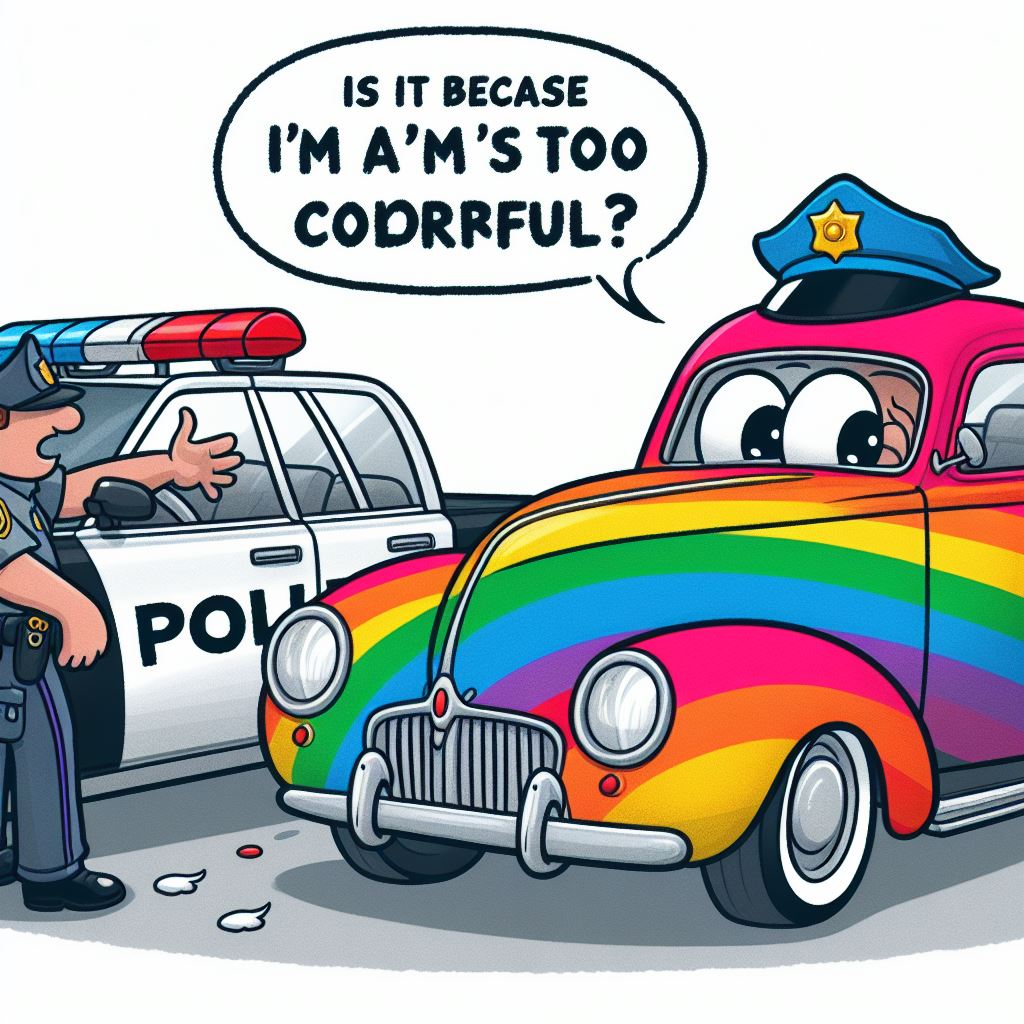
Have you ever considered whether your vehicle’s color could influence how frequently you get stopped by the police?
The question has fascinated many drivers. Although it might not be clear cut, a reasonable amount of evidence indicates that some colors are more likely to attract attention from law enforcers.
This article investigates the interesting connection between vehicle colors and police stops, considering psychological, statistical, and social reasons.
It is inquired if the color of your car can matter when you are going against traffic laws.
It has been interesting to many people who drive on our roads; however, it may not necessarily be an easy answer but there is a logical conclusion that is backed up by hard evidence that certain shades are more favored by cops than others.
This article will explore the intriguing relationship between car colors and police stops as we delve into psychological factors, statistical variables, and social aspects.
Understanding Police Perception
Law enforcement officers are not immune to the influence of colors. The psychology of color suggests that certain hues can evoke specific emotions and perceptions.
For example, vibrant colors like red may be associated with speed and urgency, leading officers to pay closer attention to vehicles of such hues.
Additionally, societal stereotypes often link darker colors with suspicion or criminality, further shaping police perception.
The Psychology of Colo
Colors evoke various emotions and perceptions; law enforcement officers are not immune to these influences.
Studies have shown that specific colors are associated with speed, aggression, or recklessness, potentially leading officers to pay closer attention to vehicles of those hues.
Association with Crime
Furthermore, societal biases often connect specific colors with criminal activities. For instance, darker shades like black or dark blue may unfairly prompt suspicion, increasing scrutiny from law enforcement.
Studies and Statistics
Numerous studies have delved into the correlation between car color and police stops. While findings vary, some research suggests that colors like red, black, and grey are more likely to attract police attention.
Research Findings
Research findings on the link between car color and police stops have yielded mixed results.
While some studies indicate a correlation between specific colors and an increased likelihood of being pulled over, others find no significant association.
Factors Influencing Police Stops
Factors beyond color alone can influence police stops, including vehicle type, driver behavior, and even time of day. However, color remains a significant variable in the equation.
The prevalence of specific car colors varies across regions, influencing police perception. Additionally, cultural biases shape societal norms and expectations, impacting how law enforcement perceives particular colors.
Geographic Variations
The prevalence of specific car colors varies across regions, influencing police perception. What might be considered normal in one area could stand out in another, impacting the likelihood of being pulled over.
Cultural Bias
Cultural biases also play a significant role in police perception. What one community deems suspicious, another might not, highlighting the subjective nature of law enforcement practices.
Tips for Car Owners
While individual preferences should dictate car color choices, being aware of potential consequences is essential. Opting for neutral or lighter shades may reduce the likelihood of attracting unwanted attention.
Choosing Car Colors Wisely
When selecting a car color, consider factors such as visibility, personal preference, and potential societal biases. Opting for colors that blend in with the surroundings or are commonly seen on the road may decrease the likelihood of drawing unwanted attention.
Mitigating Risk Factor
Beyond color choice, maintaining your vehicle, adhering to traffic laws, and practicing safe driving habits can help reduce the risk of being pulled over by law enforcement.
Staying informed and proactive is critical to minimizing potential encounters with the police.
FAQS
Does the color of my car affect insurance rates?
Car color typically doesn’t directly impact insurance premiums, but factors like the car’s make, model, and safety features do.
Are specific car colors safer than others?
Safety depends more on driver behavior and vehicle condition than color. However, lighter colors may be more visible in low-light conditions.
Can I repaint my car to avoid police attention?
While changing your car’s color is an option, it’s essential to consider the legal and financial implications and whether it genuinely addresses underlying issues.
Are police officers trained to profile based on car color?
Law enforcement training typically focuses on behavior and situational awareness rather than car color alone, although biases may still influence individual perceptions.
Is there empirical evidence linking car color to traffic violations?
Research findings on this topic are mixed, with some studies suggesting correlations between specific colors and increased traffic violations, while others find no significant association.
Are there specific colors that police officers target more frequently?
While research indicates specific colors may attract more attention from law enforcement, it’s essential to note that factors like driver behavior and vehicle condition also play significant roles in police stops.
Can the color of my car affect my interactions with law enforcement officers?
While car color may influence initial perceptions, law enforcement training emphasizes focusing on behavior and situational awareness rather than color alone.
Does the time of day impact the likelihood of being pulled over based on car color?
While studies haven’t specifically examined this factor, factors such as visibility and lighting conditions may indirectly influence police perception of car colors.
Are there regional differences in how law enforcement perceives specific car colors?
The prevalence of specific car colors varies across regions, potentially impacting police perception and the likelihood of being pulled over.
Can societal biases affect how law enforcement officers perceive car colors?
Society stereotypes and biases can influence perceptions of car colors, potentially leading to disparities in law enforcement interactions based on vehicle color.
Conclusion
While the color of your car may not guarantee a police stop, it can undoubtedly influence law enforcement perception.
Understanding the complexities of color psychology, societal biases, and statistical trends empowers car owners to make informed decisions and navigate the roads confidently.
By considering these factors and adopting proactive measures, drivers can minimize the likelihood of attracting unwanted attention from law enforcement.
Moreover, addressing broader issues, such as systemic biases within law enforcement and promoting community engagement, can create a fairer and more equitable system.
Both drivers and law enforcement agencies need to recognize the impact of implicit biases and work toward fostering mutual understanding and trust.
While car color may play a role in police stops, it’s just one piece of the puzzle. By focusing on responsible driving habits, vehicle maintenance, and promoting inclusive policing practices, we can strive towards safer roads and a more just society for all.
Remember, whether your car is red, black, or any other color, responsible driving, and respect for traffic laws are paramount.
When a car is stolen, it can be stressful. One of the first questions that may come to mind is, “How long will it take for the police to find my car?”
Understanding the process of a stolen car investigation can help alleviate some of the uncertainty and provide insight into what to expect.
In this article, I’ll explore the steps involved in a stolen car investigation and the factors influencing how long it takes to recover a stolen vehicle.
How Long Does a Stolen Car Investigation Take?
When a car is stolen, the investigation process can vary depending on various factors. Here’s a detailed look at what to expect:
1. Reporting the Theft
The first step in the process is to report the theft to the police. Provide as much detail as possible, including the make, model, color, and license plate number of your vehicle.
The police will use this information to create a report and enter your vehicle’s information into national and local databases to alert other law enforcement agencies.
2. Initial Investigation
After you have reported the theft, the police will begin their initial investigation. This may involve gathering information from you, such as where and when the theft occurred, as well as any witnesses or surveillance footage that may be available.
The police will also examine the theft scene for evidence to help them track down your vehicle.
3. Search and Recovery Efforts:
Once the initial investigation is complete, the police will begin their search and recovery efforts.
This may involve conducting patrols where stolen vehicles are commonly found and using surveillance techniques to locate your vehicle.
The police may also seek the public’s assistance by issuing alerts and posting information about the stolen vehicle on social media.
4. Investigation Continues
As the investigation continues, the police will follow up on any possible leads. This may involve interviewing witnesses, analyzing evidence, and collaborating with other law enforcement agencies if the vehicle crosses jurisdictional boundaries.
The goal is to track down your vehicle and recover it quickly.
5. Recovery or Resolution
Once your vehicle is located, the police will work to recover it and return it to you. If a suspect is apprehended concerning the theft, legal proceedings will follow to hold them accountable for their actions.
6. Timeframe
The timeframe for a stolen car investigation can vary widely depending on the circumstances of the theft.
In some cases, vehicles are recovered within a few days of being stolen, while in others, it may take several weeks or even longer to locate the vehicle and apprehend the suspect.
The duration of a stolen car investigation can vary greatly depending on the case’s specifics.
Factors such as the availability of resources, the complexity of the investigation, and the cooperation of the public all play a role in determining how long it will take for law enforcement to recover a stolen vehicle.
While the process can be frustrating, remaining patient and cooperative with the authorities is important.
By reporting the theft promptly and providing as much information as possible, you can help expedite the investigation and increase the likelihood of recovering your vehicle.
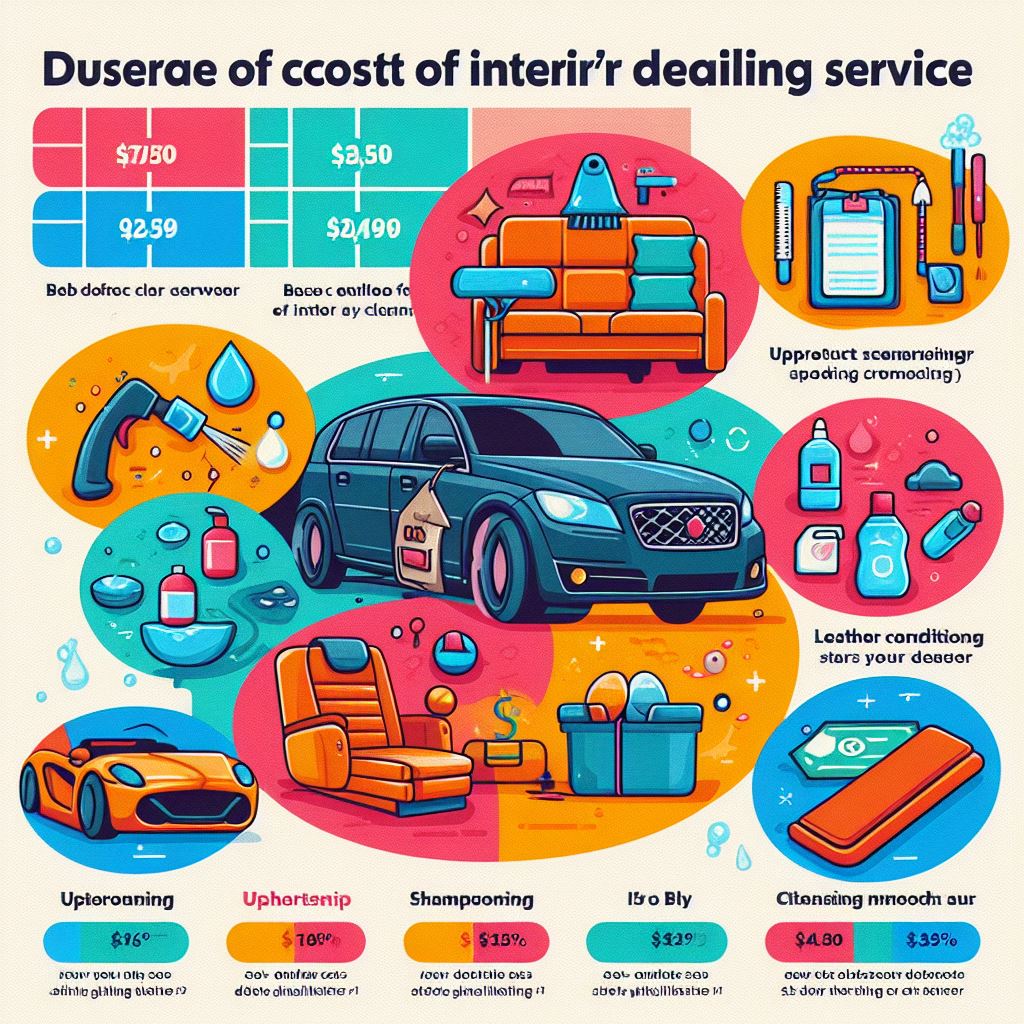
Interior car detailing is essential for maintaining the cleanliness and aesthetics of your vehicle’s interior. However, the cost of this service can vary significantly based on several factors.
As car enthusiasts, Owners often lavish attention on our vehicle’s exterior by polishing the paint, waxing the surface, and ensuring it gleams in the sunlight. But what about the interior?
The place where we spend countless hours commuting, road-tripping, and singing along to our favorite tunes deserves equal care. Enter interior car detailing, the art of rejuvenating and maintaining the inside of your car.
This guide delves into interior detailing costs’ nitty-gritty, demystifying the process, and reveals why it’s more than a superficial makeover.
What Is Car Interior Detailing?
Interior detailing goes beyond a cursory vacuum and wipe-down. It’s a meticulous process that aims to transform your car’s cabin into a haven of cleanliness, comfort, and aesthetics.
Imagine stepping into a vehicle that smells fresh, boasts spotless upholstery, and gleams with renewed vitality. That’s the magic of interior detailing.
Factors Influencing Interior Car Detailing Costs
When considering interior car detailing costs, several factors come into play:
Vehicle Size Matters
The size of your car plays a significant role in determining the cost of interior detailing. Let’s break it down:
Small Vehicles (Coupes, Hatchbacks, Sedans):
Expect to pay at least $200 for a thorough interior detail.
Medium Vehicles (Crossovers, Wagons):
Prices start around $250.
Large Vehicles (SUVs, Small Trucks):
You’re looking at $300+.
Extra Large Vehicles (3-row SUVs, Large Trucks, Minivans):
Prepare for a bill of $350+.
Condition of the Interior
The condition of your car’s interior also affects the cost of detailing. If your vehicle’s interior is heavily soiled, stained, or has accumulated dirt over time, it may require more extensive cleaning, leading to increased costs.
A comprehensive interior detail can range from $175 to $250.
Services Included in Interior Car Detailing
The specific services you choose will impact the overall cost of interior detailing. Basic services, such as vacuuming and surface cleaning, are generally more affordable, while additional services like stain removal, Odour elimination, and leather treatment may incur extra charges.
Location
The cost of interior car detailing can vary depending on your location and the prevailing market rates. Urban areas with higher living costs may have higher detailing prices than rural areas.
Average Cost of Interior Car Detailing
On average, interior car detailing costs range from $50 to $150 for standard vehicles. However, prices can go up to $200 or more for larger vehicles or premium services.
Different Types of Interior Car Detailing Services
Interior car detailing encompasses various services tailored to meet different needs:
Basic Interior Detailing
Basic interior detailing includes vacuuming, dusting, and wiping down surfaces to remove dirt and debris.
Deep Cleaning and Stain Removal
Deep cleaning services involve thoroughly cleaning carpets, upholstery, and mats to remove stains and grime.
Using specialized techniques and products, odor elimination services target unpleasant smells, such as cigarette smoke, pet Odours, or food spills.
Leather Treatment
Leather treatment services focus on cleaning and conditioning leather seats to maintain appearance and durability.
Fabric Protection
Fabric protection treatments create a protective barrier on upholstery to repel spills and stains, prolonging the lifespan of interior surfaces.
DIY & Professional Interior Car Detailing Costs
DIY interior detailing may seem cost-effective, but professional detailing offers superior results and saves time and effort in the long run. DIY kits may cost less upfront but often lack the expertise and equipment necessary for thorough cleaning.
Tips to Save Money on Interior Car Detailing
let’s discuss them
Bundle Services
Opt for package deals or bundled services to save money on multiple detailing services.
Regular Maintenance
Maintain a regular detailing schedule to prevent the buildup of dirt and grime, reducing the need for extensive cleaning.
Choose Wisely
Compare prices and services different detailing providers offer to find the best value for your budget.
Importance of Regular Interior Car Detailing
Regular interior car detailing not only enhances the appearance of your vehicle but also improves air quality and preserves the value of your investment.
By removing dirt, allergens, and contaminants from the interior surfaces, detailing helps create a healthier and more comfortable driving environment.
Some frequently asked questions about Car interiors are :
1. Is interior car detailing necessary for new vehicles?
Yes, Interior car detailing is essential for new vehicles to maintain their pristine condition and preserve their value over time.
Regular detailing helps prevent the buildup of dirt, stains, and Odours, ensuring a clean and comfortable driving experience.
How often should I detail my car’s interior?
The frequency of interior detailing depends on various factors such as usage, environmental conditions, and personal preference.
However, it’s generally recommended to detail your car’s interior every three to six months to keep it looking its best.
Can interior detailing remove tough stains and Odours?
Professional interior detailing services utilize specialized techniques and products to effectively remove tough stains and Odours from carpets, upholstery, and other interior surfaces.
However, the success of stain and Odour removal may vary depending on the severity and type of stain.
Are there eco-friendly interior detailing options available?
Many detailing providers offer eco-friendly cleaning products and techniques for environmentally conscious customers.
These products are safe for the environment and your vehicle’s interior, effectively cleaning without harsh chemicals.
How long does interior car detailing take?
The duration of interior car detailing varies depending on factors such as the size of the vehicle, the extent of cleaning required, and the detailing services chosen.
On average, a thorough interior detailing session can take two to six hours.
Can interior detailing improve air quality inside the car?
Interior detailing helps remove dust, allergens, and contaminants from the car’s interior surfaces, improving air quality.
This can contribute to a healthier and more comfortable driving environment for passengers.
What is the difference between basic and premium interior detailing services?
Basic interior detailing typically includes vacuuming, dusting, and surface cleaning, while premium services may include deep cleaning, stain removal, Odour elimination, leather treatment, and fabric protection.
Premium services offer a more comprehensive cleaning experience and may be tailored to specific needs.
Final Words
In conclusion, understanding the intricacies of interior car detailing costs provides car owners valuable insight into maintaining their vehicle’s cleanliness and aesthetic appeal.
While the price tag may vary depending on vehicle size, interior condition, and desired services, the investment in professional interior detailing is well worth it.
By delving into the nitty-gritty of interior detailing, one can appreciate its transformative power beyond mere surface-level cleaning.
From vacuuming and steam cleaning to leather treatment and Odour elimination, each service creates a haven of cleanliness, comfort, and aesthetics within the car’s cabin.
Moreover, recognizing the importance of regular interior car detailing goes beyond cosmetic benefits.
It also promotes better air quality, prolongs the lifespan of interior surfaces, and preserves the vehicle’s value over time.
Whether opting for professional services or DIY methods, prioritizing interior car detailing is crucial to maintaining a healthy and enjoyable driving environment.
In essence, interior car detailing is not just about making the car look good, it’s about enhancing the overall driving experience and preserving the integrity of the vehicle’s interior.
By investing in regular maintenance and choosing the right detailing services, car owners can ensure that their vehicle’s interior remains clean, comfortable, and inviting for years to come.
Car detailing is like deep cleaning your car, inside and out, to make it look shiny and new. But when you get this service, you might wonder if you should tip the person doing the work.
In this article, I’ll explore the etiquette of tipping car detailers, helping you understand when and how much to tip, and other ways to show appreciation for exceptional service.
Understanding Car Detailing Services
Before giving tipping etiquette, it’s important to understand what car detailing involves.
Car detailing is a thorough cleaning and restoration of a car, both inside and out, to enhance its appearance. This process can include washing, waxing, polishing, vacuuming, and more.
Why You Should Tip Car Detailers
Your car looks amazing after detailing, with a fresh interior and no dirt in sight. The detailers are the ones that made this transformation happen. Here’s why it’s important to tip them:
Rewarding Hard Work
Detailing isn’t just a quick wash. It involves a lot of effort, attention to detail, and knowing how to use the right products. Tipping shows that you appreciate their hard work.
Building a Relationship
Tipping can help if you plan to return for more detailing. It makes the detailers feel appreciated and more likely to give your car extra care in the future. They might even remember your preferences.
Encouraging Great Service
If the detailer goes above and beyond, like removing a tough stain or fitting you in when they’re busy, a tip shows that you’re thankful for their extra effort. It encourages them to keep up the good work.
Why Some People Don’t Tip Car Detailers
While tipping car detailers is a common practice, some people may choose not to tip for various reasons:
Budget Constraints
Some individuals may have limited funds and must prioritize other expenses over tipping.
Misunderstanding of Service
If someone is unaware of the effort and skill involved in car detailing, they may not see tipping as necessary.
Poor Service
If the detailing service did not meet expectations or was unsatisfactory, the customer may choose not to tip.
Tipping for services like car detailing may not be customary or expected in some cultures.
Personal Beliefs
Some individuals may have personal beliefs or principles that lead them to avoid tipping in general.
Expert Opinions on Tipping Car Detailers
let’s discuss this
Etiquette Experts
Etiquette experts generally recommend tipping car detailers, especially if you are pleased with the service.
They suggest tipping between 10% and 20% of the total cost, depending on the quality of the service and your satisfaction.
Industry Professionals
Many professionals in the car detailing industry appreciate tips to recognize their hard work and dedication. They often view tipping as a gesture of appreciation for a well-done job.
Consumer Advocates
Consumer advocates often suggest tipping to support service workers, including car detailers.
Who may rely on tips as part of their income? They emphasize the importance of tipping based on the quality of the service provided.
Personal Finance Experts
Personal finance experts may have varying opinions on tipping car detailers. Some may emphasize the importance of budgeting and suggest tipping based on personal financial circumstances.
Tipping car detailers is a personal choice that can be a way to appreciate their hard work and dedication.
Whether you tip or not, it’s important to acknowledge the effort and skill involved in car detailing. Tipping can help build a positive relationship with detailers and encourage exceptional service.
Ultimately, the decision to tip should be based on your satisfaction with the service and your personal beliefs about tipping.
Car starters play an important role in getting our car up and running, yet many of us don’t give them much thought until they fail.
Have you ever wondered how long a car starter lasts or what factors can affect its lifespan?
In this blog post, I’ll delve into car starters’ typical lifespan, the factors that can impact how long they last, and signs that your starter might need attention.
Understanding these aspects can help you take better care of your vehicle and avoid unexpected breakdowns.
Lifespan of Car Starters
On average, car starters can last between 50,000 to 100,000 starts. However, this estimate can vary significantly based on several factors, including driving habits, environmental conditions, and the quality of the starter itself.
What Causes A Starter To Go Bad?
Several factors can cause a starter to go bad. Here are some common reasons:
Overheating
Starters can overheat if subjected to high temperatures, such as those found in the engine bay. Overheating can cause the starter’s components to expand, leading to increased friction and wear.
Overheating can cause the insulation on the starter’s wiring to degrade, potentially leading to electrical issues.
Incorrect Installation
If a starter is not installed correctly, it can lead to misalignment with the flywheel or flexplate. This misalignment can cause excessive wear on the starter’s gears and other components, leading to premature failure.
Frequent Short Trips
Starters are designed to handle a certain number of starts over their lifespan. Frequent short trips, where the engine is started and stopped frequently, can put extra strain on the starter, leading to premature wear and failure.
Lack of Maintenance
Regular maintenance is essential for keeping your starter in good working condition. This includes checking the starter’s electrical connections, ensuring the battery is in good condition, and inspecting the starter for any signs of wear or damage.
How Long Do Car Starters Last?
The lifespan of a car starter can vary depending on several factors, including the quality of the starter, driving habits, and maintenance practices.
On average, a car starter can last between 50,000 and 100,000 starts. However, this is just an estimate; some starters may fail sooner or last longer.
Factors such as frequent short trips, extreme temperatures, and the overall condition of the car’s electrical system can also affect the lifespan of the starter.
Regular maintenance, such as checking the starter’s connections and ensuring the battery is in good condition, can help extend its lifespan.
Additionally, mindful driving habits, such as avoiding frequent short trips, can help reduce the starter’s wear and tear.
Keep the starter’s connections clean and tight, and ensure the battery is in good condition.
Limit frequent short trips, as they can strain the starter.
When replacing components, use high-quality parts that meet manufacturer specifications.
Maintain your engine to reduce strain on the starter during startup.
Park in a garage or use a block heater in extreme cold to reduce strain on the starter.
Conclusion
Taking care of your car starter can help prolong its lifespan and reduce the likelihood of unexpected failures.
By following the tips mentioned above, such as regular maintenance, avoiding frequent short trips, using quality parts, tuning your engine, and protecting it from extreme temperatures, you can help ensure that your car starter remains in good working condition for as long as possible.
A well-maintained starter can save you time, money, and the hassle of dealing with a breakdown.
Understanding what struts do on a car is essential for drivers to comprehend how their vehicles operate and to recognize when maintenance or repairs are necessary.
What Are Struts?
Struts are a crucial part of a vehicle`s suspension system, which gives a snug journey through soaking up bumps and shocks from the road surface.
Unlike shock absorbers, separate components in many cars, struts are integrated into the suspension assembly.
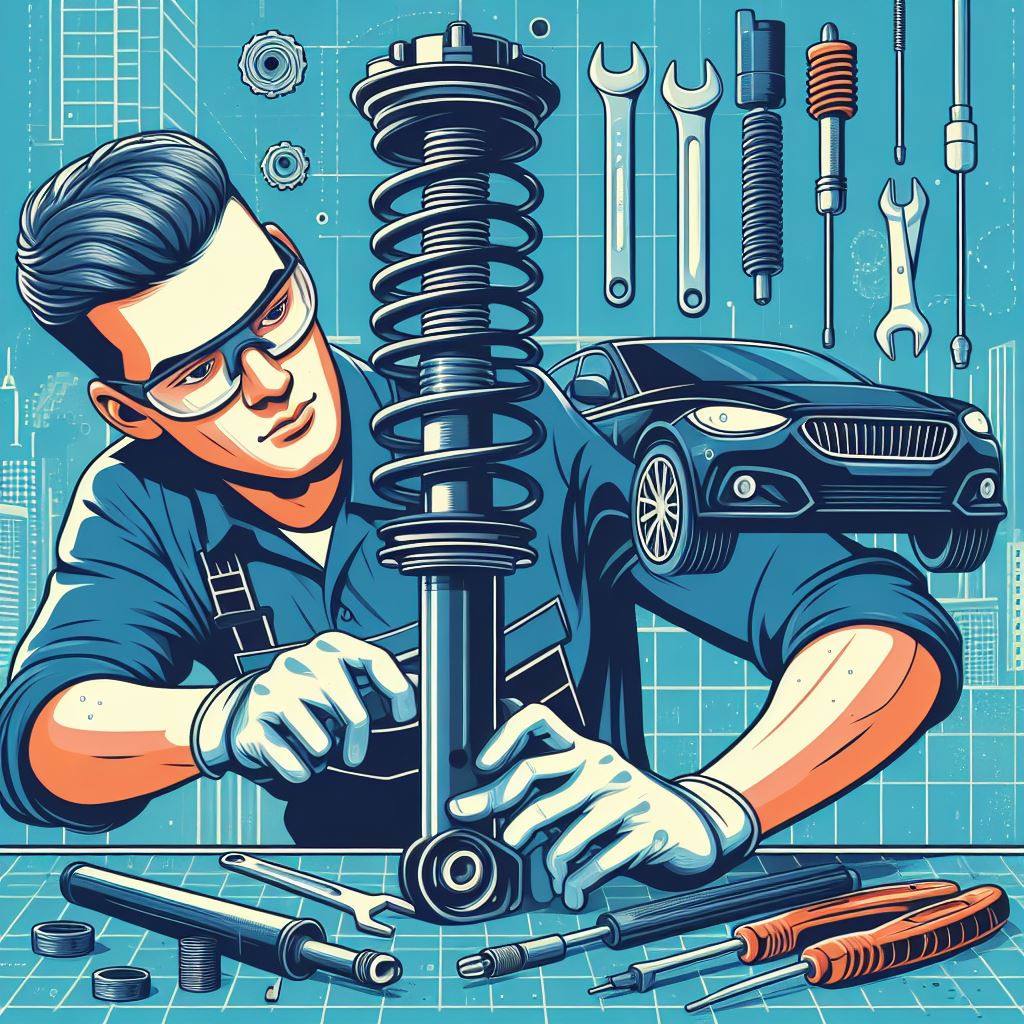
A strut combines a shock absorber and a spring into a single unit, providing structural support and damping capabilities.
What Do Struts Do On a Car
Let’s discuss them:
Functions of Struts
One of the primary functions of struts is to absorb the impact of bumps and road irregularities, preventing them from transferring to the vehicle’s cabin and ensuring a smooth ride for passengers.
Additionally, struts help distribute the vehicle’s weight evenly across all four wheels, enhancing traction and reducing body roll.
1) Support and Stability
One of the primary functions of struts is to support the vehicle’s weight and provide structural stability. Struts are usually hooked up on the front of a car and play an essential function in assisting the engine and different heavy components.
They also help maintain proper alignment and balance, ensuring the vehicle handles predictably and safely, especially during cornering and braking maneuvers.
2) Damping Vibrations
Struts contain a shock absorber mechanism that dampens vibrations and oscillations caused by uneven road surfaces.
This damping action helps minimize the transfer of bumps and shocks to the vehicle’s cabin, providing passengers a smoother and more comfortable ride.
Without adequately functioning struts, drivers may experience excessive bouncing, body roll, and discomfort while driving.
Another essential function of struts is to control the movement of the wheels in response to changes in the road surface.
Maintaining consistent contact between the tires and the road, struts help improve traction and handling, especially in adverse driving conditions such as wet or slippery roads.
They also contribute to steering responsiveness, allowing drivers to maintain better control over their vehicles.
4) Absorption of Impact Forces
Struts are designed to soak up and expend the power generated through bumps, potholes, and different boundaries encountered on the road.
This capability enhances ride comfort and helps protect other vehicle components from excessive wear and damage.
By reducing the impact forces transmitted through the suspension system, struts contribute to the longevity of various parts, including tires, steering components, and chassis components.
5) Suspension Height Adjustment
In some vehicles, particularly those equipped with adjustable or electronic suspension systems, struts may also play a role in adjusting the vehicle’s ride height.
By varying the stiffness or compression of the strut assembly, drivers can tailor the vehicle’s suspension characteristics to suit their preferences or driving conditions.
This feature is handy for performance-oriented vehicles or those designed for off-road use.
Signs of Strut Problems
While struts are designed to provide reliable performance for thousands of miles, they can wear out over time due to continuous exposure to road conditions and vehicle loads.
Recognizing the signs of strut problems is crucial for maintaining the safety and performance of your vehicle. Here are some common indicators that your struts may require attention:
When braking or cornering, a vehicle with faulty struts may exhibit excessive nose-diving or body roll, indicating reduced suspension effectiveness.
This can compromise handling and stability, increasing the risk of accidents, especially during emergency maneuvers.
4) Steering Instability:
Poorly functioning struts can also affect steering stability and responsiveness, making it difficult to maintain vehicle control, especially at higher speeds or in windy conditions.
If you notice excessive play or unpredictability in the steering wheel, have your suspension system inspected promptly.
5) Knocking or Clunking Noises
Worn or damaged struts may produce knocking, clunking, or rattling noises, especially when driving over rough roads or making turns.
These sounds typically indicate loose or worn suspension components, which should be addressed to prevent further damage or safety hazards.
Maintenance and Replacement
To ensure your vehicle’s continued performance and safety, it’s essential to perform regular maintenance checks on your suspension system, including the struts.
Routine inspections by a qualified mechanic can help identify any issues early on and prevent costly repairs or component failures.
Additionally, following the manufacturer’s recommended service intervals and replacing worn or damaged struts as needed is crucial for maintaining optimal ride quality and vehicle performance.
Replacing Struts
When it comes to replacing struts, timing is vital. Replacing worn-out struts promptly is advisable to avoid further damage to the suspension system and ensure safe handling.
While some drivers opt for DIY replacements, professional installation is recommended to ensure proper alignment and performance.
DIY Strut Replacement vs. Professional Service
While DIY strut replacement may seem cost-effective, carefully weighing the pros and cons is essential.
While DIY enthusiasts may enjoy the challenge of tackling this task themselves, the professional installation offers the assurance of quality craft and proper alignment, minimizing the risk of future issues.
Types of Struts
Several struts are available, ranging from conventional hydraulic to gas-charged and McPherson struts.
Each type offers unique ride comfort, handling, and durability benefits, allowing drivers to choose the option that best suits their needs and preferences.
Choosing the Right Struts
When selecting replacement struts, drivers should consider their vehicle’s make and model, budget constraints, and desired performance attributes.
Consulting with a knowledgeable mechanic or automotive expert can help ensure that the chosen struts meet the vehicle’s specifications and performance requirements.
FAQS
Some frequently asked questions about vehicle’s struts are :
What are the signs that my vehicle’s struts may need replacement?
Signs of worn or damaged struts include excessive bouncing, uneven tire wear, nose-diving or body roll during braking or cornering, steering instability, and knocking or clunking noises.
How often should I have my vehicle’s struts inspected?
It’s recommended to have your vehicle’s struts inspected as part of routine maintenance checks, typically every 50,000 miles or as advised by your vehicle’s manufacturer.
Can I replace my vehicle’s struts or seek professional service?
While some DIY enthusiasts may opt to replace their vehicle’s struts, professional installation ensures proper alignment and performance, minimizing the risk of future issues.
How do I choose the correct struts for my vehicle?
When selecting replacement struts, consider your vehicle’s make and model, budget, and desired performance attributes, and consult a knowledgeable mechanic or automotive expert for guidance.
Final Words
Struts play a crucial role in supporting the vehicle’s weight, absorbing vibrations, controlling wheel movement, and enhancing stability on the road.
By staying vigilant for signs of strut issues and prioritizing regular maintenance, drivers can prolong the lifespan of their suspension system and enjoy smoother rides.
Whether opting for DIY replacements or professional service, selecting the correct type of struts tailored to your vehicle’s needs is essential for optimal performance.
With proper care and attention, drivers can confidently navigate the roads with peace of mind.
In a no-fault state, each driver’s insurance policy typically pays for their car’s damages, regardless of who was at fault for the accident.
This means that if you are involved in an accident in a no-fault state, you would generally file a claim with your own insurance company to cover the cost of repairing your vehicle, rather than seeking compensation from the other driver’s insurance company.
However, regarding car damage, the rules are slightly different. Let’s delve into how car damage is handled in no-fault states.
How No-Fault Insurance Works
No-fault insurance is a system where drivers involved in accidents are compensated by their own insurance company, regardless of who was at fault.
This system aims to streamline the claims process and ensure that injured parties receive prompt payment for medical expenses and lost wages. Here’s how it works:
1: Coverage for Medical Expenses
In a no-fault system, each driver’s insurance policy includes Personal Injury Protection (PIP) coverage. This coverage pays for medical expenses related to injuries sustained in a car accident, regardless of who caused the accident.
PIP coverage typically includes expenses such as medical bills, lost wages, and funeral expenses.
One of the main aspects of no-fault insurance is that fault does not need to be determined in order for a driver to receive compensation.
This means that even if you were at fault for the accident, your insurance company will still pay for your medical expenses and other losses covered under your policy.
3: Limitations on Lawsuits
In exchange for the benefits of no-fault insurance, drivers in no-fault states generally have limitations on their ability to sue for damages.
These limitations vary by state but typically restrict lawsuits to cases involving serious injuries or significant financial losses.
No-fault insurance can lead to higher insurance premiums, as insurance companies may need to pay more claims than a fault-based system. However, the trade-off is that the claims process is generally faster and more efficient.
5: State Variations
It’s important to note that the specifics of no-fault insurance can vary from state to state. Some states have “add-on” systems, where drivers can add PIP coverage to their policy, while others have “choice” systems, where drivers can choose between no-fault and traditional insurance.
Common Misconceptions About No-Fault Insurance
Each driver’s insurance covers their own expenses, regardless of fault.
It primarily covers medical expenses and lost wages.
Fault can still be assigned for certain purposes, such as insurance rates.
While lawsuits are limited, they are allowed in certain circumstances.
No-fault insurance applies to the policyholder and their household residents.
Coverage Options in No-Fault States
In addition to basic no-fault coverage, drivers in no-fault states may also have the option to purchase additional coverage for car damage.
This can include collision coverage, which covers damage to your vehicle caused by a collision with another vehicle or object, and comprehensive coverage, which covers damage to your vehicle caused by things like theft, vandalism, or natural disasters.
Factors Affecting Car Damage Payment
Several factors can affect how car damage is handled in a no-fault state, including determining fault in the accident, state laws and regulations regarding insurance, and the terms of your insurance policy.
Conclusion
Handling car damage in a no-fault state is important for all drivers. By knowing who pays for car damage and what coverage options are available, drivers can ensure that they are adequately protected in the event of an accident.