In this article, we will explain how car manufacturers evaluate Torque and Horsepower . Torque is the measure of the ability of a party to bend an object, while horsepower measures its capacity over time. Dynamometers are instruments used to measure torque. Once torque has been calculated, you can add it to a formula to determine horsepower.
KEY DIFFERENCES BETWEEN HORSEPOWER VS TORQUE
Horsepower can be used to gauge the overall performance of an engine. Torque is a straightforward measurement of the machine’s highest force twisting when working hard.
This is why pickup trucks are equipped with high-torque engines that produce much more power than compact cars.
For example, for instance, it is the Toyota Tundra’s 5.7L I-FORCE V8 engine comes with 381 horsepower, with a massive 400 lb.-ft of torque. This torque is high enough to give drivers ample power for tough jobs, including towing, hauling, or climbing steep slopes.
However, this Toyota Corolla Hatchback is equipped with the Dynamic Force four-cylinder engine that produces the power of 168 horses and 150 lb.-ft of torque.
In this model, the high torque output isn’t required as fuel efficiency is the primary goal. Therefore, the torque and horsepower are set by engineers to provide excellent performance with high fuel efficiency. Consider the hybrid vehicle, powered by a gasoline engine but augmented with an electric motor.
Electric motors are torque stars as they deliver the total torque output immediately. This will be evident every time you use your blender. As soon as you turn it on, its electric motor can instantly apply all the torque it can to blades without any waiting.
This same instantaneous and powerful torque makes hybrid cars such as the Toyota Prius, Corolla Hybrid, and RAV4 Hybrid provide lower fuel consumption and improved performance.
How to Measure the Torque (Twisting Power) of Your Car
The torque is proportional to horsepower. It varies according to the vehicle and its particular characteristics. The size of the wheels and gear ratio affect torque.
When you’re looking to buy a new vehicle or build a car in the garage, there are two variables at play in determining your engine’s performance: torque and horsepower.
If you’re like the majority of DIY mechanics or enthusiasts of the automotive industry likely to have an excellent understanding of the connection between torque and horsepower, but you might be struggling to understand how “foot-pound” numbers are accomplished. It’s true, and it’s not all that complicated.
Before we go into the technical details, let’s look at some easy terms and concepts that help us understand why both torque and horsepower are crucial factors to consider. Let’s begin by delving into the three factors that determine the combustion engine’s performance: speed, torque, and.
How engine speed, torque, and horsepower impact overall performance
One of the biggest mysteries of engine performance was finally worked out after retracing the fundamentals of how horsepower is taken into account. Most people think that Dynometers (engine dinos) is made to measure the horsepower of engines. The torque figure can be multiplied by the RPM measured and then divided by 5,252 for a horsepower figure.
Each engine is either electric or combustion and operates at various speeds. The quicker an engine finishes its power stroke or cycle, the more incredible energy it creates. For combustion engines, the three components that affect the performance of a machine are torque, speed, and horsepower.
Speed refers to how fast the motor can perform its job when we compare its rate to a specific number or measurement unit to measure the engine’s momentum in the form of revolutions per minute, or RPM. The “work” that the machine does is the result of a force applied over a specified distance.
Torque is the work that results in motion. It happens when pressure is applied to an area (or for an engine that burns the flywheel) and is usually expressed in feet pounds.
Horsepower is the speed that work can be completed. When objects had to move, people used horses to transport them in the past. It was estimated that a horse could move around 33,000 lbs per minute.
This is the reason why the word “horsepower” originates. In contrast to speed or torque, horsepower is measured in various units such as 1 HP = 746 Watts 2 545 BTUs = 1 HP and 1 HP equals 1,055 joules.
The three components work to create engine power. Since torque is constant, the speed and horsepower are in proportion. But, as the engine’s performance increases, the horsepower increases to ensure the same torque.
What many people are confused about is the way that torque and horsepower affect the speed of the engine. In simple terms, when the horsepower and torque rise and the speed of the machine. It’s the same for reverse When the horsepower and torque drop and the engine’s speed.
How Engines are Built to Maximize Torque?
A modern engine is modified to increase the power or torque of the machine by altering the length or size of the rod connecting it, as well as expanding the bore or the diameter of the engine. It is commonly known as the ratio of stroke/bore.
The measurement of torque is as Newton meters. Simply put, this signifies that the torque measurement is done using an arc of 360 degrees. This example uses two identical motors with the same bore (or the diameter of the combustion cylinder).
However, one of these two motors are equipped with a more significant “stroke” (or the depth of the cylinder, as created by a more long connecting rod).
The motor with the more powerful stroke is more straightforward as it moves throughout the combustion chamber and has greater leverage to perform the same thing.
The torque measurement is in pounds-feet or the amount of “twisting force” applied to accomplish a task. For example, suppose you’re trying to break loose an old bolt. Let’s say that you have two pipe wrenches.
One is 2′ long, and the other is just 1 inch long. If you assume that you apply the identical magnitude of force (in this instance, fifty pounds), you’re applying 100 feet of torque with the two-foot wrench (50 2) and just 50 pounds.
Of torque (1 50 x 50) using the one-foot wrench. Which twist will allow you to loosen the bolt faster? It’s easy to answer which one has the most torque.
Engineers design an engine to create a more significant power to-torque ratio for vehicles that require additional “power” for acceleration or climbing.
In general, you will notice higher torque ratings for high-end trucks designed for towing or high-performance engines in which acceleration is essential (such as in the NHRA top Fuel Engine example noted above).
This is why automotive makers frequently highlight the torque capabilities of truck engines in commercials. The torque of motors can be increased by altering the timing of ignition and adjusting the air-fuel mixtures or even manipulating the fuel to increase the output of torque in certain situations.
Understanding other variables that affect general torque ratings for an engine. When it comes down to measuring the torque, there are three distinctive factors within the combustion engine you should consider:
The force is generated at a certain RPM. This is the highest horsepower engine produced at the desired RPM. As an engine gets faster, there will be an RPM or horsepower curve. As the engine’s RPM rises, the horsepower also increases until it reaches the maximum threshold.
The distance The length of the rod’s connecting stroke. As we have explained previously, the longer the stroke, the more torque will be created.
The torque constant is a mathematical figure for all engines, 5252, or the constant RPM, where horsepower and torque are matched. The name 5252 comes from the fact that one horsepower was equal to 150 pounds, which was 220 feet in a minute.
Mathematical formulas were developed to quantify this in feet pounds of torque in the work of James Watt, who invented the first steam engine.
FAQ About How car manufacturers measure Torque and Horsepower
What is the method used by car makers to Determine torque?
The most popular method of testing the power and torque in an engine with a dynamometer is also known as a “dyno” test. The test usually involves connecting the engine’s output shaft to a test setup that applies an electrical load.
Is torque higher, indicating more excellent acceleration?
Therefore, the greater torque your vehicle has more power, the higher the speed. It is an essential component in generating energy from a car’s engine because it is the amount of load that a machine can take on to produce a certain amount of power that allows it to turn the engine’s axis.
What is the best torque for an automobile?
The engines of mainstream automobiles and trucks generally produce 100 to 400 pounds. -ft of torque. The pistons inside a machine generate this torque as they rotate upwards and downwards on the engine’s crankshaft, which causes it to spin (or turn) continuously.
You can never have enough horsepower or torque in your car. You pay attention to how the vehicle performs, but what if you need more? There are simple guide How to Increase Your Horsepower.
Your vehicle engine is like an air pump. The combustions control the airflow to produce power. To improve your engine’s performance, you can increase the air circulation in the fuel chamber.
This article will show you How to Increase Your Horsepower
Fun Fact: Horsepower’s Origin
Horsepower refers to the speed at which work is completed. Where did the expression horsepower originate? Just what the name suggests: horses and James Watt, a man who used to watch mill horses running in circles all day powering the mills.
The steam engine James Watt invented was 200 times more powerful than horses. However, it was hard for him to explain the difference between the steam engine and their horses to millers.
He devised a method to measure workload based on the assumption that a mill horse would pull/push the shafts of the mill in a 24-foot radius with a force of 180 pounds for 144 hours.
The math was then used to show that a mill horse can push 32,572 pounds (rounded up to 33,000lbs) and move horizontally at one foot per minute. This is the power of one horse.
Horsepower is the power of a horse pulling or, more precisely, the power to lift 550 pounds per second and move 33,000 pounds per minute over a vertical distance of 1 foot.
There are some things to consider when trying to increase horsepower.
Many car owners are concerned about how aftermarket modifications can affect their vehicle’s warranty. It is always good to talk with your dealer about how aftermarket performance parts might affect your warranty.
Car manufacturers don’t like owners who try to re-engineer vehicles. This can be costly and time-consuming. Some automakers allow in-house performance parts to be installed when they are authorized dealers.
Emission regulations are another aspect to consider before having your car tuned up for aftermarket performance parts. For a vehicle to be street legal, it must comply with emission standards in many countries, including California USA.
You can install non-compliant parts, but it could compromise your ability to pass emissions testing. Before you decide on engine performance parts, check your local emission laws.
It would help if you remembered that the vehicle was optimized when it arrived at the factory. Any changes to one component can make the other less efficient. Modifications like an intake or exhaust may not significantly impact your vehicle’s performance or safety.
However, superchargers and other more complex modifications can dramatically alter the vehicle’s fuel economy and long-term reliability.
Consider any compromises you may have to make to improve horsepower. You should also be aware that if you decide to upgrade your supercharger to make it more powerful, you’ll likely need to spend a lot to upgrade other parts of the complete kit. This will not affect your car’s efficiency, driving ability, and safety.
How to Increase Your Horsepower
A high-performance engine will make your ride more comfortable and protect your car from damage. Let’s see how we can boost our car’s horsepower.
ENGINE TUNNING
Engine tuning is altering or modifying the internal combustion engine (or Engine Control Unit) to attain supreme performance and increase the engine’s economy, power, or durability.
Tuning can include a variety of modifications and adjustments, from minor adjustments to the carburettor or ignition system to major overhauls of the engine, such as replacing spark plugs, fuel filter and distributor cap.
If done correctly, ECU tuning will not cause any damage to your car’s engines. ECU tuning can be beneficial to your car’s horsepower and build a powerful engine. However, extreme tuning can hurt engine longevity.
Improve your car’s air intake
This is where most budding gearheads begin when they want to increase their horsepower. It is easy to upgrade to cold-air intake, and it can give you a noticeable horsepower increase.
An engine for a car is an air pump. The more air the engine takes in, it will produce more power. Cold-air intakes aren’t as restricted and rigid as stock intakes. Abrupt transitions and sharp edges cause turbulence.
An increase in airflow causes the engine’s computer (and fuel/air mixture) to add fuel. More fuel/air equals greater horsepower. Cold-air intakes draw cool air from outside of the car’s engine compartment. Cooler air is denser. This again results in the computer increasing fuel consumption and thereby increasing horsepower.
Reduce the car’s weight
You don’t need to be a rocket scientist to see that a lighter car moves faster than one with more bulk. To increase your vehicle’s speed, you can get rid of any heavy parts (not just the engine block) and replace them with lighter ones.
This could include removing unwanted items from the trunk and seats, replacing broken or conventional breaks with acrylic ones, and installing clear windows. You can increase the vehicle’s aerodynamic properties and make it more efficient in consuming power by reducing its overall weight.
Car back Exhaust
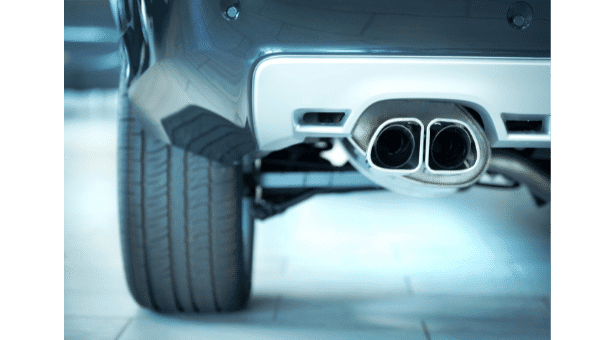
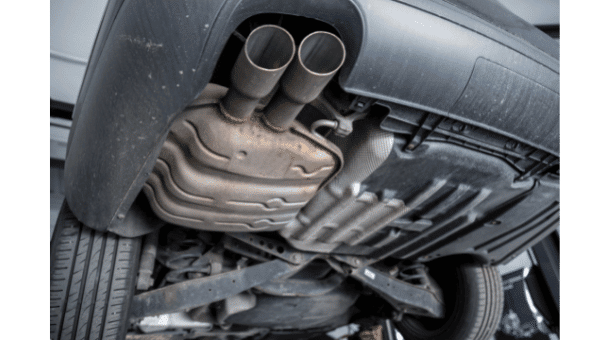
No cats should be hurt to increase one’s horsepower (how many animals made it into this tip?) This means you need to straighten the pipes connecting the catalyst at the bumper with the exhaust tubing.
It pushes out the exhaust gases easier. It makes it easier to get those gases out quickly. This means that there is more space for fuel and air, which means more power.
Zurschmeide says that new catalysts are more flexible than they were in the past and can be used with any engine. They aren’t so restrictive as they used to be and can still deliver performance. Tip number 3 might be helpful if your car is vintage.
High-flow Catalyst
manufacturers were quick to install catalytic converters when cars first had them. Although they didn’t improve one’s performance, they did make it easier to breathe.
It took many decades for catalyst technology to catch up, and even cars from the 1980s or 1990s got clogged in converters. Add leaded gas to the equation, and you get a recipe for disaster.
You were lucky if it was possible to make it up a hill. You can try this: Replace an old catalyst with a high-flow aftermarket one and feel the difference in your pedal.
Zurschmeide suggests that you do this with a Catback exhaust to get the best bang for your buck. It is illegal to take out a catalyst that has not been damaged. There are also severe penalties.
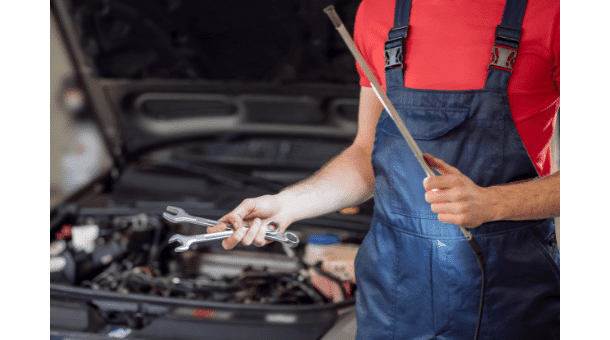
It would help if you did not damage your catalytic converter by using a wrench. It may be necessary to replace it with a high-flow one. That is what you hear? It would help if you did not try to make a hole in it.
Flash the Computer
It’s simple to reprogram your vehicle’s computer using a simple device. Some models include pre-set configurations that increase horsepower, torque, and more efficient operation. You can get a lot of horsepowers depending on the tuner you choose.
Recent laws have started to crack down on certain ECU tuners because they can alter fuel efficiency or emissions. To determine the right ECU tuner for your application, you will need to research.
This is especially true if your car has a turbo engine. You can expect to get 10-50 horsepower out of one tune for between $100 and $800.
Install a supercharger
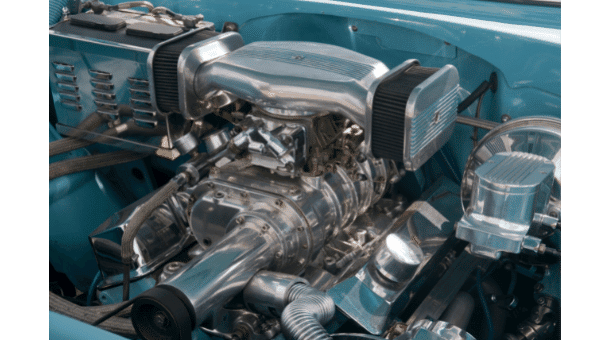
The supercharger improves the power and torque of the car’s engine in the same way as the cold air intake. In some cases, however, the supercharger compresses the fuel and air to increase power by more than 50%.
The supercharger has many advantages over the turbocharger. It is belt-driven and works well with six-cylinder motors. You don’t have to install an intercooler, so you have fewer parts to break.
In most cases, superchargers are easier to install than turbochargers. They are expensive, however. The instant power you get when you press the accelerator will cost you money.
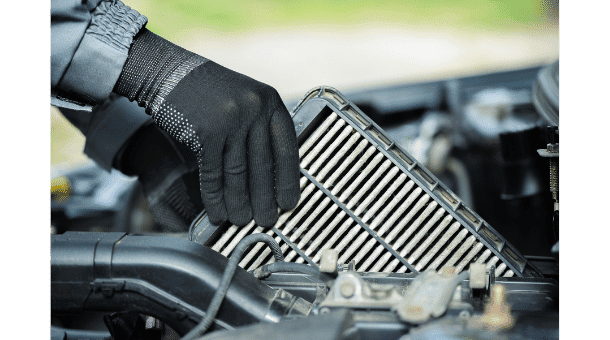
Upgrade to an aftermarket free-flow air filter
To slightly increase your horsepower, it’s a good idea also to get a free-flow filter for your car. Although it isn’t a significant change, it can help to increase your car’s performance.
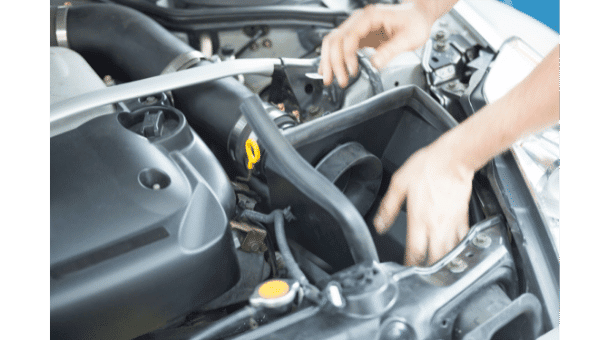
Locate the housing of the air filter and open the hood. You should remove all screws and clamps. The old filter should be thrown out. Use a damp cloth to clean the box’s interior and then insert the new, free-flowing filter.
Aftermarket filters can allow more particulate matter to enter the engine and oil filters. On vehicles equipped with mass airflow sensors, the oil from the filter could cause damage or even destruction.
The marginal benefits of having an aftermarket filter for forced-induction engines are generally outweighed by the fact the turbo will supply the required air no matter what filter is used. Also, the turbo has much higher reliability because there is no oil or sand in the intake.
Learn about turbocharging and supercharge options. This will require a complete rebuild of your engine and upgrades to the stress-bearing parts. It will cost you several thousand dollars. This is a big project, but it will increase your car’s horsepower.
Root superchargers, often the most expensive, are very popular with racing cars. These superchargers work by directing large amounts of air through an intake manifold to provide quick bursts.
Twin-screw superchargers pull oxygen through the lobes. This air becomes trapped in the housing of the rotor and is compressed in a cone-shaped taping device. These superchargers are not legal in every state. They tend to be very loud.
Centrifugal Superchargers make use of a powered impeller. They pull high-pressure air into the compressor and reach upwards of 60,000 RPM. This makes them the most efficient superchargers for your vehicle.
Velocity Stack
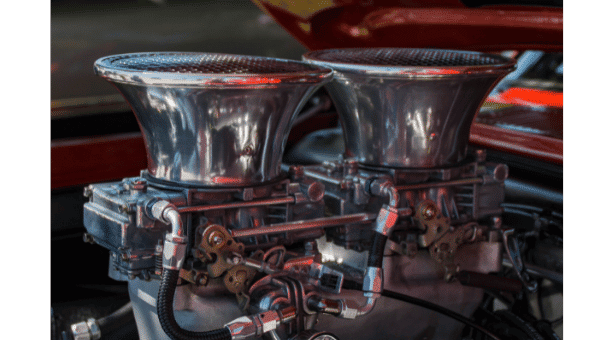
A velocity stack (also known as intake trumpets) is an aftermarket part with a trumpet-shaped shape that fits an engine’s intake system to improve airflow.
Three ways velocity stacks increase airflow to the engine’s combustion chamber are available.
The trumpet shape allows for more air to flow through the intake. They also smoothen the flow of air into your intake. Smoother airflow means that more air flows through. These little devices also clean the air and stop non-plenum carburettors from catching fire and barfing fuel.
This upgrade is easy and inexpensive, but a properly tuned intake velocity stack would only increase horsepower by around 3%. Therefore, it is often done in conjunction with other engine enhancements.
These intake trumpets are attached to the fuel injectors or carburettors. Let’s recap. Before the advent of fuel injectors or fuel pumps, a carburettor was the main way older cars used fuel. It blends fuel and air before being absorbed into the engine.
Intercooler Kit
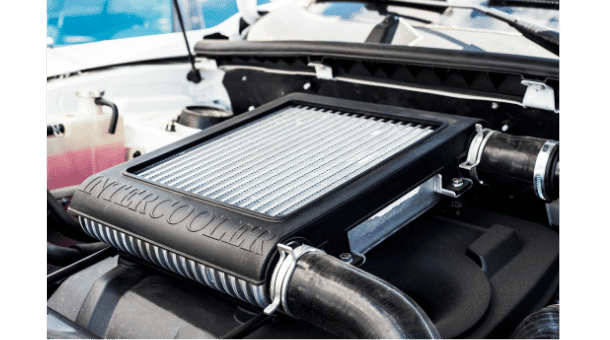
An intercooler kit, as mentioned above, is commonly installed to complement a turbocharger. An intercooler kit, similar to a high-performance cold air intake, will allow your engine to take in more air. The intercooler kit works by cooling the engine’s air to condense it.
An intercooler or “charge-air cooler” is an air to air or liquid heat exchange device used with a turbocharged or supercharged internal combustion engine. It is used to increase the volumetric efficiency of these engines by increasing their intake air-charge density and isochoric cooling.
In layman’s terms, a heat exchanger is a device that transfers or “exchanges” heat efficiently from one material to another. The fluid used to transfer heat could be water, oil, or air.
An intercooler uses air from the atmosphere, flowing it over and around many finned tubes to remove heat from the intake air charge, which means it reduces the air temperature that has been pressurized by the supercharger/turbocharger that is going through the intake tubes.
Air-to-air heat exchangers will direct cooler air towards the tubes. This will maximize the cooling effect and increase the vehicle’s performance.
Catalytic Converter
The catalytic converter is an exhaust emission control device which reduces harmful gases and pollutants from internal combustion engines. It catalyzes a redox reaction, converting toxic gases into less-toxic pollutants. It is integrated into your vehicle’s exhaust system and directly affects its performance.
A catalytic converter, in other words, is a device that converts three harmful compounds from vehicle exhaust into harmless compounds. It will increase your gas mileage and performance by neutralizing harmful compounds like carbon monoxide in your exhaust.
Proper-Maintenance Methods To Increase Horsepower
There are cheaper ways to increase horsepower if you don’t want to invest in superchargers and turbochargers. These aren’t fancy upgrades. They are just maintenance to ensure your engine is running at its best. This maintenance can have a huge impact on your engine’s performance.
Make sure you use the right gas.
It is the easiest and most cost-effective to ensure that your baby is eating the right food. You have spent a lot of money on a high-performance car. Don’t let it go to waste by using low-octane fuel. High-performance cars require high-grade fuel.
Regular octane is the best gasoline for most cars. It has a low octane rating of 87. The rating for midgrade, or the middle range, is 89 to 90. Premium gas is rated between 91 and 94. You can find the manual for high-performance gas to determine which gas grade you should purchase for your four-wheeled investment.
If the specified octane rating for gasoline is 91, and you purchase a lower-grade gas, it could cause engine damage and void your vehicle warranty. However, it is not a good idea to use gasoline with a higher octane rating than your manual recommends.
Two things can be caused by low-octane gasoline. It can adversely affect the efficiency of your engine in producing combustions. This directly reduces power output. The vehicle will also adjust electronically to the poor gas, combusting at lower rates and reducing horsepower.
Proper Lubrication
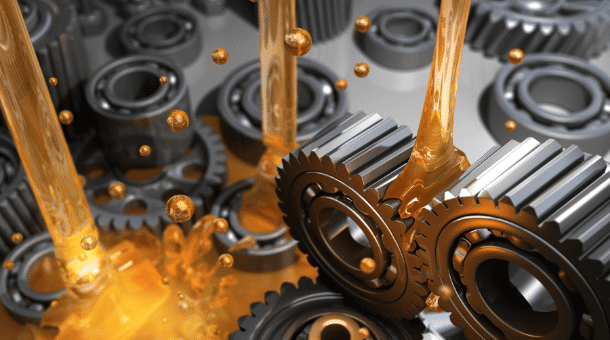
Another rule is that anything that causes friction in your car’s engines, or anything mechanically, will reduce performance. It is crucial to make sure your car is in top condition by changing all fluids regularly. Your engine will produce more power if you use high-quality motor oil.
You can also opt for synthetic lubricant. Synthetic lubricants provide better lubrication than traditional oils between moving parts. They won’t rust in high-heat, high-stress situations. This is why they are often used in racing. They reduce friction and overheating, which helps engines last longer and perform better.
They are also extremely resistant to extreme temperatures and offer exceptional cold-weather performance. Synthetic oil is made with specific ingredients to provide greater strength in low-temperature stability. They also offer protection against deposits.
Spark Plugs Replacement
Spark plugs are a tiny component found inside the cylinder heads that ignite the fuel mixture and air to produce combustion. Without spark plugs that are efficient and maintained properly, your engine will not be able to produce combustion and generate power.
These spark plugs are very susceptible to wear and tear. Spark plugs can become corroded, dirty and eventually lose their effectiveness. Even if spark plugs don’t completely die, they won’t be as efficient as when they were brand new.
It is important to check and change your spark plugs frequently to ensure your engine runs as efficiently as possible to maximize horsepower. Platinum tip spark plugs are more durable and resistant to corrosion than regular ones.
How to Increase Horsepower at a Reasonable Price
Fuel Line Right-Sizing
As we have already mentioned, engine rebuilds require more parts than just horsepower.
The fuel needed to sustain that horsepower will increase with horsepower. A fuel line too small will not give you the best horsepower, just as a small straw won’t let you drink quickly.
High-performance engines require more fuel. The minimum fuel line size should not exceed 3/8 inches for most performance applications. To support horsepower increases above 500 horsepower, a fuel line of 7/16 inches is required.
Fuel Pump Right-Sizing
The fuel pump is another thing you should consider when determining the size. It delivers fuel from the tank directly to the engine. Your engine’s horsepower will determine the fuel flow required to support it. This will also determine the size of the fuel pump.
The flow rate is the size of fuel pumps. The flow rate refers to the fuel that a pump can provide in a certain time. It is often measured in gallons per hour (gph) or litres (mph). The fuel pressure that your engine requires will affect the gph.
Fuel pumps will flow at their highest volume when there’s no pressure (free flow). Fuel flow decreases as fuel pressure rises. Each pump has a different flow volume at the same pressure.
An excellent way to estimate power volume is 10 horsepower per gallon or 2.64 horsepower per litre. If your pump is running at 55 gph, it should be capable of supporting a 500 horsepower engine.
Water-Injection Kit
Although this modification won’t directly increase horsepower for a naturally-aspirated motor, it will make a significant difference in horsepower paired with turbochargers and superchargers.
Water-injection kits can increase your vehicle’s fuel mileage and reduce carbon deposits in combustion chambers. This will help prevent pre-ignition if you are using lower quality gas than your vehicle should be getting.
Upgrade your wheels
Although we aren’t talking about huge gains, losing excess weight can help increase horsepower. You can lose about 10 lbs per wheel by switching to high-performance tires and wheels. They will also improve driving and handling, which is important at higher speeds.
Sprint Booster for Improved Drivability
Sprint Booster can increase drivability and performance without any additional tuning modifications. This upgrade can be used with or without other tuners/programmers because it works independently of other modifications.
Sprint Booster gives your car more power because you can pedal in a higher throttle opening. This product is very popular with performance enthusiasts and truck lovers passionate about customization.
Sprint Booster modifies the signal between ECU and accelerator pedal module. Sprint Booster improves the signal to encourage the throttle to open at a particular pedal position. The result is the idle-to-full-throttle pedal travel is reduced.