Category: Car Maintenance Tips

  • Can Cameras See Through Tinted Car Windows?

    Can Cameras See Through Tinted Car Windows?

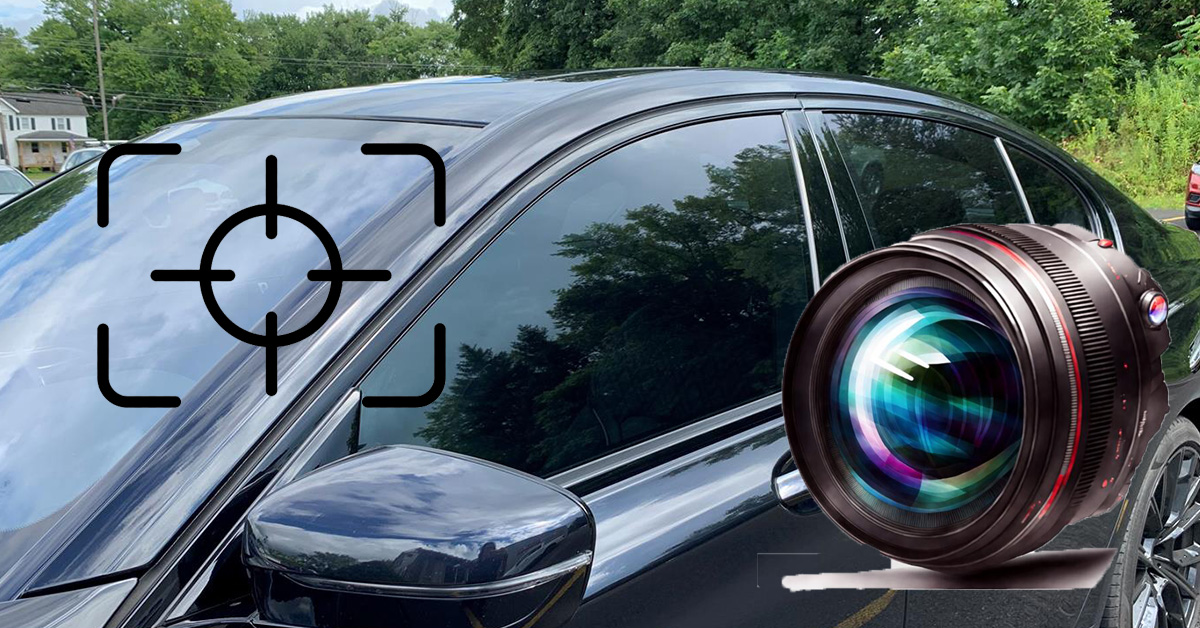
    It often comes to mind whether the cameras mounted on police vehicles and other traffic lights can look inside our cars despite having tinted glasses. This question might also come to your mind if you drive a car with tinted windows.

    Thus, this article will illuminate whether the cameras can see through tinted car windows.
    l42ocBvrcSF6rRMZvA kCALL556pkrD5x9Mn93CVfkHLwHpPpU6UGkJYXYtdMHsgAIY3E1qAQ5 TO HiimyVKoEcZ1xQ7N8mR16ujFCH2KyXqWBZDRn9vjqsojPeJ2Tp m45aL6CtwZOGmSMWSgN5uQ

    Can Cameras See Through Tinted Car Windows?

    Like many people worldwide, you are also curious about the security and privacy of your vehicle; that is why you ask, “Can cameras see through tinted car windows?” The answer is, “Yes, but it depends on some conditions.”

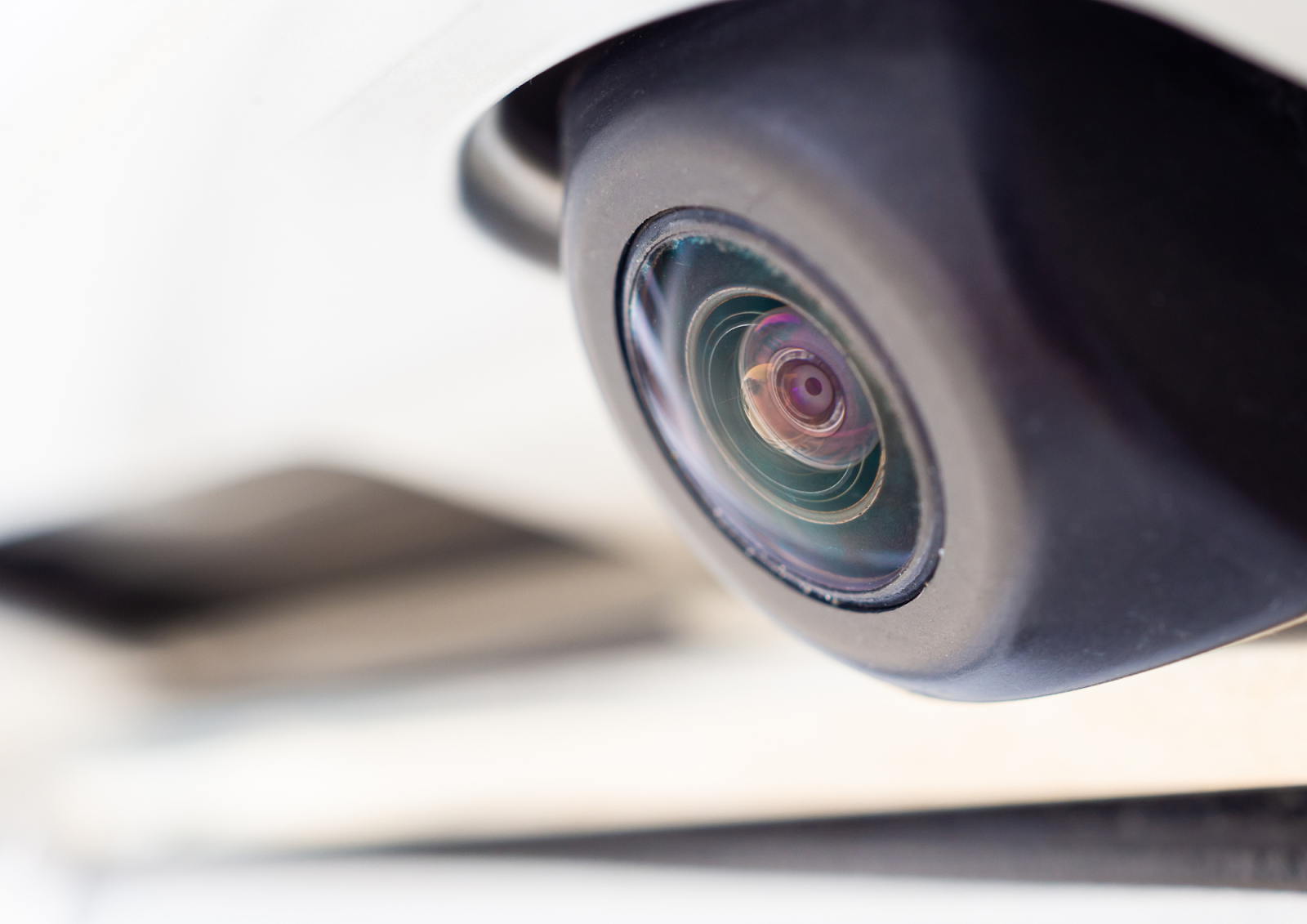
    Only some cameras can pierce through tinted car glass unless designed for a specific purpose and quality, and the environment, such as lightning conditions, also matters a lot.

    Additionally, if the tint is darker and the camera is not designed for night vision, looking beyond a tinted car window becomes out of scope. 

    You might be interested in: How Much Does It Cost To Tint Car Windows?

    Factors That Affect The Camera Seeing Through Tinted Car Window
    lwGm1n lJO oSmU1cWgFxU2qKSUJY7KRYKBLcdBE2dlKXyCNQbkNfKxS p81vBnALGtvxril6dEJ9qKkbFhv6cbTrjNbMJ a9AbApzdjpgmZPKfMW h

    Well, there are many things that we need to understand to address our concern fully, and we are going to elaborate on them in detail. 

    Basic Household Security Camera

    It is the most common camera type, often found in houses. These cameras are used for home security and detecting any unwanted intrusion on the premises. These cameras are not very sensitive and high-tech; they cannot recognize the human eye’s color in most cases.

    So, can these cameras see through tinted car windows? The answer is negative. 

    Resolution

    A high-resolution camera is more likely to catch the details of your car, such as reading the number plate and capturing the definition image so that you can see and detect the color of the vehicle more precisely.

    Today, 1080p cameras are mainly in the market, which means they are fair enough to record the moments in more detail. 

    Such cameras may see through the tinted glass windows of cars. In addition, the cameras equipped with 2K and 4K resolution are further enhanced, and their capacity to grab details increases often. 

    Lightning Conditions

    Despite having a powerful camera lens, the environment matters a lot. If the camera is installed in low light conditions and is meant to work in bright light, then its performance will be undermined, and it won’t be able to give you a detailed result or even a blurred picture despite capturing it using an HD device. 

    For Instance, if your windows are equipped with a better quality tint, it becomes a challenge for you to look inside clearly with your naked eye. This happens primarily because of the change in lighting conditions inside and outside the car.

    The same is true with cameras, which can also not capture a clear picture of your vehicle when its glass is heavily tinted. 

    Nowadays, cameras have enhanced night vision capability, but that still does not mean that these cameras can give you a better result even at midnight compared with the daytime.

    Therefore, proper lighting conditions are essential for a camera’s eye to work efficiently if it has to capture the inside view of the car’s glass, which is also tinted. 

    Glass Type 

    Another important aspect we must understand is the type of glass used in cars. As some special-purpose security-enabled car windows come with a dye layer of glass coating during manufacturing, the glass appears darker than the ordinary.

    So, if the glass is also tinted, it adds a double layer of security for the cameras to cross, which most cameras fail. 

    Tint Type

    Tinted glass is an obvious choice, as it is a cost-effective solution for many customers, yet it can provide proper privacy and security. Tinted glass in cars mainly comprises a thin layer of metal oxide, which blocks vision from the outside but can be easily seen from the inside.

    Furthermore, the luxurious vehicle always prefers tinted glass, which adds a professional look. 

    In addition, many people commonly use reflective window tints; these types provide partial security, especially at sunset and sunrise, as cameras can penetrate through them.

    However, the reflective car tints can offer better privacy in the daytime. Similarly, at night and in the dark, these tints are known to block the camera vision; thus, absolute security is enabled. 

    Distance

    The images may become blurry and fuzzy if the camera is too far from an object. Thus, distance significantly affects whether the cameras can see through tinted glass. The camera can capture the image if it is kept close to a tinted window.  

    Beware! Cell Phone Cameras Can See Through Tinted Glass
    yB5ps2A0aKTgU vQqfEc2rrYAd8KMu5d2uC87pGF82scAvbyPdcrH7zSqkuK4canT9eNDK2lX08jwjgin8sP1tVa5TBamnlM0BW0YR HZXMIkyjA5nk65SSFr0g1YYGHGu9iRYAtdZ gtDvYUkZaEGM

    Till now, we have discussed that most types of cameras cannot see through the tinted glass windows of cars.

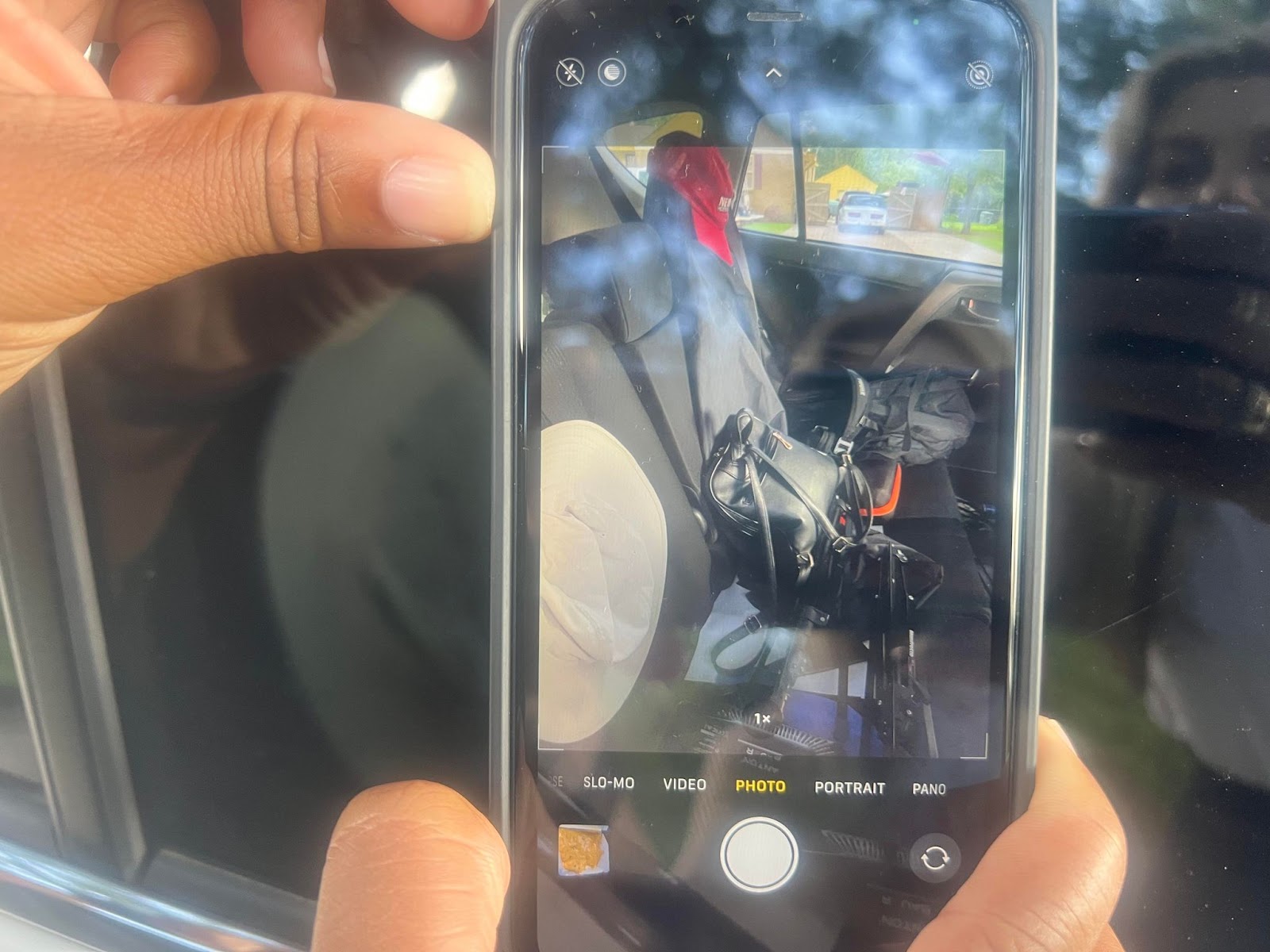
    However, there is an exception, as many expert studies reveal that cell phone cameras can see through tints, whether day or night, bright or dark, no matter the lighting conditions. 

    In cell phones, there is further a condition that on a white tint, these cameras mostly fail, but on the black or opaque coating, the cameras efficiently do their job. This difference is due to the variance in the infrared technology manufacturing cell phone cameras. 

    FAQs

    Some Frequently asked questions about Seeing through tinted glass are:

    Is It Possible To See Through Tinted Glass?

    It depends upon the type and intensity of the tint. Lighter tints maintain visibility, striking a balance between privacy and clarity.

    However, darker shades can be more challenging to see, making it difficult for the human eye and, to an extent, cameras.

    Can Cameras See Through Tinted Windows At Night?

    Low-light conditions may hinder camera performance, depending on the tint’s darkness. Sophisticated night vision cameras may overcome this obstacle, but extreme tints pose challenges.

    Can People See Me Through Tinted Windows?

    Generally, tinted windows act as a visual shield, providing privacy during the day. Yet, it’s essential to remember that extreme tints may obscure views from inside and outside the vehicle.

    Does Tinted Glass Provide Privacy?

    Tinted windows offer varying degrees of privacy, striking a balance between a transparent view from within and a shielded exterior perspective.

    The level of confidentiality largely depends on the tint’s darkness, emphasizing the importance of selecting an appropriate tint based on personal preferences and legal regulations.

    Final Words

    Wrapping up the discussion, we are now able to conclude our conversation. Looking beyond a tinted window of the car is something special that is not linked with every type of camera. When dealing with an ordinary household camera, it cannot see through the car’s tinted window. 

    However, the case varies if you have sophisticated high-tech cameras that come in a higher resolution and can deliver a detailed picture. These particular types of security cameras can be seen through the car’s tinted windows. 

    Furthermore, many scenarios sometimes favor the tints as they can provide better protection, while in some conditions, the tints’ security may get breached. For Instance, some tints are suitable for blocking external vision in the daytime, while some only work at night.

    Similarly, distance is also a factor that impacts the visibility of the camera lens beyond a tinted glass window. 

    Finally, many experts think cell phone cameras are known to see through the tinted window of the car, irrespective of its type, as long as they are black or opaque, because cell phone cameras do not work on white tints. 

  • How Much Does A Car Wrap Cost?

    How Much Does A Car Wrap Cost?

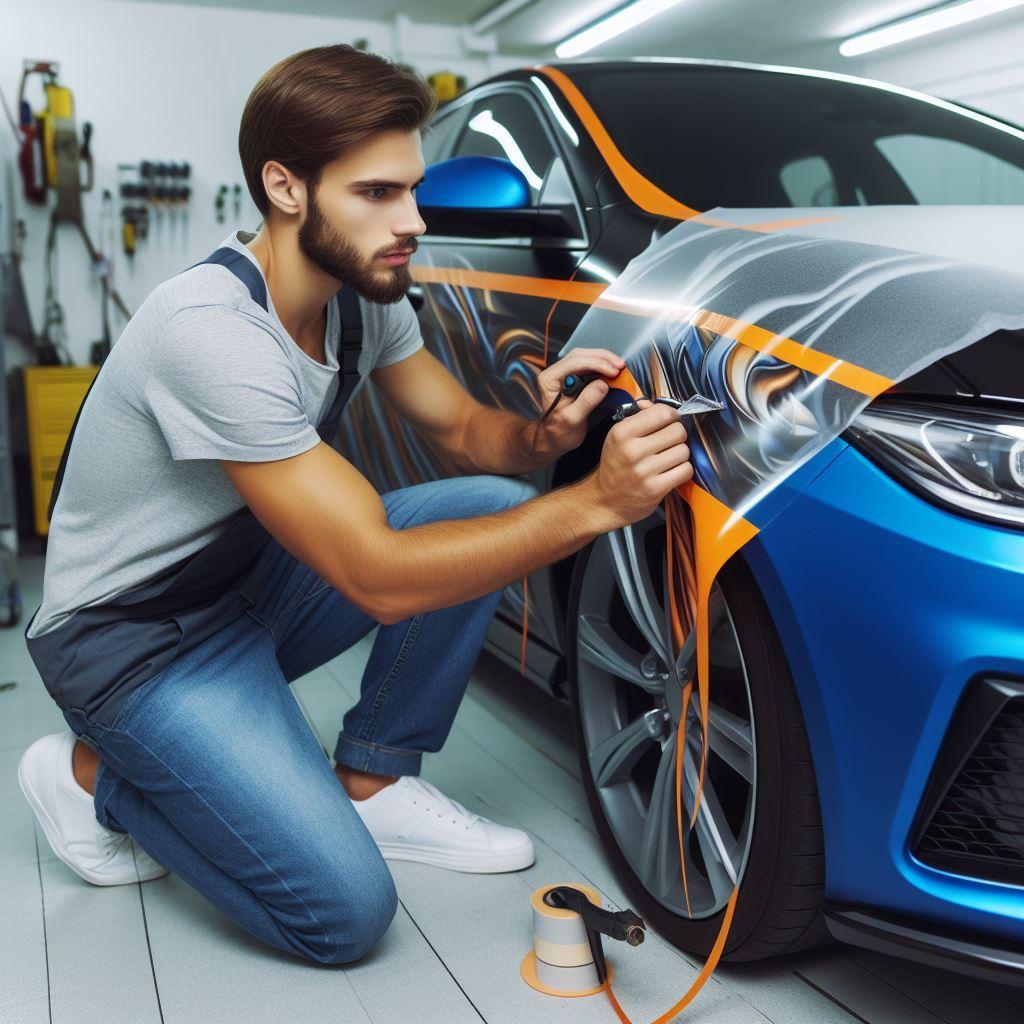
    Car wraps provide a flexible and cost-effective way to improve the aesthetics of your vehicle while defending its unique paint. From smooth sedans to tough trucks, vinyl wraps offer a customizable choice to raise your ride’s appearance.

    Moreover, they protect against scratches, UV pillars, and other normal components, ensuring the lifespan of your vehicle’s outside.

    5 7bprDf8UHIVogOykDSagr7PgaQ2m YoZ0VJAp6FtH 5ZStLAzuTy1TDeqFMk3X T4vlPrvFVc6UnChgqlxVQnXGGCGa3oRzWyh1 XjRkor MRs QlsSnFttmw3CdCIk

    What Is A Car Wrap, And How Is It Advantageous?

    A car wrap, a custom-designed vinyl film connected to the outside of a vehicle. This film acts like a mammoth sticker, totally changing the look and feel of your car. Gone are the days of being constrained to the production line paint choices.

    You’ll unleash your inventiveness with different colors, wraps up, and illustrations with car wraps. Whether you crave a smooth matte dark wrap-up, a head-turning chrome impact, or a dynamic, personalized plan decorated over your car, car wraps offer extreme customization involvement. 

    Read Also: How Much Does It Cost To Tint Car Windows?

    How Much Does A Car Wrap Cost?

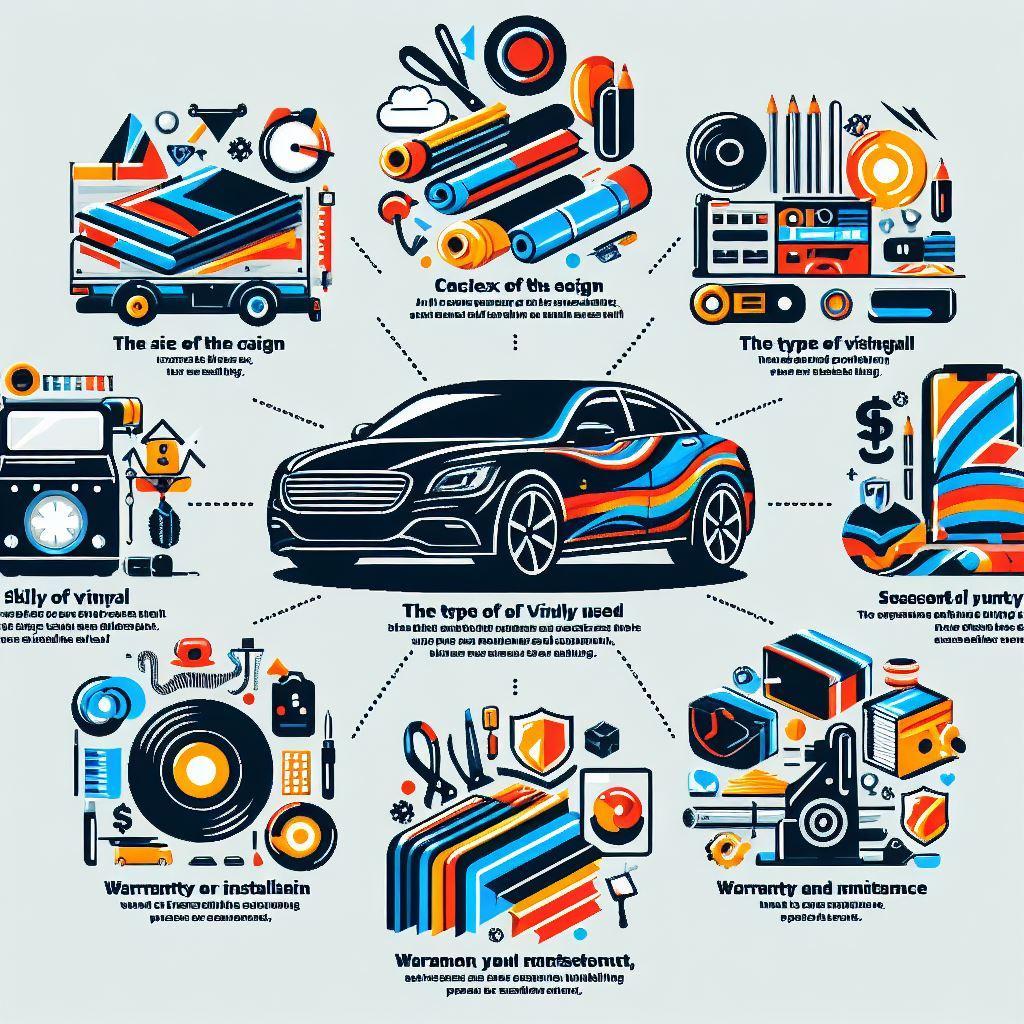
    The price range of a car wrap shifts depending on a few components, including the vehicle’s measure, the design’s complexity, the kind of fabric utilized, and the installer’s ability.

    Usually, basic vinyl wraps for smaller cars such as sedans or roadsters can extend from $500 to $3,000, whereas bigger Cars like trucks or SUVs may range between $1,500 to $5,000.

    Premium vinyl composite movies, advertising improved solidness, and life span can increment the taken charges from $2,500 to $6,000 or more, depending on the estimate and complexity of the vehicle.

    In vehicle customization, car wraps have become a prevalent choice for people looking to include an individual touch to their automobiles. Whether for branding purposes, stylish upgrades, or assurance, car wraps offer a flexible arrangement that can change the appearance of any vehicle.

    But how much does a car wrap cost? This article will dig into the variables impacting car wrap estimating and give experiences to assist you in getting the costs included.

    Factors That Affect the Cost of Car Wraps:

    cWfhoQ wotJFHl8eN5KNxDKpB9iJ6imLe vXsR3EWTbL0MFHMvRWNEWCxdhqfcggW0TZPJ 4ID9wFpAGoFfSl Alf7I Gg8FWUOlUDIkHrJVo0L9S4WHm6SetQ97Kvpdgw8s8tDYmwEvLABKLpou5iycI9VUtgtz

    Kind of Material

    Car wraps are accessible in assorted materials, each with unmistakable traits and fetched contemplations. The overwhelming materials utilized for car wraps are vinyl and vinyl composite films, which offer interesting focal points and cost differentials.

    Vinyl wraps are a prevalent choice due to their reasonableness and flexibility. These wraps are created from high-quality vinyl sheets that accommodate the vehicle’s forms, making a consistent and outwardly engaging wrap-up.

    Vinyl wraps are accessible in numerous colors, surfaces, and wraps up, permitting plentiful customization choices to suit personal inclinations. Despite being cost-effective, vinyl wraps provide palatable solidness and execution, making them an alluring option for budget-conscious shoppers.

    Vinyl composite films speak to a premium elective characterized by predominant solidness and life span. These composite movies coordinated different layers of vinyl with extra defensive components, upgrading resistance to wear, tear, and natural elements.

    Whereas vinyl composite movies command a better cost than standard vinyl wraps, they offer moved-forward execution and delayed life expectancy, making them a beneficial speculation for people looking for long-term security and aesthetics.

    Dimensions And Complexity Of The Vehicle

    Measuring the dimensions and shape of the car being wrapped plays a noteworthy part in deciding the cost of the car wrap venture. Bigger cars will require more material and labor, expanding costs.

    Moreover, Cars with complex bends, forms, and plans may need more time and aptitude to wrap accurately, raising labor costs.

    Design Complexity And Customization

    The complexity of the required design significantly impacts car wrap costs. Straightforward, single-color wraps are regularly more reasonable than complex illustrations or custom designs.

    Clients looking for special wraps like matte, glossy silk, or metallic impacts may experience higher costs due to the specialized materials and application methods included.

    How Much Does A Car Wrap Cost

    Surface Preparation And Condition

    Satisfactory surface planning is basic for a consistent and persevering car wrap establishment. Cars showing paint harm, rust, or flaws require broad prep work such as sanding, preparing, or repairs, which thus increases venture costs.

    Moreover, guaranteeing a flawless surface that is sometimes recently wrapped is significant for the ideal attachment and life span of the wrap.

    Installation Expertise And Labor Costs

    The proficiency and experience of the establishment team significantly influence car wrap costs. Prepared installers with comprehensive preparation and mastery may command higher rates; however, their administrations guarantee predominant quality and consideration of detail.

    Selecting a trustworthy installer utilizing industry-standard methods ensures the ideal comes about despite possibly higher costs.

    Regional Disparities And Market Demand

    Car wrap costs can shift based on geological area and neighborhood showcase elements. Urban ranges with numerous customization shops regularly involve higher costs due to increased competition and overhead costs.

    Alternately, country locales or districts with constrained wrap benefit alternatives may offer comparatively lower rates.

    Extra Administration And Upgrades

    A few car wrap suppliers offer supplementary administrations and add-ons that affect venture costs.

    These may include expelling existing wraps or illustrations, customizing particular vehicle components, and applying defensive coatings or straightforward bra movies to improve strength and defense against natural components.

    Read Here: How to Clean a Car Cover? – The Easiest Way

    FAQ:

    Some frequently asked questions about Car Wrap are :

    What Is A Car Wrap, And What Are Its Benefits?

    A car wrap is a custom-designed vinyl film applied to the exterior of a vehicle. It allows for complete customization with various colours, finishes, and graphics.

    Beyond aesthetics, car wraps protect the original paint job from UV rays, scratches, and minor dings.

    How Much Does A Car Wrap Cost?

    Car wrap costs vary depending on several factors, including vehicle size, design complexity, material type, and installer expertise.

    Generally, essential wraps for small cars range from $500 to $3,000, while larger vehicles can cost between $1,500 and $5,000. Premium materials and complex designs can increase the price to $6,000 or more.

    What Are The Different Types Of Car Wrap Materials?

    There are two main types of car wrap materials: vinyl and vinyl composite films. Vinyl wraps are affordable and versatile, while vinyl composite films offer superior durability and longevity at a higher cost. 

    Besides The Size Of The Car, What Other Factors Affect The Cost Of A Car Wrap?

    The complexity of the design significantly impacts the cost. Simple, single-color wraps are cheaper than intricate graphics or custom designs.

    Additionally, the condition of the car’s surface before wrapping can affect the price due to the need for prep work. 

    Should I Get A Professional To Install My Car Wrap?

    While a DIY option might be cheaper, professional installation is recommended for superior quality and attention to detail. Experienced installers ensure optimal results and a flawless finish.

    Are There Any Additional Costs To Consider Besides The Car Wrap Itself?

    Some car wrap providers offer additional services that can impact the total cost. These may include removing existing wraps, customizing specific vehicle elements, or applying protective coatings for extra durability.

    Final Words:

    Understanding the points of interest of car wrap costs is basic for people arranging this shape of vehicle customization. Components such as fabric choice, vehicle measure, plan complexity, surface condition, establishment skill, territorial elements, and extra administrations contribute to the estimating system.

    By adjusting this information, people can make educated choices, guaranteeing their venture adjusts to their budget and customization goals.

    With the angles impacting car wrap costs, people can make educated choices adjusted to their budget and customization yearnings. Whether prioritizing reasonableness, strength, or stylish offer, exploring the complexities of car wrap estimating guarantees a fulfilling and beneficial speculation in improving and ensuring their Cars.

    Eventually, car wraps offer an energetic implication of personalizing and securing Cars, rising above insignificant aesthetics to convey useful benefits that improve by and large, driving involvement.

    Whether for branding, tasteful upgrades, or security, car wraps fascinate car devotees with their flexibility and transformative potential.

  • Are Hybrid Cars Worth It?

    Are Hybrid Cars Worth It?

    Hybrid cars have become popular in recent years as a more eco-friendly alternative to traditional gasoline-powered cars.

    With a combination of gasoline and electric power, these vehicles offer improved fuel efficiency and lower emissions.

    However, the decision to invest in a hybrid car is not always simple, as there are several factors to consider.

    In this article, I will discuss the pros and cons of hybrid cars to help you determine whether hybrid hybrid cars are worth It.

    Are Hybrid Cars Worth It?

    When deciding if a hybrid car is worth it for you, we consider some factors such as the availability of charging stations in your area, the cost of gasoline, and the long-term cost savings of owning a hybrid vehicle.

    1: Fuel Efficiency:

    One of the main reasons for choosing a hybrid car is its fuel efficiency. Compare the fuel economy ratings of different hybrid models to determine which offers the best mileage for your driving habits.

    How to Clean a Car Cover 5

    2: Electric Range:

    Consider how far you typically drive daily and choose a hybrid car with an electric range that meets your needs. 

    Some hybrid cars have a limited electric range, so it’s important to choose one that can cover your daily commute on electric power alone.

    3: Battery Life and Warranty:

    Hybrid car batteries can be expensive to replace, so it’s important to choose a model with a reliable battery and a good warranty. Look for hybrid cars with a long battery warranty to protect your investment.

    4: Performance:

    While hybrid cars are known for fuel efficiency, some models also offer impressive performance. If acceleration and power are essential, look for a hybrid vehicle with a powerful engine and responsive handling.

    5: Price and Value:

    Consider the upfront cost of the hybrid car and its long-term value. Some hybrid cars may have a higher initial cost but offer savings on fuel and maintenance over time. Calculate the total cost of ownership to determine if a hybrid car is a good investment for you.

    How to Clean a Car Cover 6

    6: Features and Technology:

    Look for hybrid cars with advanced features and technology, such as regenerative braking, adaptive cruise control, and smartphone integration.

    These features can enhance your driving experience and make your hybrid car more convenient.

    7: Safety Ratings:

    Check the safety ratings of the hybrid car you are considering to ensure it meets your safety standards. 

    Look for hybrid cars with advanced safety features, such as lane-keeping assist and automatic emergency braking, to protect you and your passengers on the road.

    Pros of Hybrid Cars

    • One of the main advantages of hybrid cars is their fuel efficiency. Because they can run on gasoline and electricity, they use less fuel than traditional gasoline-powered vehicles, saving you money on fuel costs in the long run.
    • Hybrid cars produce lower emissions than traditional vehicles, which is better for the environment. This can help reduce air pollution and greenhouse gas emissions, creating a cleaner and healthier planet.
    • In many countries, hybrid car owners are eligible for tax incentives and rebates. These incentives can help offset the higher upfront cost of a hybrid car, making it a more affordable option.
    •  Hybrid cars are known for their quiet operation, especially at low speeds. This can make for a more pleasant driving experience, with less noise and vibration than traditional vehicles.
    • Hybrid cars tend to have a higher resale value than traditional vehicles. This is because they are in high demand, especially as people become more concerned about the environment and fuel efficiency.

    Cons of Hybrid Cars

    • One of the main drawbacks of hybrid cars is their higher initial cost compared to traditional vehicles. While the long-term savings on fuel costs can offset this, some people may be deterred by the higher upfront cost.
    • Most hybrid cars have a limited electric range, meaning they can only travel a certain distance on electric power alone. This can be a drawback if you frequently drive long distances and don’t have access to charging stations.
    • The battery in a hybrid car will eventually need to be replaced, which can be expensive. However, most hybrid car manufacturers offer battery warranties, which can help offset this cost.
    • While hybrid cars have come a long way in terms of performance, some people still find them lacking compared to traditional gasoline-powered vehicles. Hybrid cars may not have the same acceleration or top speed as gasoline counterparts.

    Read Also: 2022 Toyota Yaris Hybrid Review, Specs, Prices

    FAQ:

    Some frequent questions asked about Hybrid cars are :

    How Do Hybrid Cars Work? 

    Hybrid cars combine an internal combustion engine, electric motor, and battery pack. The electric motor assists the engine during acceleration, reducing the amount of fuel needed.

    Are Hybrid Cars More Expensive To Insure? 

    Insurance rates for hybrid cars are often similar to those of traditional vehicles. Factors such as the car’s value, driver’s age, and driving history influence insurance costs more than the car’s fuel type.

    Can I Drive A Hybrid Car In Extreme Weather Conditions?

    Yes, hybrid cars are designed to operate in various weather conditions. However, extreme temperatures can affect battery performance and overall efficiency.

    Do Hybrid Cars Have Good Resale Value?

    Hybrid cars typically have good resale value, as they are in high demand due to their fuel efficiency and environmentally friendly features.

    Are Hybrid Cars Safe? 

    Yes, hybrid cars are as safe as traditional vehicles. They undergo the same safety tests and are equipped with advanced safety features.

    Conclusion:

    Hybrid cars offer a compelling combination of fuel efficiency, lower emissions, and advanced technology.

    They are an excellent choice for environmentally conscious drivers looking to reduce their carbon footprint and save money on fuel costs. However, the decision to invest in a hybrid car should be based on your individual needs and priorities.

    When choosing a hybrid car, Consider fuel efficiency, electric range, battery life, performance, price, features, and safety ratings.

    By weighing these factors carefully, you can find the right hybrid car that meets your needs and provides a comfortable and sustainable driving experience.

  • How to Clean a Car Cover? – The Easiest Way

    How to Clean a Car Cover? – The Easiest Way

    Cleaning your car cover is an essential part of maintaining your car’s appearance and protecting it from environmental damage.

    Over time, dirt, dust, and other debris can accumulate on the cover, affecting its performance and lifespan.

    Regular cleaning keeps your car cover looking its best and ensures that it continues to provide optimal protection for your vehicle.

    In this guide, I will discuss the major aspects to consider when cleaning your car cover, including the materials needed, the cleaning process, and storage tips.

    The Thing You Need To Clean The Car Cover

    • Mild detergent
    • Soft brush
    • Water hose
    • A soft cloth or sponge
    • Fabric Cleaner

    How To Clean A Car Cover?

    Let’s discuss how to clean a car cover

    Remove The Cover From The Car

    Remove the car cover from your vehicle and lay it flat. This will make cleaning easier and ensure you don’t miss any spots.

    Step 2: Shake off Loose Debris

    Before cleaning, shake the cover vigorously to remove loose debris such as dirt, leaves, or twigs. This will prevent these particles from scratching the surface of your car.

    Step 3: Spot Clean Any Stains

    If there are any noticeable stains on the cover, spot-clean them using a gentle cleaning solution and a soft brush. Avoid using harsh chemicals or abrasive materials, as these can damage the cover.

    Step 4: Hand Wash or Machine Wash the Cover

    Depending on the material of your car cover, you can either hand wash it or machine wash it. Use a mild detergent and cold water for best results. If machine washing, use a gentle cycle.

    How to Clean a Car Cover 3

    Step 5: Dry the Cover Thoroughly

    After washing, allow the cover to air dry completely before storing it or putting it back in your car. Avoid using a dryer, as this can damage the cover’s fabric.

    Step 6: Reapply Any Waterproofing Treatments

    If your car cover is waterproof, consider reapplying a waterproofing treatment after cleaning to maintain its water-repellent properties.

    Step 7: Store the Cover Properly

    Store the car cover in a cool, dry place away from direct sunlight when not in use. This will help prevent mold and mildew growth and extend the cover’s life.

    What Of The Cause Of Car-covered Dirt

    • Dust, pollen, bird droppings, tree sap, and other environmental debris can accumulate on the car cover over time.
    • Rain, snow, and wind can carry dirt and debris onto the car cover, leading to buildup.
    • Regular use of the car cover can cause it to accumulate dirt and grime from the vehicle’s surface.
    • Improper storage can expose the car cover to dirt, dust, and other contaminants, leading to a dirty cover.
    •  The surroundings where the car is parked, such as a construction site or a dusty area, can contribute to the dirt on the car cover.

    Keep In Mind When Cleaning A Car Cover:

    When cleaning a car cover, there are several important factors to remember to ensure you clean it effectively without causing damage. Here are four key things to consider:

    Use The Right Cleaning Products:

    • Always check the manufacturer’s instructions for cleaning recommendations.
    • Use a mild detergent suitable for your car cover’s material. Avoid harsh chemicals or bleach, as these can damage the fabric.
    • You may need a specialized fabric cleaner if your car cover has stubborn stains. Again, check the manufacturer’s instructions for compatibility. 

    Choose The Right Cleaning Method:

    • Hand washing is usually the best method for cleaning a car cover. Avoid using a washing machine, as the agitator can damage the fabric.
    • Use a soft brush or sponge to gently scrub the cover, working in a circular motion to lift dirt and grime.
    • Rinse the cover thoroughly with clean water to remove all soap residue.

    Avoid Excessive Heat And Sunlight:

    • When drying your car cover, avoid using a dryer or exposing it to direct sunlight for extended periods.
    • Hang the cover to air dry in a shaded area to prevent damage from UV rays and reduce the risk of shrinking.
    How to Clean a Car Cover 4

    Store Properly When Not in Use:

    • Store your car cover in a clean, dry area when not in use to prevent mold and mildew growth.
    • Avoid folding the cover for long periods, as this can lead to creases and damage to the fabric.
    • Consider using a storage bag to keep the cover clean and protected when not in use.

    Read Here: How to Clean a Car Interior: Detail Method

    FAQs:

    Frequently Asked Questions about How To Clean A Car Cover:

    How Often Should I Clean My Car Cover?

    You should clean your car cover every few months or as needed, depending on the dirt level and exposure to environmental factors.

    Can I Use Bleach Or Harsh Chemicals To Clean My Car Cover?

    No, harsh chemicals such as bleach can damage the material of the car cover. Use a mild detergent and follow the manufacturer’s instructions for cleaning.

    How Should I Store My Car Cover When Not In Use? 

    Store your car cover in a clean, dry area away from direct sunlight. Avoid folding or compressing the cover for long periods to prevent creases and damage.

    Can I Use A Pressure Washer To Clean My Car Cover? 

    It is not recommended to use a pressure washer, as the high pressure can damage the material of the car cover. Stick to gentle hand washing methods instead.

    Conclusion: 

    Cleaning your car cover is essential to maintain its appearance and prolong its lifespan. Following the manufacturer’s instructions and gentle cleaning methods, you can effectively remove dirt and stains without damaging the cover.

    Regular cleaning and proper storage will ensure that your car cover remains in good condition and continues to protect your vehicle.

  • How To Get Rust Off Car?

    How To Get Rust Off Car?

    Rust can be a major headache for car owners, but with the best approach, you can remove it and keep your car shiny and new. In this article, I will explore professional ways to remove rust from your car, so let’s start.

    What do you need to remove the rust from your car?

    Before you start removing rust from your car, it’s important to

    Gather the necessary materials. You’ll need:

    • Protective gear (gloves, goggles, mask)
    • Rust remover or converter
    • Sandpaper (medium grit)
    • Primer
    • Paint
    • Wax

    How To Get Rust Off Car?

    Rust can make your car look old and worn out. Removing rust to keep your car looking good and prevent further damage is important. Here’s a simple guide to help you get rid of rust from your car:

    Step 1: Inspect the Rust Damage:

    Begin by examining your car’s affected area(s) for rust. Look for any bubbling, flaking, or discoloration, indicating rust beneath the surface.

    Step 2: Gather Your Materials:

    Collect all the necessary materials and tools for rust removal, such as rust remover (chemical or natural), sandpaper (medium to coarse grit), a wire brush, primer, paint matching your car’s color, and a rust inhibitor.

    How To Get Rust Off Car

    Step 3: Prepare the Area:

    Park your car in a well-ventilated area or outdoors, preferably on a flat surface. Ensure the area is clean and free from debris that could interfere with the rust removal.

    Step 4: Remove Loose Rust:

    Use a wire brush to remove any loose rust particles from the affected area. Be thorough but gentle to avoid damaging the surrounding paint.

    Step 5: Apply Rust Remover:

    Apply the chosen rust remover according to the manufacturer’s instructions. This may involve brushing, spraying, or soaking the affected area. Allow the remover to sit for the recommended time to dissolve the rust.

    Step 6: Sand the Area:

    Once the rust remover has had time to work, use medium to coarse grit sandpaper to sand the area. Sand until the rust is completely removed and the surface is smooth and even.

    Step 7: Apply Primer and Paint:

    Apply a rust-inhibiting primer to the sanded area to prevent future rusting. Once the primer is dry, apply several thin coats of paint to the area, matching your car’s color. Allow each coat to dry completely before applying the next.

    Step 8: Apply a Rust Inhibitor:

    Finally, a rust inhibitor should be applied to the treated area to provide long-term protection against rust. Follow the manufacturer’s instructions for the application of the inhibitor.

    Common Causes of Rust:

    • Exposure to Moisture: Rain, snow, and humidity can all contribute to rust formation.
    • Road Salt: Salt used to de-ice roads in winter can speed up the rusting process.
    • Scratches and Chips: Damage to the car’s paint can expose the metal underneath to rust.
    • Poor Maintenance: Neglecting to wash and wax your car regularly can make it more susceptible to rust.

    Read Also: How Much Does It Cost To Tint Car Windows?

    How to Prevent Your Car from Rust?

    Preventing rust on your car involves a combination of regular maintenance and protective measures. Here are some steps you can take:

    1: Wash Your Car Regularly:

    Use a car wash soap and water to clean the exterior of your car, including the undercarriage and wheel wells, to remove dirt, salt, and other debris that can cause rust.

    How To Get Rust Off Car 1

    2: Dry Your Car Thoroughly:

    After washing, use a clean, soft towel to dry your car completely, paying attention to areas where water can collect, such as door jambs, the trunk, and under the hood.

    3: Apply a Coat of Wax:

    Apply a coat of car wax to your car’s clean, dry surface to protect the paint from moisture and corrosion. Use a wax applicator pad or cloth to apply the wax in a circular motion, then buff it off with a clean, dry cloth.

    4: Repair Scratches and Chips:

    Inspect your car regularly for scratches and chips in the paint. If you find any, use touch-up paint or a paint pen to fill them in and prevent exposed metal from rusting.

    5: Apply a Rust Inhibitor:

    Consider applying a rust inhibitor or undercoating to vulnerable areas of your car, such as the undercarriage, wheel wells, and door edges, to provide additional protection against rust.

    Conclusion: 

    Removing rust from your car is manageable with the right tools and techniques. By following the steps outlined above, you can effectively remove rust and restore the appearance of your car.

    Regular maintenance and inspection are key to preventing rust from returning. With proper care, you can keep your car looking great for years.

    FAQ:

    Some Frequently Asked Questions about How To Get Rust off a car are:

    How long does it take for rust to form on a car?

    Rust can begin to form on a car in as little as a few months, especially in areas prone to high humidity or salt exposure.

    Can I use sandpaper to remove rust from my car?

    Yes, sandpaper can be effective for removing surface rust. Start with a coarse grit and gradually move to finer grits for a smooth finish.

    Is rust on a car a sign of serious damage?

    Rust on a car can indicate underlying structural issues, especially if it has penetrated deeply. It’s essential to address rust promptly to prevent further damage.

    Can I prevent rust from returning once it’s been removed?

    Regular maintenance, such as washing, waxing, and addressing paint damage, can help prevent rust from returning.

    Are there any eco-friendly ways to remove rust from a car?

    Yes, natural remedies such as vinegar, lemon juice, and baking soda paste are environmentally friendly and can be effective for light rust removal.

  • How Much Does It Cost To Tint Car Windows?

    How Much Does It Cost To Tint Car Windows?

    In automobile customization, one query looms huge amongst vehicle lovers and realistic drivers: How much does it cost to tint car windows? This easy inquiry unfurls a tapestry of variables, from the kind of tint to the intricacies of installation.

    Delving into this question requires eager expertise of perplexity and enterprise in each the world of automobile customization and the variations of language itself.

    Unveiling the Cost of Tinting Car Windows:

    Many car owners select to tint their automobile windows to enhance the advent and practicality of their vehicles. However, the charge of tinting can vary drastically depending on several factors.

    In this article, we`ll find out the factors that affect tinting costs, the unique forms of tint available, greater services and abilities that might affect the price and geographic places, and issuer organizations that play a function in identifying prices.

    How Much Does It Cost To Tint Car Windows 1

    Factors Influencing Tinting Costs:

    The charges of tinting car windows are predicated upon several factors, along with the type of tint substances chosen, the vehicle’s dimensions, and the setup process’s complexity.

    For example, top-rate tint substances consisting of ceramic tints might cost slightly more than conventional dyed tints because of their superior capabilities and durability.

    Large motors or people with extra windows can also require extra tint substances, resulting in better usual costs. The complexity of the setup process, consisting of curved windows or complex designs, also can affect pricing as it can require extra time and understanding from the tinting professionals.

    Read Also: Cost to Convert to Electric Cars?

    Types of Window Tint Materials:

    When looking for tinting automobile windows, it`s essential to recognize the numerous varieties of tint substances available. Here, we will discover the 3 major types:

    • Dyed Tint:

    The dyed tint is the most common and usually used due to its inexpensiveness. It includes a layer of dye, an adhesive layer, and a defensive outer layer. Dyed tint affords primary warmth and UV protection, reducing glare and shielding the vehicle indoors from solar damage.

    However, the dyed tint can also fade over time, and its warmth rejection abilities aren’t as superior as different tint styles. Despite those limitations, dyed tint stays a famous preference for budget-aware vehicle owners seeking to decorate their vehicle’s look and privacy.

    • Metallic Tint:

    Metallic tint incorporates metallic particles into the film, providing enhanced heat rejection and UV protection compared to dyed tint. The metallic particles reflect heat and sunlight away from the vehicle, helping to keep the interior cool and comfortable.

    Additionally, metallic tint offers increased durability and longevity, making it a popular choice for those seeking long-term performance. However, metallic tint may interfere with electronic signals, such as GPS and cell phone reception, due to its metallic properties.

    • Ceramic Tint:

    Ceramic tint is the highest quality and most advanced option available. It utilizes ceramic nanoparticles embedded in the tint film, offering superior heat rejection, UV protection, and glare reduction without interfering with electronic signals.

    Ceramic tint provides excellent clarity and visibility, making it ideal for drivers who prioritize performance and aesthetics. While ceramic tint may come at a higher cost than other options, its long-lasting durability and exceptional performance make it a worthwhile investment for many car owners.

    Additional Services and Features:

    In addition to the type of tint material, car owners may opt for additional services and features that can impact the cost of tinting.

    These services may include UV protection coatings, which help prevent fading and damage to the vehicle’s interior; heat rejection films, which reduce heat buildup inside the car; and warranty options, which provide peace of mind and protection against defects or damage.

    While these add-ons may increase the overall cost of tinting, they can enhance the performance and longevity of the tint, making them a worthwhile investment for many car owners.

    Geographic Location and Service Providers:

    The geographic location of the tinting service provider can also influence tinting costs. Prices may vary depending on factors such as the region’s demand for tinting services, competition among service providers, and the overall cost of living in the area.

    Additionally, reputable service providers with high-quality materials and skilled technicians may charge higher prices. However, choosing a reputable provider ensures a quality tinting job that will last for years, making it a worthwhile investment for many car owners.

    How Much Does It Cost To Tint Car Windows

    Conclusion

    In the world of automotive customization, the question of how much it costs to tint car windows serves as a gateway to understanding the intricate interplay of variables.

    This inquiry, seemingly straightforward, unravels a complex tapestry influenced by factors ranging from the type of tint material to the service provider’s expertise. As we’ve explored the multifaceted landscape of tinting costs, it becomes evident that the answer lies not in a singular figure but in a mosaic of considerations.

    From the type of tint material chosen to the additional services and features selected, each decision contributes to the overall cost and value of tinting car windows.

    Whether opting for the affordability of dyed tint, the performance of metallic tint, or the premium quality of ceramic tint, car owners have a spectrum of choices to suit their preferences and budgets.

    Furthermore, the geographic location and reputation of the service provider play pivotal roles in determining prices, underscoring the importance of research and due diligence in selecting a reputable tinting professional.

    Ultimately, tinting car windows transcends mere aesthetic enhancement; it represents an investment in the vehicle’s longevity and enjoyment.

    By understanding the factors at play and making informed decisions, car owners can confidently embark on a journey to personalize and protect their vehicles.

    As the automotive customization landscape continues to evolve, the question of tinting costs serves as a compass, guiding enthusiasts and practical drivers toward a more informed and enriching experience on the road.

    Read here: Don’t Let a Cracked Windshield Slow You Down: Here’s What to Do

    FAQ:

    Some Frequently Asked Questions about How much it typically costs to tint car windows are :

    How much does it usually cost to tint car windows?

    The price of tinting car windows can vary significantly based on factors like the type of tint material used, the vehicle’s size, and any additional services requested.
    Typically, costs can fall between $100 to $400 or even higher.

    What factors influence the cost of window tinting?

    Several factors influence tinting costs, including the size and complexity of the vehicle, the type of tint material chosen,  additional features like UV protection and warranty options, and geographic location.

    What are the different types of window tint available?

    Several types of window tint are available for cars, including dyed, metallic, and ceramic. Each type offers different levels of UV protection, heat rejection, and glare reduction.

    Are there any additional services or features that may affect the cost of tinting?

    Yes, additional services such as UV protection, heat rejection, and warranty options may increase the cost of tinting.

    These add-ons can enhance the performance and longevity of the tint but may come at an extra cost.

    How does geographic location impact tinting costs?

    Tinting costs may vary depending on the geographic location and the demand for tinting services in that area.

    Prices might be higher in areas with expensive living expenses or minimal competition among service providers.

    How can I find a reputable tinting service provider?

    To find a reliable tinting service, check online reviews, seek recommendations, and verify the provider’s credentials and experience.

    Look for a service that offers quality materials, skilled technicians, and transparent pricing.

  • Will Insurance Pay for Rental Car During Repairs?

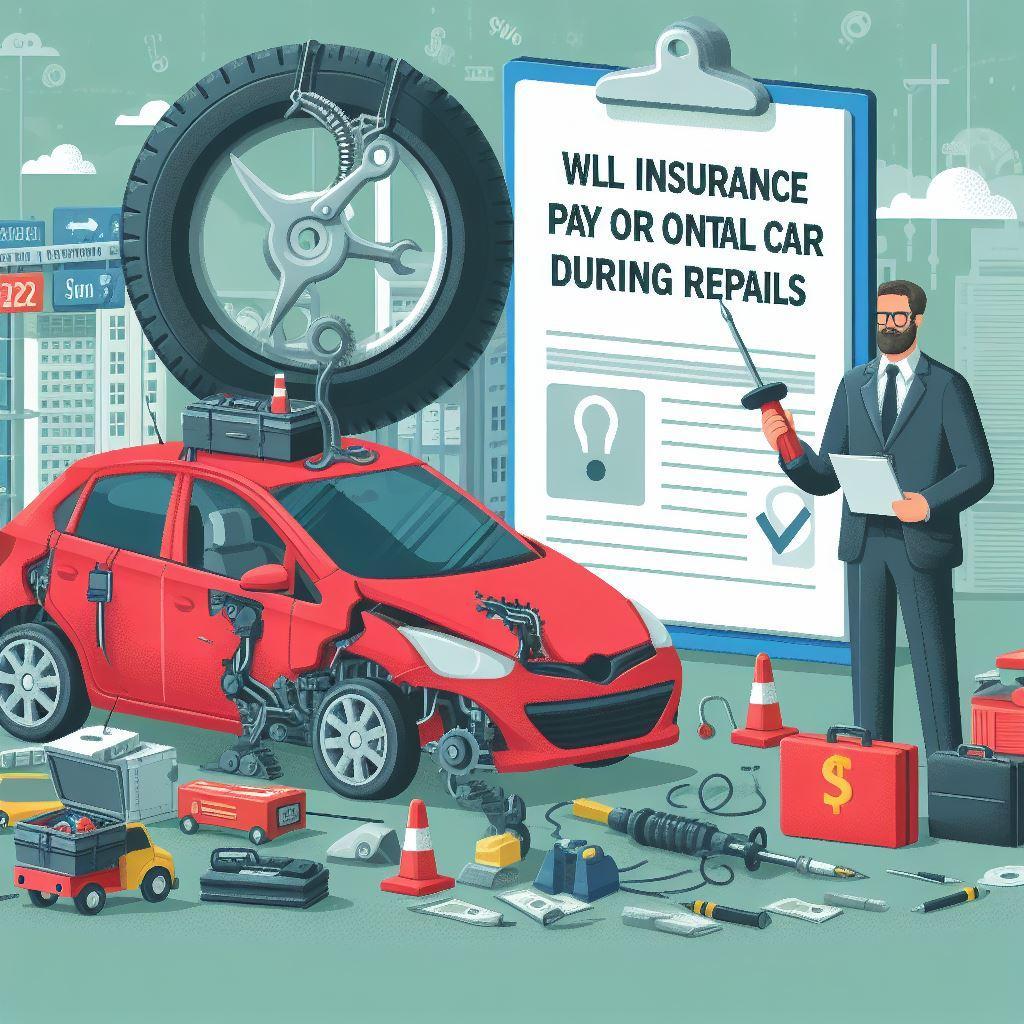
    Will Insurance Pay for Rental Car During Repairs?

    Car failures are regularly eccentric and can take you off without a mode of transportation while your car is being repaired.

    Having a rental car scope in your protection arrangement can be a lifesaver in such circumstances. But will insurance pay for a rental car amid repairs? Let’s dive into this theme encourage. 

    muwYdPqAqXkmQwy C70xqplbpiD4iPVwTYPP480mcFTiJ Dblek41OYyW45TIdStrvzES 8WTuefHisziT gn0WWqRPLAzhC6rAJ2o2dyCOil6fpV6QJYYUJKZtysVvVRAgfNPXaW31pO07nRsTIRWTEyTB8Wnk5

    After a car mishap, the encompassing zone gets to be filled with Broken and detached parts, including broken glass and scattered metal. During such circumstances, the question of whether insurance will pay for repairs on the car may be common promptness.

    Insurance may be an imperative instrument that provides security and monetary help when fundamental. A suitable insurance scope can make a tremendous distinction after smashing your rental car.

    If a rental car is harmed after a mischance, insurance can give monetary help for repairs and offer brief substitutions.

    You might be interested in: 2024 Tesla Roadster First Look :Release date and Design Specs

    Everything You Would Like About Insurance Pay on Rental Car Accidents:

    In the terrible event of a car mischance or mechanical breakdown, one of the foremost squeezing concerns for drivers is how they will oversee transportation while their vehicle is experiencing repairs.

    Usually, the scope of rental car protection approaches is a significant consideration. But the address remains: 

    Will insurance pay for a rental car during repairs? 

    Let’s understand the ins and outs of insurance companies’ rental car coverage.

    Does My Insurance Cover Rental Cars?

    To begin with, it’s vital to recognize that not all insurance approaches include rental car scope as a standard feature. This implies that whether or not you will be eligible for a rental car generally depends on the specifics of your insurance approach.

    Numerous approaches offer rental repayment coverage as an optional add-on, which means you’ll need to pick this extra coverage to get benefits for rental car costs.

    Coverage Limits and Daily Rates:

    For those with rental repayment coverage included in their policy, the following thought is the extent of coverage given. Insurance companies regularly have limits on the amount they will repay for rental car costs per day and claim.

    These limits can vary broadly depending on the backup plans and the particular policy, so it’s fundamental to survey your policy documents or talk with your insurance specialist to understand the points of interest of your scope.

    Conditions and Restrictions:

    In expansion to coverage limits, insurance companies may also force certain conditions and limitations on rental repayment benefits. For example, they may require that the rental car be obtained from a specific rental agency or restrain the length for which rental costs will be secured.

    Understanding these conditions is vital to maintaining a strategic distance from any surprises or misunderstandings when filing a claim for rental repayment.

    When Does Rental Car Coverage Apply?

    Another important factor is the circumstances under which rental car coverage applies. In most cases, rental reimbursement benefits are triggered when your vehicle is undergoing repairs due to damage covered by your insurance policy.

    This could include repairs following a car accident, vandalism, theft, or mechanical breakdowns covered under comprehensive or collision coverage.

    Exclusions (Routine Maintenance):

    It’s worth noting that rental car coverage typically does not apply when your vehicle is in the shop for routine maintenance or repairs unrelated to a covered loss.

    In these instances, you would be responsible for covering the cost of a rental car out of pocket unless you have alternative arrangements, such as a separate rental car insurance policy or coverage through a third-party service provider.

    Will Insurance Pay for Rental Car During Repairs

    Filing a Claim for Rental Reimbursement:

    When filing a claim for rental reimbursement, it’s essential to follow the proper procedures outlined by your insurance company.

    This may involve obtaining authorization for the rental car expenses in advance, providing documentation such as repair estimates and rental receipts, and adhering to any other requirements specified by your insurer.

    Failing to follow these procedures could result in a denial of your claim or delays in reimbursement.

    Direct Billing with Rental Agencies:

    In some cases, insurance companies may offer direct billing arrangements with certain rental car agencies, making the process more convenient for policyholders.

    Instead of paying for the rental car out of pocket and then seeking reimbursement from the insurer, the rental expenses are billed directly to the insurance company, subject to the terms of the policy.

    Will Insurance Pay for Rental Car During Repairs 1

    Alternative Transportation Options:

    It’s also worth exploring alternative options for transportation assistance during repairs, especially if rental car coverage is insufficient. Some insurers may offer additional benefits such as roadside assistance or towing services to help you get your vehicle to a repair facility without incurring additional costs.

    Additionally, some auto manufacturers and dealerships offer loaner car programs for customers whose vehicles are in the shop for repairs, although availability and eligibility criteria may vary.

    Final Words:

    Whether insurance will pay for a rental car during repairs depends on the specific terms of your policy, including whether rental reimbursement coverage is included and the extent of coverage provided.

    It’s essential to review your insurance policy carefully and understand the conditions and limitations of rental car benefits to ensure you’re adequately protected in an accident or breakdown.

    Remember, in the event of uncertainty, don’t hesitate to contact your insurance agent or provider for clarification and guidance.

    Read Also: 2024 GMC Hummer EV SUV Review: Release date and Design Specs

    FAQ about Insurance Coverage for Rental Cars:

    Frequently Asked Questions about Coverage for Rental Cars are :

    Does basic car insurance automatically cover rental car expenses during repairs?

    No, rental car coverage is typically an optional add-on, not a standard feature in most insurance policies.

    How can I determine if my insurance covers rental car repairs?

    Review your policy documents or contact your insurance agent to confirm if you have rental reimbursement coverage included in your plan.

    Is there a limit on how much insurance will pay for a rental car each day?

    Yes, insurance companies have daily limits on rental car reimbursement amounts. Check your policy details for specific limits.

    Are there any restrictions on using a rental car covered by insurance?

    Some insurers might require rentals from specific agencies or limit the rental duration. Understand these conditions to avoid claim issues.

    When does insurance cover the cost of a rental car during repairs?

    Rental coverage applies when your car undergoes repairs due to damage covered by your policy (collision, accident, vandalism).

    Does insurance pay for rentals if my car needs routine maintenance?

    No, rental car coverage is not for routine maintenance or repairs caused by an insured event.

    What should I do to file a claim for rental car reimbursement?

    Follow your insurance company’s procedures. This might involve getting pre-approval for rental expenses and submitting documents like repair estimates and receipts.

    Are there alternatives to rental cars if my insurance doesn’t cover them?

    Explore options like roadside assistance or towing from your insurer to get your car repaired. Additionally, some car manufacturers offer loaner programs during repairs (check eligibility).

    What if I’m unsure about the details of my rental car coverage?

    If you have any doubts about your insurance policy’s rental car coverage specifics, don’t hesitate to contact your insurance agent or provider for clarification.

    What if I’m unsure about the details of my rental car coverage?

    If you have any doubts about your insurance policy’s rental car coverage specifics, don’t hesitate to contact your insurance agent or provider for clarification.

  • Why My Car Gear Not Shifting? Let’s Find Out Reasons & Solutions

    Why My Car Gear Not Shifting? Let’s Find Out Reasons & Solutions

    Have you ever found yourself stuck in traffic, and realized that your car gear not shifting? It’s a frustrating experience that many of us have encountered.

    Many factors can cause this problem, ranging from simple problems like low transmission fluid to more complex problems like transmission wear.

    In this article, I’ll explain why your car gear is not working. From unexpected stops to clunky gear changes, I will uncover the reasons behind these annoyances and explore practical solutions to get you back on the road with confidence.

    Reasons Behind Why My Car Gear Not Shifting?

    When your car’s gear isn’t shifting properly, it can be a frustrating and concerning issue. Understanding the potential reasons behind this problem can help you address it effectively.

    1: Low Transmission Fluid:

    A primary cause of gear non-shifting problems is a low transmission fluid level. Transmission fluid acts as a lubricant and coolant for various system components.

    When the fluid level is low, it can cause excessive lubrication and overheating, resulting in difficulty shifting gears.

    2: Worn-out Clutch Plates:

    Broken clutch plates in manual transmission vehicles can cause gear-shifting difficulties. The clutch system temporarily disconnects the engine from the transmission when changing gears. These clutch plates wear out over time and prevent proper engagement and disengagement of the clutch.

    3: Malfunctioning Transmission Solenoid:

    The transmission solenoid is responsible for regulating the flow of transmission fluid and controlling gear shifts in automatic transmissions. If the solenoid becomes faulty or fails, it can disrupt the gear shifting process, leading to erratic shifting behavior or the inability to shift gears at all.

    4: Faulty Shift Cable or Linkage:

    In both manual and automatic transmissions, the shift cable or linkage connects the gear shifter to the transmission. If the cable or linkage becomes damaged, misaligned, or disconnected, it can prevent the transmission from receiving the proper signals to engage the correct gear.

    5: Electronic Control Module (ECM) Issues:

    Modern vehicles rely on electronic control modules to manage various functions, including the transmission system.

    If the ECM experiences a malfunction or software glitch, it can affect the transmission’s performance and lead to gear shifting problems.

    To address gear shifting issues effectively, it’s essential to have your car inspected by a qualified mechanic.

    They can perform diagnostic tests, such as checking transmission fluid levels, inspecting clutch components, and scanning for error codes in the ECM.

    Based on their findings, they can recommend the necessary repairs or adjustments to restore proper gear shifting functionality to your vehicle.

    Ignoring gear shifting problems can lead to further damage to the transmission system and compromise your safety on the road.

    How to Identify and Fix Car Gear Shifting Troubles?

    Identifying and fixing car gear shifting issue requires a systematic approach. Here’s a guide to help you tackle the issue:

    1: Diagnostic Check:

    Start by diagnosing the problem. Pay attention to any unusual sounds, vibrations, or warning lights associated with gear shifting. Use an OBD-II scanner to retrieve any trouble codes stored in the vehicle’s computer system.

    2: Check Transmission Fluid:

    Ensure the transmission fluid is at the correct level and appears clean and translucent. Low fluid levels or dirty fluid can cause shifting problems.

    If the fluid is low, top it up with the manufacturer-recommended fluid type. If it’s dirty, consider flushing and replacing the fluid.

    3: Inspect Clutch System (For Manual Transmission):

    Check the clutch pedal for proper operation. A spongy or loose pedal could indicate air in the hydraulic system or a worn-out clutch.

    Inspect the clutch fluid reservoir and lines for leaks or damage. Assess the clutch disc, pressure plate, and release bearing for signs of wear or damage. Replace any worn components as necessary.

    4: Test Transmission Solenoids (For Automatic Transmission):

    Use a scan tool to conduct a transmission solenoid test. This will help identify any faulty solenoids responsible for gear shifting issues. Replace malfunctioning solenoids with new ones to restore proper transmission function.

    5: Inspect Transmission Linkage and Cables:

    Check the transmission linkage and shift cables for signs of damage, corrosion, or misalignment.

    Adjust or replace damaged linkage components or cables to ensure smooth and precise gear shifts.

    6: Examine Electrical Components:

    Inspect wiring harnesses, connectors, and sensors associated with the transmission system.

    Repair or replace any damaged or corroded electrical components affecting transmission operation.

    7: Check for Mechanical Damage:

    Inspect the transmission assembly for any visible signs of mechanical damage, such as leaks, cracks, or worn-out gears.

    Consult a professional mechanic or transmission specialist for a thorough inspection and repair of internal transmission components.

    8: Consult Professional Help:

    If you’re unable to diagnose or fix the gear shifting problem on your own, seek assistance from a qualified mechanic or transmission specialist.

    They have the expertise and diagnostic tools to identify complex transmission issues and perform necessary repairs or adjustments.

    By following these steps, you can effectively identify and address car gear shifting troubles, ensuring optimal performance and safety on the road.

    Conclusion

    When faced with a car that won’t shift gears, it’s essential to approach the problem systematically.

    By checking transmission fluid levels, inspecting the clutch (for manual transmission), testing transmission solenoids (for automatic transmission), and examining transmission linkage and cables, you can identify potential issues and take appropriate action.

    If troubleshooting steps don’t resolve the problem, seeking professional assistance from a qualified mechanic is advisable.

    Remember, addressing gear shifting issues promptly ensures safe and smooth driving experiences in the long run.

    FAQs

    What people ask about gear shifting.

    Can a faulty clutch cause gear shifting problems in an automatic transmission car?

    No, automatic transmission cars don’t have a clutch pedal like manual transmissions.

    Gear shifting issues in automatic cars are usually related to transmission solenoids, fluid levels, or mechanical components.

    How long does it take to fix gear shifting problems in a car?

    The time required for repairs depends on the complexity of the issue. Minor problems like low fluid levels or simple adjustments may be fixed quickly, while more significant issues might take several hours or even days to resolve.

    Is it safe to continue driving if my car experiences gear shifting issues?

    It’s not recommended to drive your car if you’re experiencing gear shifting problems, especially if the shifts are rough or delayed.

    Continuing to drive could worsen the issue and potentially lead to more extensive damage to the transmission system. It’s best to have the problem diagnosed and repaired as soon as possible.

    Can driving habits affect gear shifting performance?

    Yes, aggressive driving, such as abrupt acceleration or frequent gear changes, can put stress on the transmission system and contribute to premature wear and shifting problems.

    Are gear shifting issues covered under warranty?

    It depends on the warranty coverage and the specific terms and conditions outlined by the manufacturer. Some warranties may cover transmission-related issues within a certain mileage or time frame.

    What should I do if my car’s gear shifting problem persists after repairs?

    If the issue persists after repairs, revisit the mechanic to reevaluate the problem. It’s possible that additional diagnostic steps or repairs may be necessary to address underlying issues causing the gear shifting problem.

  • Don’t Let a Cracked Windshield Slow You Down: Here’s What to Do

    Don’t Let a Cracked Windshield Slow You Down: Here’s What to Do

    As a driver, you rely heavily on your windshield to keep you safe while on the road. Unfortunately, cracked windshields are a common issue that many drivers face. Whether it’s a small chip or a larger crack, it’s important to address the issue as soon as possible to ensure your safety on the road. In this article, we’ll provide you with all the information you need to know about cracked windshields and what to do if you encounter this problem.

    windshield replacement service

    Understanding Windshield Damage

    Windshields are made of laminated glass, which consists of two layers of glass and a layer of vinyl in between. This design allows the windshield to absorb impact and prevent the glass from shattering, keeping you safe inside your vehicle. However, this design also means that even small chips and cracks can compromise the structural integrity of the windshield.

    What Causes Windshields to Crack?

    There are several reasons why windshields may crack. One of the most common causes is temperature changes. When the temperature drops, the glass in your windshield contracts, and when the temperature rises, it expands. This constant expansion and contraction can weaken the glass over time and lead to cracking.

    Another common cause of windshield cracks is impact. Rocks, debris, and other objects that hit your windshield can cause chips or cracks. These can often be repaired if they’re caught early, but if left unattended, they can grow and become much larger.

    Common Causes of Windshield Damage

    Windshield damage can be caused by a variety of factors, including:

    • Rocks and debris on the road
    • Extreme temperatures
    • Construction work
    • Accidents and collisions

    Related Articles, you may be interested

    Stay Cool and Protected: The Benefits of Paint Protection and Window Tinting
    10 Easy Ways to Keep Your Tires in Good Shape

    How to Prevent Windshield Cracks

    While it’s not always possible to prevent windshield cracks, there are some things you can do to reduce your risk. Here are a few tips:

    • Avoid following too closely. When you’re driving behind another vehicle, give yourself plenty of space. This will give you more time to react if something hits the other car and causes debris to fly back at you.
    • Avoid extreme temperature changes. If you live in an area with extreme temperature changes, try to park your car in a garage or covered area whenever possible. This will protect your windshield from rapid temperature changes that can weaken the glass.
    • Keep your windshield clean. Dirt and debris on your windshield can scratch the glass and weaken it over time. Regular cleaning can help prevent this.
    • Replace worn wiper blades. Old or worn wiper blades can scratch your windshield, which can weaken it over time.

    What to Do When You Have a Cracked Windshield

    If you notice a crack or chip in your windshield, it’s important to take action immediately. Here are the steps you should follow:

    • Assess the damage: Take a close look at the crack or chip to determine how severe the damage is. If the crack is longer than six inches or if there are multiple cracks, you will likely need a windshield replacement.
    • Temporarily fix the damage: If you can’t get your windshield fixed right away, you can use clear tape to cover the crack or chip. This will prevent dirt and debris from getting inside the crack and making the damage worse.
    • Schedule a windshield replacement service: Contact a professional auto glass company, like My Auto Glass Center, to schedule a windshield replacement service. A professional technician will assess the damage and recommend the best course of action.

    Benefits of Prompt Windshield Replacement

    Getting your windshield replaced promptly has a number of benefits, including:

    • Improved safety: A new windshield will provide maximum protection in the event of an accident or collision.
    • Better visibility: Cracks and chips in your windshield can obstruct your view of the road, but a new windshield will provide clear visibility.
    • Protection against the elements: A new windshield will protect you from wind, rain, and other weather conditions.

    How to Choose a Windshield Repair Shop

    When it comes to choosing a windshield repair shop, there are a few things you should consider. Here are some tips:

    • Check for certification. Look for a repair shop that is certified by the National Windshield Repair Association or a similar organization. This will ensure that the technicians are trained and qualified to repair your windshield properly.
    • Ask for recommendations. Ask friends, family, and coworkers for recommendations. Word-of-mouth referrals are often the best way to find a reputable repair shop.
    • Check online reviews. Look for reviews of the shop online to see what other customers have to say. Check websites like Yelp, Google Reviews, or Angie’s List to get an idea of the shop’s reputation.
    • Get multiple quotes. Contact several repair shops and ask for a quote. This will help you compare prices and choose the best option for your budget.
    • Ask about materials and warranties. Make sure the shop uses high-quality materials and offers a warranty on their work. This will give you peace of mind knowing that your windshield repair will last.

    DIY Windshield Repair: Yay or Nay?

    There are DIY windshield repair kits available on the market, but should you use them? While they may seem like a cost-effective solution, there are some risks involved.

    First of all, these kits are not as effective as professional repairs. They may be able to fix a small chip or crack, but they often don’t provide a long-term solution. In addition, if the repair is not done properly, it can make the crack worse and require a full replacement.

    Another risk of DIY repairs is that they can be dangerous. The materials used in these kits can be harmful if not handled properly, and the process of repairing a windshield can be complicated and difficult for someone without experience.

    In general, it’s best to leave windshield repairs to the professionals. A certified repair shop will have the experience and equipment necessary to repair your windshield safely and effectively.

    A cracked windshield can be a major safety concern for any driver, but it’s important to address the issue as soon as possible. By assessing the damage, temporarily fixing the issue, and scheduling a windshield replacement service, you can ensure your safety on the road. My Auto Glass Center is a reputable company that offers windshield replacement services, as well as window tinting for cars. Don’t let a cracked windshield slow you down – contact My Auto Glass Center today to get back on the road safely.

  • Stay Cool and Protected: The Benefits of Paint Protection and Window Tinting

    Stay Cool and Protected: The Benefits of Paint Protection and Window Tinting

    If you’re looking to protect your car from the elements and enhance its overall appearance, paint protection and window tinting are two great options to consider. These services offer a variety of benefits, from keeping your car cooler to protecting your investment from scratches and chips. In this article, we’ll explore the advantages of paint protection film and window tinting, and why they’re worth considering for your vehicle.

    Protect Your Paint

    One of the primary benefits of paint protection film is its ability to safeguard your vehicle’s paint from damage. This includes chips, scratches, and other types of wear and tear that can occur over time. Paint protection film is a clear, self-healing film that’s applied to the exterior of your car. It acts as a barrier against rocks, debris, and other hazards that can cause damage to your paint.

    Keep Your Car Looking New

    In addition to protecting your paint, paint protection film also helps your car look new for longer. It maintains the shine and gloss of your vehicle’s exterior, while also preventing damage that can make it look older and more worn. This is particularly important if you’re looking to sell your car in the future, as a well-maintained exterior can significantly increase its resale value.

    Stay Cool in the Heat

    Window tinting is another popular option for vehicle owners, and for good reason. By blocking out UV rays and reducing the amount of heat that enters your car, window tinting can help you stay cool and comfortable even on the hottest days. This can also reduce the strain on your air conditioning system, which can improve fuel efficiency and save you money on gas.

    Protect Your Interior

    In addition to keeping you cool, window tinting can also protect your car’s interior from fading and cracking. UV rays can cause your dashboard, seats, and other interior components to fade and deteriorate over time. Window tinting blocks out these harmful rays, preserving the look and feel of your car’s interior for years to come.

    Enhance Your Privacy

    Window tinting also offers the added benefit of privacy. By darkening your windows, you can keep prying eyes from seeing into your car, whether you’re parked in a busy parking lot or driving down the highway. This can add an extra layer of security and peace of mind, particularly if you frequently transport valuable items in your car.

    Saves Money in the Long Run

    While it may seem like an unnecessary expense, paint protection can actually save you money in the long run. Without paint protection, your vehicle is more susceptible to damage, which can lead to expensive repairs down the line. By investing in paint protection now, you can avoid these costs and keep your vehicle looking great for years to come.

    Enhanced Protection

    When you combine paint protection and window tinting, you’re giving your vehicle enhanced protection from the elements. Not only does the paint protection protect the exterior of your vehicle, but the window tinting protects the interior as well. This combination can help your car stay in top condition for years to come.

    Improved Aesthetics

    In addition to the protection benefits, the combination of paint protection and window tinting can also improve the overall aesthetics of your vehicle. With a sleek and shiny exterior and cool, comfortable interior, you’ll feel like you’re driving a brand new car every time you hit the road.

    Importance of Professional Installation

    While there are DIY options available for both paint protection and window tinting, it’s highly recommended to have these services done by a professional. Proper installation is key to ensuring that the film adheres properly and provides the maximum protection and benefits. Professional installers have the necessary experience and tools to do the job right the first time.

    Proper Maintenance Tips

    Once your paint protection and window tinting are installed, it’s important to follow proper maintenance tips to keep them looking and performing their best. For paint protection, avoid using abrasive cleaners or wax, as they can damage the film. For window tinting, avoid using ammonia-based cleaners, as they can cause the film to peel or bubble. Regular cleaning with a mild soap and water solution is recommended for both services.

    Frequently Asked Questions

    How long does paint protection last?

    Paint protection can last anywhere from 5-10 years, depending on the quality of the film and how well it’s maintained.

    Will window tinting interfere with my car’s electronics?

    No, window tinting should not interfere with your car’s electronics. However, it’s important to choose a reputable installer to ensure that the tinting is installed properly and does not cause any issues.

    Can I still see out of the windows with tinting?

    Yes, you can still see out of tinted windows. In fact, many people find that the reduced glare actually makes it easier to see while driving.

    Can I wash my car immediately after installation?

    It’s recommended to wait at least 48 hours before washing your car after paint protection or window tinting installation. This allows the film to fully adhere to the surface of your vehicle.

    How much does paint protection and window tinting cost?

    The cost of paint protection and window tinting varies depending on the make and model of your vehicle, as well as the quality of the film and the level of service you choose. It’s best to contact a professional installer for an accurate quote.


    In conclusion, paint protection and window tinting offer a variety of benefits for vehicle owners. From protecting your investment to keeping you cool and comfortable on hot days, these services can help you get the most out of your car. If you’re interested in learning more about paint protection film and window tinting, Dynamite Braz is the place to go. Their team of experts can help you find the right solutions for your vehicle, ensuring that you stay cool and protected on the road. With proper professional installation and maintenance, you can enjoy the benefits of paint protection and window tinting for years to come.